
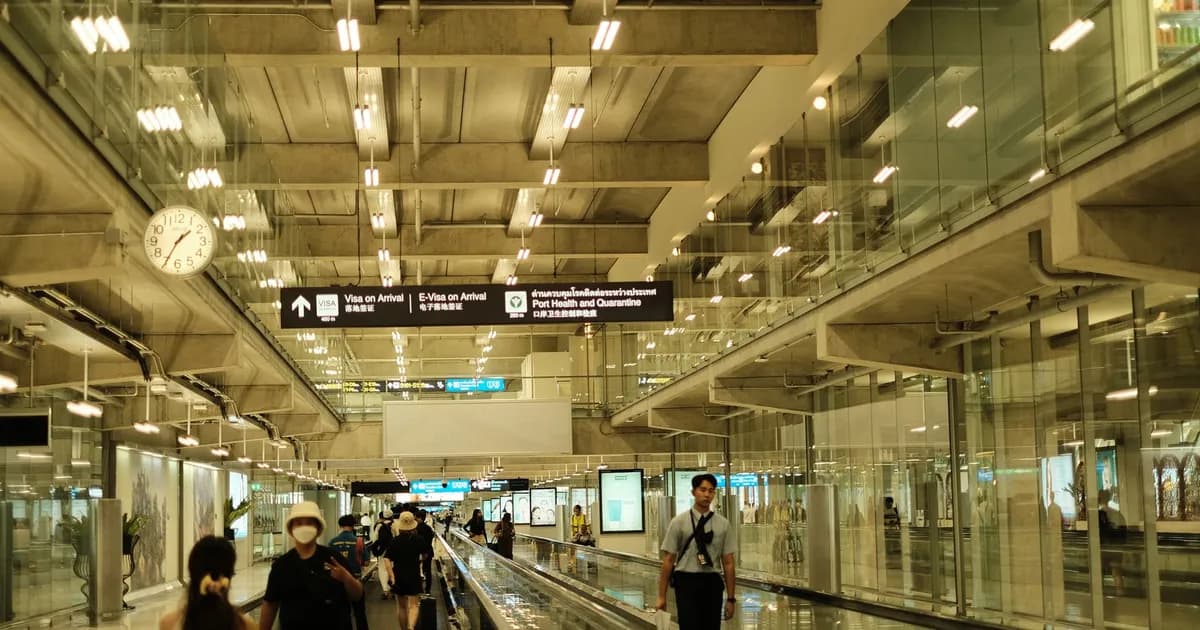

A new requirement is now in effect at Ho Chi Minh City's Tân Sơn Nhất International Airport, and most international travelers arriving there need to act before they board.
As of 15 April 2026, foreign nationals entering Vietnam through Tân Sơn Nhất (SGN) must complete a Digital Pre-Arrival Information Form — a free online declaration that generates a QR code for presentation at immigration. The form is submitted through Vietnam's official Immigration Department portal, prearrival.immigration.gov.vn, and must be completed within 72 hours of arrival. It does not replace a visa or e-Visa. It sits alongside existing entry requirements as a data-preload step designed to reduce queue times at Vietnam's busiest international gateway.
The rollout is officially limited to SGN for now. Expansion to other airports and land borders is widely anticipated but has not been confirmed by formal government notice. In the meantime, airline communication has been inconsistent — many passengers are learning about the requirement only after landing. This guide covers who needs the form, when to complete it, how to carry proof offline, and what to expect at immigration during the current rollout period.
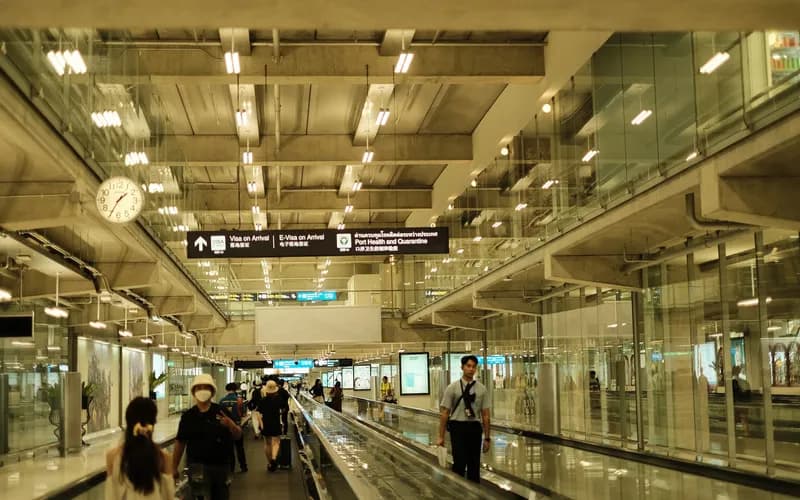
Who Needs to Complete the Form
The requirement applies to almost all foreign passport holders arriving at SGN, regardless of how they are entering Vietnam.
You must complete the form if you are:
- A foreign national entering on an e-Visa
- A foreign national entering visa-free under a bilateral or unilateral exemption
- A foreign national holding a pre-arranged sticker visa or other valid visa class
- An overseas Vietnamese (Việt Kiều) entering on a foreign passport or with a visa
You do not need to complete the form if you are:
- A Vietnamese citizen traveling on a Vietnamese passport
- A transit passenger remaining airside at SGN and not passing through immigration
This is the point where many travelers are caught off guard. Holding an e-Visa or coming from a visa-exempt country does not exempt you from the digital declaration. The U.S. Embassy in Vietnam has explicitly flagged this, noting that passengers arriving at SGN must complete a pre-arrival declaration regardless of visa status.
The requirement is grounded in Official Dispatch No. 1474/CACK TSN, which mandates the declaration for foreign nationals and overseas Vietnamese using visas who enter via Tân Sơn Nhất.
One request. Up to five tailored proposals.
Skip contacting agencies one by one — share your trip once and let up to five trusted Vietnam agencies come to you. Free, with no obligation.
Get my free quotesThe 72-Hour Window and What the Form Collects
At a glance
- Who
- Almost all foreign passport holders at SGN
- When
- Within 72 hours before arrival
- Where
- Official portal: prearrival.immigration.gov.vn
- Cost
- Free, no official fee
- Validity
- Does not replace a visa or e-Visa
The form opens no earlier than 72 hours before your scheduled arrival. Complete it within that window — and well before you reach the departure gate.
Practically, aim for 48 to 72 hours before your flight lands in Ho Chi Minh City. Waiting until you are at the departure airport introduces unnecessary risk: portal timeouts, slow email delivery of your QR code, and the possibility of no reliable internet connection on arrival.
The form collects the following information:
- Full name, date of birth, gender, nationality, passport number, and passport expiry
- Visa type, visa number, and issue and expiry dates where applicable
- Expected arrival date, flight number, and port of entry (SGN)
- Purpose of entry: tourism, business, visiting relatives, and so on
- Accommodation address and phone number in Vietnam
- Email address to receive your QR code and confirmation
Family members traveling together can be added under a single declaration. Once submitted, the system sends a confirmation email containing your unique QR code. The form is free. There is no official fee at any stage.
One caution: third-party sites mimicking the official portal have been reported, some charging unnecessary fees. Use only the official URL — prearrival.immigration.gov.vn — and verify it carefully before entering any personal data.
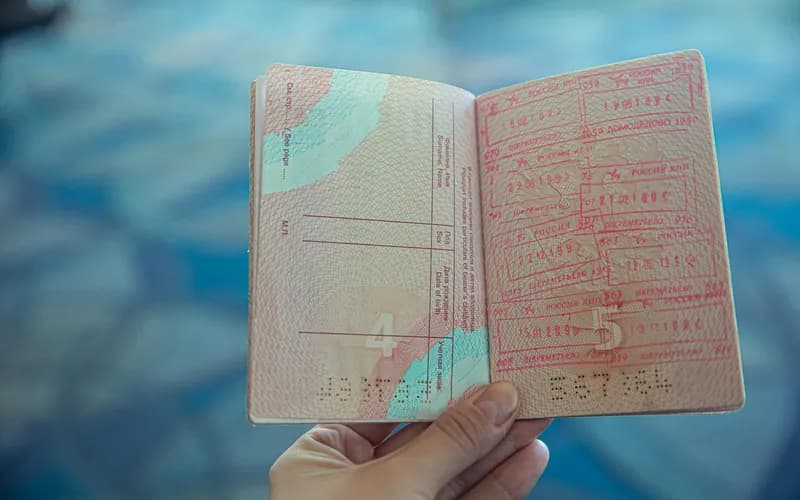
How the Form Relates to Visas and the NA1 Card
Vietnam currently operates two distinct entry-document layers, and it is worth understanding how they interact.
The Digital Pre-Arrival Form is new for 2026 and currently mandatory at SGN. It does not replace your visa, e-Visa, or visa exemption. It is an additional step — a data-preload that allows immigration officers to pull up your details by scanning a QR code rather than entering information manually at the booth.
The NA1 form — the traditional paper entry/exit card — remains in use primarily for Visa on Arrival (VOA) applicants and at many land and sea borders. If you are entering on a VOA, you will still need to complete the NA1 in addition to the digital pre-arrival declaration. For e-Visa holders and visa-free travelers arriving at SGN, the digital form replaces the NA1 for that entry point.
If you are unsure which documents apply to your specific visa category, check directly with the Immigration portal or a Vietnam-based travel specialist before departure.
Get matched with up to 5 trusted Vietnam agencies
- Free
- No obligation
- Up to 5 agencies
What to Expect at Immigration During the Rollout
The system is live and operationally stable, but the rollout period brings variability that prepared travelers should anticipate.
For travelers who arrive with their QR code ready, the process is straightforward. Present your passport, visa or e-Visa where applicable, and your QR code. The officer scans the code, your pre-submitted details appear in the system, and the booth interaction is brief.
For travelers who arrive without the form completed, the experience is less predictable. Some are directed to separate kiosks or airport QR posters to complete the declaration on their phones before rejoining the queue. Others are manually processed by officers — a slower path that is discouraged and not guaranteed. Entry is generally still granted to those who complete the form on-site, but delays during peak arrival waves can be significant, particularly when multiple long-haul flights land in close succession.
Enforcement during this initial period appears somewhat flexible. Travel agencies and on-the-ground reports suggest that officers occasionally process unprepared travelers manually when systems are under load. This flexibility is not codified in any public regulation and should not be relied upon.
Airline communication remains inconsistent. Some carriers are checking for the QR code at check-in; others are not. Do not wait for your airline to prompt you. Check the Immigration portal directly and complete the form on your own schedule.
How to Carry Proof Offline
Airport Wi-Fi and roaming connections at SGN can be unreliable, particularly in the arrivals hall during busy periods. Your QR code needs to be accessible without internet.
As soon as you receive your confirmation email, screenshot the QR code and save it to your phone's photo gallery or files app. Verify that the image opens without a network connection before you travel. A printed paper copy is a sensible backup — particularly useful if your phone battery is low, your screen is cracked, or you simply prefer a physical document in hand at the booth.
Keep both the digital screenshot and the printed copy in the same place as your passport and visa documents. At the immigration booth, have everything ready before you reach the officer.

Costs, Scams, and the Official Portal
Watch out
Use only the official portal, prearrival.immigration.gov.vn. Copycat sites have charged USD 20–30 for a form that is free on the government site — verify the URL before entering any personal data, and save your QR code and confirmation email offline before you fly.
The form is free. There are no government fees at any stage, and no legitimate reason to pay anyone to file it for you.
Several third-party websites have been built to resemble the official portal, and some buy their way into paid search results. They charge USD 20–30 to complete a ten-minute form that costs nothing on the government site. Travel specialists covering Vietnamese entry rules have flagged them consistently since the April 2026 launch.
Go directly to prearrival.immigration.gov.vn rather than through a search result or an advertisement. The official site runs in English and Vietnamese. If it loads slowly or drops your session, which still happens at peak times, wait and try again instead of reaching for a paid lookalike. The same instinct serves you on the ground, where our guide to the common scams in Vietnam covers the rest. And if you are still working out which entry route applies to you, start with the e-visa and visa exemption comparison.
Frequently Asked Questions
Do I need the form if I already have an approved e-Visa?
Yes. The Digital Pre-Arrival Form is required regardless of your visa type. An e-Visa confirms your right to enter Vietnam; the pre-arrival declaration is a separate data-submission step required at Tân Sơn Nhất Airport. Holding an e-Visa does not exempt you. Complete both before you travel — your e-Visa for entry authorization, and the digital form within 72 hours of arrival at SGN.
Is the form required at airports other than Ho Chi Minh City?
As of May 2026, the requirement is officially limited to Tân Sơn Nhất International Airport (SGN) in Ho Chi Minh City. Expansion to Nội Bài in Hanoi and other entry points is widely expected but has not been confirmed by formal government notice. If you are arriving at a different airport or land border, the form is not currently mandatory — though this may change without significant advance notice.
What happens if I arrive at SGN without completing the form?
You will likely be directed to a kiosk or airport assistance area to complete the declaration on your phone before passing through immigration. Entry is generally still processed, but expect delays — particularly during peak arrival periods when multiple flights land simultaneously. Some officers may process you manually, but this is slower and not guaranteed. Completing the form before departure is the only reliable way to avoid this.
Is there a fee to complete the form?
No. The Digital Pre-Arrival Form is free. The official portal — prearrival.immigration.gov.vn — charges nothing at any stage. Be cautious of third-party websites that mimic the official portal and charge processing fees. These are not affiliated with Vietnam's Immigration Department. Always verify the URL before submitting personal data.
Can one form cover my whole family?
Yes. The portal allows you to add family members traveling together under a single declaration. Complete the form for your travel party in one submission, and the system will generate a QR code linked to the group's entry data. Confirm that each family member's name and passport number exactly matches their travel document before submitting.
How long before my flight should I complete the form?
The form becomes available 72 hours before your scheduled arrival in Vietnam. Aim to complete it 48 to 72 hours before your flight lands at SGN — not before departure from your home country, but before your inbound flight to Vietnam. Avoid leaving it until you are at the departure gate. Portal timeouts and email delays can occur, and you want your QR code saved offline well before boarding.
My airline didn't mention this at check-in. Is the requirement real?
Yes, it is real and mandatory. Airline communication during this rollout period has been inconsistent — some carriers are checking for the QR code at check-in, others are not. The absence of a prompt from your airline does not mean the requirement does not apply. The U.S. Embassy in Vietnam has issued a formal notice confirming the requirement. Check the official Immigration portal directly and do not rely on your carrier to alert you.