
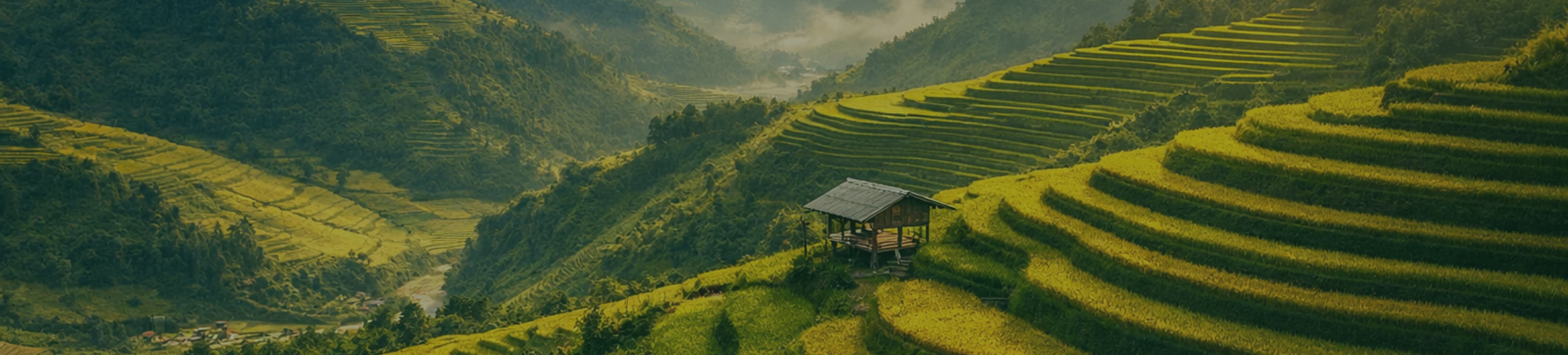
Travel to Vietnam
Slow travel in Vietnam — the length of an S-shaped country, from northern mountains to the Mekong Delta, taken region by region.
Hanoi's old quarter, the karst bays and rice terraces of the north, Hue and Hoi An in the centre, and the delta waterways of the south each ask for time — not a ten-day dash.
Understanding Vietnam as a travel destination
Vietnam stretches more than 1,600 kilometres down the eastern edge of mainland Southeast Asia, and its narrow, S-shaped geography packs in strikingly different worlds from top to bottom.
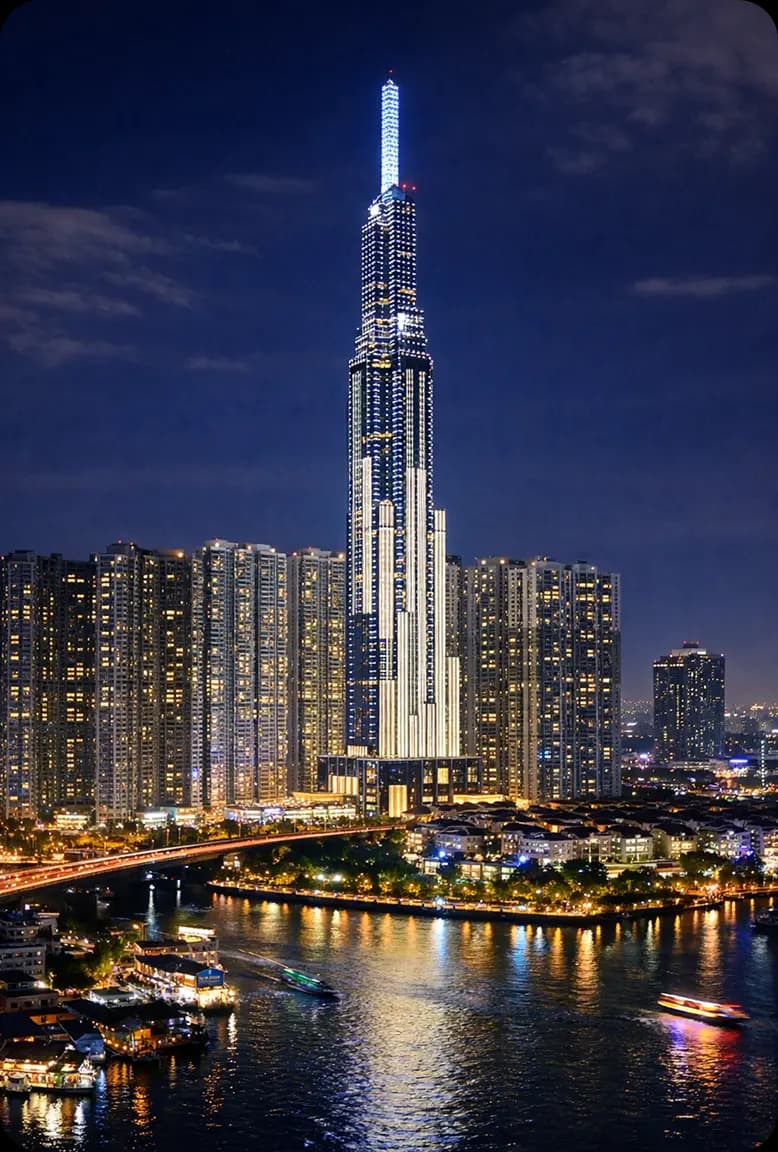
The mountainous north around Hanoi, Sapa and Halong Bay is cool and dramatic; the central coast holds the old towns of Hue and Hoi An and the caves of Phong Nha; the south runs hot and tropical through Ho Chi Minh City and the Mekong Delta.
Each region keeps its own dialect, cuisine and character — the pho and cooler climate of the north differ from central Hue's imperial cooking and the delta's fruit-and-river life in the south.
Weather is genuinely regional: while the south stays tropical year-round, the north has a cool winter and the central coast has a distinct rainy and typhoon season, so no single month is best everywhere.
Reading these differences — which regions, in which season, and how long to give each — is what separates a coherent Vietnam trip from a rushed Hanoi-to-Saigon sprint.
UNRUSH exists to make those trade-offs clearer, helping travellers match the right regions, seasons and local agencies to the trip they actually want.
Ready to travel? Get free quotes from up to 5 Vietnam agencies
Request free quotesThe Destination
Vietnam divides broadly into three regions — north, centre and south — that differ in climate, landscape and culture.
Knowing how they differ is the first step to a trip that isn't just a race down the map.
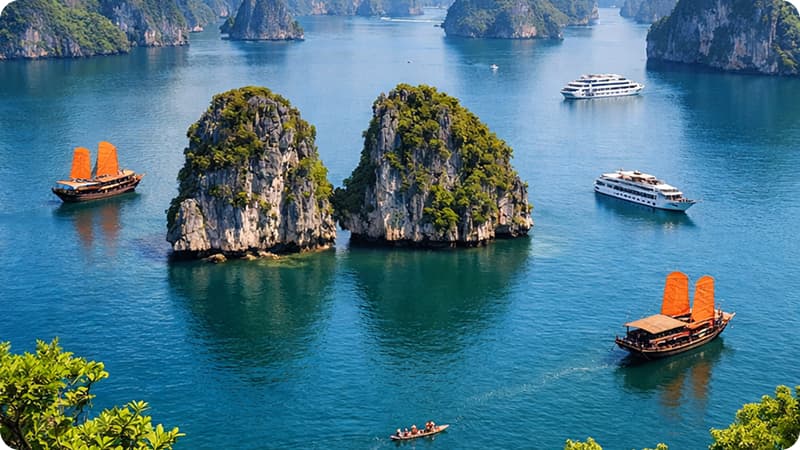
Geography & Regions
Vietnam is long and narrow, running from mountainous northern borders with China to the flat, watery Mekong Delta in the far south.
It reads as three parts: the north, with Hanoi, Halong Bay and the rice terraces of Sapa; the centre, with Hue, Hoi An, Da Nang and the Phong Nha caves; and the south, with Ho Chi Minh City and the delta.
- Northern Vietnam, characterized by mountainous areas and strong cultural diversity
- Central Vietnam, shaped by coastal landscapes and historical cities
- Southern Vietnam, defined by river systems and tropical environments
Each calls for its own timing and pace, and the distances between them are longer than they look.

Culture & Heritage
Vietnamese culture blends deep Confucian and Buddhist roots, a long history with China, and a visible French colonial layer in its cities and cooking.
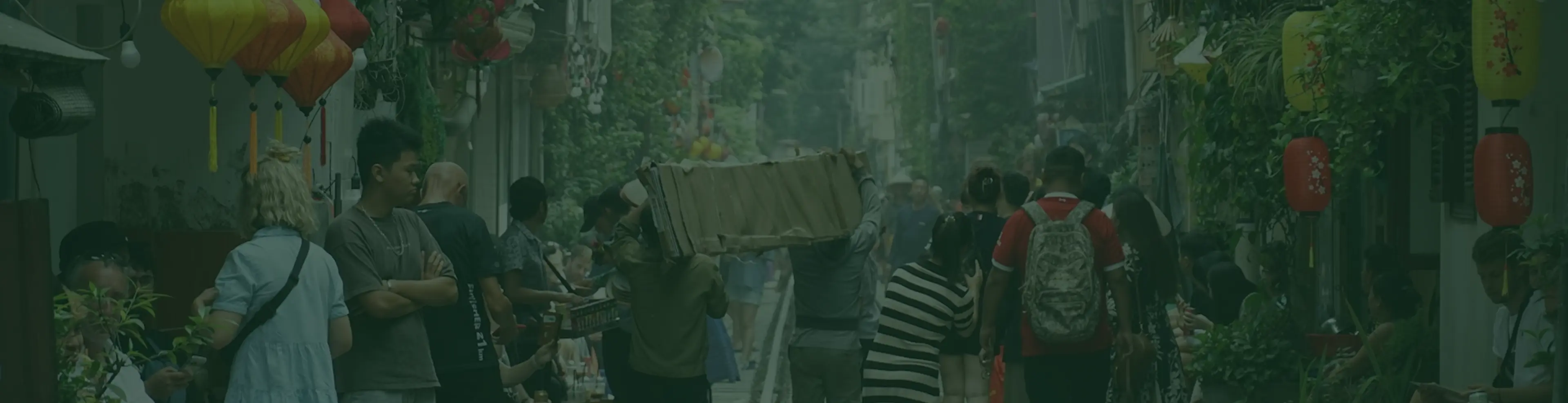
Imperial Hue, the lantern-lit streets of Hoi An, the ethnic-minority communities of the northern highlands, and the memory of the war years each tell a different part of the story.
Food is central to all of it, and it changes noticeably from north to south — reason enough to slow down and eat your way through the regions.
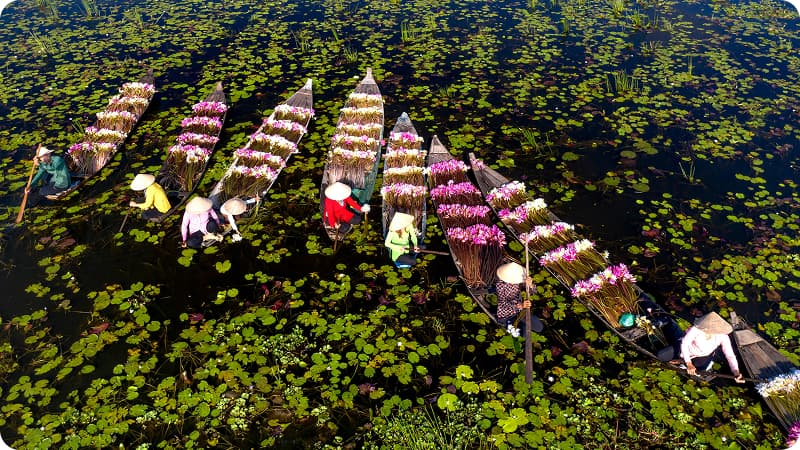
Travel Context
Vietnam is well set up for travel, with a long rail line, cheap flights and good coastal roads, but its length means transfers add up quickly.
Seasons vary by region: the south is tropical year-round, the north has a cool dry winter, and the central coast has a rainy, sometimes stormy season from roughly September to December.
Matching the route to the season is what keeps a trip from running into rain in one region while chasing sun in another.
Slow Traveling in Vietnam
Vietnam is often done as a fast north-to-south dash. Slowing down is what turns a checklist of famous stops into a real feel for the country.
A Different Way to Approach Travel
The classic trip races Hanoi, Halong Bay, Hoi An and Saigon in ten days, mostly through airports and night trains.
It hits the highlights, but it skips the highlands, the delta, the quieter coast and the everyday life in between.
A more considered trip usually means:
- Reducing unnecessary movement
- Allowing time for immersion
- Adapting the journey to local conditions
Understanding Local Context
A Sapa mountain village, imperial Hue and a Mekong Delta market run on completely different rhythms, dialects and cuisines.
Travelling well here means reading those differences, including:
- Local customs and social dynamics
- Seasonal variations
- Infrastructure and accessibility
That awareness turns a sightseeing loop into something much closer to the country itself.
Letting the Trip Breathe
A good Vietnam journey is not measured by how many regions you cross, but by how well the days fit together.
Choosing one or two regions to explore properly, in the right season, beats sprinting the whole length.
That usually means choosing fewer places and giving each of them real time.
In Vietnam, travelling slowly is not seeing less — it is understanding more.
A local agency that knows its region well can make this far easier, shaping the pace and route around how a place actually works.
One request. Up to five tailored proposals.
Skip contacting agencies one by one — share your trip once and let up to five trusted Vietnam agencies come to you. Free, with no obligation.
Explore Vietnam Through Slow Travel Guides
Travel guides provide a structured way to understand Vietnam beyond surface-level information. Each guide is designed to offer in-depth insights into specific aspects of the country, combining cultural context, regional understanding and practical considerations. Rather than isolated articles, these guides contribute to a broader and more coherent perspective of the destination.
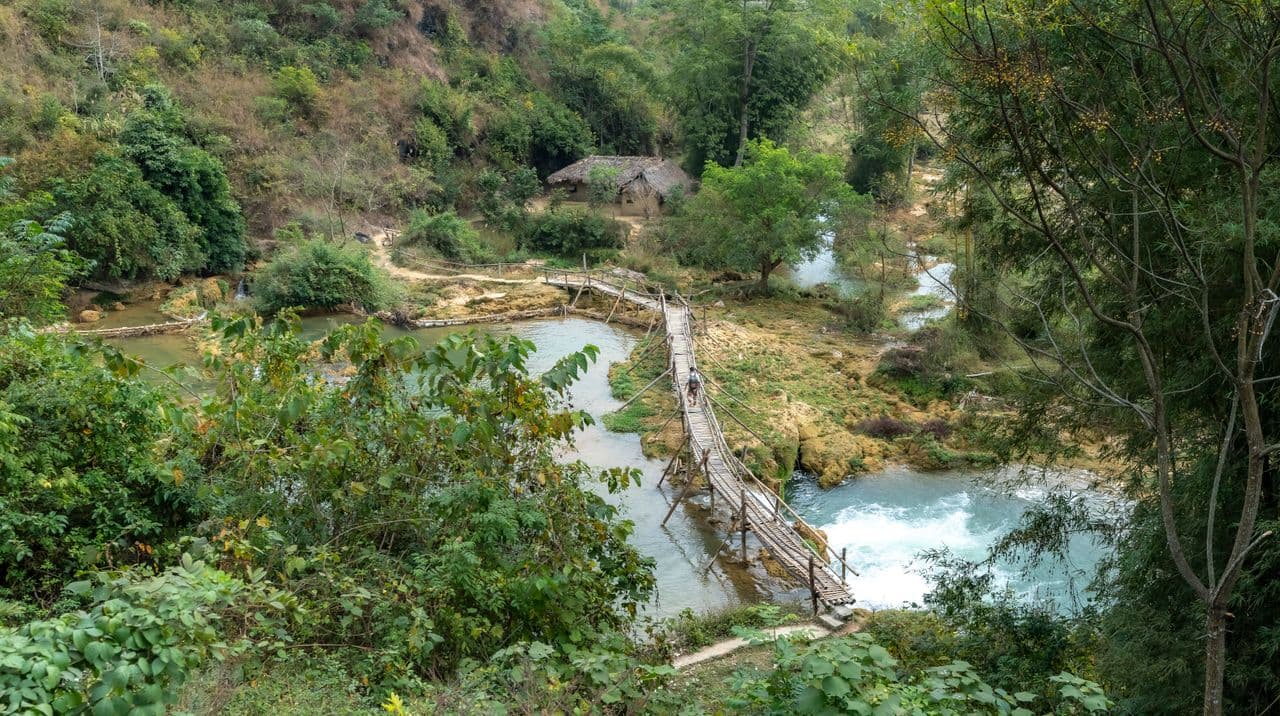
07/07/2026 · 15 minutes
Off the Beaten Path in Vietnam: Hidden Gems for Slow Travelers
Beyond Hanoi, Halong and Hoi An — the far-northern mountains, hidden caves, quiet islands and Mekong backwaters where the real, slow Vietnam appears.
20/06/2026 · 15 minutes
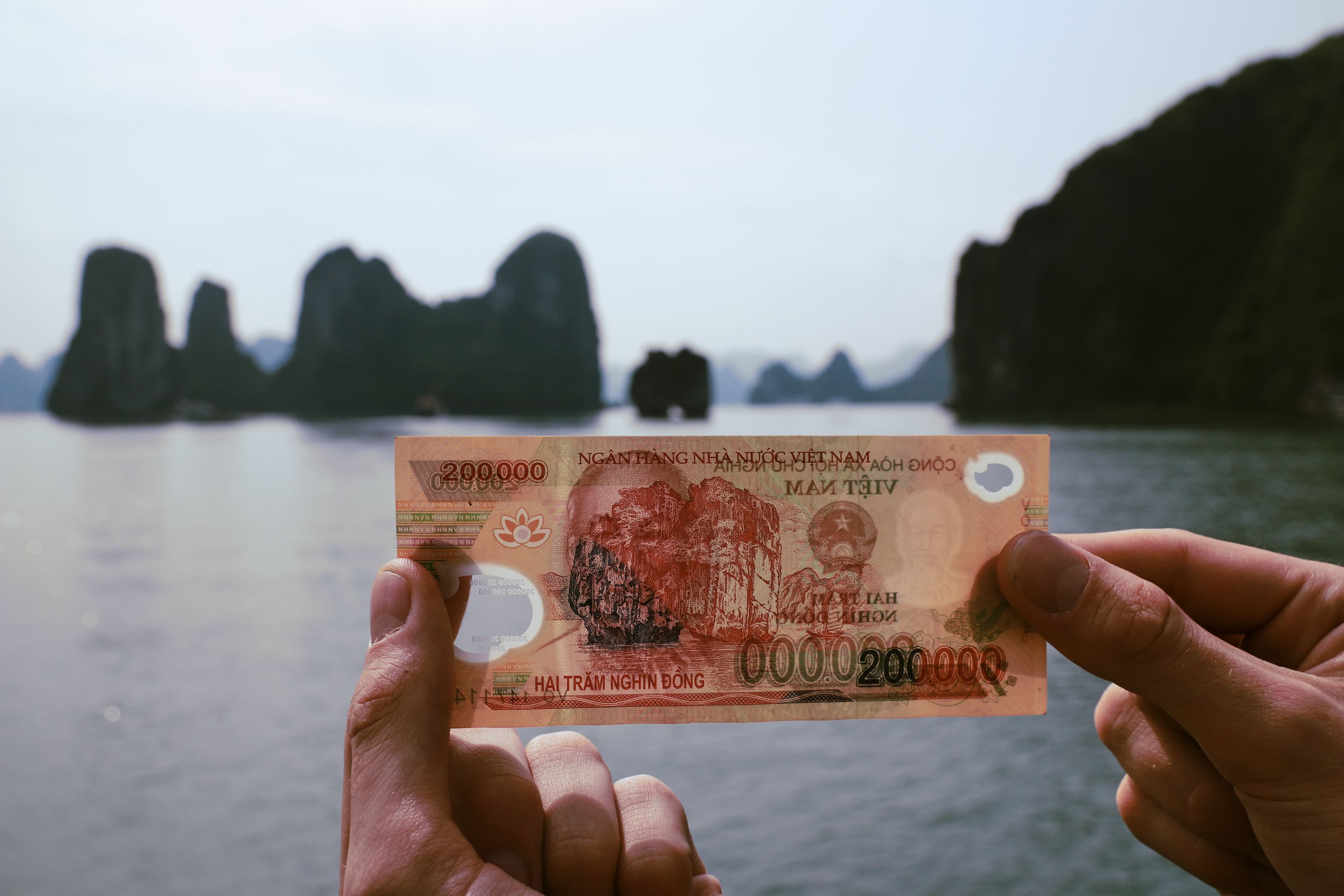
How Much Does It Cost to Travel Vietnam in 2026? A Complete Budgeting Guide
A clear, value-first breakdown of what a Vietnam trip really costs in 2026 — daily budgets, food, stays, transport and three fully costed two-week plans.
30/05/2026 · 15 minutes
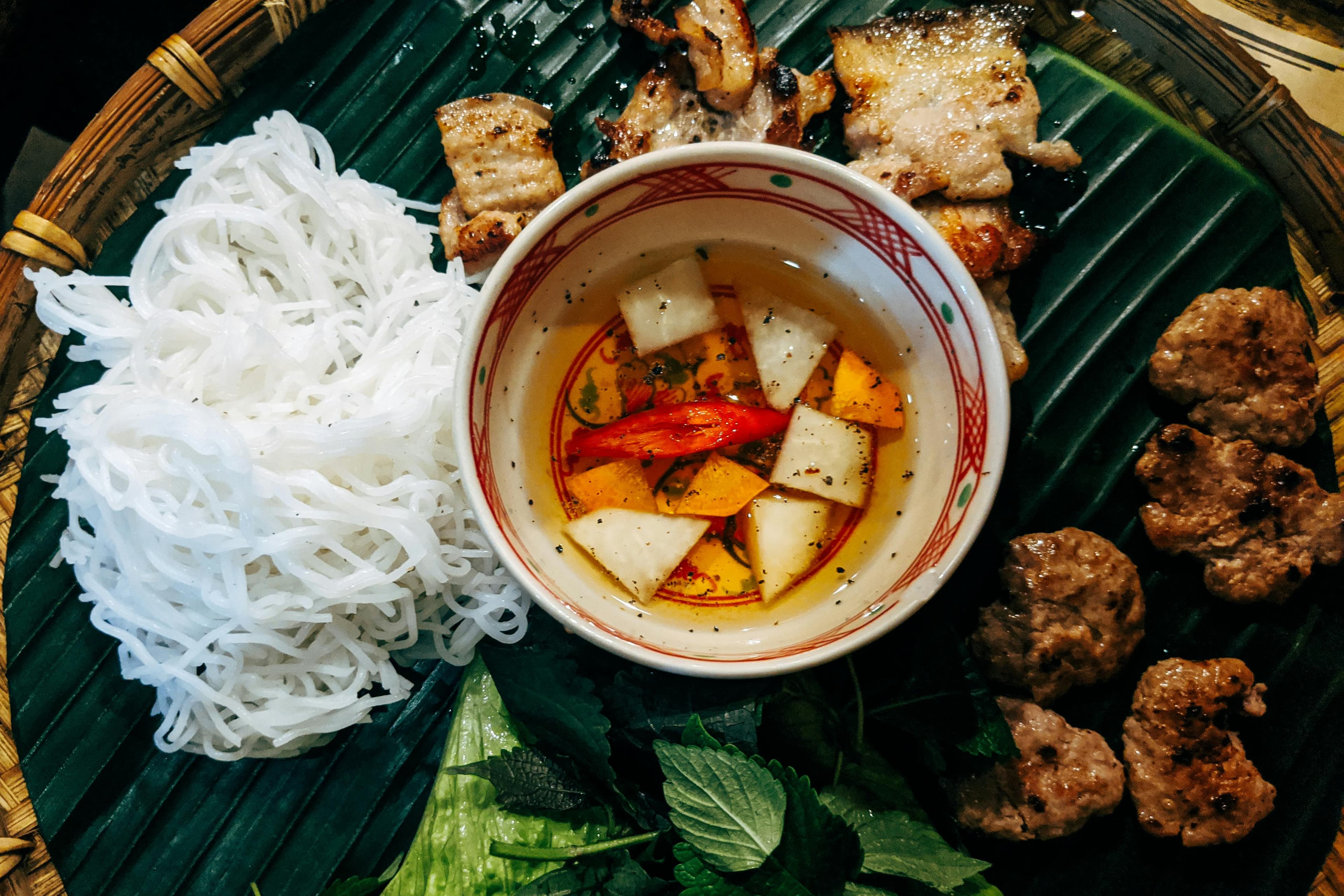
The Ultimate Guide to Vietnamese Food in 2026: Street Food, Michelin Stars & Culinary Trends
Vietnam is one of the world's top food destinations in 2026. From Taste Atlas-ranked street dishes to Michelin-starred dining rooms, here's the complete food guide.
The guides are designed to support understanding, not to prescribe standardized travel paths.
View All Travel GuidesOn the Ground in Vietnam
On the Ground provides a more dynamic perspective on Vietnam, highlighting evolving destinations, regional focuses and local realities. These articles reflect what is happening across the country, offering a more immediate and contextual understanding of the travel environment. This section complements the travel guides by providing a more immediate and evolving perspective of the destination.
 Travel Tips
26/10/2026
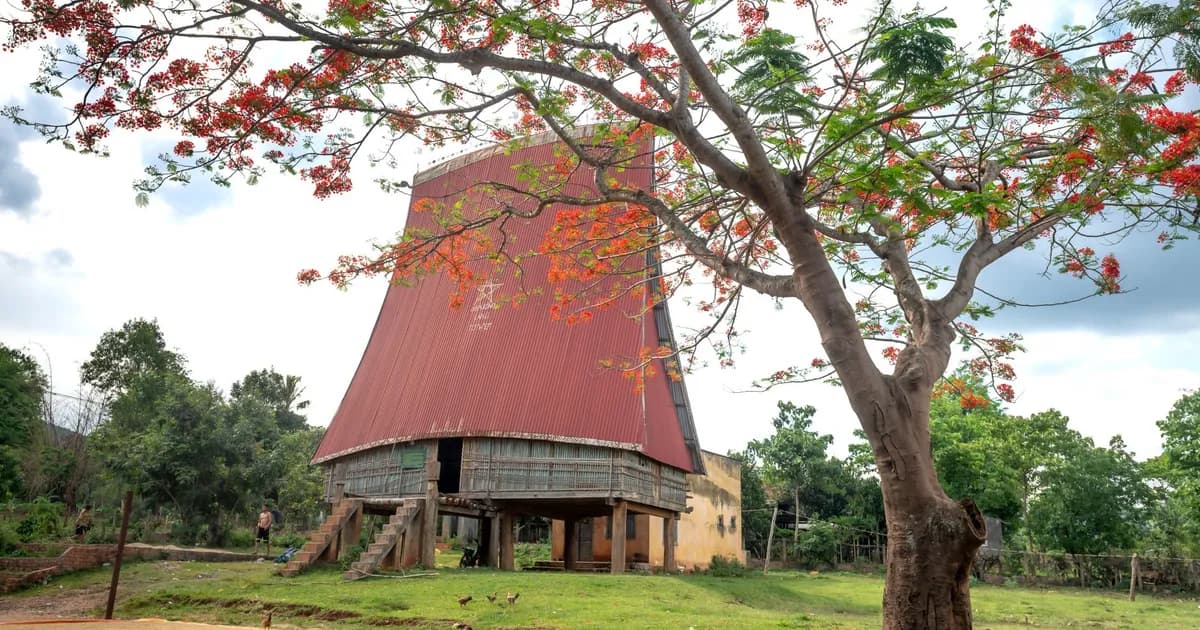
How to Stay in a Vietnamese Homestay: Booking, Costs and Etiquette
Homestays are the best value in Vietnamese travel and the easiest to get wrong. Here is how to book one, behave well, and know what you are paying for exactly.
 Practical Updates
22/10/2026
Vietnam's Cashless Shift in 2026: How QR Payments Work for Foreign Travellers
Vietnam has gone cashless fast. How QR payments actually work for foreign visitors in 2026, and what still needs cash.
 Practical Updates
21/10/2026
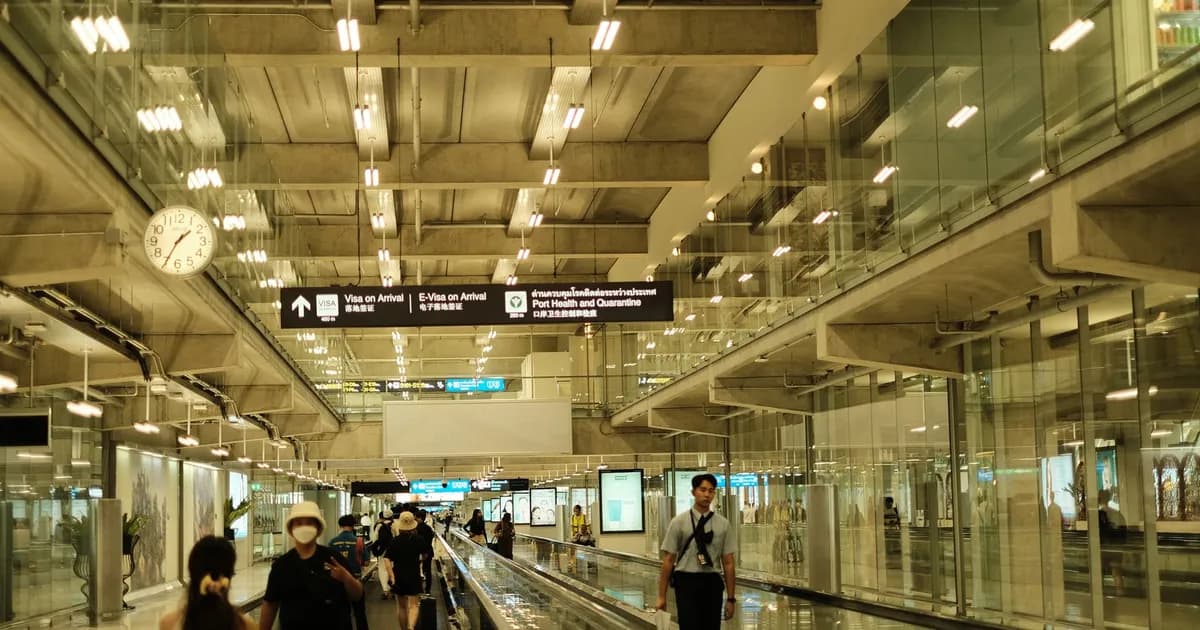
Vietnam's Digital Arrival Card: What to Do Before You Land
Vietnam's Digital Pre-Arrival Form is now mandatory at Ho Chi Minh City's Tân Sơn Nhất Airport. Here's what to complete before you board.
Slow Travel Agencies in Vietnam
The agencies working in Vietnam range from northern mountain specialists to central-heritage operators and Mekong Delta guides. Knowing what each does best is the key to a trip that fits — and UNRUSH organises them by focus and approach so the right match is easier to find.
Explore All Slow Travel Agencies in VietnamGet matched with up to 5 trusted Vietnam agencies
Describe your trip once. Receive tailored proposals from up to five vetted travel agencies — and choose the one that fits you best.
- Free
- No obligation
- Up to 5 agencies
Plan Your Journey to Vietnam
A good Vietnam trip depends on a few early decisions: which regions, which season, and how far to travel. Get those right and the rest of the planning falls into place.
Request a Travel ProposalThe goal is not more options — it is the right ones for your trip.
Start With the Shape of the Trip
UNRUSH helps you frame a coherent journey rather than a package — north, centre or south, mountains or delta — and then connects you with agencies suited to that shape.
Matched to the Right Local Agencies
A short questionnaire captures what matters for your trip:
- destinations and regions
- travel duration
- budget and preferences
- type of experience
Proposals That Actually Fit
Agencies respond with plans built around your regions, dates and pace — not generic brochures — so it is easier to picture the trip you would actually take.
Slow Traveling in Vietnam: A Closer Look

Vietnam looks compact on a map but travels long. Its S-shape stretches over 1,600 kilometres, and the north, centre and south are almost separate countries in climate, food and pace. The north around Hanoi is cool and mountainous, with Halong Bay and the terraced hills of Sapa; the centre holds imperial Hue, the old trading port of Hoi An and the vast Phong Nha caves; the south is hot and tropical, from Ho Chi Minh City out into the Mekong Delta.
Those differences change how a trip should be planned. The north rewards mountain trekking and slow bays; the centre is about heritage towns and coastline; the delta is about rivers, markets and orchards. Try to do all three in a single fast loop and the trip becomes a blur of flights and night trains — coverage at the expense of actually being anywhere.
A slower plan works the other way around. Instead of sprinting the length of the country, it picks one or two regions that fit the season and gives each real time. Timing matters a lot here: the north has a cool winter and hot summer, the central coast has a rainy, storm-prone autumn, and the south stays tropical year-round, so the right month depends entirely on the route.
The hardest part to plan from abroad is the regional detail — when the north is clear enough for Halong Bay, which stretch of coast avoids the rains, how to reach the highlands and minority communities respectfully. Agencies based in Vietnam carry that knowledge from experience, but their quality and focus vary widely, and they are hard to tell apart from a website alone.
This is where UNRUSH helps. Rather than listing operators at random, it organises agencies by how they work and where they specialise, so travellers can find a partner suited to the trip they want — a northern mountains specialist, a central-heritage operator, or a Mekong Delta guide. The aim is not to simplify Vietnam, but to make its depth easier to navigate.