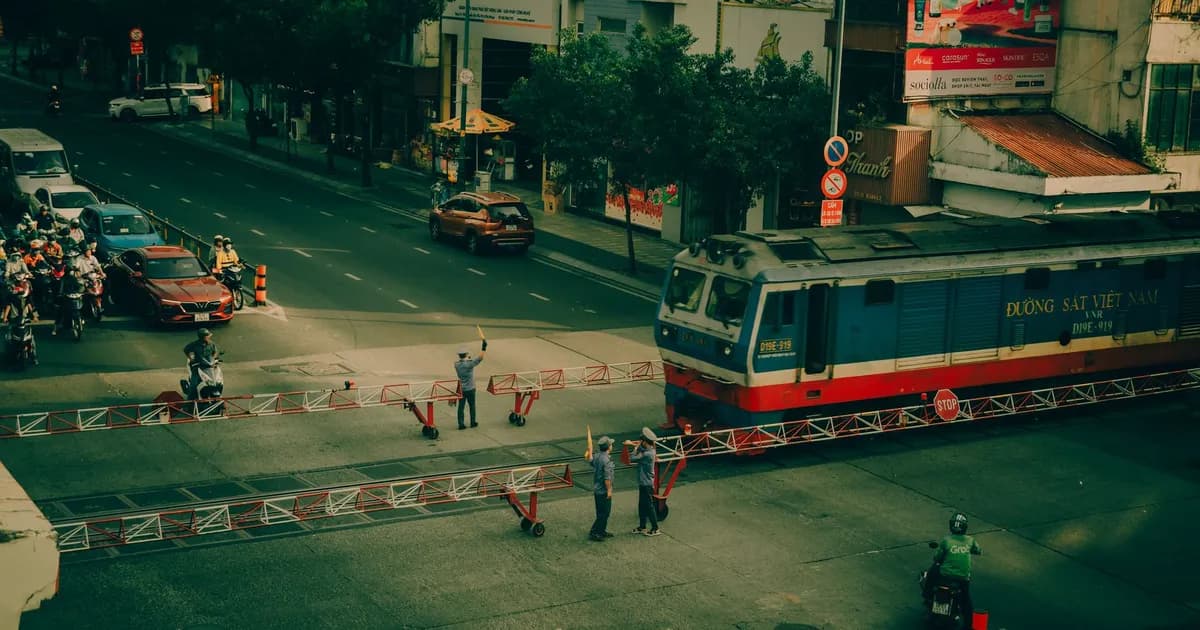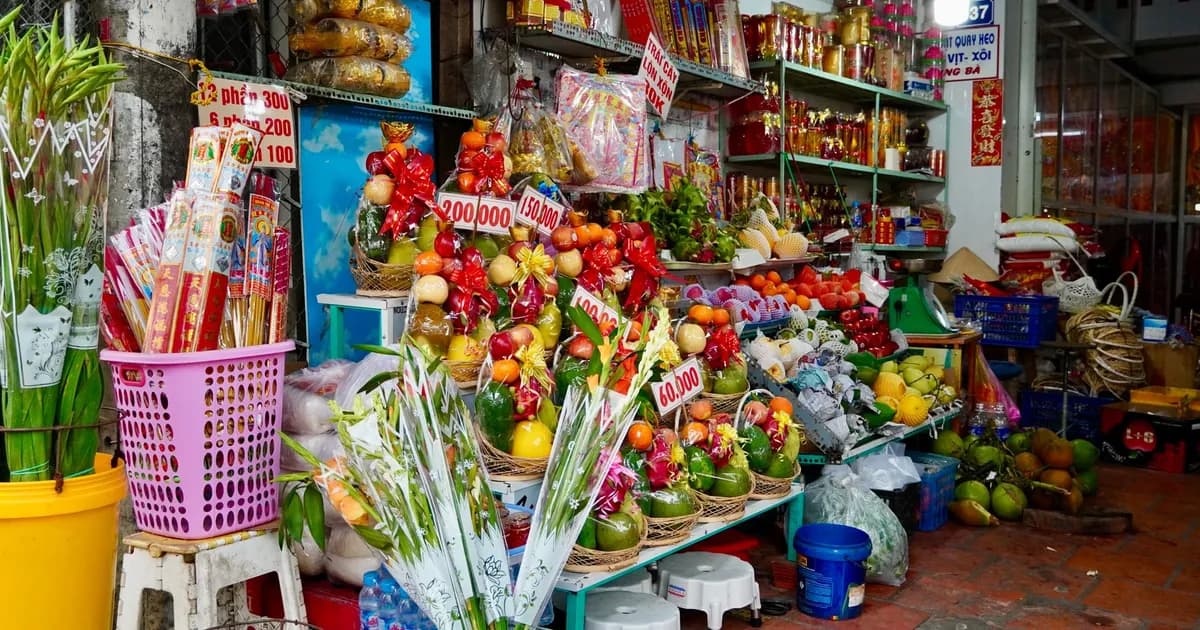
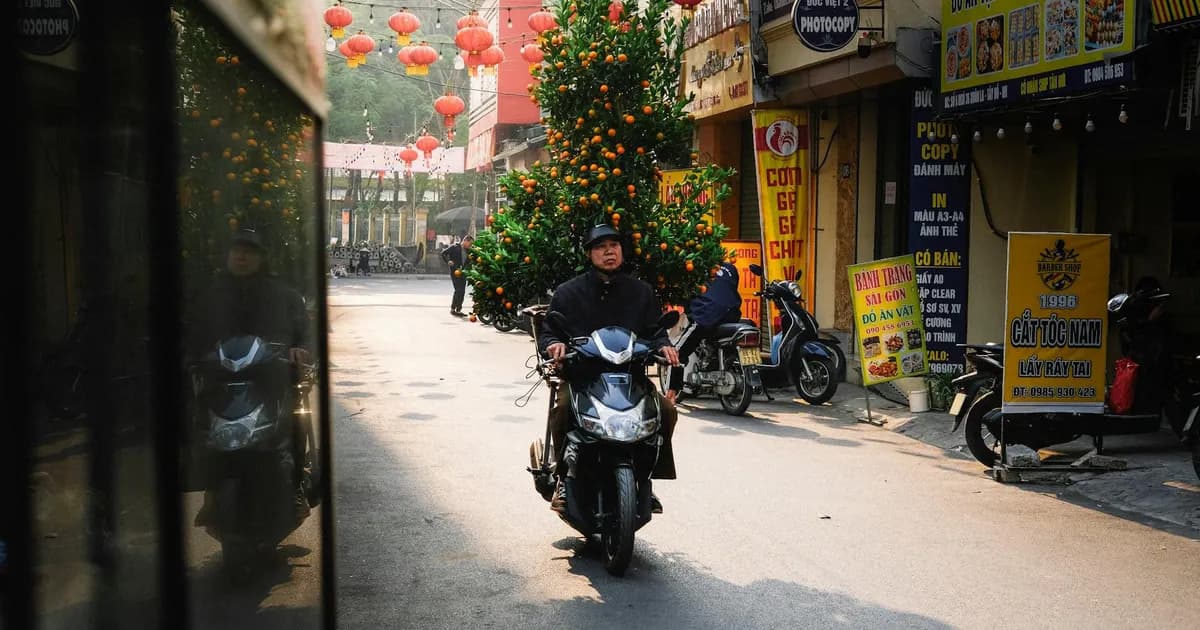

Vietnam does not pause gently for its holidays. It stops — then surges — in ways that can strand travelers mid-itinerary, strand visa applications mid-process, and strand you in a neighborhood where every café has been dark for three days. The good news: the calendar is predictable, the patterns repeat, and with the right preparation you can either sidestep the disruption entirely or turn it into the most memorable part of your trip. This guide gives you the 2026 holiday dates, realistic closure windows, booking deadlines, and a clear decision framework: avoid or embrace. Read it before you book anything.
The 2026 Holiday Calendar: Dates and Real Closure Windows
Vietnam has seven official public holidays. In 2026, weekend-alignment rules and government-approved make-up days stretch these into 26 total days off — a figure that surprises most first-time visitors.
Here are the dates that matter for travel planning:
- New Year's Day — 1 January, with 4 days off in 2026 due to calendar alignment. Government offices and banks close; most tourist-facing services in cities stay partially open.
- Tết (Lunar New Year) — 16–24 February 2026, officially 9 consecutive days off. The real disruption window is wider: roughly 14–25 February.
- Hùng Kings' Commemoration — 26–27 April 2026 (2 days off). Modest closures; offices and banks shut, most restaurants stay open.
- Reunification Day + Labour Day — 30 April + 1 May, bundled into 4 days off in 2026. Major domestic travel spike to coastal and highland destinations.
- National Day — 29 August–2 September 2026, a 5-day break created by a workday swap. One of the busiest domestic travel periods of the year.
- Vietnam Cultural Day — 24 November, 1 day off. Minimal travel impact beyond government office closures.
When a public holiday falls on a weekend, Vietnamese workers receive a compensatory weekday off — which is how a single holiday becomes a four- or five-day block.
One request. Up to five tailored proposals.
Skip contacting agencies one by one — share your trip once and let up to five trusted Vietnam agencies come to you. Free, with no obligation.
Get my free quotesWhat Tết Actually Closes (and for How Long)
Tết is in a different category from every other holiday. It is the largest internal migration event of the year, and its disruption is not just official — it is cultural and logistical at every level.
The real closure window
The official 2026 Tết holiday runs 16–24 February. In practice, treat 14–25 February as the high-impact window. Vietnam's national tourism authority notes that while the public holiday is about a week, celebrations and their effects stretch considerably longer. Tết Eve through the third day of the lunar new year is the core shutdown: assume things are closed unless you have confirmed otherwise.
What closes
Government and immigration:
- All government offices, immigration counters, visa offices, and most embassies close for the full official Tết period.
- Visa processing pauses. Extensions, e-visa applications, and document legalization all stop. Do not schedule anything time-sensitive in this window.
Transport:
- Long-distance trains and buses sell out weeks before Tết as millions of Vietnamese travel home, then return. Tickets for popular routes disappear 30–60 days out.
- Ride-hailing apps (Grab and equivalents) see surges and scarcity on Tết Eve and the first day. Pre-book airport transfers — do not rely on last-minute availability.
Businesses and services:
- Neighborhood cafés, local eateries, and small shops close for several days, sometimes with no notice.
- Hotels operate on reduced staff: slower check-ins, limited housekeeping, fewer services.
- Food delivery apps effectively stop for at least one to two days in most areas.
- ATMs continue working, but refilling can be delayed — withdraw extra cash before Tết Eve.
Attractions:
- Museums and government-managed sites typically close on Tết Day and often the day after.
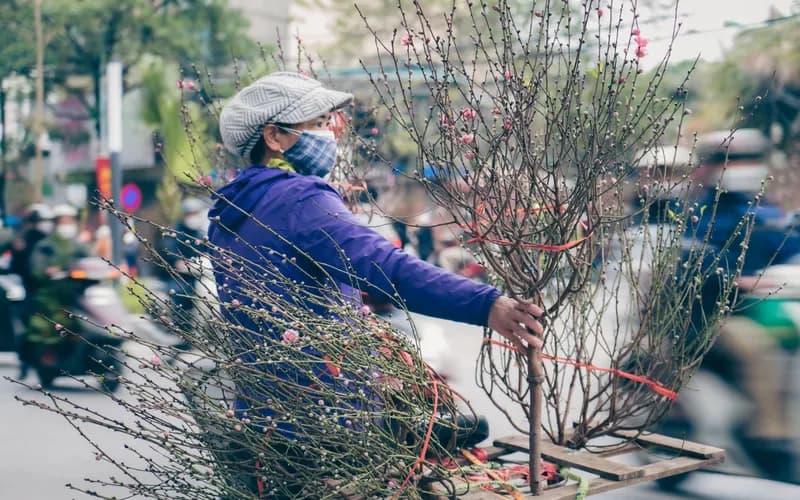
- Decorated walking streets, flower markets, hotel lobbies, and major malls stay active and are often the best places to be.
Pricing during Tết
Expect holiday surcharges of 50–100% on some private services, particularly taxis and informal transport. Some hotels apply Tết-specific rate increases. Confirm totals upfront, use reputable apps and taxi companies, and budget as if Vietnam is no longer cheap during this window — because it isn't.
The Other Blackout Periods: Golden-Week Clusters
Three other holiday clusters reliably produce sold-out transport and elevated prices:
30 April (Reunification Day) + 1 May (Labour Day) This is the second-biggest domestic travel event of the year. Coastal destinations — Da Nang, Nha Trang, Phú Quốc — and highland towns like Đà Lạt and Sapa fill with Vietnamese travelers. In 2026 this is a 4-day block. Trains and flights on popular routes book out weeks in advance.
National Day — 29 August–2 September 2026 A 5-day break in 2026, created by swapping a Monday workday. Beaches and national parks are crowded; bus stations and airports in Hanoi and Ho Chi Minh City are congested. Government offices are closed throughout.
Hùng Kings' Commemoration — 26–27 April 2026 Shorter and less chaotic than the above two, but transport is noticeably busier when it falls near a weekend. Worth noting if your itinerary involves northern Vietnam, where the holiday has deeper cultural resonance.
For all three clusters: if your dates are fixed, stay in one base rather than attempting multi-city movement. The return surge after each long weekend is as disruptive as the outbound one.
Get matched with up to 5 trusted Vietnam agencies
- Free
- No obligation
- Up to 5 agencies
Booking Windows: When to Act
These are the deadlines that matter. Missing them is the most common and most avoidable mistake.
Domestic flights and long-distance trains:
- Tết window (roughly 14–25 February): book 6–8 weeks in advance, ideally as soon as tickets open (typically 60 days out for trains).
- 30 April/1 May and National Day clusters: book 4–6 weeks in advance.
- For the post-holiday return leg, apply the same window — the return surge is as severe as the outbound.
Accommodation:
- For Tết Eve and the first two days of the new year, book as early as your flights — especially in Hanoi, Ho Chi Minh City, Hội An, Da Nang, and beach resorts.
- Check whether your hotel applies mandatory holiday dinners or Tết surcharges before confirming.
Visa and immigration:
- Do not schedule visa extensions, embassy appointments, or immigration visits in the week around Tết or during major holiday clusters. Government offices close on all official public holidays and backlogs build in the days before and after.
- When applying from abroad, build in extra days around Vietnamese public holidays to account for consulate closures.
Practical supplies:
- Stock 48 hours of essentials — water, food, toiletries, a charged power bank — before Tết Eve. Delivery services stop. Nearby shops may be dark.
Avoid or Embrace: A Decision Framework
Neither choice is wrong. They require different preparation.
If you want to avoid disruption:
- Keep your itinerary clear of the 14–25 February window entirely.
- Avoid the 30 April/1 May and National Day clusters if your trip involves multi-city movement or visa work.
- If your dates are fixed and overlap with a holiday cluster, base yourself in one city and do not plan inter-city travel during the peak days.
- Complete any visa extensions or immigration appointments at least two weeks before a major holiday.
If you want to embrace the holidays:
- Base yourself in Hanoi, Ho Chi Minh City, Hội An, or Da Nang — these cities retain the most tourist infrastructure during Tết.
- Plan for atmosphere, not attractions: flower markets, decorated streets, public performances, and the rare quiet of a city that has briefly exhaled.
- Pre-book your airport transfer, confirm hotel services and surcharges, and stock your essentials before Tết Eve.
- Accept that some cafés and museums will be closed. That is part of what you came to see.
- Wait to be invited to a family celebration — Tết is a homecoming, not a public festival designed for visitors. If an invitation comes, bring fruit or chocolates and receive it as the privilege it is.
What to Do Next
- Check your travel dates against the 2026 calendar now. The highest-risk windows are 14–25 February, 28 April–4 May, and 28 August–3 September.
- Book transport first. Domestic flights and trains for Tết and the 30 April/1 May cluster sell out fastest. Act 6–8 weeks out.
- Resolve any visa or immigration needs before the blackout windows. Government offices close completely on public holidays, with no exceptions.
- Decide: avoid or embrace. Both are valid. Neither works without preparation.
- If you're staying through Tết, stock essentials before Tết Eve and pre-book your airport transfer. Do not assume delivery apps or ride-hailing will cover you on the first day.
- Adjust your budget. Holiday surcharges on transport and accommodation are real. Price your trip as if Vietnam is a mid-range destination during these windows, not a budget one.
Frequently Asked Questions
Should I avoid Vietnam entirely during Tết?
Not necessarily — but you should avoid it if you need normal services, multi-city movement, or visa work. If you can base yourself in one city, accept reduced services, and engage with the holiday on its own terms, Tết can be genuinely extraordinary. The decision depends on what kind of trip you're planning, not on a blanket rule.
When exactly is Tết in 2026?
The official public holiday runs 16–24 February 2026 — nine consecutive days. The practical disruption window is wider: treat 14–25 February as the period when services are unreliable, transport is chaotic, and government offices are closed.
Will my visa application be delayed by Tết?
Yes, if it falls within the official holiday window. All government offices, immigration counters, and most embassies close for the full Tết period. E-visa processing also pauses. Submit applications at least two weeks before the holiday window begins, or plan to wait until offices reopen — with the understanding that backlogs may add further delays.
How far in advance should I book trains and flights around Tết?
For popular routes, 6–8 weeks is the safe window. Tickets for long-distance trains open roughly 60 days in advance, and they move quickly once released. The same applies to the return leg after Tết — the post-holiday surge is as severe as the outbound one.
Which destinations stay open during Tết?
Major tourist hubs — Hanoi's Old Quarter, Ho Chi Minh City's District 1, Hội An, Da Nang — retain more open services than residential neighborhoods, because businesses there cater to foreign visitors year-round. Large hotels, malls, and decorated public areas stay active. Neighborhood cafés, local eateries, and smaller attractions often do not.
Are the other long weekends as disruptive as Tết?
Not quite, but the 30 April/1 May cluster and the National Day break in late August/early September come close in terms of transport congestion and accommodation pressure. Government offices close on the official days. The key difference: private businesses and restaurants largely stay open during these periods, so daily life continues more normally than during Tết.
What should I do if I get sick during Tết?
Large private hospitals in Hanoi and Ho Chi Minh City keep emergency departments open throughout Tết. Smaller clinics may close or run skeleton crews. If you have a pre-existing condition or are traveling with children, identify the nearest major private hospital before the holiday begins, and do not schedule elective procedures or non-urgent medical appointments during the Tết window.