
Latest Vietnam Travel Tips for 2026: Visas, Top Destinations, and What's Trending
Vietnam in 2026 is as accessible as it's ever been — and arguably more interesting. Whether you're planning a first visit or returning to a country you already love, the landscape has shifted in ways that reward well-prepared travelers. From streamlined entry requirements to a new generation of immersive experiences, here's everything worth knowing before you go.
Getting in: visas made simple
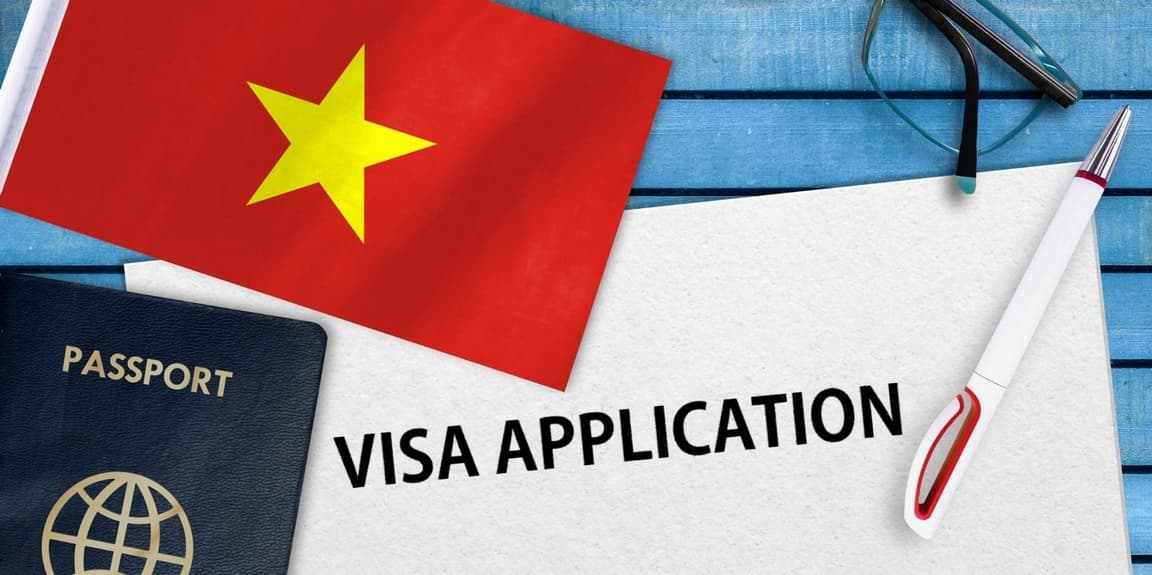
Entry to Vietnam has never been more straightforward. The country now issues e-visas to citizens of every country in the world, granting a 90-day stay with multiple entries. Apply online before you travel, receive your visa digitally, and you're done — no embassy queues, no consular appointments, no fuss.
Visa-free access has also expanded significantly. Citizens of 13 countries — including France, Germany, Italy, Japan, South Korea, and the United Kingdom — now enjoy 45-day entry with no visa required at all. Southeast Asian travelers from Singapore, Thailand, Malaysia, Indonesia, Cambodia, and Laos can stay up to 30 days visa-free, while Philippine nationals receive 21 days.
If you're flying into Ho Chi Minh City from April 15, 2026 onward, visa-holding travelers must complete a Digital Pre-Arrival Form online within 72 hours of their flight and present a QR code at immigration. Complete this step before boarding and arrival will be smooth. All travelers must carry a passport valid for at least six months from entry date. For the full breakdown of every category and edge case, see our complete guide to Vietnam's 2026 visa and immigration rules.
One request. Up to five tailored proposals.
Skip contacting agencies one by one — share your trip once and let up to five trusted Vietnam agencies come to you. Free, with no obligation.
Get my free quotesWhere to go: destinations worth your time
Vietnam's geography is extraordinarily generous: over 3,000 kilometers of coastline, ancient walled cities, highland mountains, and river deltas that seem to stretch to the horizon. Ho Chi Minh City is the pulsing commercial heart — overwhelming at first, deeply addictive once you settle in. Markets, rooftop bars, street food that would make a professional chef stop and stare, and a layered history that rewards curiosity. Hanoi, the capital, offers a different energy: cooler, more reserved, more atmospheric — with an Old Quarter that rewards slow walking and spontaneous detours.
Da Nang is having a particularly strong 2026. The city is executing a bold quality-first tourism strategy and offers direct flights from Osaka, Dubai, and Yangon. It's the gateway to Hoi An — the lantern-lit ancient trading town that remains one of Southeast Asia's most enchanting places — as well as to My Son Sanctuary and the biosphere island of Cu Lao Cham. For beach lovers, Da Nang's stretches of white sand rank among the best in Asia. Further south, Phu Quoc Island is gaining serious momentum, especially with South Korean travelers who've discovered its blend of natural beauty and increasingly upscale hospitality.
What's trending: depth, luxury, and night experiences
The most significant shift in Vietnam's travel culture for 2026 is a move toward depth over breadth. Travelers are building itineraries around experiences rather than sights: private textile workshops in Hoi An, farm-to-table culinary retreats in the Central Highlands, remote river expeditions through the Mekong Delta, and lantern-lit storytelling sessions in ancient temples.
Night tourism is emerging as a genuine frontier. Bioluminescent kayaking in Halong Bay has become one of the country's most talked-about experiences, alongside after-hours floating markets drifting through the Mekong. These aren't tourist gimmicks — they're genuinely rare encounters that happen to be in Vietnam. Food travelers have separate reason for excitement: the Michelin Guide is expected to announce its recognized Vietnamese restaurants in June 2026, shining a global spotlight on a culinary tradition that has long deserved broader international recognition.
Get matched with up to 5 trusted Vietnam agencies
- Free
- No obligation
- Up to 5 agencies
Practical notes
Vietnamese Tet (Lunar New Year) falls February 14–22, 2026. If you're traveling around this time, book everything early — transport, accommodation, and e-visas alike, as processing times can slow down during the holiday period. Many local businesses close temporarily, though major tourist areas remain largely active. Traffic in Hoi An now moves at 30 kph on main roads by regulation — a welcome improvement that makes the town's historic streets safer and more pleasant for everyone. Vietnam maintains no vaccination requirements and no COVID-related entry restrictions. It is, in short, as open as it has been in years, and ready to make a strong impression on anyone who shows up willing to look beyond the surface. Start planning your Vietnam journey.
Frequently Asked Questions
Do I need a visa to visit Vietnam in 2026? It depends on your nationality. Citizens of 13 countries — including France, Germany, the UK, Japan, and South Korea — can enter visa-free for 45 days. For everyone else, Vietnam's e-visa is available to all nationalities worldwide and grants a 90-day multiple-entry stay, applied for entirely online.
What is the best time of year to visit Vietnam? Vietnam spans a vast latitude, so timing depends on your destination. February to April is generally excellent across most of the country. The Central Coast (Da Nang, Hoi An) shines from March to August. North Vietnam — Hanoi and Halong Bay — is at its best in autumn, from September through November.
What is the Digital Pre-Arrival Form and do I need to complete it? From April 15, 2026, visa-holding travelers arriving at Tan Son Nhat Airport in Ho Chi Minh City must complete an online pre-arrival form within 72 hours of their flight and show a QR code at immigration. It takes just a few minutes online and is mandatory — complete it before you board.
What are the top luxury travel experiences in Vietnam in 2026? Highlights include bioluminescent kayaking in Halong Bay, private culinary retreats in the Central Highlands, after-hours floating markets in the Mekong Delta, lantern-lit temple storytelling in Hoi An, and a unique tea ceremony at Ban Co Peak in Da Nang. Vietnam's luxury offering in 2026 is firmly experiential rather than purely resort-based.
Is Hoi An worth visiting? Absolutely. Hoi An is one of Southeast Asia's most atmospheric destinations — a UNESCO-listed ancient trading port with candlelit streets, riverside lanterns, artisan tailors, and some of the country's best food. Da Nang is just 30 minutes away and makes an excellent base for exploring the whole region.
When is Tet and how does it affect travel planning? Vietnam's Lunar New Year (Tet) falls February 14–22, 2026. It's a beautiful time to experience Vietnamese culture firsthand, but requires advance planning: book flights, accommodation, and e-visas early, as domestic transport fills quickly and processing times can be slower during the holiday.
What is the Michelin Guide doing in Vietnam? The Michelin Guide is expected to announce its recognized Vietnamese restaurants in June 2026 — a milestone moment for Vietnamese food culture internationally. Food travelers should watch for the announcement and plan itineraries around standout restaurants, particularly in Ho Chi Minh City and Hanoi.