

Most travelers arriving in Laos in 2026 will pay somewhere between USD 30 and 50 for entry, but the exact figure depends heavily on nationality, entry point, and whether you apply online or in person. The rules have not changed dramatically in the past year, but fees, processing times, and which border crossings actually accept which visa type are exactly the kind of detail that trips people up. Here is where things actually stand.
The Two Options: e-Visa and Visa on Arrival
Laos offers two main routes for short-term tourist entry: an e-visa applied for online before departure, and a visa on arrival available at major airports and most, but not all, land border crossings. Both typically grant a 30-day stay and are aimed at the same traveler, the difference is mainly about when and how you pay, and how much friction you are willing to tolerate at the border itself.
The e-visa is processed through the official government portal, with typical processing times of around three business days. It is generally issued with 60 days of validity from approval, within which you must enter the country, but the stay itself is still capped at 30 continuous days from your entry date. Visa on arrival, by contrast, is issued on the spot but requires cash payment, a passport photo, and a completed arrival form, which can mean a slower queue at busier crossings.
One request. Up to five tailored proposals.
Skip contacting agencies one by one — share your trip once and let up to five trusted Laos agencies come to you. Free, with no obligation.
Get my free quotesWhat It Actually Costs by Nationality
Fees vary by passport, and the differences are not trivial. As a general guide for 2026: US citizens typically pay around USD 35, UK citizens around USD 30, and most EU nationalities around USD 35. Citizens of China and Vietnam are generally charged around USD 35 as well, while many other nationalities fall into a higher bracket, often around USD 50. These figures apply to both the e-visa and visa on arrival in most cases, though the e-visa sometimes carries a modest additional processing fee on top of the base consular charge.
Given how often these figures shift, checking the official fee calculator before departure is worth the two minutes it takes, since paying the wrong amount in cash at a land border, where change is not always readily available, is a common source of delay.
Where Visa on Arrival Does and Does Not Work
Visa on arrival is available at Vientiane's Wattay International Airport, Luang Prabang International Airport, and most major land crossings, including the Friendship Bridges from Thailand. It is not universally available at every minor border post, particularly smaller crossings from Vietnam and China, so travelers planning to enter Laos overland at a less common crossing should confirm in advance or arrange an e-visa before departure rather than assume the option will be there.

This matters more than it might seem: arriving at a small crossing without the correct visa arranged in advance can mean being turned back or facing a long delay while officials sort out an ad hoc solution, neither of which fits comfortably into a slow travel itinerary that has already been planned around a specific arrival date.
Get matched with up to 5 trusted Laos agencies
- Free
- No obligation
- Up to 5 agencies
Overtime and After-Hours Fees
A detail that catches out travelers arriving on late flights or through less busy crossings: visa on arrival outside standard office hours can incur an additional overtime fee, typically in the range of USD 4 to 6 or the local kip equivalent. It is a minor cost but worth having small denominations ready for, since border posts are not always able to make change for larger notes.
Extensions: What Happens If You Want to Stay Longer
The standard 30-day stay can be extended at immigration offices in Vientiane, Luang Prabang, and other provincial capitals, generally twice, for 30 additional days each, bringing a maximum total stay to around 90 days. Extension costs are charged per day, typically around USD 2 per day beyond the initial 30, and processing usually takes a few business days, so travelers hoping to extend should apply before their current visa expires rather than waiting until the last moment. Overstaying without an approved extension results in a per-day fine collected on departure, along with potential complications for future entry.
How This Fits Into Planning a Laos Trip
For travelers building a longer itinerary, one that moves through Luang Prabang, north to the Nam Ou valley, and onward, the 30-day standard stay is generally sufficient, but it is worth mapping your rough itinerary against the visa validity window before booking non-refundable transport or accommodation. UNRUSH's guide to trip cost and budgeting in Laos is a useful companion for factoring visa fees into an overall trip budget alongside accommodation, transport, and food costs, since the visa fee itself is a small but easily overlooked line item.
If your plans include arriving via one of the newer international rail connections rather than by air, note that visa requirements do not change based on the entry method: a same-day round trip on the China-Laos rail link still requires either a valid e-visa or the ability to obtain a visa on arrival at the relevant crossing point, and this should be arranged before travel rather than assumed on the day.
Land Crossings, the Railway, and Visa Logistics
Overland arrivals from Thailand, Vietnam, and China each have slightly different practical realities worth understanding before you plan your route. The Friendship Bridges from Thailand are the most straightforward, with visa on arrival reliably staffed and used to processing high volumes of foreign travelers daily. Crossings from Vietnam, by contrast, are more variable: some handle visa on arrival routinely, while smaller posts further from the main highway corridors may not, and confirming with a local operator or an updated source before you travel saves a wasted trip to a checkpoint that turns you back.
The Laos-China Railway adds a newer variable to plan around. Travelers crossing overland from Mohan into Boten as part of a rail journey should not assume the border post there operates identically to a traditional land crossing; immigration formalities happen as part of the mandatory stop where passengers disembark with luggage to clear customs, and having your visa arranged before boarding avoids being the one passenger holding up the platform while officials sort out an unexpected case. If you are still mapping out how a Laos itinerary fits together, whether by rail, road, or river, UNRUSH's plan your journey page for Laos is a useful starting point for sequencing entry points against the rest of your route.
Currency, Payment, and Getting It Right at the Border
Visa fees are payable in US dollars at most crossings, though some also accept Lao kip or Thai baht at a less favorable exchange rate. Notes should be relatively clean and undamaged; older or visibly worn USD bills are sometimes refused outright, a detail that catches out travelers who assume any US currency will do. Card payment is essentially never available at the border itself, so arriving without sufficient cash in the right denominations is one of the more avoidable ways to have your entry delayed at a checkpoint that has little patience for improvisation.
For travelers on a tightly organized itinerary, particularly those combining Laos with onward travel into Vietnam, Cambodia, or China, arranging visa support and border logistics through a local specialist removes a layer of uncertainty. UNRUSH's directory of Laos travel agencies is worth browsing if you would rather have someone confirm current requirements for your specific crossing point rather than relying on forum posts that may be a year or two out of date by the time you actually travel.
Group Travel, Families, and Processing Time
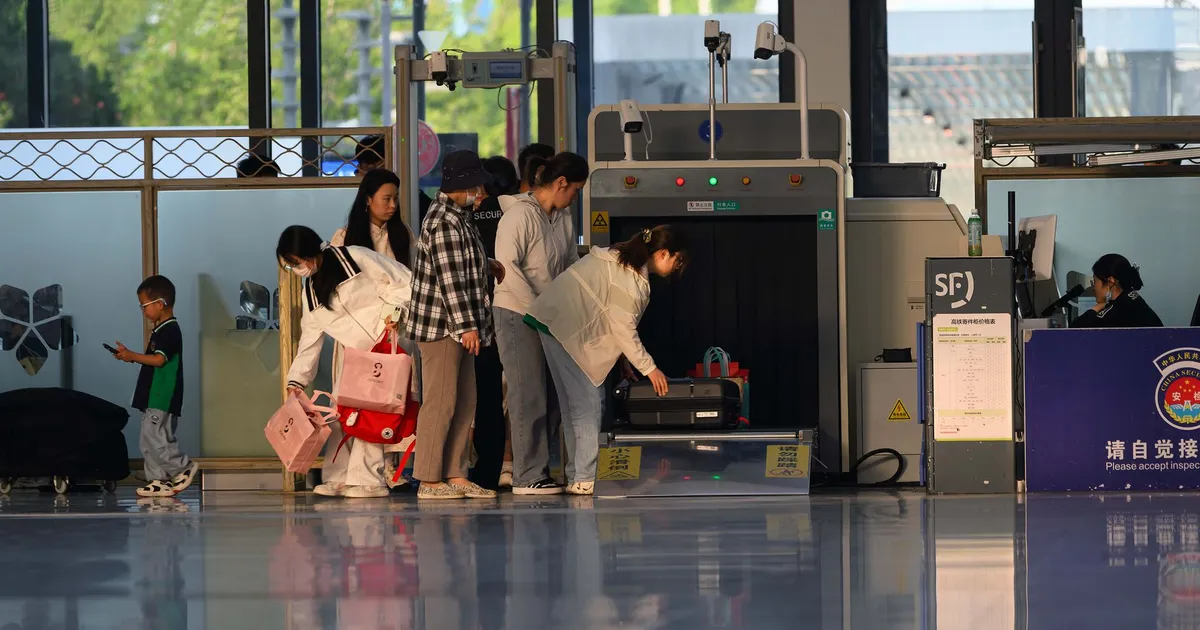
Visa processing at busier crossings, particularly Vientiane's Wattay Airport and the Friendship Bridge from Nong Khai, can slow considerably during peak arrival windows, when several flights or bus groups land within the same hour. Families and groups traveling together should expect the visa-on-arrival queue to take anywhere from twenty minutes to well over an hour in the worst case, and building that buffer into an onward connection, a domestic flight or a pre-booked transfer, avoids the kind of scramble that puts a damper on the first day of a trip. Applying for e-visas in advance for the whole group removes this variable almost entirely, since the arrival lane for pre-approved e-visa holders typically moves considerably faster than the cash-and-form queue for visa on arrival.
Each traveler, including children, needs their own visa and their own passport photo where required; a family cannot generally be processed under a single application. Checking each passport's remaining validity is also worth doing well before departure, since Laos, like most countries in the region, expects at least six months of validity beyond your planned entry date, and this is checked more consistently at land crossings than travelers sometimes expect.
What to Do Next
- Check the official Laos e-visa fee calculator for your specific nationality before booking flights, since fees vary and change periodically.
- Apply for the e-visa at least a week before departure to allow for standard processing times plus a buffer for any delays.
- If entering overland at a smaller border crossing, confirm in advance that visa on arrival is actually offered there, or secure an e-visa instead.
- Carry small-denomination US dollars for visa fees and any after-hours overtime charges, since land borders do not always have change for larger notes.
- If you anticipate needing more than 30 days, plan your extension visit to an immigration office before your current visa expires, not after.
Frequently Asked Questions
How much does a Laos e-visa cost in 2026?
Fees generally range from about USD 30 to 50 depending on nationality, with most US, UK, and EU citizens paying between USD 30 and 35. Check the official fee calculator for your specific passport before applying.
Is visa on arrival available at every border crossing?
No. It is reliably available at major airports and the main land crossings from Thailand, but not guaranteed at smaller or less-trafficked crossings from Vietnam and China. Confirm in advance or arrange an e-visa if using a minor crossing.
How long does the Laos e-visa take to process?
Typically around three business days, though applying at least a week ahead of travel is a reasonable buffer against unexpected delays.
Can I extend my stay beyond 30 days?
Yes, generally twice for 30 additional days each, at immigration offices in major cities, bringing the maximum stay to around 90 days. Extensions cost roughly USD 2 per day and should be arranged before the current visa expires.
What happens if I overstay my visa?
Overstaying results in a per-day fine collected when you leave the country, and it can complicate future entry applications. It is best avoided by tracking your visa expiry date closely, especially on longer, multi-stop itineraries.
Do I need a physical passport photo for visa on arrival?
Yes, in most cases. Bring at least one passport-sized photo, since not all border posts have photo facilities on site, and being without one can add delay to an already slow queue.
Does the visa cost change if I arrive by the Laos-China Railway instead of by air?
No. Visa requirements and fees are the same regardless of entry method, but you should confirm that your specific rail entry point offers visa on arrival, or arrange an e-visa in advance, since not every crossing point handles walk-up visa issuance.