

Travel to Laos
Slow travel in Laos — the Mekong's most unhurried country, from northern river villages to the southern islands.
Luang Prabang's temples, the karst hills around Vang Vieng, the Bolaven coffee plateau and the 4,000 Islands each move at the pace of the river. Laos rarely rewards rushing.
Understanding Laos as a travel destination
Laos is the only landlocked country in Southeast Asia, a mountainous, forested land threaded from north to south by the Mekong River, which shapes daily life along most of its length.
The north is remote and rugged, with Luang Prabang's temples and river villages reached by slow boat; the centre holds the capital Vientiane and the karst country around Vang Vieng; the south opens into the Bolaven Plateau and the river islands of Si Phan Don.
It moves at an unhurried pace that sets it apart from its busier neighbours, shaped by Theravada Buddhism, a patchwork of ethnic groups, and a light French colonial trace in its towns and coffee.
Seasons matter: the cool, dry months are the easiest for travel and river journeys, while the wet season swells the Mekong and greens the countryside.
Reading these differences — where to go, when, and how much time the river journeys really take — is what lets Laos be experienced on its own terms.
UNRUSH exists to make those choices clearer, helping travellers match the right regions, seasons and local agencies to the trip they actually want.
Ready to travel? Get free quotes from up to 5 Laos agencies
Request free quotesThe Destination
Laos divides into a mountainous north, a river-and-karst centre, and a plateau-and-islands south.
Knowing how they differ is the first step to a trip that follows the river rather than fights it.
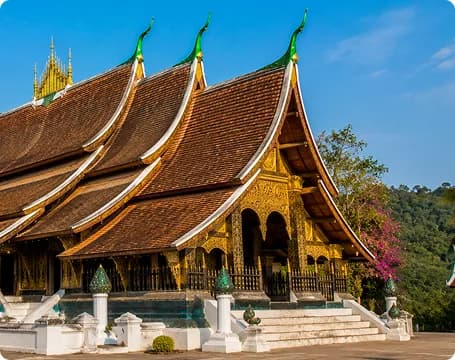
Geography & Regions
Laos is landlocked and largely mountainous, with the Mekong River running its length and forming much of its western border.
The north holds Luang Prabang, Nong Khiaw and remote river valleys; the centre has Vientiane and the karst landscapes of Vang Vieng; the south spreads into the Bolaven Plateau and the 4,000 Islands near the Cambodian border.
Distances are slow here — mountain roads and river routes take longer than the map suggests, and that is part of the appeal.
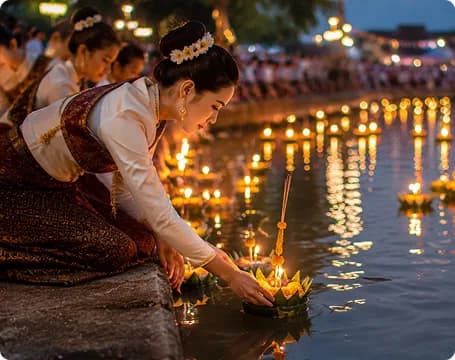
Culture & Heritage
Laos is deeply shaped by Theravada Buddhism, visible in the monasteries of Luang Prabang and the dawn alms-giving that still marks daily life.
A diverse mix of ethnic groups, French colonial architecture, and the sobering legacy of the wartime bombing — still felt through unexploded ordnance in parts of the country — all form part of its story.
Lao food, from sticky rice to laap, and a genuinely relaxed way of life reward travellers who slow down to match the local pace.
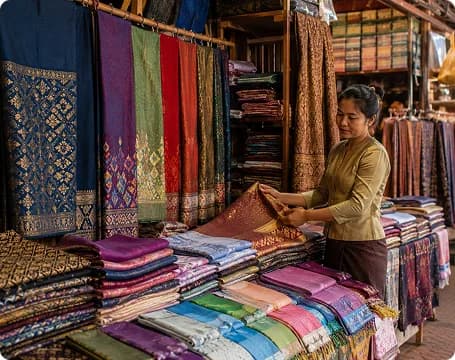
Travel Context
Laos rewards patience above all: there are few fast connections, and the classic journeys — the slow boat down the Mekong, the winding roads north — are meant to be taken slowly.
Seasons shape the trip, with the cool dry months easiest for river travel and mountain roads, and the wet season bringing high water and green landscapes.
Understanding these rhythms is what keeps a Laos itinerary realistic rather than overstuffed.
Slow Traveling in Laos
Laos is already the region's slowest country. The point here is not to fight that pace, but to plan a trip that leans into it.
A Different Way to Approach Travel
Many travellers pass through Laos quickly, ticking off Luang Prabang between Thailand and Vietnam.
It captures the postcard, but it misses the river journeys, the north's remote valleys and the quiet south entirely.
A more considered trip usually means:
Understanding Local Context
A Luang Prabang monastery, a Mekong slow boat and a Bolaven coffee village live at completely different rhythms.
Travelling well here means reading those differences, including:
It also means matching your own pace to a country that simply moves slowly.
Letting the Trip Breathe
A good Laos journey is not measured by how much ground you cover, but by how fully you settle into the river's pace.
Giving the slow boat, the mountains or the islands real time changes the trip completely.
That usually means choosing fewer places and giving each of them real time.
In Laos, travelling slowly is not seeing less — it is understanding more.
A local agency that knows the country well can make this far easier, shaping the pace and route around how each region actually works.
One request. Up to five tailored proposals.
Skip contacting agencies one by one — share your trip once and let up to five trusted Laos agencies come to you. Free, with no obligation.
Explore Laos Through Slow Travel Guides
Travel guides provide a structured way to understand Laos beyond surface-level information. Each guide is designed to offer in-depth insights into specific aspects of the country, combining cultural context, regional understanding and practical considerations. Rather than isolated articles, these guides contribute to a broader and more coherent perspective of the destination.
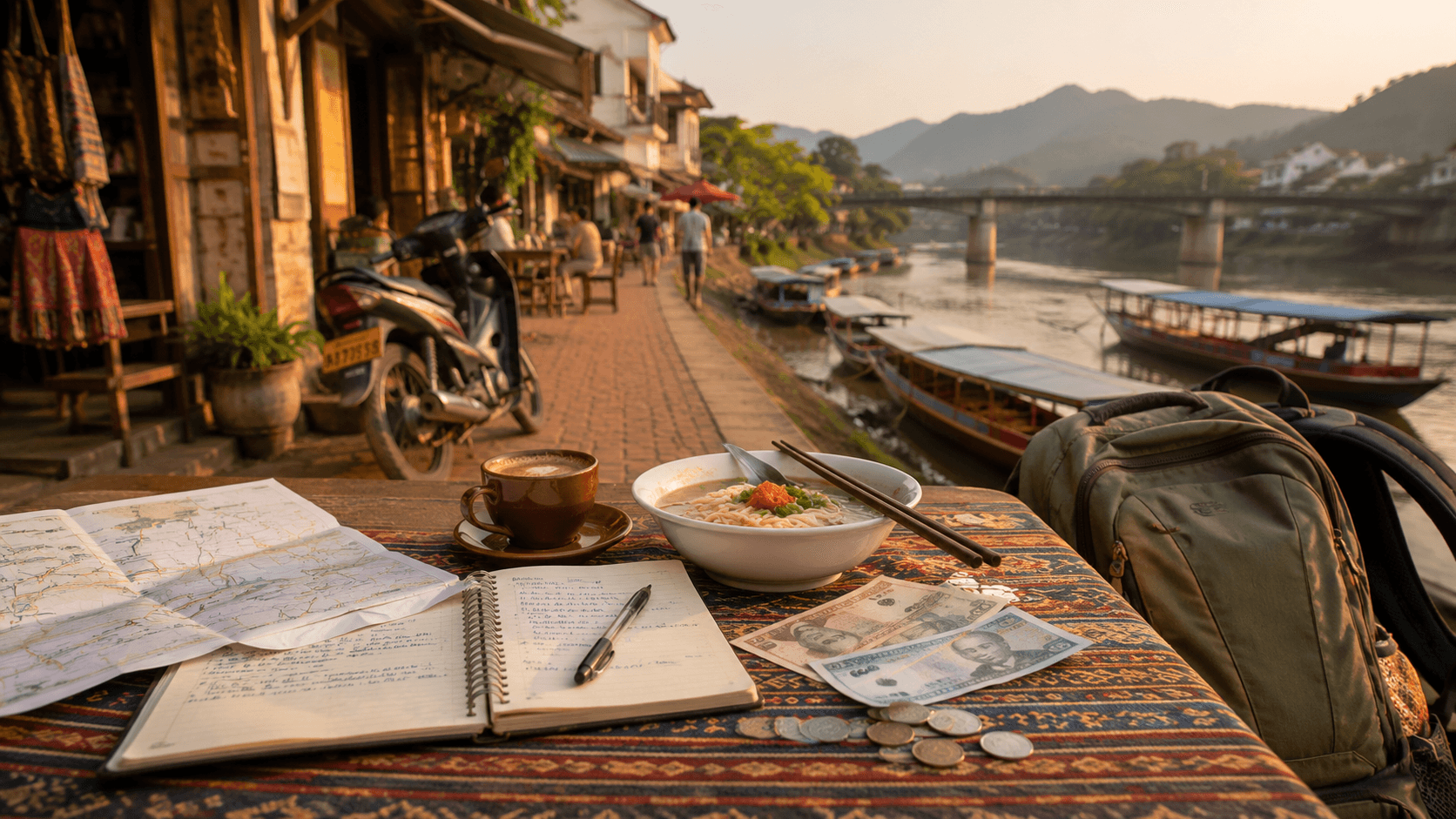
18/10/2026 · 15 minutes
How Much Does It Cost to Travel Laos in 2026? A Complete Budgeting Guide
A clear, value-first breakdown of what a Laos trip really costs in 2026 — daily budgets, the kip, food, stays, the railway and slow boat, and three costed two-week plans.
13/07/2026 · 15 minutes
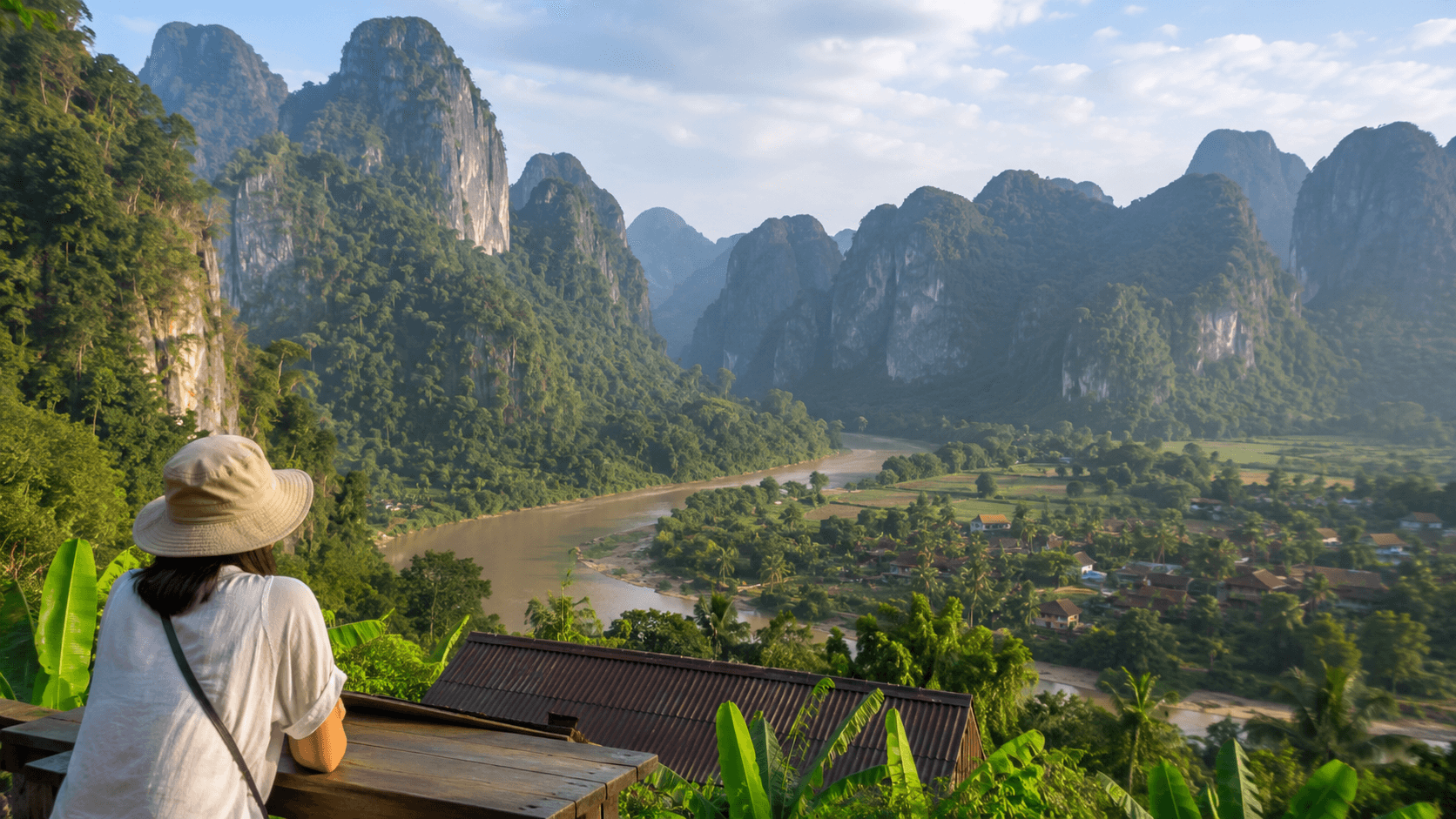
Off the Beaten Path in Laos: Hidden Gems for Slow Travelers
Beyond Luang Prabang — the remote river villages, cave systems, elephant sanctuaries, wild plateaus and forgotten valleys where the real, unhurried Laos reveals itself.
13/07/2026 · 15 minutes
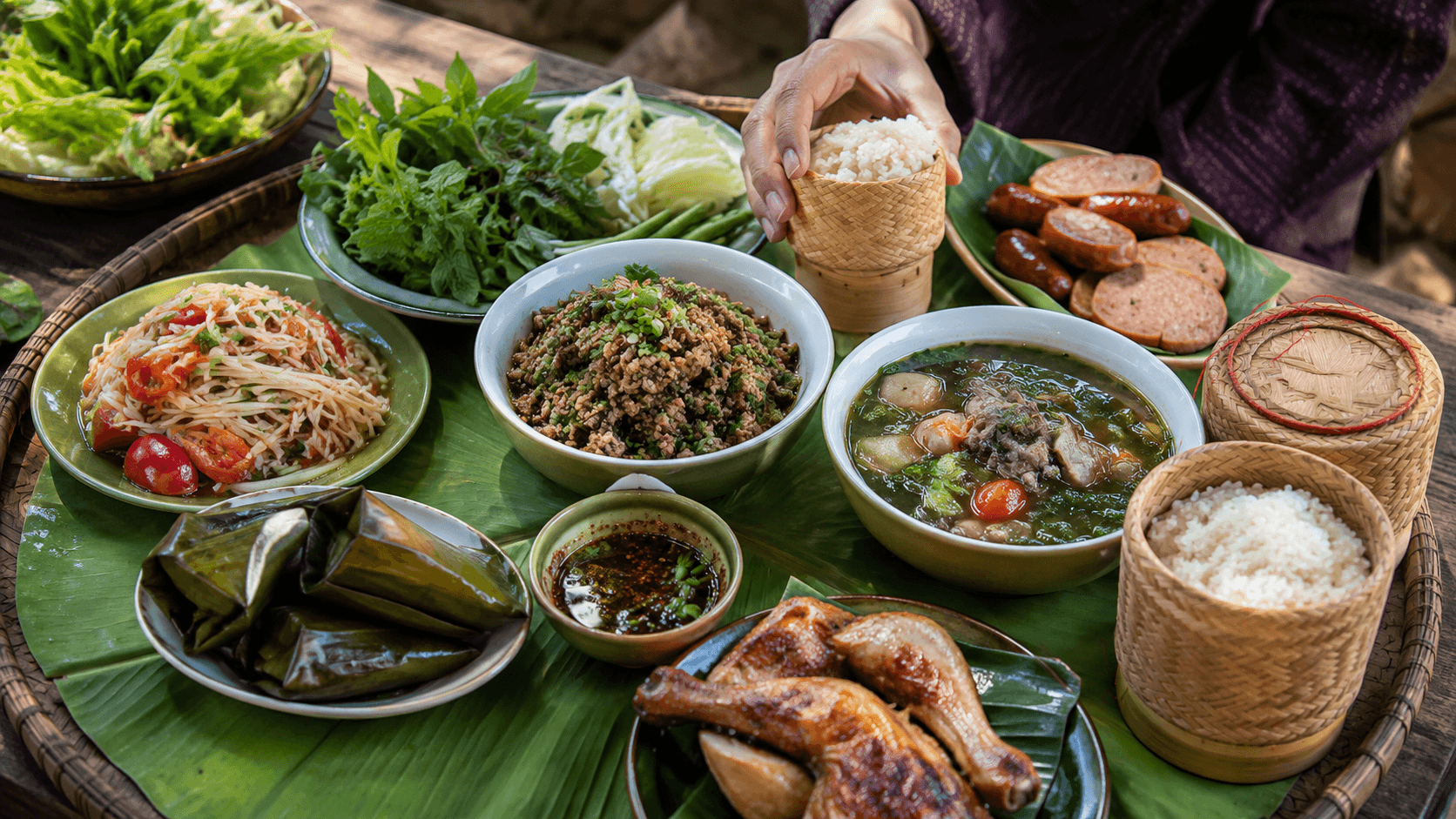
The Slow Traveler's Guide to Lao Food: What to Eat in Laos
Sticky rice, larb, grilled river fish and the fiery, herbaceous heart of Lao cuisine — the dishes to seek out, where to eat them, and how to eat like a local.
The guides are designed to support understanding, not to prescribe standardized travel paths.
View All Travel GuidesOn the Ground in Laos
On the Ground provides a more dynamic perspective on Laos, highlighting evolving destinations, regional focuses and local realities. These articles reflect what is happening across the country, offering a more immediate and contextual understanding of the travel environment. This section complements the travel guides by providing a more immediate and evolving perspective of the destination.
 Last Insights
26/10/2026
Laos's Protected Areas Moment: Hin Nam No, UNESCO and the Rise of Nature Travel
Hin Nam No became Laos's first natural World Heritage site in 2025. What that says about where Lao travel is heading, and what it can realistically deliver.
 Travel Tips
22/10/2026
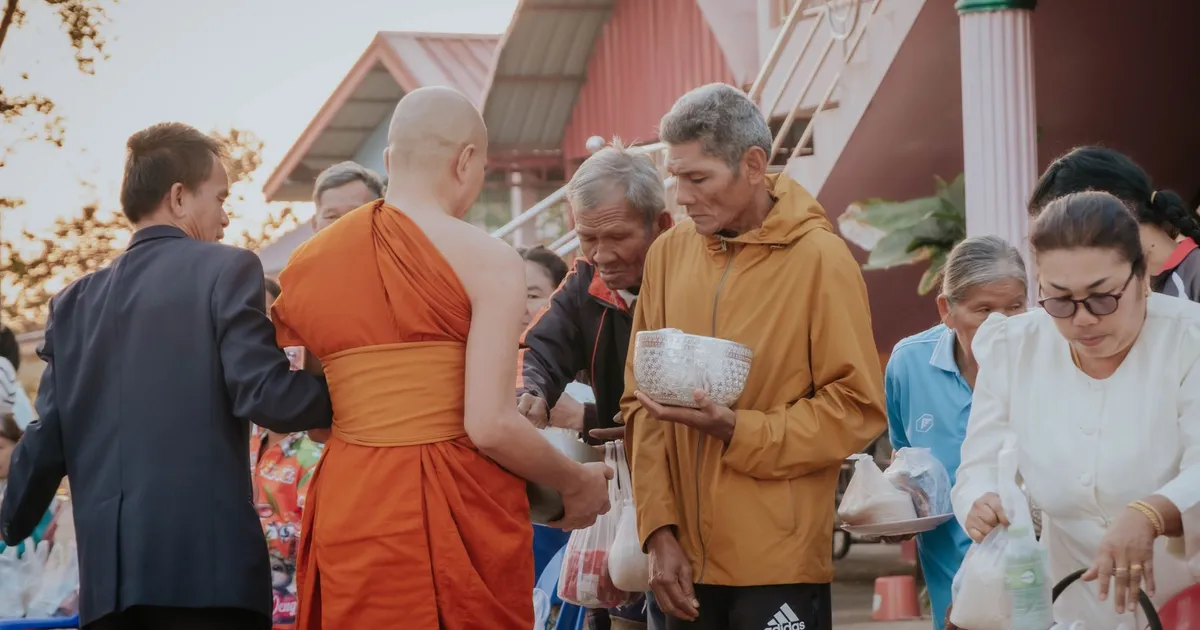
Cultural Etiquette in Laos: Temples, the Alms Ceremony and Getting It Right
Laos is gentle, devout and easily disrespected by accident. A practical guide to cultural etiquette: temples, monks, the alms ceremony and everyday courtesies.
 Last Insights
21/10/2026
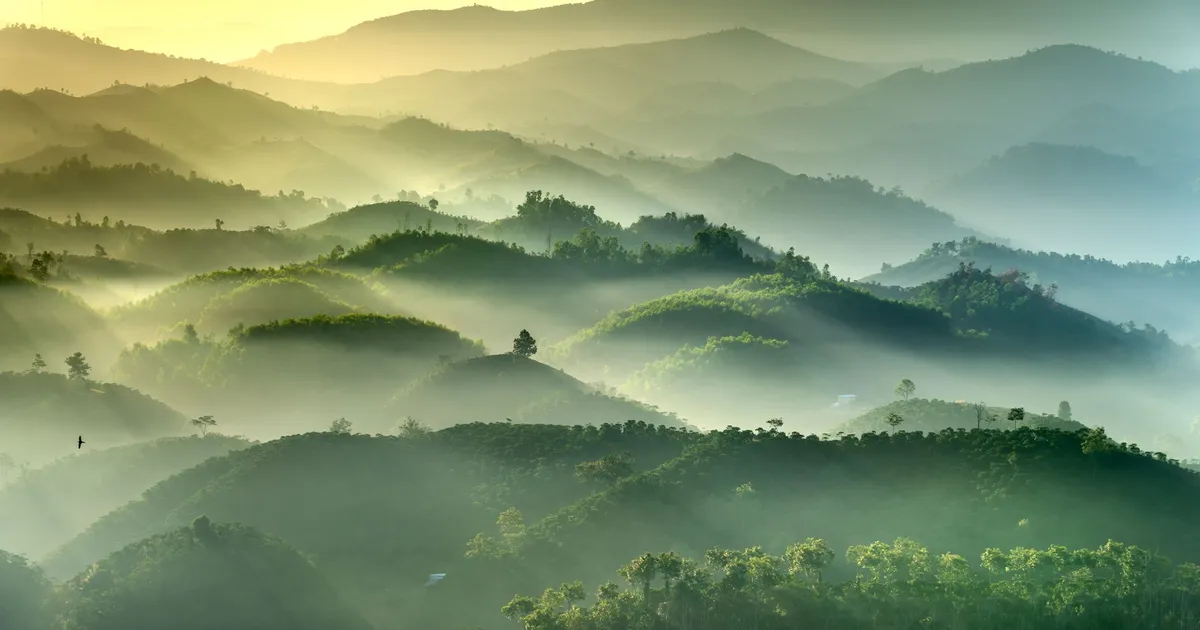
Smoke Season: How Haze Is Reshaping When to Travel in Laos
Every spring, burning season haze settles over northern Laos. What 2026 showed, why the smoke keeps returning, and how it should shape when you travel.

Slow Travel Agencies in Laos
The agencies working in Laos range from northern rivers-and-mountains specialists to heritage guides and southern islands operators. Knowing what each does best is the key to a trip that fits — and UNRUSH organises them by focus and approach so the right match is easier to find.
Explore All Slow Travel Agencies in LaosGet matched with up to 5 trusted Laos agencies
Describe your trip once. Receive tailored proposals from up to five vetted travel agencies — and choose the one that fits you best.
- Free
- No obligation
- Up to 5 agencies
Slow Traveling in Laos: A Closer Look
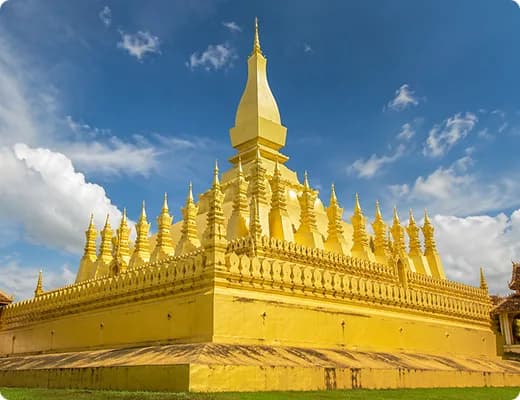
Laos rewards a different kind of planning from its neighbours. It is landlocked and mountainous, strung along the Mekong, and its charm lies precisely in how slowly it moves. The north around Luang Prabang and Nong Khiaw is remote and river-bound; the centre holds Vientiane and the karst hills of Vang Vieng; the south spreads into the Bolaven Plateau's coffee country and the braided channels of the 4,000 Islands.
Those differences change how a trip should be planned. The north is about slow boats, mountains and monasteries; the south is about rivers, waterfalls and unhurried island days. Try to rush Laos as a quick corridor between Thailand and Vietnam and you get one temple town and little else — coverage at the expense of the country's real character.
A slower plan works the other way around. Instead of passing through, it builds in the river journeys and mountain roads that take real time, matched to the season. The cool dry months are best for boats and highland travel, while the wet season lifts the Mekong and greens the land — a different Laos for those who plan for it.
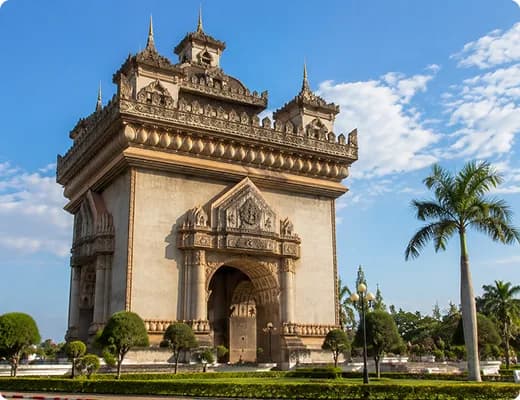
The hardest part to plan from abroad is the local detail — which river routes run in a given month, how long the slow boat and mountain roads really take, how to reach remote valleys and visit responsibly given the country's unexploded-ordnance legacy. Agencies based in Laos carry that knowledge from experience, but their quality and focus vary widely, and they are hard to tell apart from a website alone.
This is where UNRUSH helps. Rather than listing operators at random, it organises agencies by how they work and where they specialise, so travellers can find a partner suited to the trip they want — a northern rivers-and-mountains specialist, a heritage guide, or a southern islands operator. The aim is not to simplify Laos, but to make its depth easier to navigate.