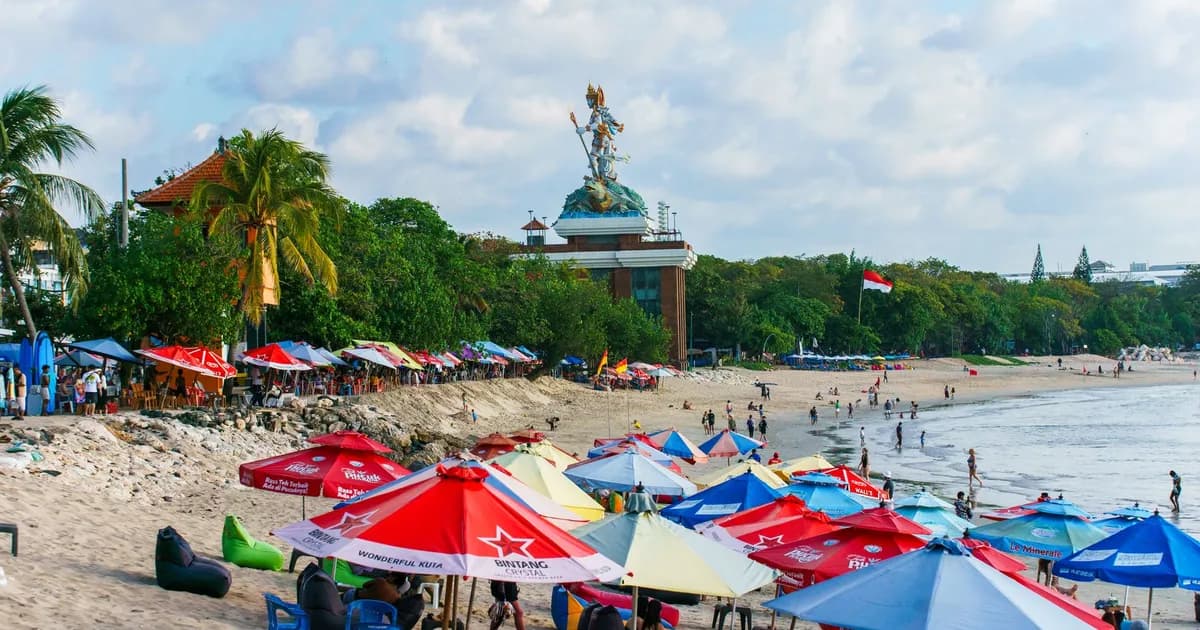
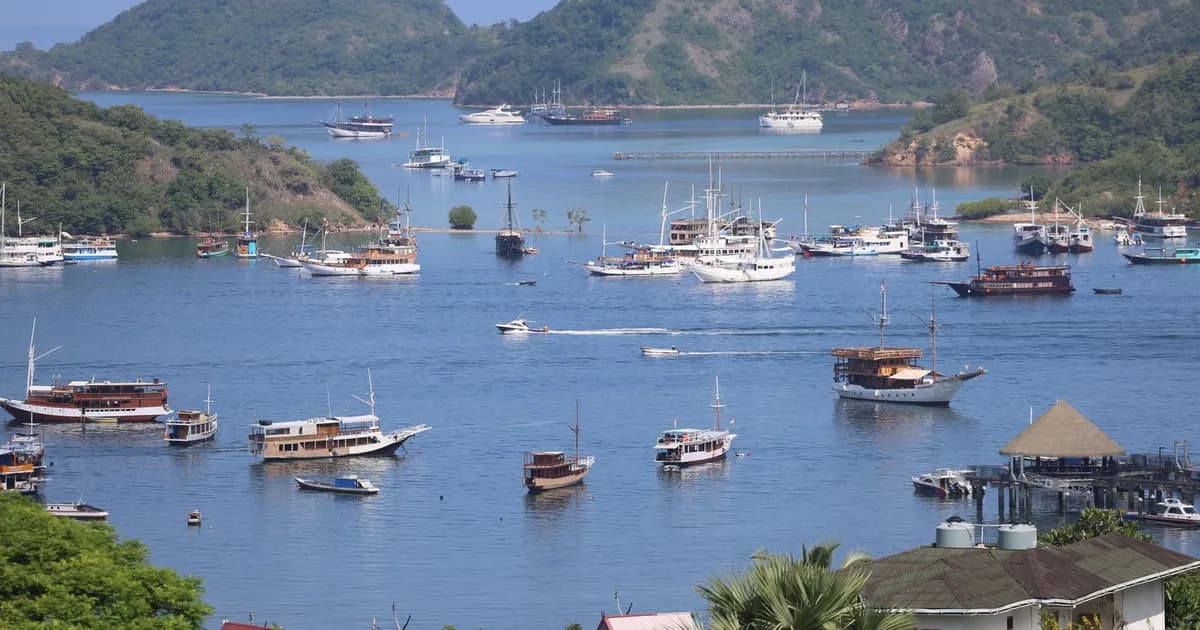

For twenty years, "visit Indonesia" has quietly meant "visit Bali." In 2026, that equation is being deliberately rewritten, not by accident, but by policy. A tourist levy now enforced at Bali's airports, a national strategy chasing 16 to 17.6 million foreign arrivals, and a decade of investment funneled into a widening list of "super priority" destinations are together nudging Indonesia's tourism identity away from a single island and toward the other 17,000.
For slow travelers, this is not just news. It is a signal about where infrastructure, guiding networks, and genuine off-the-beaten-path opportunity are heading next.
The Numbers Behind the Shift
Indonesia's tourism ministry is targeting between 16 and 17.6 million foreign visitors in 2026, alongside a stated pivot toward premium, experience-based travel over sheer arrival volume. Officials have framed this as "Tourism 5.0," a strategy explicitly built around spreading spending and infrastructure investment beyond Bali and Jakarta, developing tourism villages, wellness packages, and marine tourism aimed at travelers who stay longer and spend more per visit rather than the high-volume, short-stay pattern that has strained Bali's roads, water supply, and coastline.
This is not simply marketing language. It reflects a real capacity problem. Bali's tourism economy has, for years, absorbed a disproportionate share of Indonesia's international visitors relative to its size, and the strain has shown up in traffic, waste management, water scarcity in the south of the island, and friction between residents and short-term visitors.
The pivot has a clear historical marker behind it. Indonesia recorded roughly thirteen to fourteen million foreign arrivals in the years just before this policy shift, with Bali alone absorbing close to half of that total despite representing a small fraction of the country's landmass and population. Officials now frame the seventeen-million target explicitly around geographic spread rather than raw volume, repeatedly emphasizing length of stay and spending per visitor as the metrics that matter more than headcount alone, a shift in emphasis that shapes which regions receive infrastructure funding first.
One request. Up to five tailored proposals.
Skip contacting agencies one by one — share your trip once and let up to five trusted Indonesia agencies come to you. Free, with no obligation.
Get my free quotesBali's Levy and the Limits of a Single Island
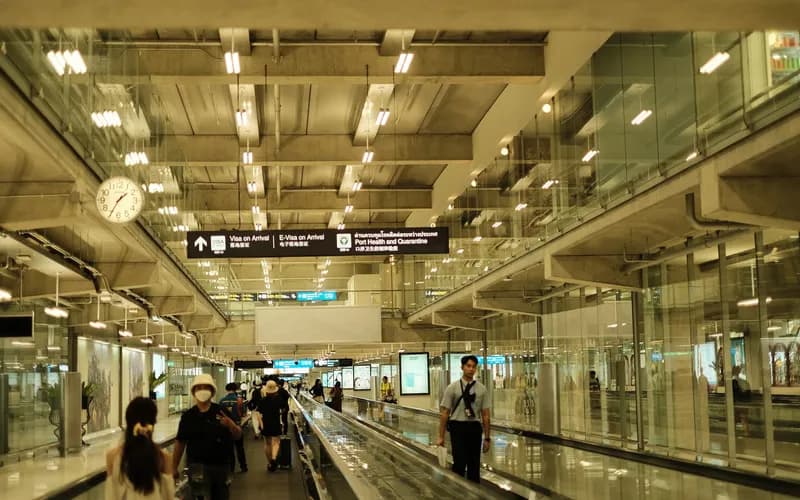
The most visible piece of this shift is the IDR 150,000 (roughly $10 USD) tourism levy now enforced for every foreign visitor entering Bali, regardless of age. The fee, payable online in advance through Bali's official portal or at counters on arrival, funds ecological restoration, waste management, and cultural preservation projects across the island. As of 2026, hotels and travel agents can also collect it on a traveler's behalf, and enforcement at popular sites has tightened noticeably compared to the levy's early, loosely enforced rollout.
The levy is Bali-specific, distinct from Indonesia's national entry visa requirements, which is a distinction worth understanding before departure. Our companion piece on Indonesia's visa on arrival changes for 2026 covers the separate, nationwide e-VOA system that every visitor needs regardless of which island they land on first.
What the levy represents, more than the ten dollars itself, is an acknowledgment that Bali's current visitor volume has outgrown what the island's infrastructure can comfortably absorb, and that the fix is not only better management of Bali, but active redirection of demand elsewhere.
Five, Then Ten, Super Priority Destinations
Indonesia's redirection strategy centers on what officials call the super priority destinations: Lake Toba in North Sumatra, Borobudur in Central Java, Mandalika in Lombok, Labuan Bajo as the gateway to Komodo, and Likupang in North Sulawesi. Each has received years of infrastructure investment, from airport upgrades to new access roads, aimed at making them viable alternatives to Bali for travelers seeking comparable natural beauty and cultural depth without comparable crowds.
A second wave has since been added: Tanjung Kelayang, Tanjung Lesung, Wakatobi, Morotai, and Raja Ampat, all positioned as quieter, less developed complements to the original five. None of these destinations are secrets exactly, but none carry Bali's density of infrastructure either, which is precisely the trade-off that suits slow travelers willing to accept simpler logistics in exchange for far fewer crowds. Sulawesi's highlands, including the Toraja region, sit adjacent to this push, benefiting from improved Makassar connectivity even without being formally listed among the priority sites.
Lake Toba, the vast caldera lake in North Sumatra formed by one of the largest volcanic eruptions in human history, has received a new toll road connection and airport upgrades at Silangit, cutting travel time from Medan substantially. Mandalika, on Lombok's south coast, has taken a different route entirely, anchored around a Moto GP circuit and a cluster of international hotel brands, a far more conventional resort-development model than the village-based tourism envisioned for quieter additions like Wakatobi. The contrast between these two approaches is worth noting: not every super priority destination is being developed the same way, and travelers drawn to slower, less resort-driven trips should look more closely at Lake Toba or Sulawesi's highlands than at Mandalika specifically.
Get matched with up to 5 trusted Indonesia agencies
- Free
- No obligation
- Up to 5 agencies
Nusantara and the New Capital's Tourism Ambitions
A less obvious piece of the 2026 tourism map is Nusantara, Indonesia's new capital under construction in East Kalimantan, intended to eventually replace Jakarta as the seat of government. While Nusantara is not a leisure destination in any conventional sense, government tourism planning has begun folding it into a broader Kalimantan cluster, alongside Batam and Bintan near Singapore, framed around business travel, urban development tourism, and eventually a gateway function for Borneo's rainforest and river regions.
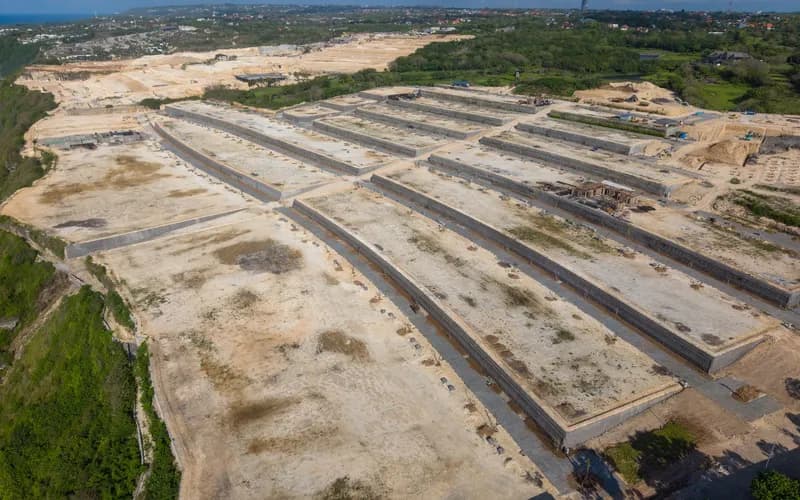
For most slow travelers, Nusantara itself is not yet a destination worth building a trip around; construction is ongoing and visitor infrastructure is minimal. But its presence on the government's tourism map is a useful marker of how far the "beyond Bali" strategy extends, well past the more obvious natural and cultural destinations into urban and administrative development as well.
What This Means for Slow Travelers
The practical upshot of all this policy movement is that Indonesia's secondary destinations are entering a genuine window: infrastructure and connectivity are visibly improving, but crowds and pricing have not yet caught up to Bali's level. Direct flights to Labuan Bajo, upgraded roads around Lake Toba, and new guide networks around Mandalika all reflect real investment, not just announcements.
This window will not stay open indefinitely. Every destination that Indonesia successfully promotes risks eventually facing a version of Bali's own overtourism pressure, particularly if infrastructure investment outpaces the development of sustainable visitor management. Travelers who value depth over volume have a genuine incentive to visit these regions now, while local guiding networks are still small, personal, and unhurried. Our plan your journey page is a useful starting point for sequencing a route that takes in one or two of these emerging regions alongside more established stops.
Guiding networks are one of the clearest tells of how early a destination sits in this cycle. In Bali, layers of agencies, sub-agents, and freelance guides compete for the same travelers, which drives prices down but also standardizes the experience on offer. In Lake Toba or Sulawesi's highlands, by contrast, guides are often still individuals or small family operations working from personal reputation rather than a marketing budget, which tends to produce a more direct, less scripted relationship between traveler and place, precisely the kind of exchange slow travel is built around.
Reading the Trend Without Getting Swept Up in It
It is worth treating "super priority" status with a measure of skepticism rather than as an unqualified recommendation. Government designation signals investment intent, not finished infrastructure, and some of the newer additions to the list, including Wakatobi and Morotai, remain genuinely remote, with limited transport options and accommodation that skews basic rather than boutique.
For slow travelers, that is often a feature rather than a flaw, but it does mean research and flexible planning matter more here than in destinations with mature tourism infrastructure. Verifying current road conditions, ferry schedules, and accommodation availability directly before booking remains essential, since national strategy documents move faster than facilities on the ground.
Currency of information matters more than usual here too. National strategy documents and press releases move on political timelines, while road paving, ferry schedules, and guesthouse construction move on entirely different, often slower ones. Cross-checking recent traveler reports and local operator listings against government announcements before finalizing a booking is a small effort that avoids arriving somewhere still years away from matching its billing.
What to Do Next
- Treat Bali's tourism levy as a routine cost of entry, paid online in advance, and budget it separately from your accommodation and activities.
- Pick one secondary destination, such as Lake Toba, Labuan Bajo, or Sulawesi's highlands, to anchor a longer, slower itinerary rather than another short Bali loop.
- Confirm transport and accommodation directly with local operators before booking, since infrastructure in newer priority destinations is still catching up to government ambitions.
- Read our guide to Indonesia's 2026 trip costs and budgeting to understand how spending patterns shift once you move beyond Bali's tourist infrastructure.
- Revisit UNRUSH's approach to slow, deliberate travel before finalizing your route, since the destinations benefiting most from this shift reward exactly that pace.
Frequently Asked Questions
What is Indonesia's Bali tourism levy and who has to pay it?
It is an IDR 150,000 (about $10 USD) fee charged to every foreign visitor entering Bali, regardless of age, payable online in advance or at arrival counters, funding ecological and cultural preservation projects on the island.
What are Indonesia's super priority destinations?
They are a government-designated group of secondary destinations, originally Lake Toba, Borobudur, Mandalika, Labuan Bajo, and Likupang, later expanded to include Tanjung Kelayang, Tanjung Lesung, Wakatobi, Morotai, and Raja Ampat, all receiving concentrated infrastructure investment.
Is Bali becoming less popular for tourists?
Not exactly. Bali remains Indonesia's dominant tourism draw, but government policy is deliberately trying to slow the growth rate of arrivals there while accelerating growth elsewhere, rather than reducing Bali's visitor numbers outright.
Are the super priority destinations ready for independent travelers?
Some, like Labuan Bajo and Lake Toba, have reasonably developed infrastructure. Others, like Wakatobi and Morotai, remain remote with limited transport and basic accommodation, so independent travelers should research current conditions closely before booking.
Is the tourism levy the same as Indonesia's visa fee?
No. The Bali levy is a separate, island-specific ecological and cultural fee, distinct from Indonesia's national e-VOA visa fee, which applies to entry into the country as a whole regardless of which island you arrive on.
Why is Indonesia investing in Nusantara for tourism?
Nusantara is primarily a new administrative capital, not a leisure destination, but the government has included it in broader tourism planning around business travel and Kalimantan's wider development, positioning it as a long-term gateway to Borneo.
Should travelers skip Bali entirely in 2026?
Not necessarily. Bali remains genuinely worth visiting, and its tourism levy is a modest, manageable cost rather than a deterrent. The more useful shift for slow travelers is pairing a Bali stay with a slower, less crowded second stop elsewhere in the archipelago, rather than treating the island as the entirety of an Indonesia trip.
Will these secondary destinations stay less crowded?
Not indefinitely. As infrastructure and marketing succeed, popular super priority destinations are likely to see rising visitor numbers over the coming years, which is part of why slow travelers are drawn to visiting them earlier rather than later.