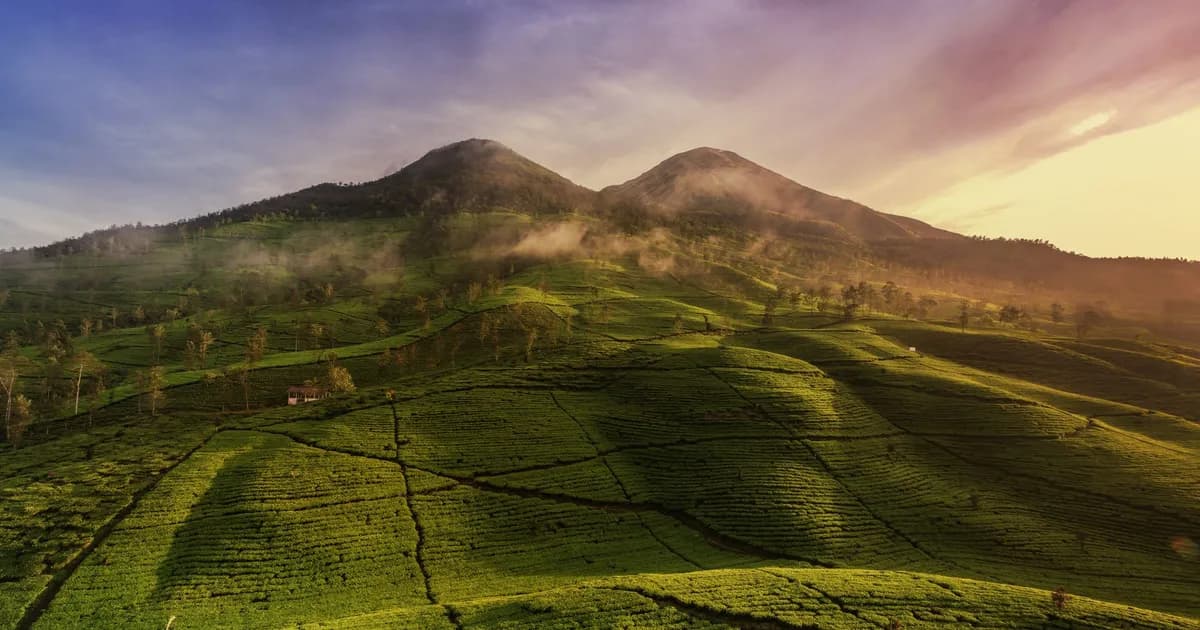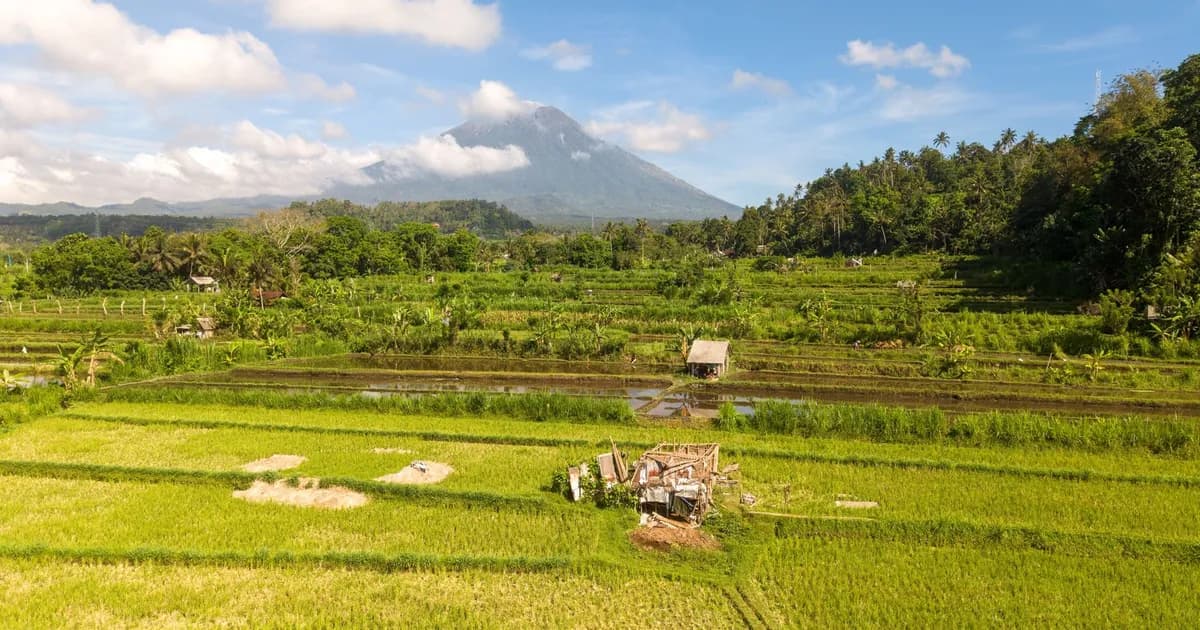

Board a bus in Makassar, and eight hours later the coastline gives way to terraced rice fields, limestone cliffs, and villages where houses look like ships frozen mid-launch. This is Tana Toraja, the highlands of South Sulawesi, where funerals can last a week, ancestors are dressed and walked through the village long after burial, and the pace of life has never bent to tourism's usual rhythms. For travelers who measure a trip by what it reveals rather than how many boxes it ticks, Toraja rewards patience more than almost anywhere else in Indonesia.
This is not a place to rush through on a two-day loop from a cruise itinerary. It is a place to sit with, ideally for four or five days, letting the highlands and the people who live in them set the schedule.
Where Sulawesi's Highlands Begin
Most journeys to Toraja start in Makassar, South Sulawesi's port capital, reachable by direct flight from Jakarta, Bali, and several regional hubs. From there, travelers either fly on to Toraja's small Pongtiku Airport near Makale, or take the overnight bus north through winding mountain roads, arriving in Rantepao as the highland mist is still burning off. The bus is slower, but it is also how most Torajans travel between the coast and the highlands, and the descent into the valley at dawn is worth the stiff legs.
Rantepao and its quieter neighbor Makale serve as the two practical bases. Rantepao has more guesthouses and easier access to guides, while Makale offers a calmer market town feel. Neither is built for tourism in the way Ubud or Kuta are; there are no beach clubs or infinity pools here, just warungs, motorbike rental stalls, and coffee shops that double as informal information centers. Toraja remains, deliberately, one of Indonesia's hidden gems for slow travelers, and the region's remoteness is precisely what keeps its traditions intact.
Rantepao's Bolu Market, held once every six days according to the Toraja calendar rather than a fixed weekly cycle, is worth timing a visit around if the dates line up. Water buffalo, the animals that quietly underpin every family's social standing, are traded here in numbers, with a single striking piebald buffalo sometimes changing hands for sums running into tens of thousands of dollars. Walking through the market before a funeral season begins offers a clear-eyed look at the economics behind Rambu Solo, long before the ceremony itself, and it remains one of the few places in Toraja where the culture's emphasis on status and obligation is visible in plain daylight rather than filtered through ritual.
One request. Up to five tailored proposals.
Skip contacting agencies one by one — share your trip once and let up to five trusted Indonesia agencies come to you. Free, with no obligation.
Get my free quotesTongkonan: Houses Built Like Ships
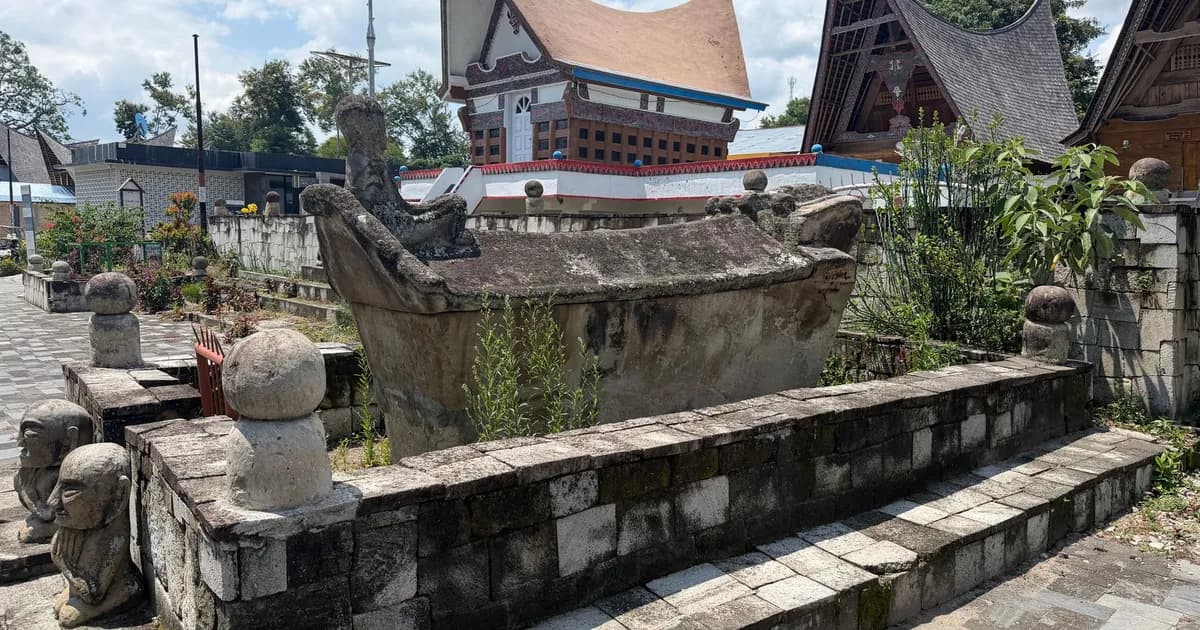
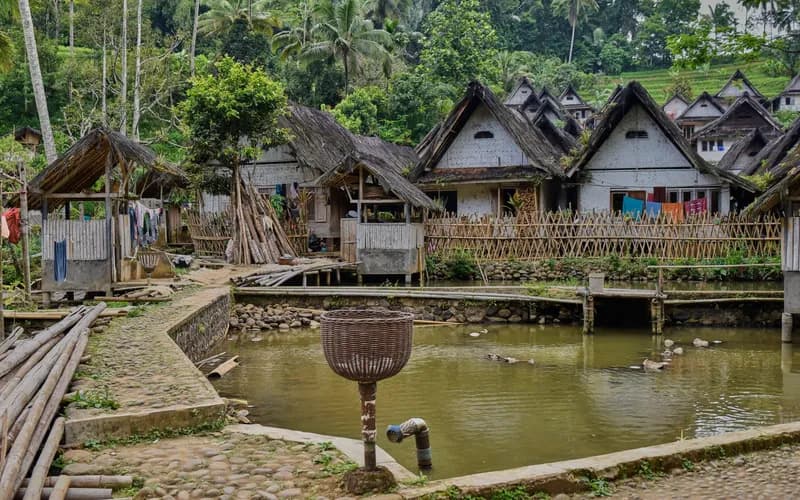
The first thing that stops most visitors mid-step is the tongkonan, the traditional Toraja ancestral house, built on wooden piles with a saddle-shaped roof that sweeps upward at both ends like the bow and stern of a boat. The design is thought to echo the ships that carried Toraja's ancestors to Sulawesi generations ago, and the roofline still dominates every highland village skyline.
Tongkonan are not museum pieces. They remain family property, passed down through generations, and are still used for major ceremonies. Rows of buffalo horns mounted on the front pillars record the sacrifices made at past funerals, a visible ledger of a family's status and obligations. Villages worth visiting for their tongkonan clusters include Kete Kesu, with its row of ancient houses beside a hillside burial site, and Palawa, further north, where the architecture is less visited by day-trip crowds.
Toraja's tourism story is a smaller piece of a larger shift happening across the archipelago, as national campaigns push travelers beyond Bali toward secondary destinations like Sulawesi, Lake Toba, and Labuan Bajo. Toraja has not chased this attention; it has simply continued being itself, which is exactly why it is worth the detour.
Rambu Solo: Understanding Toraja's Funeral Rites
Nothing defines Toraja culture more than Rambu Solo, the elaborate funeral ceremony that can stretch across three to ten days and involve the sacrifice of water buffalo, considered essential to guide the deceased's soul to Puya, the land of souls. The number of buffalo sacrificed, and their color and markings, reflects the social standing of the family, and the largest ceremonies draw hundreds of guests bearing gifts that are meticulously recorded and later reciprocated.
Because a funeral requires enormous resources, families often wait months or even years to hold one, meaning the deceased may be kept, embalmed, in the family home and treated as merely "sick" until the ceremony can be properly funded and staged. This is not showmanship; it reflects a genuine belief that death is a gradual transition rather than a single event.
Respectful visitors are often welcome to observe a Rambu Solo, provided they go with a local guide who can secure an invitation, dress modestly in dark colors, and bring a small gift, traditionally cigarettes or sugar, as etiquette dictates. Photography should always be asked about first, and quieter moments of grief should never be treated as a photo opportunity. July through September is peak funeral season, coinciding with the dry season and the harvest, when families have the resources and weather to host large gatherings.
Get matched with up to 5 trusted Indonesia agencies
- Free
- No obligation
- Up to 5 agencies
Ma'nene and the Living Relationship with the Dead
Toraja's relationship with its ancestors does not end at burial. Every August or September, some communities hold Ma'nene, a ritual in which families return to cliffside tombs and cave graves to clean, redress, and sometimes photograph mummified relatives before returning them to rest. The tradition reflects a broader Toraja belief that the boundary between the living and the dead is far more porous than it is in most cultures.
Cliffside burial sites are worth visiting even outside the ritual calendar. Londa cave cemetery, near Rantepao, holds coffins and tau tau, carved wooden effigies dressed in the likeness of the deceased, watching over the valley from ledges cut into the rock face. Lemo's cliff graves offer a similar view of tau tau lined up in balconies carved directly into limestone. These are active spiritual sites, not attractions, and visitors should follow their guide's lead on where to walk, what to touch, and when a camera should stay in the bag.
Beyond the Villages: Trekking and Coffee in the Highlands
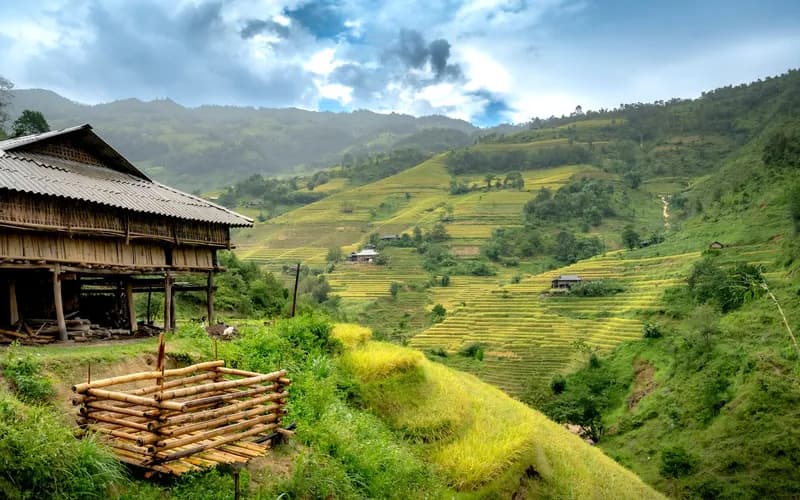
Toraja's highlands reward walking as much as they reward ceremony-watching. Batutumonga, a ridge north of Rantepao, offers sweeping views over the valley's rice terraces and is a common starting point for treks down through villages, forests, and megalithic sites where ancient stone monuments still stand in fields. Lolai, nicknamed "negeri di atas awan," the land above the clouds, has become popular for its early-morning views over a sea of mist settling into the valley below, best reached before sunrise.
Coffee is the other quiet draw. Toraja's volcanic highland soil produces some of Indonesia's most distinctive arabica, grown on small family plots and often processed by hand. Visiting a smallholder farm near Sapan or Bittuang, where beans are still sun-dried on woven mats, offers a different, unhurried counterpoint to the intensity of a funeral ceremony.
A short drive from Rantepao, the weaving village of Sa'dan keeps a quieter Toraja tradition alive: handwoven ikat textiles, dyed and threaded on backstrap looms using patterns passed down through generations of women in the same families. The cloth produced here is not purely decorative; specific patterns and colors are tied to rank and ceremonial use, appearing in funeral shrouds and formal dress alike. Visiting a working loom, rather than only a shop selling finished pieces, gives a clearer sense of how much time a single textile actually requires, often weeks of steady work fitted around farming and household duties, and offers a useful counterweight to a trip built mostly around funerals and burial sites.
For travelers building a longer route through the archipelago, our broader guide to where to go and when in Indonesia is a useful companion for timing a Sulawesi leg around the dry season.
Planning Your Time in Toraja
Toraja is not a place to squeeze into a single overnight stop. Give it four to five days at minimum: one to settle into Rantepao and visit nearby tongkonan villages, one or two for cliffside burial sites and a trek through Batutumonga, one for a coffee farm or market day, and a spare day in case a funeral invitation comes through and is worth rearranging plans for.
Getting around requires a hired driver or motorbike, since public transport between villages is sparse and irregular. Guides are inexpensive relative to elsewhere in Indonesia and genuinely necessary, both for translation and for navigating the etiquette around ceremonies and burial sites. Before booking flights or accommodation, it is worth reviewing broader logistics on our plan your journey page, which covers seasonal timing and regional connections across Indonesia.
Budget modestly: guesthouses in Rantepao are inexpensive by international standards, though guide fees and any funeral gift contributions should be factored in separately from daily costs.
Cash matters more here than in Bali or Java. ATMs in Rantepao are reliable but sparse elsewhere in the highlands, and rural guesthouses and drivers often expect payment in Indonesian rupiah rather than card. Withdrawing enough cash in Makassar or Rantepao before heading into smaller villages avoids the awkwardness of hunting for a working ATM mid-trip.
What to Do Next
- Fly or take the overnight bus to Rantepao from Makassar, and build in at least four full days for the highlands.
- Book a licensed local guide before arrival through a specialist Indonesia travel agency rather than arranging ceremony access informally on the ground.
- Time your visit for July through September if witnessing a funeral is a priority, or aim for the shoulder months if you prefer quieter villages.
- Pack modest, dark clothing in case a ceremony invitation arises, along with a small gift such as sugar or cigarettes.
- Set aside at least one unstructured day for trekking or a coffee farm visit, so the trip is not only about ceremonies.
Frequently Asked Questions
Is it appropriate for tourists to attend a Toraja funeral?
Yes, provided you attend with a local guide who has secured an invitation, dress respectfully in dark clothing, bring a small customary gift, and follow local cues on photography and behavior throughout the ceremony.
When is the best time to visit Tana Toraja?
The dry season from June through September offers the best trekking conditions and the highest chance of coinciding with a funeral ceremony, since families prefer to host during good weather and after the harvest.
How many days should I spend in Toraja?
Four to five days is a realistic minimum to visit tongkonan villages, cliffside burial sites, and the surrounding highlands without rushing, especially since travel between sites takes longer than distances on a map suggest.
How do I get to Tana Toraja from Bali or Jakarta?
Fly into Makassar first, then either continue by short domestic flight to Toraja's Pongtiku Airport or take the eight-to-nine-hour overnight bus north to Rantepao.
Is Ma'nene open to visitors?
Some communities welcome respectful visitors during Ma'nene in August and September, but access varies by family and village, and a local guide is essential to know which ceremonies are appropriate to observe.
Do I need a guide to visit tongkonan villages and burial sites?
A guide is not strictly mandatory for walking through villages like Kete Kesu, but is strongly recommended for cultural context, for gaining access to ceremonies, and for navigating etiquette around active burial and ritual sites.
Is Toraja safe and comfortable for independent travelers?
Toraja is generally safe, with a well-established, low-key network of guesthouses and guides built around long-standing visitor traffic, though infrastructure is simpler than in Bali or Java and patience with transport delays is essential.
What should I pack for Toraja's highland climate?
Days in Rantepao and the surrounding highlands are warm, but evenings and early mornings turn noticeably cool at this elevation, so pack light layers rather than beach clothing. A light rain jacket is worth carrying even in the dry season, since highland showers can arrive without much warning, and sturdy closed shoes serve better than sandals on the uneven paths around villages, rice terraces, and burial sites.