

Travel to Indonesia
Slow travel in Indonesia — an archipelago of thousands of islands, where each one is almost a country of its own.
Bali's temples and rice terraces, Java's volcanoes and Borobudur, Flores and Komodo, Sumatra's jungles and Sulawesi's highlands each ask for time. Indonesia is far too big to rush.
Understanding Indonesia as a travel destination
Indonesia is the world's largest archipelago, more than 17,000 islands spread across some 5,000 kilometres — closer to a continent than a single country.
Most travellers see only Bali, yet Java holds the temples of Borobudur and a chain of active volcanoes, Sumatra its jungles and orangutans, Flores its Komodo dragons and volcanic lakes, and Sulawesi its highland cultures.
Its diversity is staggering: the world's largest Muslim-majority nation also contains Hindu Bali, hundreds of ethnic groups and languages, and traditions that change completely from one island to the next.
Scale and seasons both shape a trip here: island-hopping takes real time and planning, and the dry and wet seasons vary across the archipelago.
Reading these differences — which islands, in which season, and how much time each deserves — is what turns a Bali package into a real journey through Indonesia.
UNRUSH exists to make those choices clearer, helping travellers match the right islands, seasons and local agencies to the trip they actually want.
Ready to travel? Get free quotes from up to 5 Indonesia agencies
Request free quotesThe Destination
Indonesia is best understood island by island — Bali, Java, Sumatra, Flores, Sulawesi and beyond each offer a different country.
Knowing how they differ is the first step to a trip that reaches past Bali.
Geography & Regions
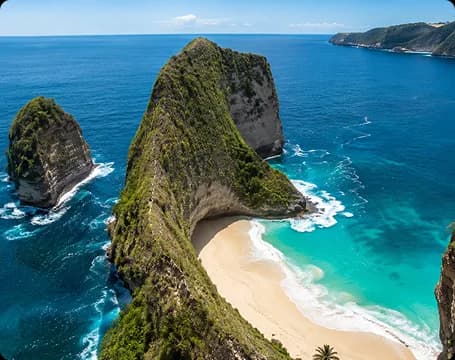
Indonesia stretches across thousands of volcanic islands, sitting on the Pacific Ring of Fire, with landscapes from rainforest to coral reef to smoking crater.
Java is dense and volcanic, home to Jakarta, Yogyakarta and Borobudur; Bali and neighbouring Lombok mix temples and beaches; Sumatra, Sulawesi, Flores and Papua's Raja Ampat offer jungles, highland cultures and world-class diving.
Getting between them means flights and ferries, so distances shape the trip as much as the destinations themselves.
Culture & Heritage
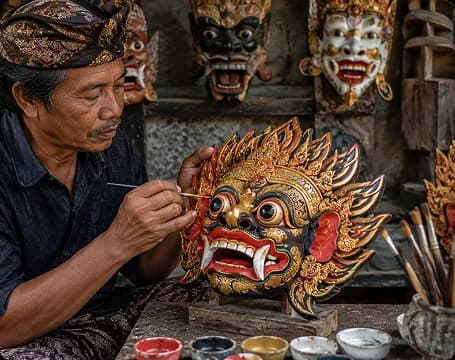
Indonesia is extraordinarily diverse, with hundreds of ethnic groups and languages under a single flag, and religions that shift island to island.
Hindu Bali's temple festivals, Java's Buddhist and Islamic heritage, the funeral traditions of Toraja in Sulawesi, and centuries-old crafts like batik each reflect a different world.
Taking time to understand local customs — especially around temples, dress and ceremony — is part of travelling here respectfully.
Travel Context
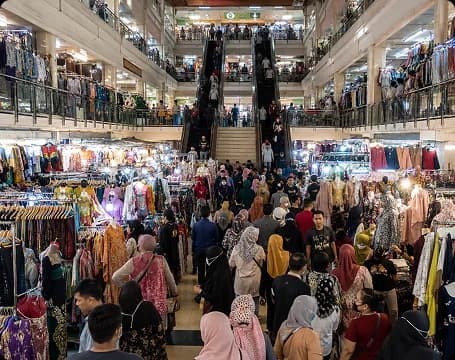
Indonesia rewards focus: trying to see too many islands in one trip means most of the time is spent in transit.
Seasons vary across the archipelago, with a broadly drier season around April to October and a wetter one from November to March, though it differs island to island.
Understanding the distances and seasons is what keeps an itinerary from turning into a string of airport days.
Slow Traveling in Indonesia
For most travellers, Indonesia means Bali. Slowing down — and looking beyond one island — is what reveals how vast and varied the country really is.
A Different Way to Approach Travel
Many trips never leave Bali's south, moving between beach clubs and busy temples on a tight loop.
It captures one version of Indonesia, but it misses Java, Sumatra, Flores, Sulawesi and the quieter corners of Bali itself.
A more considered trip usually means:
Understanding Local Context
A Balinese temple ceremony, a Javanese volcano village and a Toraja highland community belong to completely different cultures.
Travelling well here means reading those differences, including:
It also means choosing a few islands rather than trying to see them all.
Letting the Trip Breathe
A good Indonesia journey is not measured by how many islands you reach, but by how well you get to know the ones you do.
Giving one or two islands real time, in the right season, beats a rushed multi-island loop.
That usually means choosing fewer places and giving each of them real time.
In Indonesia, travelling slowly is not seeing less — it is understanding more.
A local agency that knows the islands well can make this far easier, shaping the pace and route around how each one actually works.
One request. Up to five tailored proposals.
Skip contacting agencies one by one — share your trip once and let up to five trusted Indonesia agencies come to you. Free, with no obligation.
Explore Indonesia Through Slow Travel Guides
Travel guides provide a structured way to understand Indonesia beyond surface-level information. Each guide is designed to offer in-depth insights into specific aspects of the country, combining cultural context, regional understanding and practical considerations. Rather than isolated articles, these guides contribute to a broader and more coherent perspective of the destination.
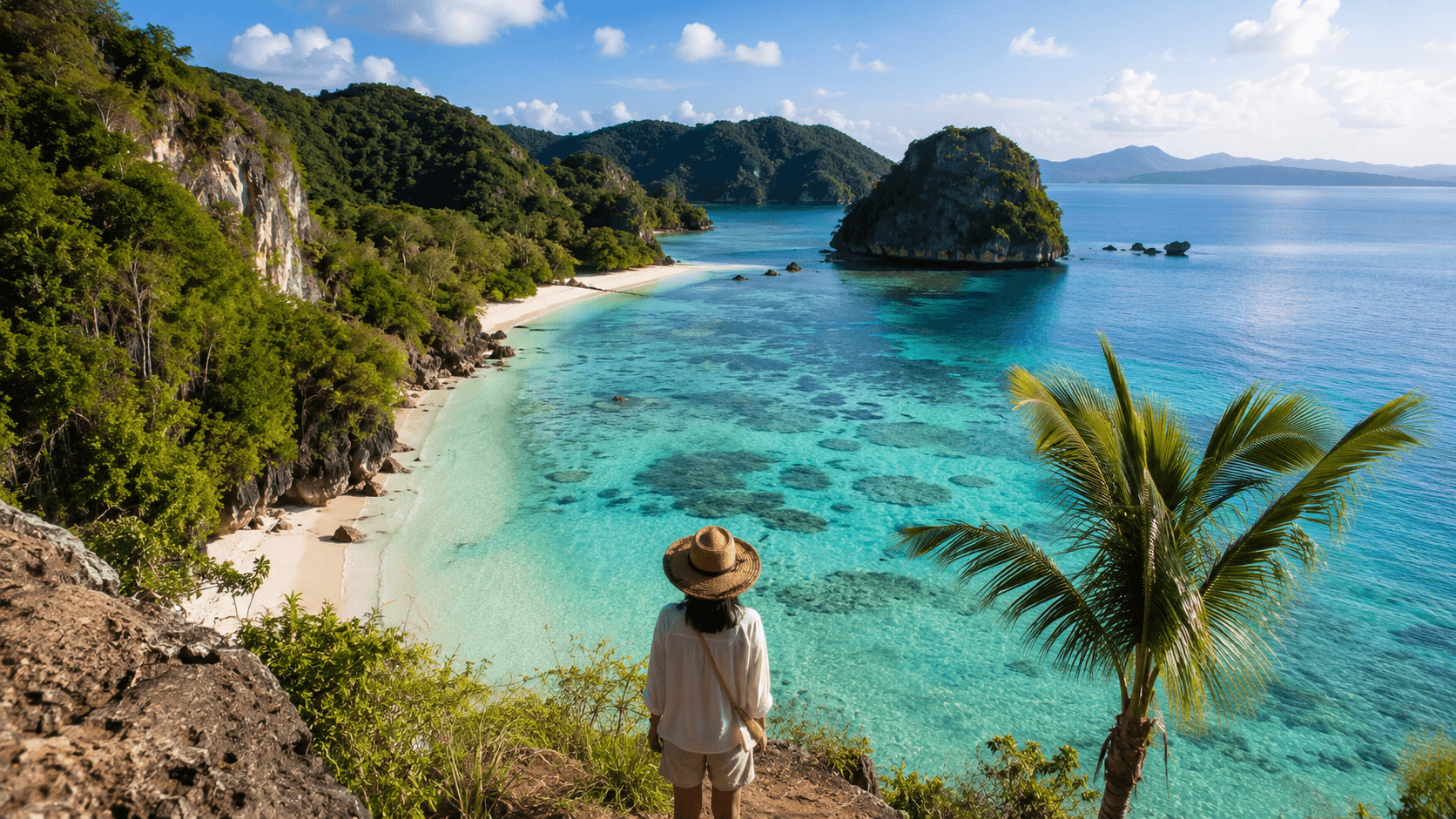
22/10/2026 · 15 minutes
Off the Beaten Path in Indonesia: Hidden Gems for Slow Travelers
A calm, honest guide to Indonesia beyond Bali — the Mentawai, Flores, Sumba, Toraja, the Banda spice islands, Raja Ampat, Borneo and more, with real logistics.
21/10/2026 · 15 minutes
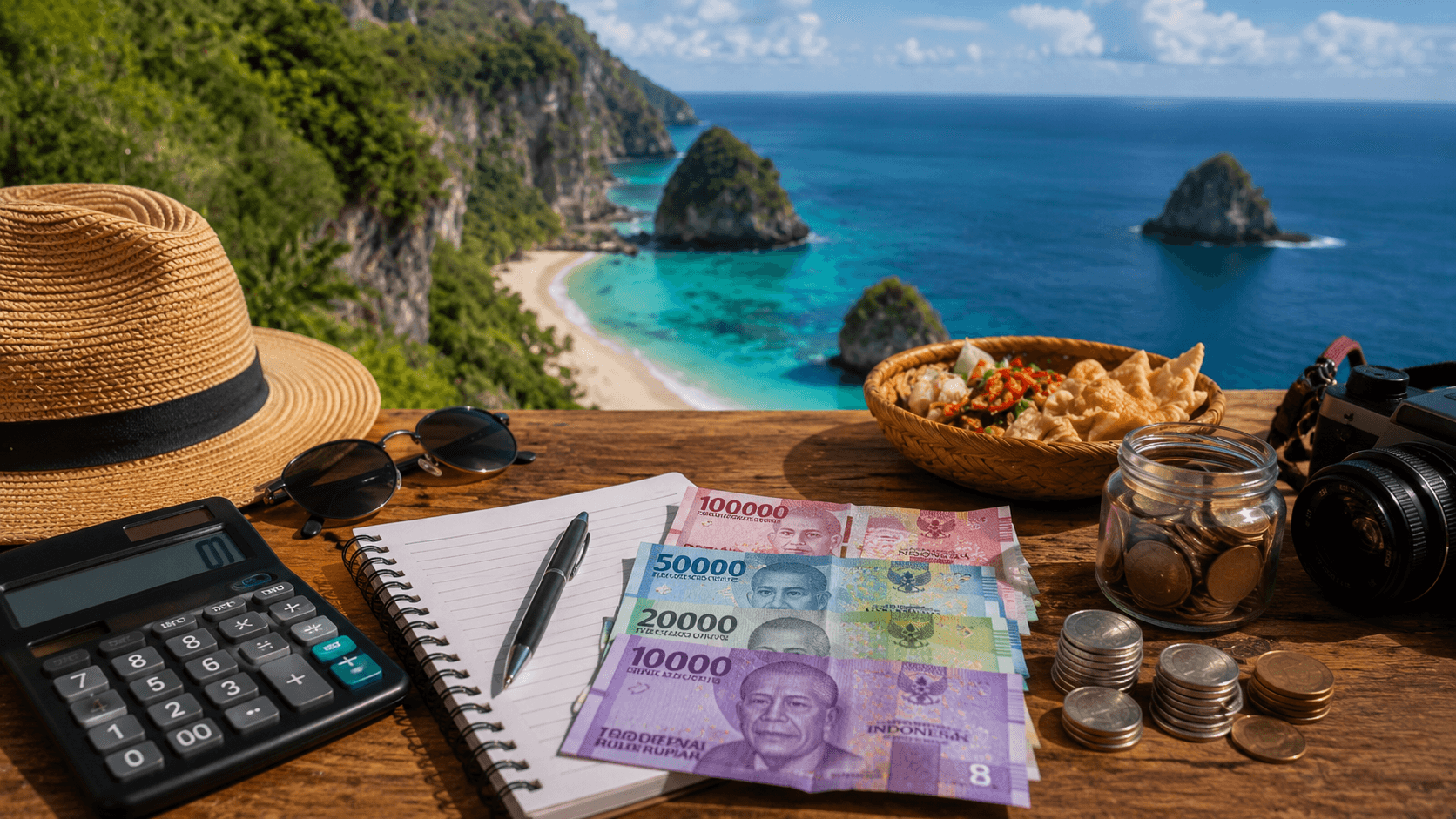
How Much Does a Trip to Indonesia Cost? A 2026 Budget Guide
An honest, research-backed 2026 breakdown of what Indonesia really costs: daily budget tiers, visas, flights, Komodo, diving and three costed two-week trips.
18/07/2026 · 15 minutes
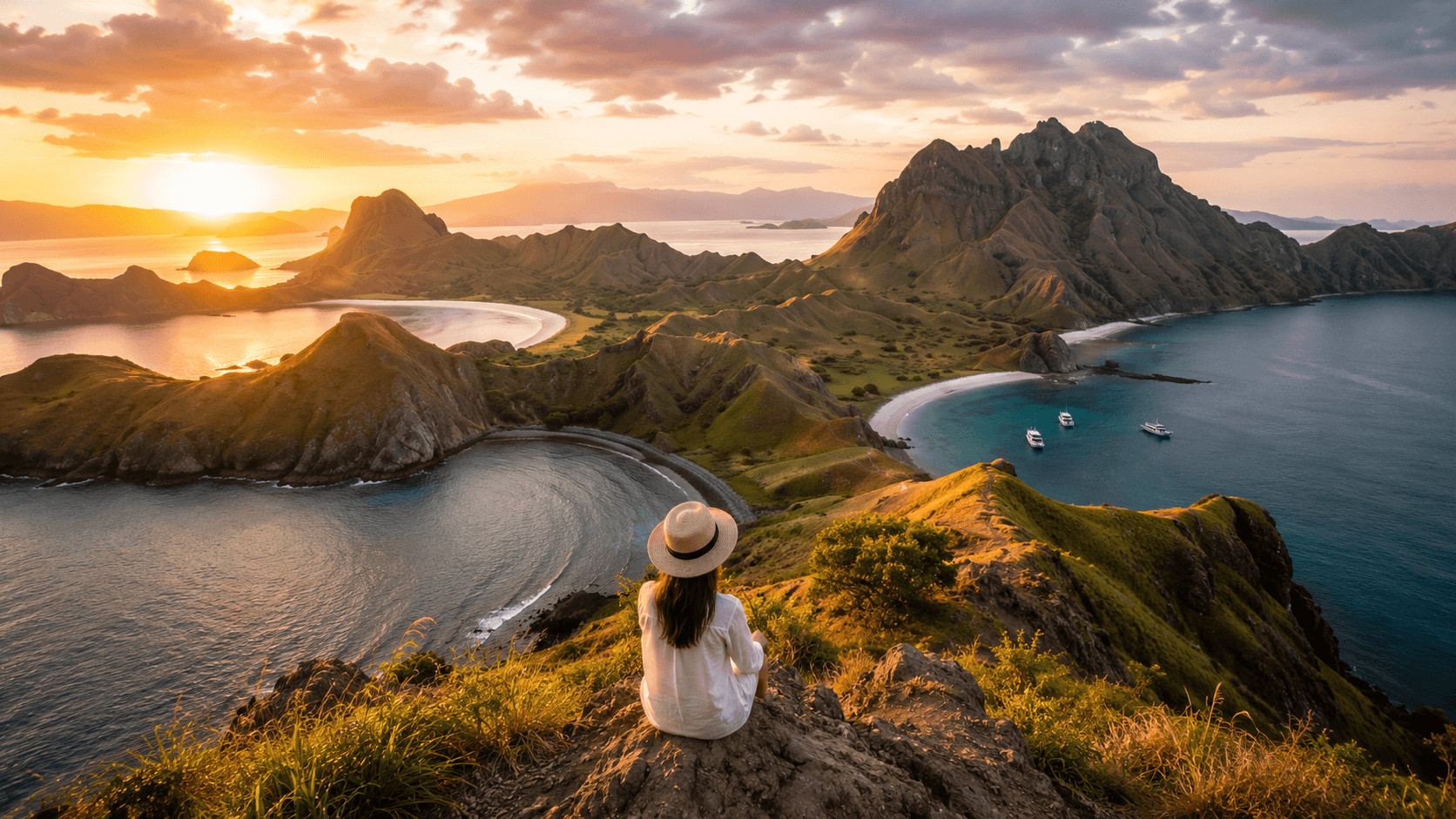
The Slow Traveler's Guide to Indonesia: Where to Go and When
Where to go in Indonesia and when: season-by-season advice and slow-travel routes across Java, Bali, Komodo, Sumatra, Sulawesi, Kalimantan and Raja Ampat.
The guides are designed to support understanding, not to prescribe standardized travel paths.
View All Travel GuidesOn the Ground in Indonesia
On the Ground provides a more dynamic perspective on Indonesia, highlighting evolving destinations, regional focuses and local realities. These articles reflect what is happening across the country, offering a more immediate and contextual understanding of the travel environment. This section complements the travel guides by providing a more immediate and evolving perspective of the destination.
 Practical Updates
26/10/2026
Raja Ampat Permits in 2026: Marine Park Fees, SIPARI and What You Pay
Raja Ampat's entry permit went up on 3 August 2026. Here is what the marine park fee and visitor ticket cost, and how to register through the SIPARI system.
 Practical Updates
19/10/2026
Entering Indonesia in 2026: The Arrival Card, Bali's Levy and the New Park Fees
Indonesia has merged its arrival formalities into one digital form and tightened fee collection. Here is exactly what to complete, pay and carry in 2026.
 Last Insights
15/10/2026
Indonesia's Wellness Pivot: Jamu, Festivals and the Slow-Travel Opportunity
Indonesia has named wellness a tourism priority for 2026, with a November festival programme in Solo and Yogyakarta. What it means, and where the risks lie.

Slow Travel Agencies in Indonesia
The agencies working in Indonesia range from Bali culture specialists to Java volcano operators and diving-and-islands guides. Knowing what each does best is the key to a trip that fits — and UNRUSH organises them by focus and approach so the right match is easier to find.
Explore All Slow Travel Agencies in IndonesiaGet matched with up to 5 trusted Indonesia agencies
Describe your trip once. Receive tailored proposals from up to five vetted travel agencies — and choose the one that fits you best.
- Free
- No obligation
- Up to 5 agencies
Slow Traveling in Indonesia: A Closer Look
Indonesia is not a single destination but a whole archipelago, and its scale is the first thing to plan around. More than 17,000 islands stretch across 5,000 kilometres, from Sumatra in the west to Papua in the east. Bali is only one small piece: Java carries the temples of Borobudur and volcanoes like Bromo and Ijen; Sumatra has rainforest and orangutans; Flores has Komodo dragons and the coloured lakes of Kelimutu; Sulawesi has the highland cultures of Toraja.
That scale changes how a trip should be planned. Each island is a different world in culture, landscape and travel logistics, and moving between them means flights and ferries that eat into time. Try to see half the country in two weeks and most of the trip becomes transit — coverage at the expense of ever really arriving.
A slower plan works the other way around. Instead of collecting islands, it chooses one or two and gives them real time, matched to the season. The drier months from around April to October suit most of the archipelago, but conditions vary island to island, so the right timing depends on where you go.
The hardest part to plan from abroad is the island-level detail — which ferry and flight connections actually work, when diving or volcano-climbing conditions are good, how to reach and respect places like Toraja or a Balinese temple ceremony. Agencies based in Indonesia carry that knowledge from experience, but their quality and focus vary widely, and they are hard to tell apart from a website alone.
This is where UNRUSH helps. Rather than listing operators at random, it organises agencies by how they work and where they specialise, so travellers can find a partner suited to the trip they want — a Bali-and-culture specialist, a Java volcanoes operator, or a diving and islands guide. The aim is not to simplify Indonesia, but to make its depth easier to navigate.