
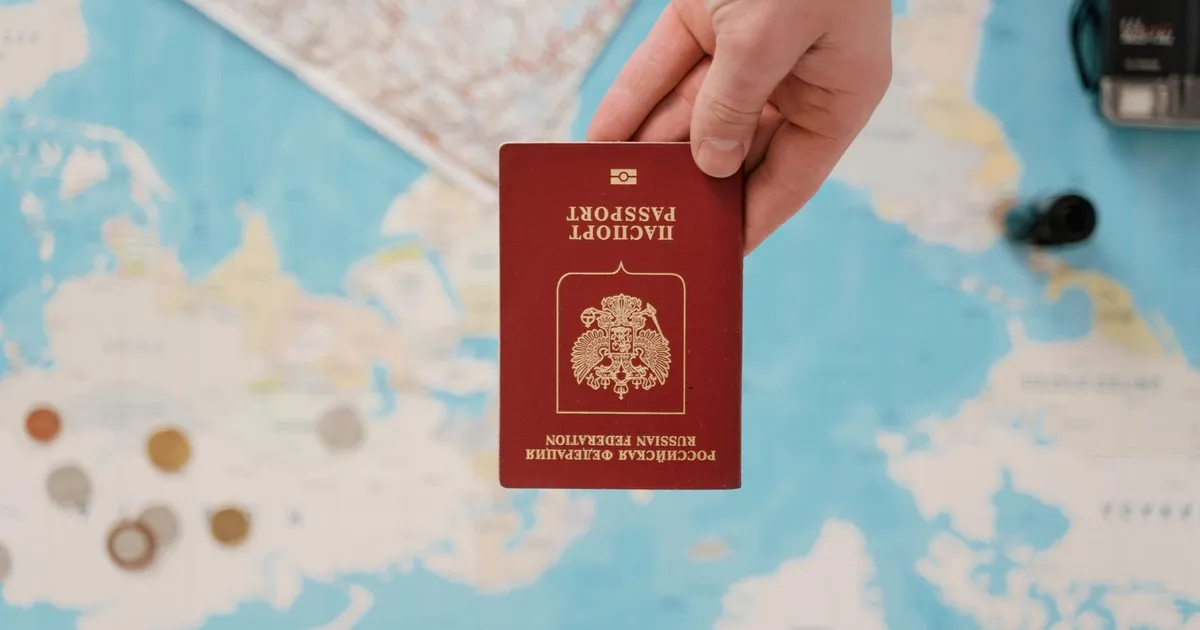

If you are planning a longer, slower trip to Thailand in 2026 and you need an actual visa rather than a visa-exempt entry, the way you apply has changed completely. As of early 2025, the Kingdom retired its old patchwork of embassy appointments, posted passports, and glued-in visa stickers. Every tourist and non-immigrant visa application now flows through a single government portal. It is a quiet but significant shift, and it is the kind of thing that trips up travellers who read a two-year-old blog post and turn up at an embassy expecting a counter.
This is a practical update, not a scare story. For most visitors from Europe, the Americas, and much of Asia-Pacific, nothing here applies at all, because you can still enter Thailand without a visa. But if you fall outside the visa-exempt list, want a longer stay than exemption allows, or simply prefer the certainty of an approved visa in hand before you fly, the new e-Visa is now the only official route. Understanding it properly saves money, avoids scams, and spares you the anxiety of a last-minute application. Slow travel starts before you leave home.
What Actually Changed in 2025 and 2026
For years, applying for a Thai visa depended entirely on where you happened to be. Some embassies had an online system; others still demanded a physical appointment, a printed form, and a passport left behind for a week. That fragmentation is over.
On 17 December 2024, Thailand's Ministry of Foreign Affairs announced the "Kick-off THAI E-VISA: Apply, Anywhere, Anytime" programme, and from early January 2025 the electronic visa system became available at all 94 Thai embassies and consulates worldwide. Since then, tourist and non-immigrant visa applications must be submitted through the official e-Visa portal. There are no more visa stickers glued into passports; your visa data is held electronically in the Thai Immigration Bureau's database, and you present a printed approval and your passport at the border.
In plain terms: if you need a Thai visa in 2026, you apply online, you pay online, and you do not hand your passport to anyone in advance. That is a genuine improvement for anyone doing a longer, considered trip.
One request. Up to five tailored proposals.
Skip contacting agencies one by one — share your trip once and let up to five trusted Thailand agencies come to you. Free, with no obligation.
Get my free quotesDo You Even Need an e-Visa?
This is the first and most important question, and for a large share of visitors the answer is no.
As of mid-2026, nationals of 93 countries and territories can still enter Thailand visa-free for up to 60 days, including Australia, Canada, France, Germany, Japan, South Korea, the United Kingdom, and the United States. If you hold one of those passports and your trip fits inside 60 days, you do not need an e-Visa at all. You simply complete the mandatory Thailand Digital Arrival Card and travel. We cover that process, plus the 30-day change and the tourist fee, in our companion piece on Thailand's 2026 entry rules, which is essential reading before any trip.
You will generally need a tourist e-Visa if:
- Your nationality is not on the visa-exemption list.
- You want to stay longer than your exemption allows in a single visit.
- You want the reassurance of a pre-approved visa, for example if you have had entry questions before.
A note of caution for 2026: the Thai Cabinet approved a plan on 19 May 2026 to overhaul the exemption scheme, potentially cutting the 60-day allowance to 30 days for most nationalities. As of this writing it had not yet been published in the Royal Gazette and was therefore not yet law, so the 60-day stamp was still being issued at the border. This is precisely why checking your own nationality's status shortly before you fly matters more than ever.

The Tourist e-Visa: Validity, Cost, and Timing
The standard single-entry tourist visa (category TR) grants a 60-day stay per entry and can be extended once by 30 days at a Thai immigration office, for a maximum of roughly 90 days on the ground. It must be used within 90 days of issue. There is also a multiple-entry tourist visa (METV) valid for six months, useful if you plan to hop to Laos, Cambodia, or Vietnam and return.
Government fees are modest, though they vary slightly by issuing post and currency. As a guide, the single-entry tourist visa fee is around 1,000 THB (commonly listed as roughly USD 40), while the multiple-entry version runs to about 5,000 THB (around USD 80). Note that some official posts revised their consular fee schedules for 2026, so treat any figure as indicative and confirm on the portal for your country before you pay.
Processing typically takes between 5 and 15 business days, excluding weekends and Thai public holidays. In practice, standard tourist applications have often averaged closer to two weeks. Do not leave this to the last fortnight. Apply three to four weeks ahead, which is comfortably within the slow-travel spirit of planning without pressure. If you are already mapping out a multi-week itinerary, our guide to the best regions and seasons in Thailand pairs naturally with sorting your visa early.
Get matched with up to 5 trusted Thailand agencies
- Free
- No obligation
- Up to 5 agencies
What You Need to Apply
The portal asks for digital scans, so gather these before you start:
- A passport valid for at least six months with two blank pages.
- A recent passport-style photo on a white background, taken within the last six months, no hat or glasses.
- Confirmed onward or return flights showing entry and exit.
- Proof of accommodation, such as hotel bookings or a host's invitation letter.
- Proof of funds. The Immigration Bureau has grown more careful here, looking for evidence that money has been maintained over time rather than a single large deposit dropped in days before applying.
Everything is uploaded and paid for by card. Once approved, you download and print your visa approval to show on arrival. Keep a digital copy on your phone as well.
Beware the Fake Visa Sites
This is the part that costs travellers real money, and it deserves its own section. The single official portal for Thailand's e-Visa is thaievisa.go.th. The .go.th ending signals a genuine Thai government domain.
A crowd of look-alike commercial sites sit around it, some with near-identical names, charging inflated "service fees" for something you can do yourself. One widely flagged example uses a .org address and presents itself as official while actually being a third-party agency. In January 2025, VFS Global itself warned about fraudulent e-visa websites that mimic the official portals and overcharge applicants.
A few habits protect you:
- Trust only
.go.thfor the government portal. Legitimate licensed Thai agents use.co.thor.in.th, which also require verified Thai registration. - Be wary of sponsored search results at the top of the page; scammers pay to sit there.
- Never share passport or card details with a site that has clumsy grammar, vague contact details, or fees far above the official ones.
If a site promises a "guaranteed" or "instant" visa for a suspiciously high price, close the tab. The official system is not glamorous, but it is the one that counts at the border.
How the e-Visa Fits a Slow Trip
There is a deeper point here that suits the way we travel. The e-Visa rewards planning. Because you must know your dates, your entry and exit, and roughly where you are staying, the application quietly forces you to shape your trip before you arrive rather than improvising in a jet-lagged haze. For a longer, unhurried journey, that is a feature, not a burden.
A pre-approved 60-day visa, extendable to about 90, also unlocks the kind of trip Thailand rewards most: a month in the north around Chiang Mai and the mountains, unhurried weeks on the islands, time for the quieter provinces most visitors skip. If you would rather someone local shape and book that arc for you, our vetted Thailand travel agencies handle logistics, permits, and pacing so your visa window is spent well rather than spent queueing.
Keep the paperwork simple and honest. Book refundable or genuinely intended flights and accommodation, keep your funds where they are, and print what the system tells you to print. Thailand's immigration officers are courteous but thorough, and a calm, well-prepared traveller almost never has a problem.
What to Do Next
- Check your nationality's current status on the official portal or a Thai embassy site to confirm whether you even need a visa, and whether the exemption is 60 or a possible 30 days by the time you travel.
- If you need one, decide between the single-entry tourist visa and the multiple-entry version based on whether you will leave and re-enter the country.
- Gather your scans: passport, photo, flights, accommodation, and steady proof of funds.
- Apply only at thaievisa.go.th, at least three to four weeks before departure.
- Pay by card on the portal, then download and print your approval, and keep a phone copy.
- Complete your Thailand Digital Arrival Card in the days before arrival, separately from the visa.
- Carry printed proof of your visa and onward travel to the immigration counter.
Frequently Asked Questions
Is thaievisa.go.th the only official website?
Yes. The single official portal for Thai tourist and non-immigrant e-Visas is thaievisa.go.th, ending in the government .go.th domain. Everything else is either a licensed agent or, too often, an overpriced copycat. Apply there directly and you pay only the government fee.
Do I need an e-Visa if I am from the UK, US, EU, or Australia?
Usually not for a short trip. As of mid-2026, 93 nationalities including these enter visa-free for up to 60 days. You would only need an e-Visa to stay longer than the exemption or if the rules change for your nationality, which is why you should check close to departure.
How much does the tourist e-Visa cost?
Government fees are roughly 1,000 THB (about USD 40) for a single-entry tourist visa and around 5,000 THB (about USD 80) for the multiple-entry version. Fees vary slightly by post and were revised at some consulates in 2026, so confirm the exact amount on the portal for your country.
How long does approval take?
Plan for 5 to 15 business days, and often closer to two weeks in practice, not counting weekends and Thai public holidays. Apply three to four weeks before you fly so a delay never threatens your trip.
How long can I stay on a tourist e-Visa?
A single-entry tourist visa gives 60 days per entry, extendable once by 30 days at a Thai immigration office, for up to about 90 days. It must be used within 90 days of being issued.
Can I still walk into an embassy and get a sticker visa?
No, not as the standard route. Since early 2025 applications run through the online system, visa stickers are being phased out, and your visa is held electronically. Some embassies offer limited in-person support, but the e-Visa portal is now the official channel.
Is the e-Visa the same as the DTV long-stay visa?
No. The DTV is a specific five-year Destination Thailand Visa for remote workers and long-stay visitors, applied for through the same e-Visa system but with its own rules and higher fee. See our dedicated DTV long-stay guide if a multi-year base in Thailand is what you are after.