

Travel to Thailand
Slow travel in Thailand — from the mountains of the north to the islands of two coasts, explored with time and context.
Chiang Mai's temples, Bangkok's canals, Isan's Khmer ruins and the beaches of the Andaman and Gulf coasts each ask for a different pace. This is Thailand approached region by region, not checklist by checklist.
Understanding Thailand as a travel destination
Thailand stretches more than 1,600 kilometres, from the forested hills bordering Myanmar and Laos to the coral islands near the Malaysian border — a range that produces very different journeys within a single country.
The cool, mountainous north around Chiang Mai and Chiang Rai feels worlds apart from the temple plains of the centre, the Lao-influenced Isan plateau in the northeast, or the beach-and-jungle south split between the Andaman Sea and the Gulf of Thailand.
Each region keeps its own dialect, cuisine and festivals — northern khao soi and lantern nights have little in common with Isan's som tam and rocket festivals, or the sea-facing cultures of the south.
Weather adds another layer: the north and centre share one monsoon calendar, but the Andaman and Gulf coasts have opposite rainy seasons, so timing shapes where a trip should go as much as what it includes.
Reading these regional and seasonal differences is what separates a coherent Thailand itinerary from a rushed loop of Bangkok, Chiang Mai and a single island.
UNRUSH exists to make those trade-offs clearer — helping travellers match the right regions, seasons and local agencies to the trip they actually want.
Ready to travel? Get free quotes from up to 5 Thailand agencies
Request free quotesThe Destination
Thailand divides into four regions that each travel differently — in climate, landscape, transport and pace.
Knowing how they differ is the first step to a trip that feels deliberate rather than rushed.
Geography & Regions
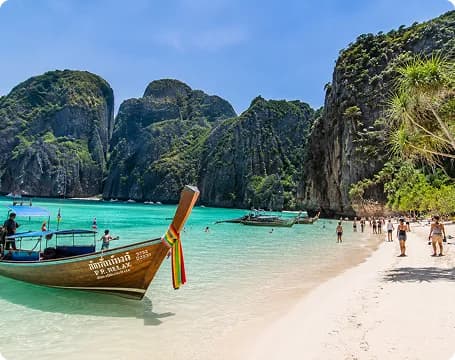
Thailand runs from the mountainous mainland of the north to a long southern peninsula, creating sharp differences in climate, landscape and how easily places connect.
It is usually read as four regions: the northern highlands around Chiang Mai; the central plains and Bangkok; the Lao-influenced Isan plateau in the northeast; and the southern peninsula with its Andaman and Gulf coasts.
Each calls for its own timing, logistics and pace — and few are best combined in a hurry.
Culture & Heritage
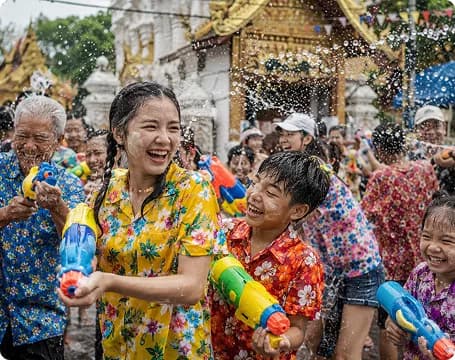
Thai culture is shaped by Theravada Buddhism, a long-standing monarchy, and strong regional identities that shift as you travel.
The old capitals of Ayutthaya and Sukhothai, the hill communities and night markets of the north, the Khmer temples of Isan, and the Muslim-influenced towns of the deep south each tell a different part of the story.
A little context — on temple etiquette, the monarchy, and festivals like Songkran and Loy Krathong — goes a long way toward travelling respectfully.
Travel Context
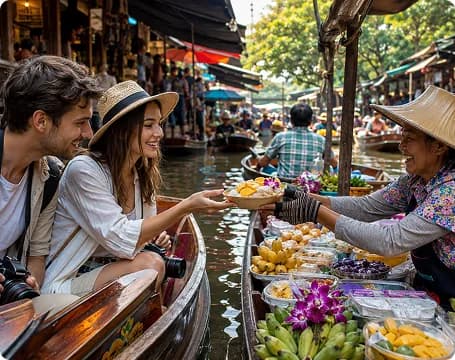
Thailand mixes excellent infrastructure — fast trains, cheap flights, good roads — with pockets that stay slow and remote, especially in the far north and on smaller islands.
Distances and seasons matter: the Andaman coast (Phuket, Krabi) and the Gulf coast (Koh Samui, Koh Phangan) run on opposite rainy seasons, so the best island depends entirely on the month.
Getting these details right is what keeps an itinerary from fragmenting into long transfers and missed weather windows.
Slow Traveling in Thailand
Thailand rewards travellers who slow down. Its regions are distinct enough that trying to see them all at once usually means seeing none of them well.
A Different Way to Approach Travel
Thailand is often done as one fast loop — a few days in Bangkok, a quick flight north to Chiang Mai, then straight to an island.
It covers ground, but it rarely leaves time for the markets, temples, cooking classes and slow boat rides that make each place memorable.
A more considered trip usually means:
Understanding Local Context
A northern hill village, a Bangkok canal neighbourhood and a southern fishing island run on completely different rhythms and customs.
Travelling well here means reading those differences, including:
That awareness turns a standard sightseeing trip into something closer to the place itself.
Letting the Trip Breathe
A good Thailand journey is not measured by how many provinces you tick off, but by how well the days fit together.
Balancing north and south, matching the season to the coast, and leaving room for the unplanned all make the difference.
That usually means choosing fewer places and giving each of them real time.
In Thailand, travelling slowly is not seeing less — it is understanding more.
A local agency that knows its region well can make this far easier, shaping the pace and route around how a place actually works.
One request. Up to five tailored proposals.
Skip contacting agencies one by one — share your trip once and let up to five trusted Thailand agencies come to you. Free, with no obligation.
Explore Thailand Through Slow Travel Guides
Travel guides provide a structured way to understand Thailand beyond surface-level information. Each guide is designed to offer in-depth insights into specific aspects of the country, combining cultural context, regional understanding and practical considerations. Rather than isolated articles, these guides contribute to a broader and more coherent perspective of the destination.
26/10/2026 · 15 minutes
Thailand Off the Beaten Path: Where to Go to Avoid the Crowds
The best of Thailand is where the tour buses don't go. A guide to the country's quietest regions and islands — Nan, Chiang Dao, Isan, Koh Mak, Trang — for slow travelers.
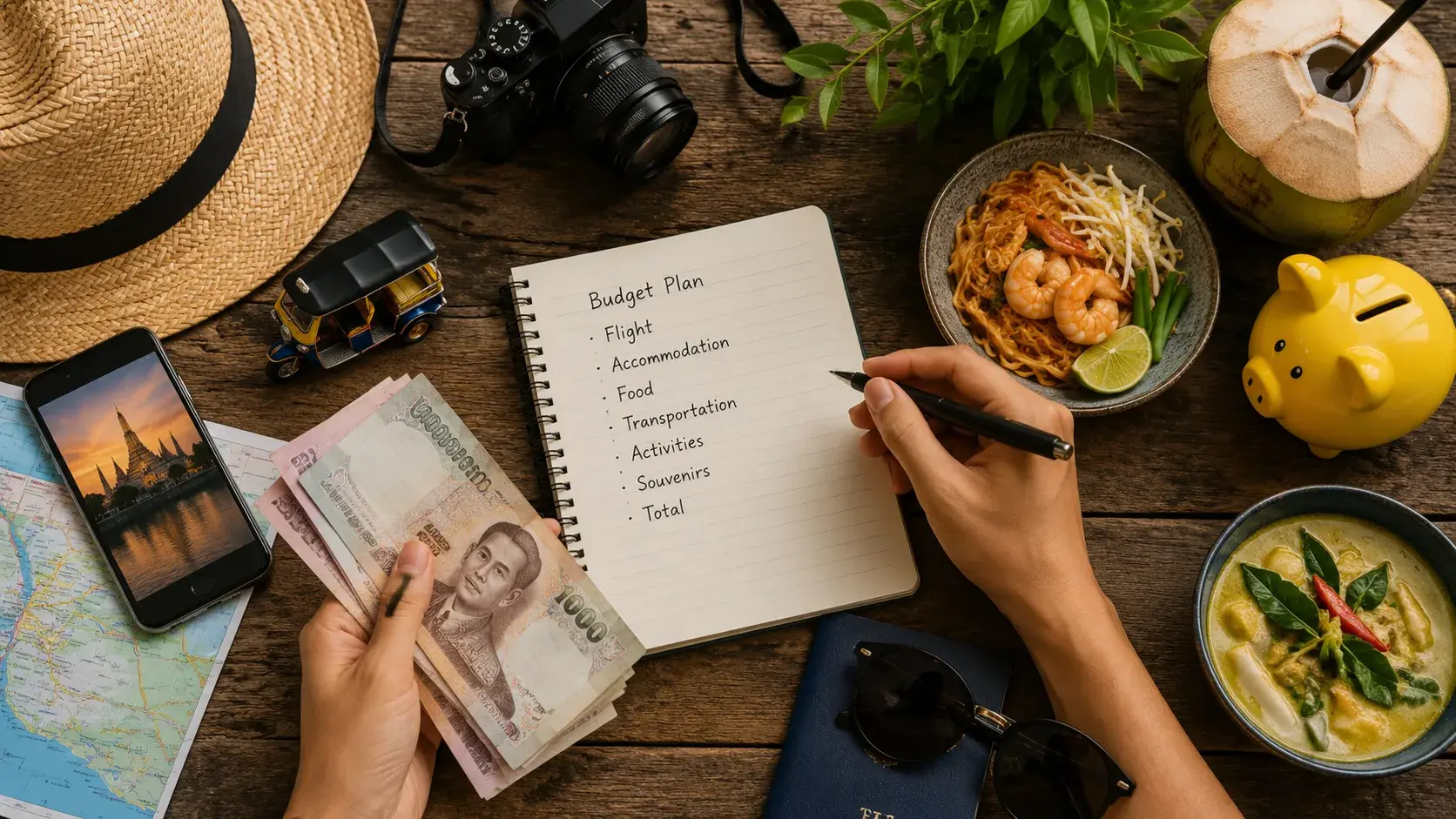
28/06/2026 · 15 minutes
How Much Does It Cost to Travel Thailand in 2026? A Complete Budgeting Guide
A clear, value-first breakdown of what a Thailand trip really costs in 2026 — daily budgets, food, stays, transport and three fully costed two-week plans.
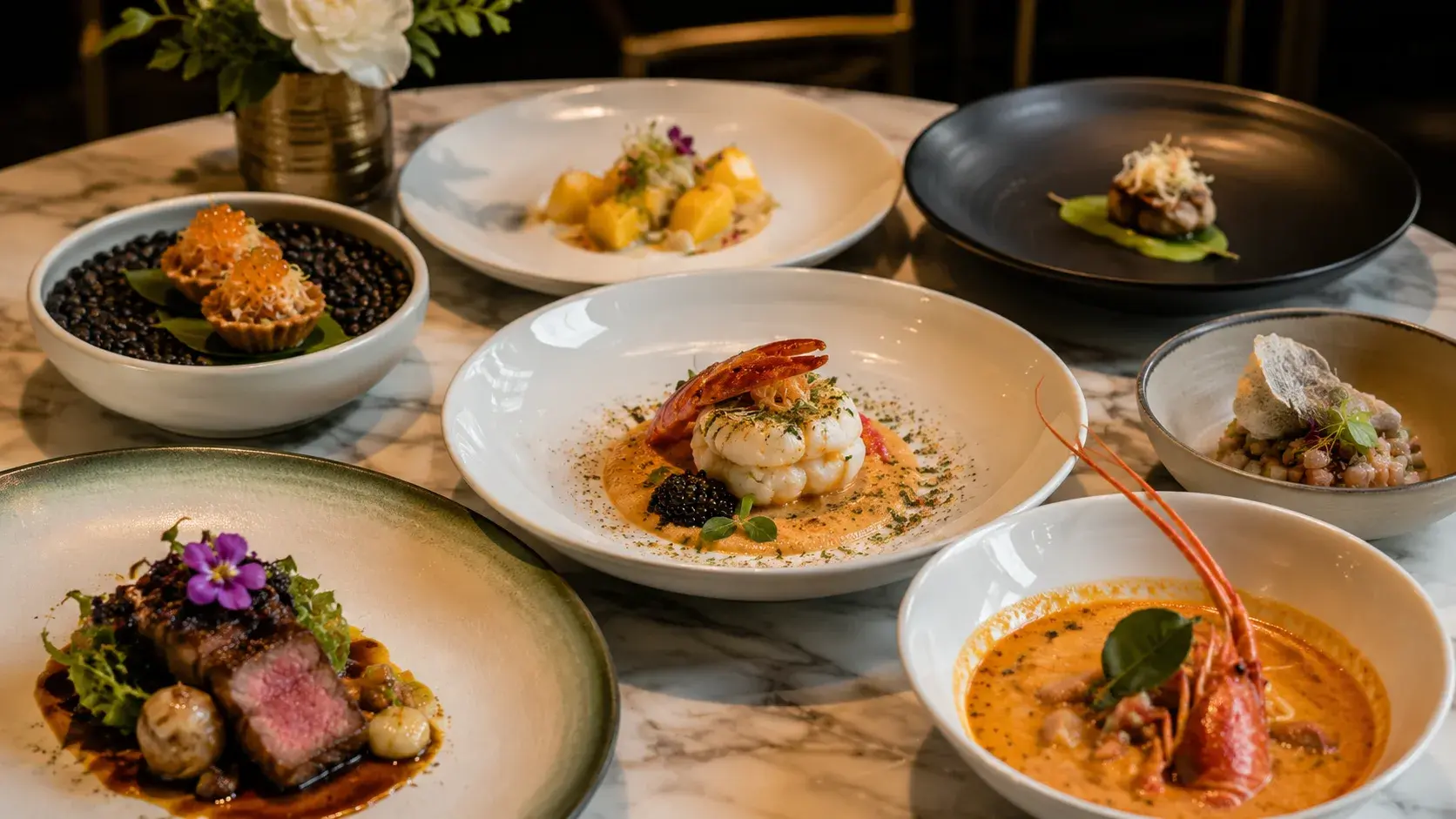
28/06/2026 · 15 minutes
The Ultimate Guide to Thai Food in 2026: Street Food, Michelin Stars & Regional Cuisine
Thailand is one of the world's great food destinations in 2026. From Michelin-starred street stalls to four distinct regional cuisines, here's the complete food guide.
The guides are designed to support understanding, not to prescribe standardized travel paths.
View All Travel GuidesOn the Ground in Thailand
On the Ground provides a more dynamic perspective on Thailand, highlighting evolving destinations, regional focuses and local realities. These articles reflect what is happening across the country, offering a more immediate and contextual understanding of the travel environment. This section complements the travel guides by providing a more immediate and evolving perspective of the destination.
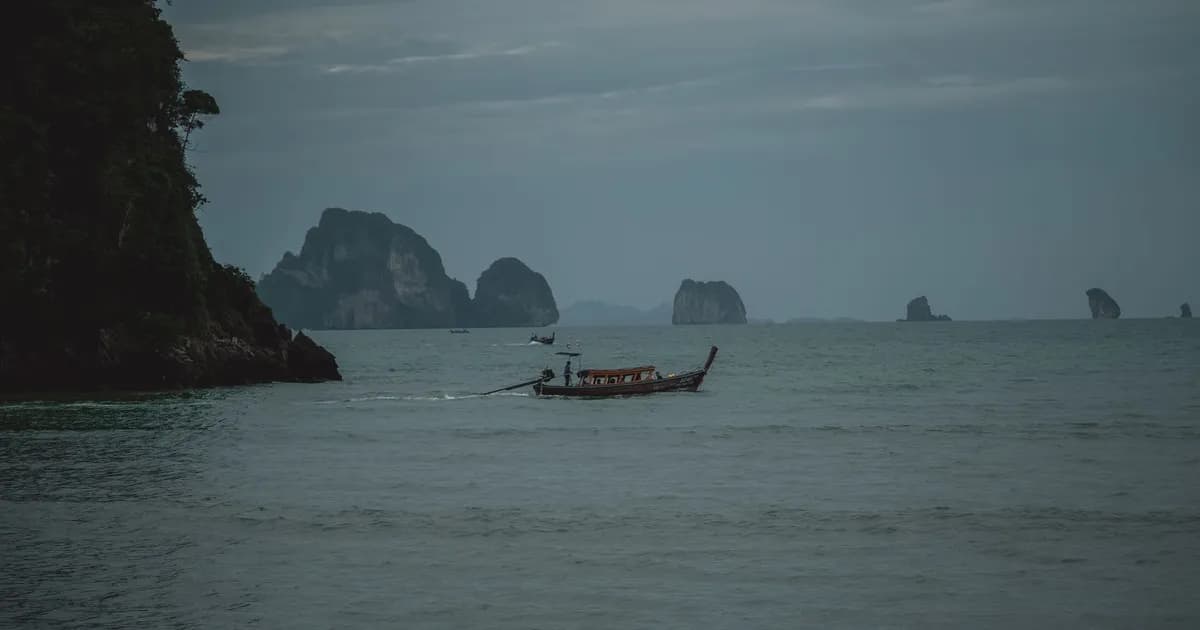 Regional Focus
22/10/2026
The Trang Islands: Koh Mook, Koh Kradan and Koh Ngai at Their Own Pace
Koh Mook, Koh Kradan and Koh Ngai are the Andaman as it used to be: no roads, few crowds, quiet mornings. A slow guide to Thailand's Trang islands.
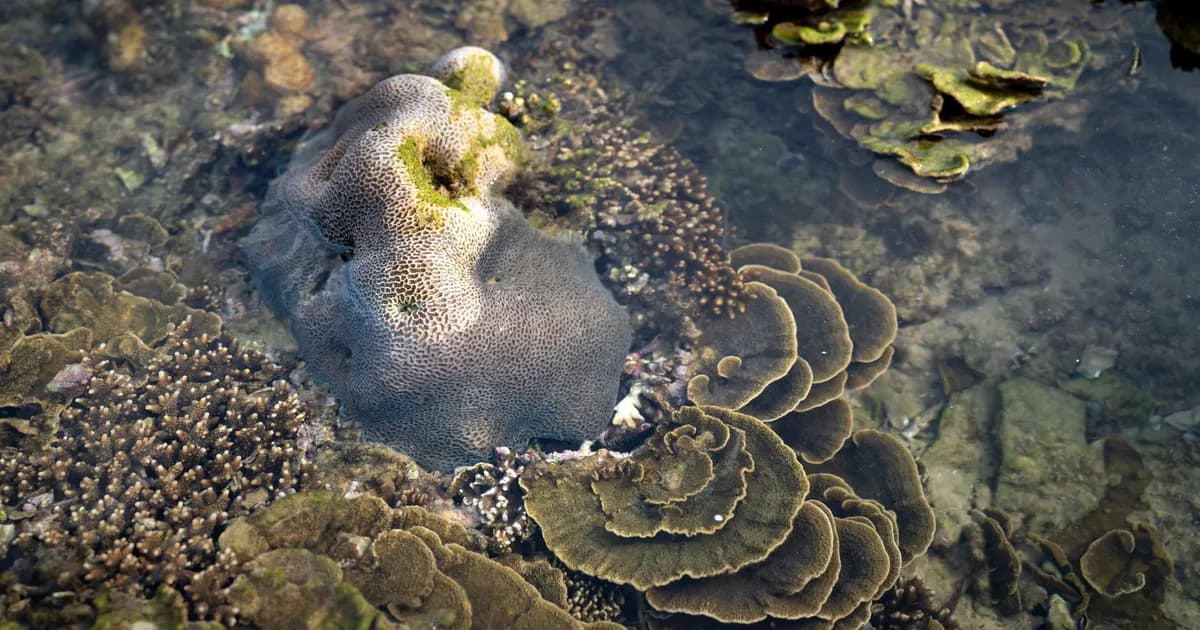 Last Insights
21/10/2026
Conservation Over Crowds: How Thailand's National Parks Are Changing in 2026
Seasonal closures, visitor caps and e-tickets are reshaping Thailand's parks in 2026. What the shift from crowds to conservation means for slow travellers.
 Practical Updates
19/10/2026
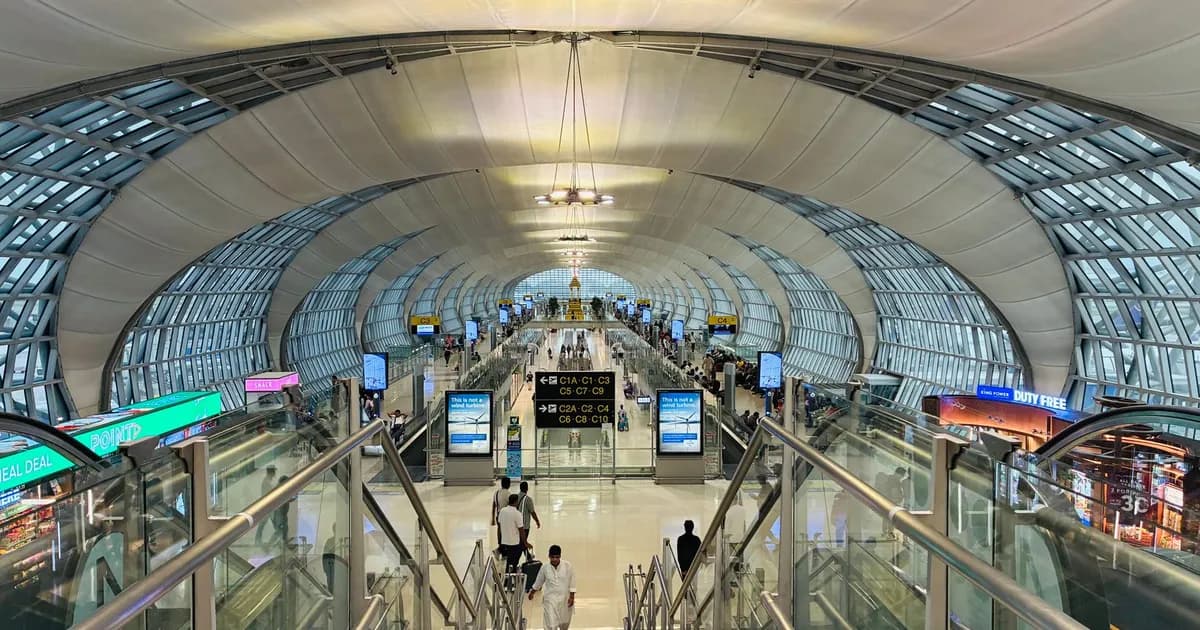
Bangkok's Airport Rail Link Handover: Getting Into the City in Late 2026
The private operator of Bangkok's Airport Rail Link is leaving at the end of September 2026. What that means in practice, and how to reach the city anyway.

Slow Travel Agencies in Thailand
The agencies working in Thailand range from northern trekking specialists to southern dive operators and nationwide slow-travel planners. Knowing what each does best is the key to a trip that fits — and UNRUSH organises them by focus and approach so the right match is easier to find.
Explore All Slow Travel Agencies in ThailandGet matched with up to 5 trusted Thailand agencies
Describe your trip once. Receive tailored proposals from up to five vetted travel agencies — and choose the one that fits you best.
- Free
- No obligation
- Up to 5 agencies
Slow Traveling in Thailand: A Closer Look
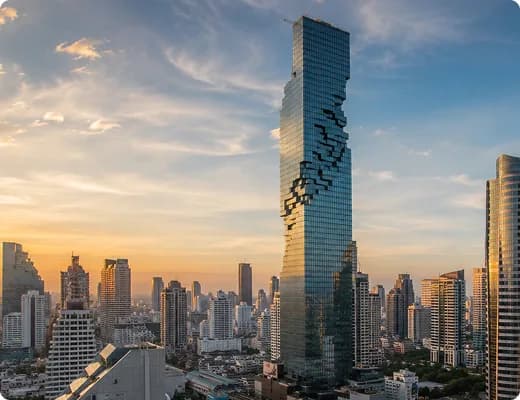
Thailand is one of Southeast Asia's most visited countries, and that popularity hides how varied it really is. Behind the familiar images of Bangkok and beach resorts sit four regions with their own geography, climate and culture. The north around Chiang Mai and Chiang Rai is mountainous and cool; the central plains around Bangkok are flat, hot and fast-moving; the Isan northeast is dry, rural and Lao-influenced; and the southern peninsula is tropical, with two coasts on opposite monsoon cycles.
Those differences change how a trip should be planned. The north suits mountain scenery, hill-tribe communities and cooler-weather trekking; the south is about islands and diving; Isan offers Khmer ruins and some of the country's best food with almost none of the crowds. String them together too quickly and the itinerary fills with long transfers, back-to-back flights and rushed stops — coverage at the expense of actually being anywhere.
A slower plan works the other way around. Instead of covering the map, it picks two or three regions that fit the season and the traveller's interests, and gives each enough time to breathe. When to go matters as much as where: November to February is cool and dry across most of the country, while the Andaman and Gulf coasts trade rainy seasons through the year.
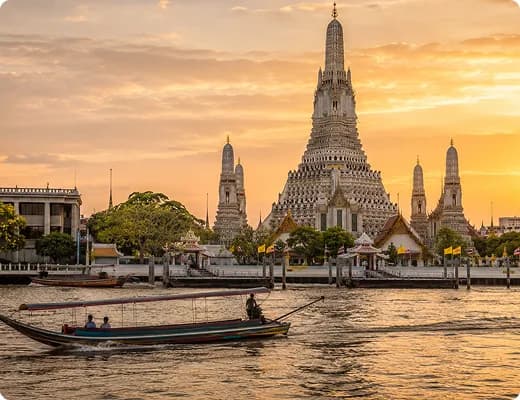
The hardest part to plan from abroad is the local detail — which valley is worth the extra day, which islands stay quiet in a given month, how to reach the places public transport skips. Agencies based in Thailand carry that knowledge from experience, but their quality and focus vary widely, and they are hard to tell apart from a website alone.
This is where UNRUSH helps. Rather than listing operators at random, it organises agencies by how they work and where they specialise, so travellers can find a partner suited to the trip they want — a northern trekking specialist, a southern diving operator, or a slow-travel generalist. The aim is not to simplify Thailand, but to make its depth easier to navigate.