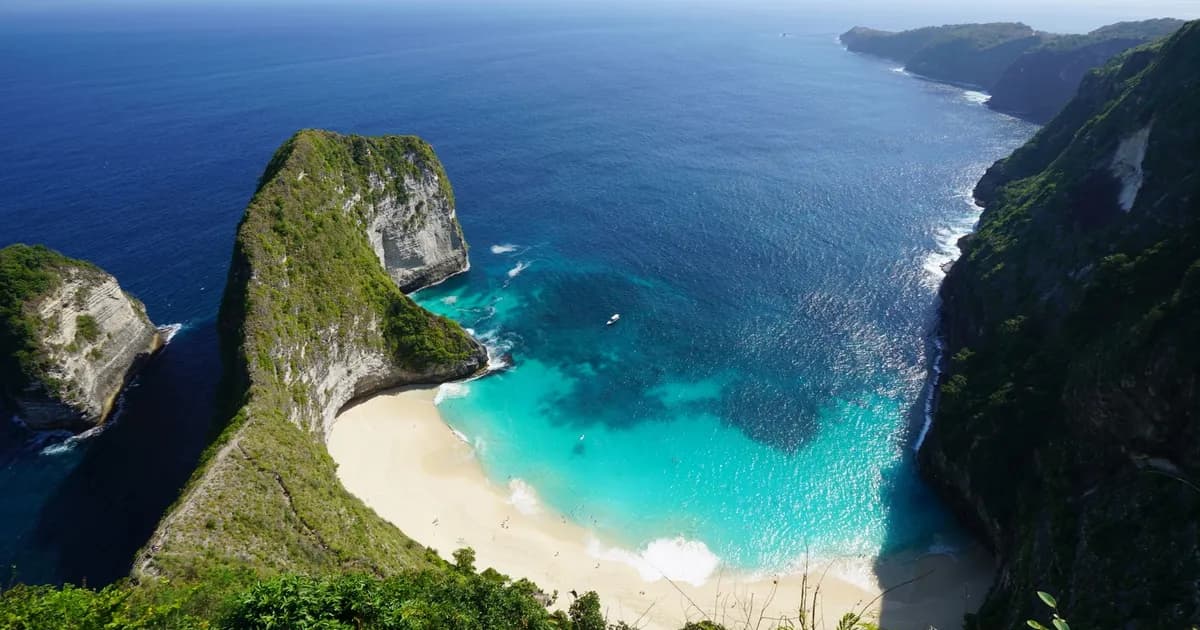


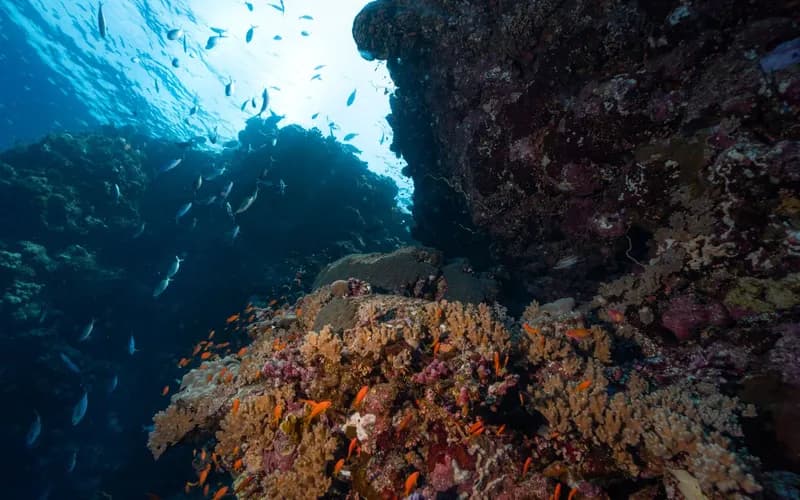
Raja Ampat is one of the few places on earth where the entrance fee is genuinely defensible. The archipelago holds the highest recorded marine biodiversity on the planet, its reefs are patrolled and its no-take zones enforced, and the money visitors pay is one of the main reasons both remain true. What has changed in 2026 is the amount, the structure and the paperwork. If you are travelling to Raja Ampat this year, the numbers you find in older guides are out of date, and the registration step that most people skip is now the one most likely to hold you up at the pier.
What Changed on 3 August 2026
The headline change is the price of the marine park entry permit, also called the environmental service fee and known locally by the plastic card you receive, the PIN card. As of 3 August 2026 the rate for international passport holders is 1,000,000 IDR, valid for twelve months from the date of purchase. The previous rate, 700,000 IDR, is still quoted on a great many websites and even on some tour operator invoices, so expect to see both figures and budget for the higher one.
Indonesian citizens pay on a different basis: 25,000 IDR per day rather than an annual card. Children under twelve are exempt from the permit entirely.
The increase is not arbitrary. It sits within a broader recalibration of how Indonesia manages its highest-value marine destinations, the same policy current we examined in Indonesia's marine tourism reckoning. The logic is straightforward: fewer, better-paying visitors, with the revenue ringfenced for conservation and local government rather than absorbed into general funds.
One request. Up to five tailored proposals.
Skip contacting agencies one by one — share your trip once and let up to five trusted Indonesia agencies come to you. Free, with no obligation.
Get my free quotesThe Two Payments, Explained
Fees at a glance
- Marine park tag (foreigner)
- IDR 1,000,000
- Domestic (Indonesian)
- IDR 25,000 per day
- Visitor entry ticket
- IDR 300,000
- Children under 12
- Exempt from the permit
- Where
- SIPARI online / Sorong or Waisai counter
- Valid
- 12 months from purchase (ticket: one visit)
Travellers routinely confuse the two separate charges. They are not alternatives, and you will be asked for both.
- Marine Park Entry Permit (environmental service fee). 1,000,000 IDR for foreign visitors as of August 2026. Valid twelve months. This is the conservation charge, and it funds ranger patrols, reef monitoring, no-take-zone enforcement and environmental education across the Raja Ampat marine protected area network. You receive a physical card, which you must carry.
- Visitor Entry Ticket (tourist entry pass). 300,000 IDR. This is a regency tourism levy introduced in 2019, and it functions as infrastructure funding: jetties, ports, waste management and visitor services. It covers a single visit, so if you leave the regency and return, you buy another.
Budget 1,300,000 IDR per adult, roughly 75 to 80 euros at 2026 rates, as your baseline cost of entry before you have paid for a single boat trip. Keep both receipts and the physical card together; they are checked separately, sometimes by different officials on the same day.

SIPARI: The Registration Step Everyone Misses
- Step 1Register on the SIPARI portal with passport details, dates and accommodation
- Step 2Pay online by card or transfer, or in cash at the counter
- Step 3Show the QR code / collect the physical PIN card on arrival
New for 2026 is SIPARI, the Sistem Informasi Pariwisata Raja Ampat, the regency's visitor information system. Every visitor is expected to register through it before arrival, with passport details, dates and where you are staying. The intended flow is that you register online at the official portal, pay, and arrive with a QR code.
The practical reality in August 2026 is messier. The marine park authority moved its website to a new domain and data migration is ongoing, with the result that online registration and online payment have been intermittently unavailable. Where that is the case, visitors are asked to complete registration in person on arrival.
That means one thing above all: do not plan a same-day transfer that depends on the online system working. Check the official portal a week before you travel, attempt to register, and if it fails, allow an unhurried hour at the counter in Sorong or Waisai. If you are booked with a liveaboard or a dive resort, ask them explicitly whether they handle SIPARI on your behalf; many do, and it is the single most useful thing they can do for you.
Get matched with up to 5 trusted Indonesia agencies
- Free
- No obligation
- Up to 5 agencies
Where and How to Pay
There are three reliable options.
Online, in advance. Through the official marine park authority portal, when it is functioning. You pay by card or transfer, receive a digital receipt, and exchange it for the physical card on arrival. Save the receipt offline as a screenshot, because mobile data in the islands is unreliable.
At Sorong harbour. The Marine Park Authority counter sits at the ferry terminal in Sorong, where almost everyone passes through en route to Waisai. Present your passport, pay in cash or by card, and receive the card. This is the most common route and generally takes fifteen to forty minutes depending on the ferry queue.
At the BLUD UPTD office in Waisai. The authority's office in the regency capital handles payments and registration for anyone who arrived without paying, including those flying directly or arriving by private boat.
Two warnings. First, card machines fail regularly, so carry enough rupiah in cash to cover both fees; ATMs in Waisai exist but run out. Second, pay only at official counters. Any offer to arrange the permit informally, at a discount, or through a third party at the dock is not legitimate, and an invalid card is worse than none because you will pay again.
Village Homestays and Who Gets the Money
Where you sleep in Raja Ampat determines how much of your spending stays in the archipelago. Alongside the dive resorts and liveaboards, there is a large network of village-owned homestays, typically simple over-water or beachfront bungalows run by Papuan families, generally 350,000 to 700,000 IDR per person per night including three meals and drinking water.
These are not a budget compromise. They put you on the reef, in a village, with hosts who know the currents and the tides, and they distribute tourism income across communities rather than concentrating it in a handful of foreign-owned properties. They also book up months ahead for the December to March window. Contact is usually by WhatsApp or through the homestay association's own site, and payment is almost always cash on departure, which our guide to choosing and booking a homestay in Indonesia covers in more detail.
Extra Site Fees Beyond the Main Permits
The two headline payments do not cover everything. Individual sites and villages levy their own charges, collected locally and in cash. Expect roughly the following per person, and treat them as approximate because they change:
- Piaynemo viewpoint and jetty: around 200,000 to 350,000 IDR.
- Wayag, including the ranger post and the climb: similar or higher, and often bundled into boat charter pricing.
- Arborek and other village visits: 50,000 to 150,000 IDR.
- Manta point and specific dive sites: sometimes an additional local levy.
Carry a stack of 50,000 and 100,000 IDR notes for this. Nobody in the outer islands can change a 100,000 note for a 20,000 fee, and there is no card payment beyond Waisai.
Getting There, and Why the Timing Matters
Raja Ampat is reached through Sorong, on the western tip of Papua's Bird's Head Peninsula. Domine Eduard Osok Airport (SOQ) has connections from Jakarta, Makassar, Manado and Ambon, most of them overnight or early morning.
From Sorong, the passenger ferry to Waisai on Waigeo takes around two hours and runs twice daily, typically departing mid-morning and early afternoon, with economy and VIP classes at modest cost. Schedules shift with sea conditions and holidays, and the afternoon sailing is the one that gets cancelled.
The connection is tight and unforgiving. A delayed flight into Sorong means a missed ferry means a night in Sorong, which is a working port city rather than a destination. Build a buffer night into the plan in both directions, a principle that applies across the country and which we set out in our guide to island-hopping Indonesia slowly.
Season matters too. October to April is generally the calmer, clearer window, with the peak from December to March. May to September brings stronger winds and rougher crossings to the outer islands, though diving remains good and prices soften.
Common Mistakes and How to Avoid Them
The errors that cost travellers time and money in Raja Ampat are predictable.
Assuming the permit is a one-off national park fee. It is not; there are two payments, plus site fees, plus the arrival formalities that apply to Indonesia as a whole. If you have not already sorted your visa and the electronic arrival card, our summary of entering Indonesia in 2026 is the place to start.
Arriving without cash. Waisai has ATMs and they are unreliable. Withdraw in Sorong, and withdraw more than you think you need.
Losing the card. The PIN card is your proof for twelve months, and replacing it means paying again. Photograph it, and keep the physical card in a dry bag.
Booking a homestay for the same day you land. The ferry, the permit counter and the onward village boat rarely align. Plan a night in Waisai or an early ferry.
Expecting connectivity. Mobile coverage is patchy across the islands and absent in many homestays. Download maps, tickets and receipts before you leave Sorong.
What to Do Next
- Check the official portal a week out. Attempt SIPARI registration and payment online, and screenshot whatever confirmation you receive.
- Budget 1,300,000 IDR per adult for entry. Add roughly 500,000 to 1,000,000 IDR for site fees across a week, in cash.
- Withdraw rupiah in Sorong. Take enough for permits, site fees, homestay payment and boat charters, in small denominations.
- Book the homestay or resort well ahead. December to March fills months in advance, and the good village homestays fill first.
- Add a buffer night at each end. One in Sorong on the way in, one on the way out, and the whole trip stops being fragile.
- Consider a specialist for the logistics. Permits, ferries, village boats and dive planning stack up quickly, and the vetted Indonesian operators in our directory handle the sequencing without turning the trip into a package.
Frequently Asked Questions
How much does it cost to enter Raja Ampat in 2026?
For a foreign adult, budget 1,300,000 IDR: a 1,000,000 IDR marine park entry permit valid for twelve months, plus a 300,000 IDR visitor entry ticket valid for one visit. Indonesian citizens pay 25,000 IDR per day for the permit. Children under twelve are exempt from the permit. Site-specific fees at places such as Piaynemo and Wayag are additional and paid in cash.
Is the marine park permit really valid for a whole year?
Yes. The permit runs twelve months from the date of purchase, so a second trip within that window does not require repurchase, provided you still have the physical card. The visitor entry ticket, by contrast, covers a single visit and must be bought again if you leave the regency and return.
Do I have to register with SIPARI before I arrive?
You are expected to, and it is the smoother path when the system is working. As of August 2026 the portal has been affected by a website migration, and in-person registration on arrival is being accepted. Try online first, keep evidence of the attempt, and allow time at the counter in Sorong or Waisai if it fails.
Can I pay the fees by card?
Sometimes. Card payment is offered at the Sorong and Waisai counters and through the online portal, but terminals and connections fail often enough that cash should be your default. Bring the full amount in rupiah, withdrawn in Sorong, and treat card acceptance as a bonus rather than a plan.
What happens if I turn up without a permit?
You will be sent to pay, which in practice means a delay rather than a fine. Rangers check cards at dive sites, jetties and popular viewpoints, and homestay hosts will usually ask to see the card as well, because they are responsible for reporting guests. There is no realistic way to visit the islands without paying, and the money is doing visible work.
When is the best time to visit?
October to April offers the calmest seas and clearest water, with December to March the peak. May to September brings stronger southeast winds and rougher passages to the outer islands, particularly Wayag, but the diving remains excellent and both boats and beds are easier to secure. Manta aggregations vary by season and site, so ask locally rather than relying on a general calendar.
Are the fees actually spent on conservation?
Broadly, yes, and Raja Ampat is one of the better-documented examples in Indonesia. The environmental service fee supports the marine protected area network, including patrols and no-take-zone enforcement, and a defined share is allocated to local communities and village development. The visitor entry ticket goes to regency infrastructure, which is less directly conservation but does fund waste management, an area where the islands genuinely need help.