

In July 2026, Indonesia's tourism minister stood up in Jakarta and called wellness tourism one of the country's priorities for quality travel. A national programme followed, built around two festivals in the Javanese royal cities. It is easy to dismiss this as another branding exercise. It is more interesting than that. Wellness is the government's attempt to move visitors away from volume and towards depth, which is, on paper, exactly what slow travellers have been asking for. Whether it delivers depends on the details, and on whether travellers choose well.
What was announced
At a press conference in Jakarta on 16 July 2026, Tourism Minister Widiyanti Putri Wardhana said wellness tourism is "one of our priorities in developing quality tourism", according to Antara. The centrepiece is a new programme, Wonderful Indonesia Wellness, running throughout November 2026 and linking two events in Central Java's cultural heartland.
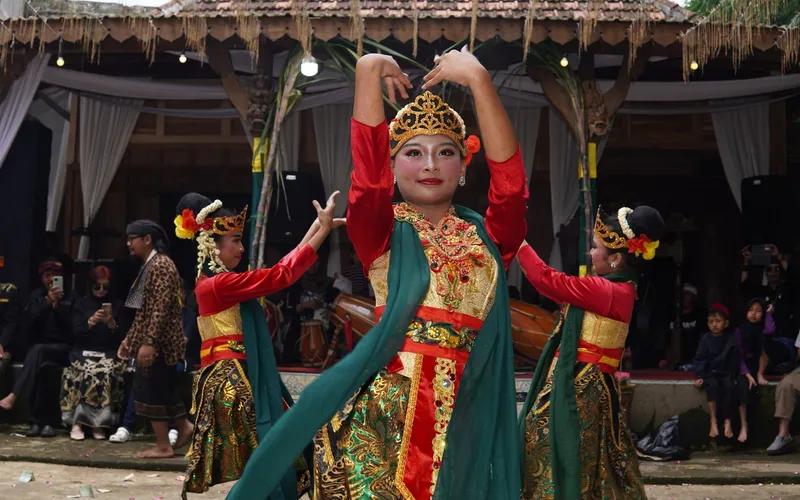
- Royal Surakarta Wellness Festival, in Solo, with strands described as Javanese Wisdom Immersion, Gending for Therapy, Royal Dance Symphony, A Holy Journey and Javanese Secret Recipe.
- Jogja Cultural Wellness Festival, in Yogyakarta, with strands including Healthy Food and Herbals, Eco-Friendly Living, Spiritual Wellness and Energy Healing, Natural Beauty, Family and Inner Child, and Harmony in Wellness.
The minister framed the push partly as a response to modern life. She argued that travellers increasingly seek meaningful, authentic experiences and human connection, a trend she described as a reaction to the growing presence of AI in daily life. She also stressed that success will depend on close collaboration between government, businesses and communities.
One request. Up to five tailored proposals.
Skip contacting agencies one by one — share your trip once and let up to five trusted Indonesia agencies come to you. Free, with no obligation.
Get my free quotesThe numbers behind the pivot
The ministry's case rests on two data points. The Global Wellness Institute estimates that the global wellness economy was worth US$6.8 trillion in 2024 and projects growth to US$9.75 trillion by 2029. And a 2025 Nielsen survey, cited by the ministry, found that 86 percent of Indonesians actively maintain their health, above the global average, which the ministry argues gives Indonesia a base for sports and wellness tourism.
Read these carefully. The first figure describes a global market that includes everything from spas to workplace wellness to healthy food, and it does not tell you how much of that money will land in Indonesia, or in which hands. The second is a statement about domestic habits, which is a promising foundation but not proof of international demand. Neither number is a forecast of what your holiday will look like. They are a policy argument, and a useful one to understand because it reveals what the state is trying to sell.
Why this matters: from volume to value
Indonesia has spent several years wrestling with the consequences of success. Our reporting on Bali's quality-tourism crackdown and on the wider push to spread visitors beyond the best-known island shows a country trying to attract fewer problems per visitor. Wellness fits that strategy for three reasons.
- Higher spend per day. Wellness travellers tend to stay longer and spend on treatments, food and accommodation, which suits a policy of value over volume.
- Geographic spread. Herbal traditions, healing practices and royal court culture are not confined to Bali. They belong equally to Java's courts, Sumatra's highlands and Eastern Indonesia's villages.
- Cultural content. The programme leans on Indonesia's own traditions rather than imported formats.
For a slow traveller, the logic is attractive. A trip organised around a herbal workshop, a dance rehearsal, a morning walk and a long meal is a very different proposition from a checklist of viewpoints.
Get matched with up to 5 trusted Indonesia agencies
- Free
- No obligation
- Up to 5 agencies
Jamu and the Javanese wellness tradition
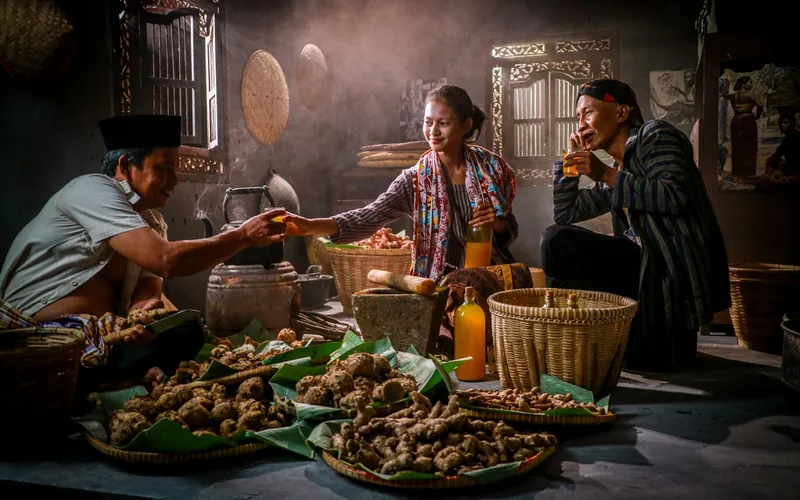
The most authentic part of Indonesia's wellness story is jamu, the herbal tonics based on turmeric, ginger, tamarind and other roots and spices that are drunk daily across Java and beyond. Jamu is sold by street vendors, served at home and taken seriously by many families as everyday medicine. The programme's references to herbals and secret recipes point to it.
Javanese court culture also gives the festivals their frame. The royal cities of Surakarta, known as Solo, and Yogyakarta have long-established palaces, gamelan music, classical dance and craft traditions. In the Surakarta strands, music for therapy and a "holy journey" suggest an attempt to present those arts as contemplative practice rather than spectacle.
If you are planning a visit, our guide to Yogyakarta and Central Java is a good base for pacing time in the region.
The honest risks
A government wellness campaign is not automatically good for communities or for travellers. The risks are real, and worth naming.
- Wellness-washing. The word "wellness" is attached to anything from a spa package to a juice bar. Many offers will be ordinary tourism in new packaging.
- Commodified ritual. Spiritual and healing practices, including energy healing and ceremonies, can be reduced to performances for visitors. Ask whose practice it is, who benefits and whether participation is welcome.
- Unregulated claims. Traditional medicine is not the same as clinical treatment. Be cautious about promises to cure illness, and consult a doctor before taking any herbal preparation, especially with existing conditions or medication.
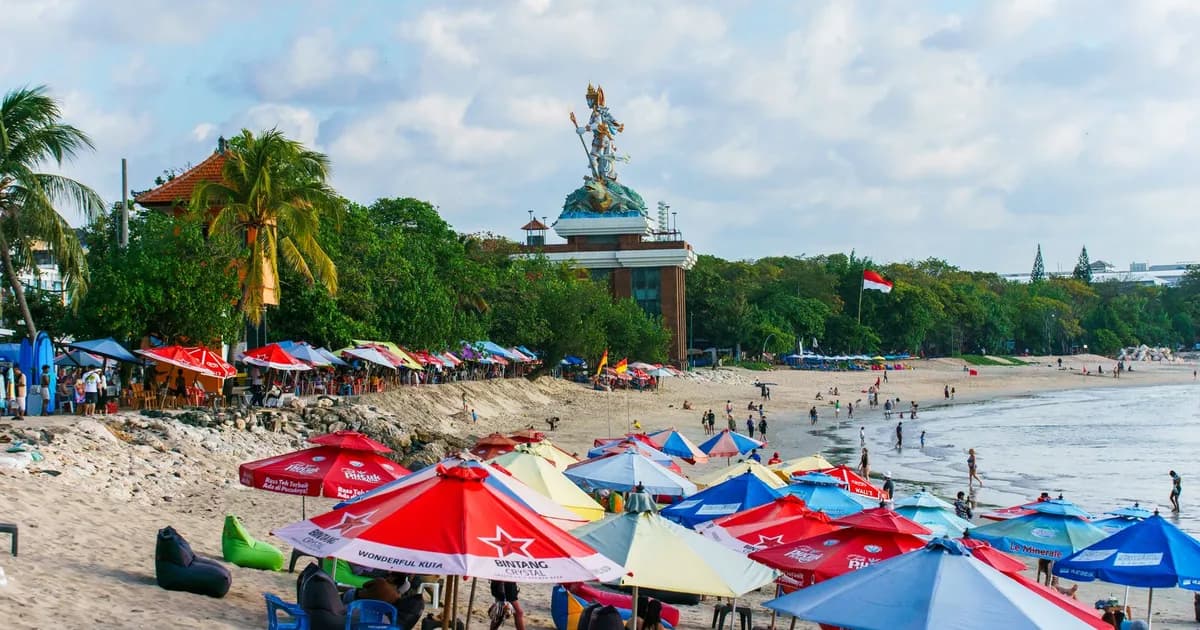
- Crowding the same places. If wellness simply funnels more visitors to Bali and the best-known retreats, the pressure on water, land and housing described in our piece on Bali's water crisis gets worse, not better.
- Festival-driven peaks. Events concentrate visitors into a few weeks, with higher prices and fuller hotels.
None of this makes the idea bad. It means you should treat the label as a prompt for questions, not as a guarantee.
What a good wellness experience looks like
Judge an offer by what is under the label. A few markers of a good one:
- Rooted in a living tradition, taught or hosted by people who practise it in their own communities.
- Small groups and unhurried pacing, with time to ask questions rather than a timetable of photo stops.
- Fair payment, with income reaching the practitioners, farmers and families involved.
- Honest claims, with no promise that a single treatment will cure a disease.
- Physical activity and food that suit the place, such as walking, farm visits, home cooking and local produce.
The highland communities of Java are good places to look. A stay in Dieng, with its cold mornings, potato fields and temple walks, is an example of a slower rhythm that needs no wellness label; our guide to the Dieng Plateau shows what that looks like in practice.
What it means for planning
If you want to take part in the November programme, plan early and with eyes open. November is also the start of the rainy season in much of Indonesia, so expect humidity and afternoon rain in Central Java, and build in flexibility. Our guide to travelling Indonesia in the rainy season covers what to pack and how to adapt.
Check the official festival programmes for dates, venues and any ticketing before you book, because details can change and we have not independently confirmed schedules beyond the ministry's announcement. Book accommodation directly with local hosts where you can, and choose homestays and small guesthouses over large resorts to keep money in the community.
If you are not travelling in November, the underlying idea still works at any time of year. A slow itinerary that includes a market morning, a cooking class or herbal workshop, a long walk and a quiet evening is already a wellness trip in the sense that matters. You do not need a festival to do it.
Questions worth asking before you book
Because the programme is new, there is little track record to lean on. The best protection is a short list of questions for any host or guide.
- Who leads the session: a named practitioner with a lineage or a long local reputation is a better sign than a generic wellness guide.
- Where the money goes: ask what share reaches the community, the family or the craftspeople involved, and whether prices are the same for locals.
- What is expected of you: good hosts explain dress, behaviour and photography etiquette in advance, and say plainly if a ceremony is private.
- The wet-season plan: outdoor sessions are rescheduled when it rains, and a flexible host will tell you how.
- Group size: small numbers protect both the experience and the setting.
Take these points seriously and you will quickly sort the thoughtful offers from the decorative ones. The most restorative things on a trip to Java are rarely sold as products: a slow walk through a village at dawn, an hour on a shaded veranda with tea, a market breakfast eaten next to strangers. A national programme can open a door, but the quality of what you find on the other side is decided by the people in the room.
What to Do Next
- Decide whether the November programme fits your plans, and check the official festival information for Solo and Yogyakarta.
- Choose experiences that are rooted in local practice, and ask who runs them and how income is shared.
- Be sceptical of health claims, and speak to a doctor before using herbal remedies, particularly if you take medication.
- Pick small, locally owned accommodation, ideally a homestay or family guesthouse.
- Allow at least a week in Central Java so that wellness is a rhythm and not a checklist.
- Plan for rain and humidity if you travel in November, and keep a flexible day.
- Look beyond Bali: Java's highlands and Sumatra's villages have their own traditions and far less pressure.
If you would like help sequencing a wellness-minded route, begin with our plan your journey page.
Frequently Asked Questions
What is Wonderful Indonesia Wellness?
It is a government tourism programme announced in July 2026 that runs throughout November 2026. It links the Royal Surakarta Wellness Festival and the Jogja Cultural Wellness Festival in Central Java.
What is jamu?
Jamu is a traditional Indonesian herbal tonic made from roots and spices such as turmeric and ginger. It is widely drunk in Java as an everyday remedy, but it is not a clinical treatment.
Is wellness tourism just a marketing label?
Sometimes. Many offers are ordinary tourism with a new name, so judge each by who runs it, whether it is rooted in a local tradition and whether the claims are honest.
Is it safe to try herbal remedies as a visitor?
Herbal preparations can interact with medication or affect existing conditions. Ask a doctor before taking them, and buy from trusted sources.
Should I go to Bali for wellness?
Bali has a large wellness scene, but it also faces strains on water, land and housing. Consider Java and other regions, which have deep traditions and less pressure.
When is the best time to join the festival programme?
The programme runs in November 2026. That month is the start of the rainy season in much of Indonesia, so expect humidity and showers and allow flexibility.
How can I make sure my wellness trip helps local people?
Choose locally owned stays, book directly where possible, join small group experiences run by practitioners from the community and pay fair prices.