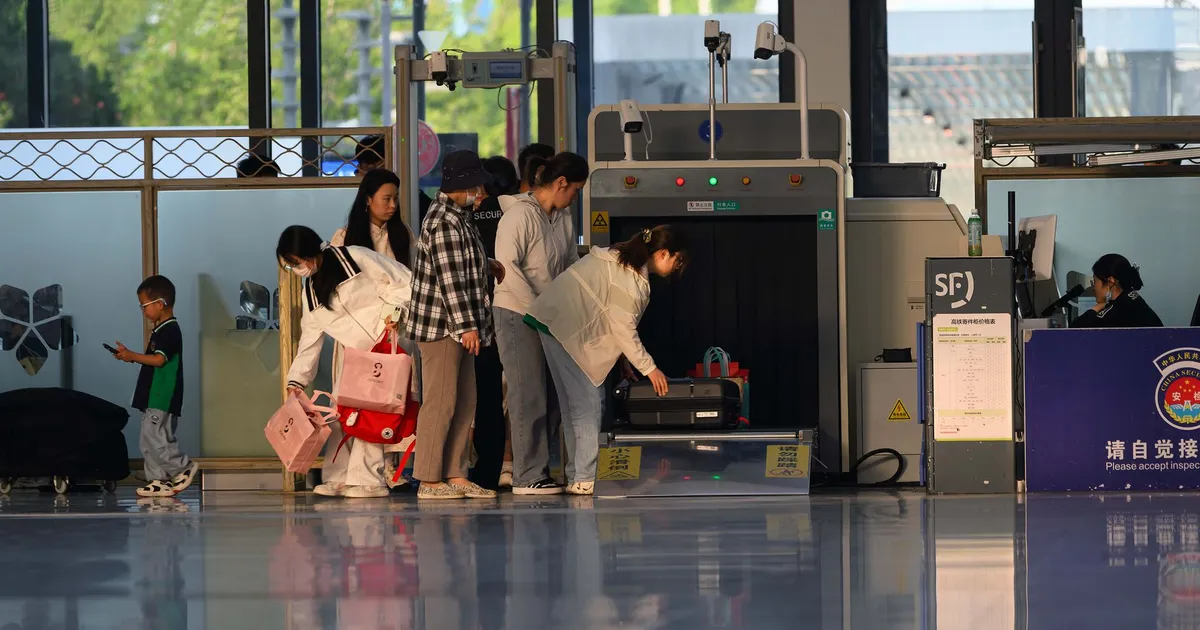
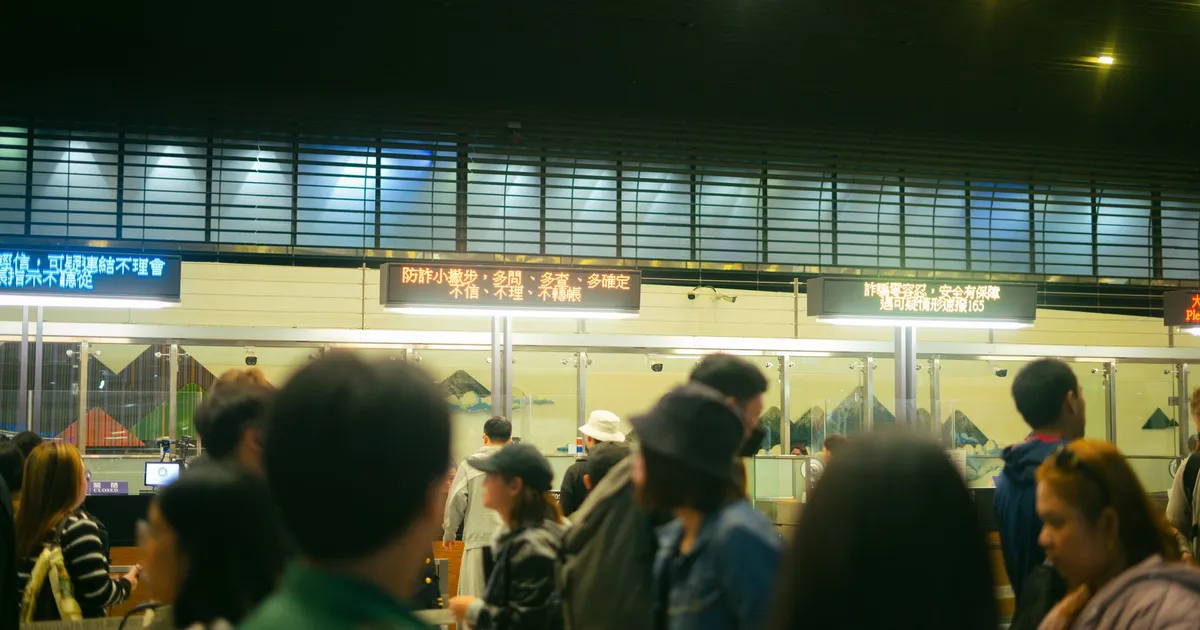

The paper arrival card you filled in on the plane is going away. Laos has moved its arrival and departure formalities online through the Lao Digital Immigration Form, and through 2026 the requirement has been extended across the country's entry points by air, land and rail. It is free, it takes about ten minutes, and it is the single most common reason travellers now get held up at a Lao border. Here is what it is, how to file it correctly, and what else has changed at the frontier this year.
What the LDIF Is
The Lao Digital Immigration Form, usually abbreviated to LDIF, is an online declaration that foreign nationals and stateless persons travelling on a passport must submit before entering or leaving Laos. It replaces the paper arrival and departure cards that used to be handed out on aircraft and at land crossings.
The system was introduced in September 2025 at a small number of pilot locations, including Wattay International Airport in Vientiane and Luang Prabang International Airport, with the stated aim of full national coverage during 2026. From the start of 2026 it has been applied as a general requirement for foreign travellers, including on exit as well as entry.
Two points matter more than any other. First, it is completely free. Any site charging you a fee for the LDIF itself is an intermediary adding a margin, not an official channel. Second, it is filed at the government portal at immigration.gov.la, and that is the address to use.
One request. Up to five tailored proposals.
Skip contacting agencies one by one — share your trip once and let up to five trusted Laos agencies come to you. Free, with no obligation.
Get my free quotesHow to File It, Step by Step
The process is straightforward if you have your documents to hand before you start.
- Go to the official immigration portal and choose the arrival or departure registration, whichever applies to that leg.
- Enter your passport details exactly as they appear in the machine-readable zone. Name order and spelling must match; this is where most rejections originate.
- Provide your travel details: flight, train or land crossing, date and point of entry, and your first accommodation address in Laos.
- Submit and wait for the confirmation, which arrives as a QR code.
- Save the QR code offline as a screenshot and, if you like belt and braces, print it. Airport wifi is not something to rely on at a gate.
- Present the QR code at the immigration counter along with your passport.
You need one submission per traveller, including children with their own passports, and a separate submission for entry and for exit. Families travelling together file individually.
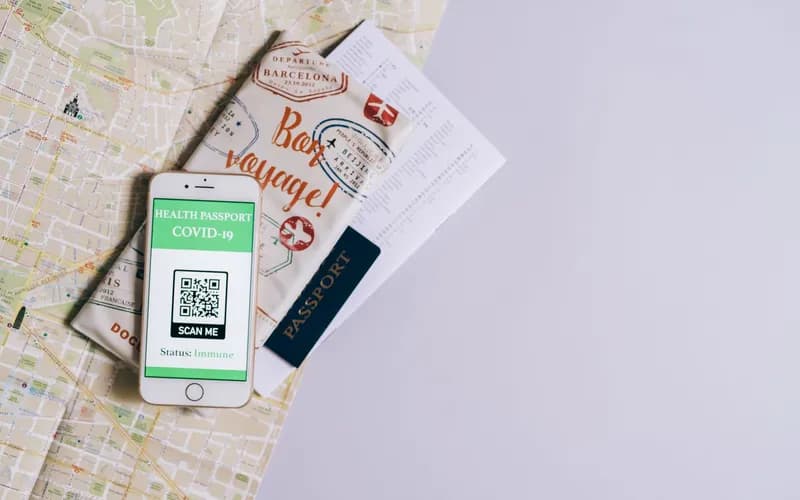
If you are entering overland or on the train from China at Boten, allow more time than you think. Rail and land crossings tend to process arrivals in large clusters, and a queue of two hundred people all resolving QR codes at once moves slowly. The mechanics of that rail crossing are covered in our guide to riding the Laos-China Railway.
The 72-Hour Window and Other Traps
The timing rule is the part that catches people. The submission window opens shortly before travel, and reporting consistently points to a window of around three days, or 72 hours, before arrival. File too early and the system will reject the submission or the code will lapse before you travel. File too late, or not at all, and you risk being refused boarding by an airline that now checks for it, or being sent to a side desk on arrival to complete it under pressure.
The practical approach is to set a reminder for two days before each border crossing. If your trip includes leaving Laos and returning, for example a side trip into Thailand from Vientiane or a loop through Cambodia from the south, you need a fresh submission each time.
Other common failure modes worth knowing:
- Passport name mismatches, particularly where a middle name appears on one document and not another.
- Accommodation address left vague. Give a real hotel or guesthouse name and address, not "TBC".
- Assuming a travel agent has filed it for you. Confirm explicitly; many have not.
- Relying on the code being retrievable from email at the border. Screenshot it.
Get matched with up to 5 trusted Laos agencies
- Free
- No obligation
- Up to 5 agencies
It Does Not Replace Your Visa
This needs stating plainly, because a good number of travellers have arrived believing the LDIF handled everything. It does not. The digital immigration form is a separate requirement that runs alongside whatever visa arrangement applies to your nationality: visa exemption, e-visa obtained in advance, or visa on arrival at an approved checkpoint.
You still need to satisfy the visa rules independently, including passport validity of at least six months, blank pages, and in some cases proof of onward travel. We cover the current fee structure, which checkpoints issue visas on arrival, and how the e-visa process actually works in our dedicated piece on Laos e-visa and visa-on-arrival fees. Read that alongside this one; together they cover the whole entry picture.
Customs: Vapes, Cash and Currency
Several customs rules have tightened and are being enforced more visibly than they once were.
Electronic cigarettes and heated tobacco products are banned outright in Laos. This is not a duty question: importation, possession and use are all prohibited. Devices are confiscated at the border and fines are applied. Vapes are not sold legally in the country, so bringing a supply is not a workaround either. If you use one, plan to be without it.
Currency rules are specific and easy to breach unknowingly. Lao kip may not be imported or exported, which means you should spend or change what you have before you leave; the kip is non-convertible and you will not be able to exchange it once outside the country. Foreign currency above the declaration threshold, commonly cited at the equivalent of 2,500 US dollars, must be declared on arrival.
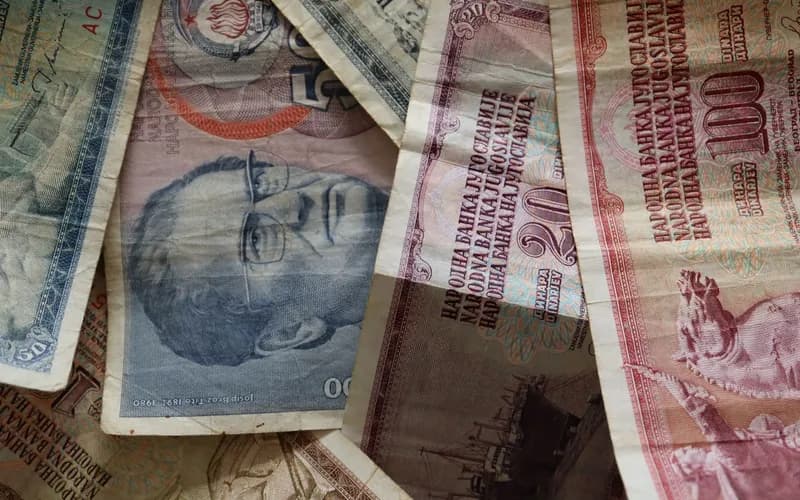
Practically, Laos remains a cash economy outside the main hotels and larger restaurants. ATMs are reliable in Vientiane, Luang Prabang, Pakse and Savannakhet, patchier elsewhere, and withdrawal limits per transaction are low relative to the fees charged. Carry more kip than feels necessary when leaving a provincial capital, and keep small notes for entrance fees, transport and markets. Our Laos trip cost guide sets out realistic daily spending by travel style.
On the Ground: Helmets, Curfews and Cards
A few in-country rules have hardened enough to be worth flagging alongside the border ones.
Helmet enforcement is now consistent across provinces, and it applies to passengers as well as riders. Roadside fines are paid in cash on the spot. Drink-driving enforcement has also intensified, with checkpoints in and around the main towns. If you intend to rent a motorbike, carry the correct licence class and an International Driving Permit; without them, most travel insurance will not respond to a claim.
Bars and restaurants in Vientiane, Luang Prabang and Vang Vieng operate under a curfew, generally closing between 11.30pm and midnight. This is not new, but it is enforced.
Card acceptance is improving slowly in the tourism sector and is still absent from most of daily life. If you are booking through a Lao operator rather than an international platform, ask early how payment works; the agencies listed on our Laos travel agencies page can usually handle international transfers, but small local suppliers cannot.
Where the Rules Are Still Moving
It is worth being candid about the parts of this that are not settled. The digital immigration system has been rolled out in stages rather than switched on nationally in a single day, and the details have shifted more than once since September 2025. Submission windows have been adjusted, the list of active entry points has expanded gradually, and the portal itself has been revised during the process.
That means two things for anyone planning a trip. First, treat any specific figure, including the ones in this article, as a starting point rather than a guarantee, and check the official portal when you actually file. Second, be sceptical of third-party summaries that have not been updated recently, including older forum threads and blog posts that predate the 2026 changes. A confidently written page from 2024 is worse than no information at all.
The same caution applies to smaller border posts. Remote crossings with Vietnam, Cambodia and Thailand have historically been slower to adopt new procedures than the international airports, and officers at quiet posts sometimes apply rules inconsistently in both directions. Carry the QR code regardless, carry a printed copy, and allow extra time.
None of this is a reason for anxiety. The system works, it is free, and the vast majority of travellers pass through without incident. It simply rewards checking the source rather than assuming.
What to Do Next
- Diarise your LDIF submission for roughly two days before each entry into and exit from Laos.
- File at the official government portal and refuse to pay a fee for the form itself.
- Screenshot and print the QR code, and keep it with your passport rather than buried in email.
- Check your visa route separately, whether exemption, e-visa or visa on arrival, and confirm six months of passport validity.
- Leave vapes and heated tobacco products at home entirely.
- Plan your cash: change money on arrival, spend down your kip before departure, and do not count on cards outside major towns.
- Build the border admin into your route timings, especially for land and rail crossings. Our Laos journey planning page is a good place to sanity-check the sequence.
Frequently Asked Questions
Is the Lao Digital Immigration Form mandatory for everyone?
It applies to foreign nationals and stateless persons entering or leaving Laos on a passport. Rollout began at pilot airports in September 2025 and has been extended through 2026 toward full coverage of air, land and rail entry points. Treat it as required for your crossing and verify on the official portal before you travel.
How much does the LDIF cost?
Nothing. It is a free government service. Commercial sites offering to file it for you charge a service fee that buys you no additional status or priority.
When exactly should I submit it?
Within roughly the three days, or 72 hours, before arrival. Submitting earlier than the window generally results in rejection. Confirm the current window on the portal when you file, as the parameters have been adjusted during rollout.
Do I need a separate form when leaving Laos?
Yes. Arrival and departure are separate registrations. If you exit and re-enter during a trip, each crossing requires its own submission.
Does the LDIF replace my visa or e-visa?
No. It is an additional immigration formality that sits alongside your visa. You must still hold whatever visa or exemption applies to your nationality, with the usual passport validity requirements.
What happens if I arrive without it?
Airlines increasingly check for the QR code before boarding, so the likeliest outcome is being stopped before you fly. If you reach the border without it, expect to be directed to complete the form on the spot, which is slow, dependent on connectivity, and stressful at the end of a long journey.
Can I really not bring a vape into Laos?
No. Electronic cigarettes and heated tobacco products are banned, including for personal possession. Devices are seized at the border and financial penalties apply. There is no legal retail supply inside the country.
What should I do with leftover kip?
Spend it or change it back before you leave. Kip cannot legally be exported and is non-convertible outside Laos, so notes carried home are effectively souvenirs rather than money.