
Paying in Laos in 2026: Kip, Dollars, Baht and the ATM Situation
Money in Laos in 2026 takes a little more thought than in its neighbours, because the country is still working through a period of currency turbulence. The kip has been weak and volatile, US dollars and Thai baht circulate informally alongside it, ATMs have their quirks, and the government is nudging everyone back toward paying in kip. None of this is difficult once you know the shape of it, but arriving unprepared can mean poor rates, empty cash machines and awkward moments at the till. This is the practical, up-to-date guide to how paying actually works, and what to carry.
Paying in a country with a moving currency
The backdrop to everything is the weak kip, which has lost a great deal of value in recent years and made prices a moving target. We cover the causes and the bigger picture in our piece on what Laos's currency crisis means for travellers; here the focus is purely practical. The single most useful mindset is flexibility: carry more than one currency, confirm prices as you go, and do not assume the figures in an old guide still hold. Handled that way, paying in Laos is straightforward and the country is superb value.
One request. Up to five tailored proposals.
Skip contacting agencies one by one — share your trip once and let up to five trusted Laos agencies come to you. Free, with no obligation.
Get my free quotesThe kip, and the rate to expect
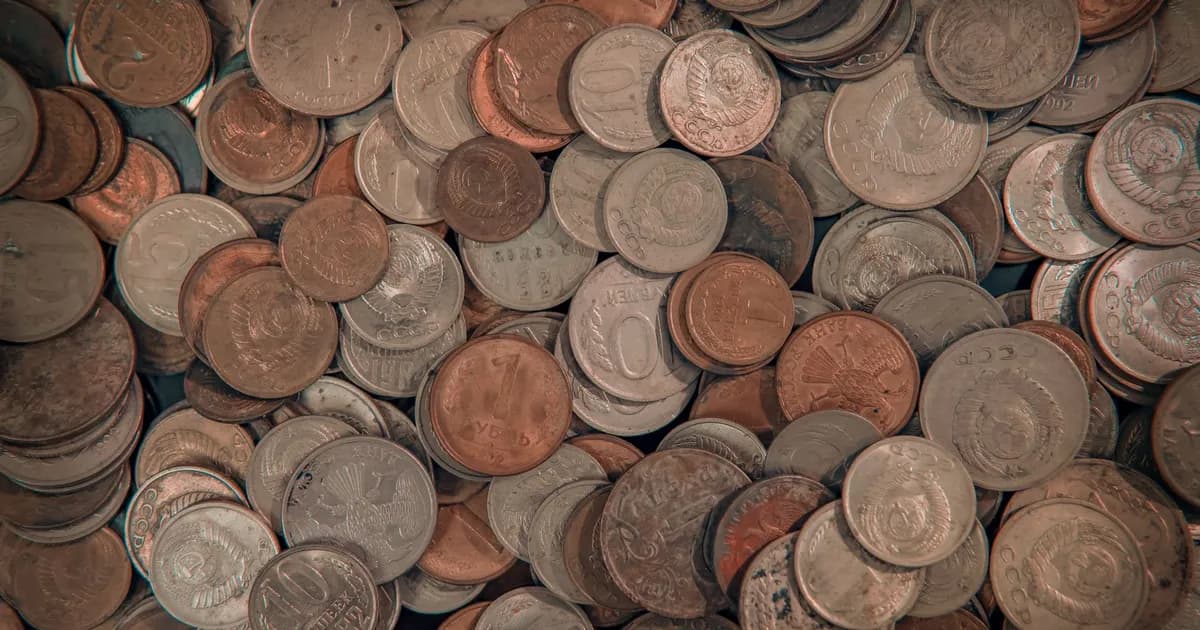
The Lao kip is the national currency and what you will use for most everyday spending: markets, tuk-tuks, local restaurants, small guesthouses and bus tickets. By 2026 the exchange rate sat in the region of 22,000 kip to the US dollar, though because the currency has moved so much, you should check the current rate rather than trusting any single quoted figure, including this one. The kip comes in large-numbered notes, so everyday sums run into the tens and hundreds of thousands, which takes a day to get used to. Keep a working stash of kip for the small, local transactions that make up most of a slow traveller's day.
Dollars and baht: the informal backups
Alongside the kip, two foreign currencies circulate widely in practice. US dollars are recognised across tourist Laos and are often the currency for visa fees, some tours and higher-end services. Thai baht is common too, especially near the Thai border and in the south, given the close economic ties. Many travellers carry a reserve of dollars, and baht if arriving from Thailand, to change as needed or to use where they are accepted. That said, relying on foreign cash for everything is not ideal, both because you may get a poor rate as change and because of the official push, described below, to transact in kip. Think of dollars and baht as backups and for larger payments, not your everyday money.
Get matched with up to 5 trusted Laos agencies
- Free
- No obligation
- Up to 5 agencies
The government push to price in kip
An important recent development is the authorities' effort to bring transactions back into the kip and into the formal banking system, part of a package of foreign-exchange measures aimed at steadying the currency. In practice this means official pressure on businesses to price and accept payment in kip rather than defaulting to dollars, and periodic tightening around informal money changing. For the traveller the effect is uneven, and dollars and baht remain widely usable in tourist settings, but it is worth being aware that the direction of policy is toward the kip, and that a business quoting only in kip is following the rules rather than trying to disadvantage you.
ATMs: limits, fees and empty machines
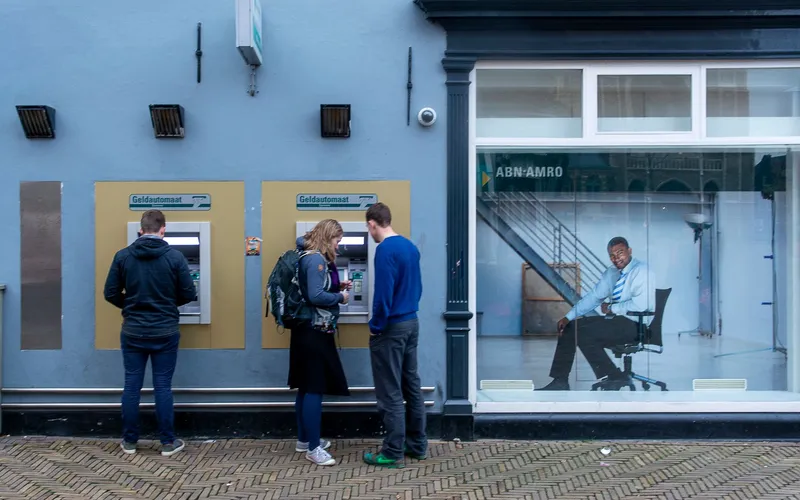
Cash machines are the main way most travellers get kip, and they come with three quirks to plan around. First, per-transaction withdrawal limits in kip can feel low against what you spend, given the many-zeroed notes, so you may withdraw more often. Second, each withdrawal typically carries a fee on top of your home bank's charges, which adds up if you take out small amounts frequently. Third, machines in smaller towns and rural areas can run out of cash, especially at weekends and holidays, or may be scarce entirely. The practical response is to withdraw a sensible larger amount in the cities where machines are reliable, keep a cash reserve before heading rural, and never assume the next town will have a working ATM. Our Laos budget guide helps you size how much you will actually need.
Exchanging cash: official versus informal rates
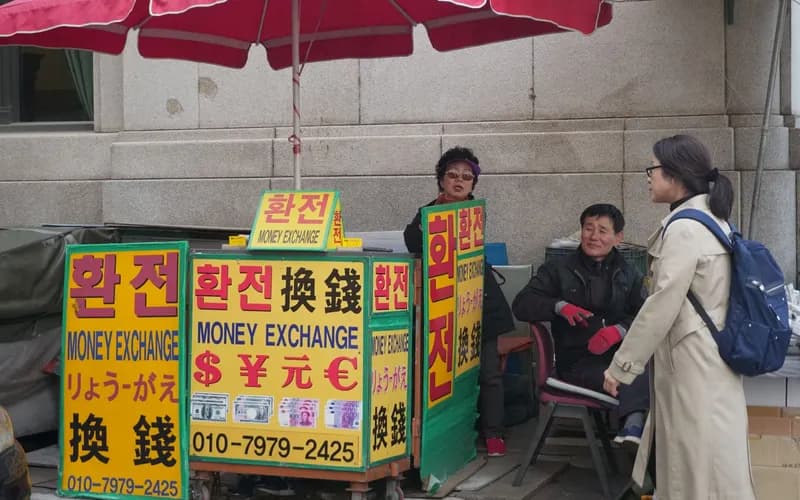
If you bring dollars or baht to change, a few habits protect you. Exchange rates vary between banks, licensed exchange booths and informal changers, and the gap between the official rate and what you are offered has at times been meaningful. Have a rough sense of the going rate before you change money, count what you receive carefully given the large denominations, and prefer banks and licensed booths for transparency and for staying on the right side of the tightening rules around informal exchange. Change enough for your near-term needs rather than converting a large sum at once, since rates move and you do not want to be left holding a currency that has slipped further.
Cards and QR payments
Card acceptance in Laos is limited and concentrated at the top end: better hotels, some tour operators, and smarter restaurants and shops in Vientiane and Luang Prabang may take cards, often with a surcharge, but everyday Laos runs firmly on cash. Domestic QR payment systems, tied to local banking apps, are growing among Lao residents, but they are generally not accessible to short-term foreign visitors, so do not count on paying by phone the way you might in some neighbouring countries. Carry enough cash for daily spending, keep a card as a backup and for larger or emergency payments, and tell your bank you are travelling so a legitimate withdrawal is not blocked.
Small notes and everyday spending
As everywhere that runs on cash, small denominations are your friend. Break larger kip notes when you can at hotels, supermarkets and busier restaurants, so you have change for tuk-tuks, market stalls and small purchases where a big note cannot be changed. The same applies to any dollars or baht you carry: bring clean, undamaged notes, since worn or torn foreign bills can be refused, and keep smaller denominations for flexibility. A little organisation, separating your working cash from your reserve, makes daily spending smooth and keeps you from flashing a large roll of notes.
Tipping and service
Tipping is not a strong tradition in Laos, but in tourist-facing settings modest tips are appreciated and, given the economic strain on local people, genuinely welcome. Rounding up a restaurant bill, leaving a little for a good guide or driver, and small change for helpful hotel staff are all reasonable and kind. There is no fixed percentage and no obligation; the spirit is generosity within reason, and your strong foreign currency makes it easy to be a little generous without noticing the cost. This gentle generosity is part of travelling well in a country going through a hard economic stretch.
One small courtesy that goes a long way is to pay attention to which currency a business would prefer, and to have it ready. Offering exact or near-exact amounts in kip at a local restaurant, rather than expecting change from a large foreign note, spares the vendor a scramble for change they may not have and keeps the transaction friendly. These tiny considerations, multiplied across a trip, are the difference between a traveller who is a mild nuisance to serve and one who is a pleasure, and they cost you nothing at all.
Currency rules and taking money out
A final practical note concerns moving money across the border. As with many countries, there are rules on how much currency you may carry in and out, and the informal-exchange tightening means it is wise to keep to banks and licensed booths and to retain receipts for larger exchanges. Do not try to leave with large amounts of kip, which is of little use outside Laos and can be hard to change back at a decent rate; convert any surplus before you go, ideally in a city. If you are arriving or leaving overland, having the right small amounts of kip or baht for immediate needs, including any visa or entry fees, smooths the crossing.
What to do next
- Carry a mix: rely on kip for everyday spending, with US dollars, and baht if arriving from Thailand, as backups and for larger payments.
- Withdraw a sensible larger amount from ATMs in the cities and keep a cash reserve before heading into rural areas.
- Check the current exchange rate before changing money, and prefer banks or licensed booths over informal changers.
- Bring clean, small-denomination foreign notes, and keep cash as your backbone since cards and QR are limited for visitors.
- Convert surplus kip before you leave and plan your budget with our Laos budget guide and plan your journey page.
Frequently Asked Questions
What currency should I bring to Laos?
Use the kip for everyday spending, and carry US dollars, plus Thai baht if arriving from Thailand, as backups and for larger payments, visa fees and higher-end services. A mix is safest, since the kip is used everywhere locally while dollars and baht are widely recognised in tourist settings and useful when ATMs are scarce.
Can I use US dollars and Thai baht in Laos?
Yes, informally and widely, especially in tourist areas and, for baht, near the Thai border and in the south. However, the government is encouraging payment in kip, so many businesses prefer or price in the local currency. Treat dollars and baht as convenient backups rather than your everyday money, and expect change in kip.
Are there ATM limits and fees in Laos?
Yes. Per-transaction kip withdrawal limits can feel low, each withdrawal usually carries a fee on top of your home bank's charge, and machines in smaller towns can run out of cash or be scarce. Withdraw a sensible larger amount in the cities, keep a reserve before going rural, and do not rely on finding a working ATM everywhere.
Can I pay by card or phone in Laos?
Only in limited settings. Better hotels, some tour operators and smarter establishments in Vientiane and Luang Prabang may take cards, often with a surcharge, but everyday Laos runs on cash. Domestic QR payment apps are used by locals but are generally not accessible to short-term visitors, so plan to carry enough cash.
What should I do with leftover kip when I leave?
Convert surplus kip back to a major currency before you depart, ideally in a city with better rates, since the kip is hard to use or exchange outside Laos and its value can slip. Keep only the small amount you need for final expenses, and change larger sums at a bank or licensed booth for a fair rate.
Keep reading
More from the ground · Laos