The Weak Kip: What Laos's Currency Crisis Means for Travellers in 2026
Laos in 2026 presents travellers with an uncomfortable paradox. The country has been through a serious currency and cost-of-living crisis, one that has made life harder for ordinary Lao people, and yet has made the country cheaper for foreign visitors. Understanding this is not just economics; it shapes how much your money buys, how prices behave, and, most importantly, how to travel in a way that helps rather than exploits. This is the honest picture of the weak kip, why it happened, and what a thoughtful traveller should do about it.
The story behind the prices
For a decade Laos was quietly one of Southeast Asia's steadier, if poorer, economies. Then, over the early 2020s, its currency, the kip, went into a prolonged slide, and inflation surged. For the visitor this shows up as a currency that buys ever more of your home money, prices that have been moving quickly, and a widespread informal preference for US dollars and Thai baht in tourist settings. It is the single biggest economic story in the country right now, and it colours everything from the cost of a guesthouse to the mood in a local market.
One request. Up to five tailored proposals.
Skip contacting agencies one by one — share your trip once and let up to five trusted Laos agencies come to you. Free, with no obligation.
Get my free quotesHow far the kip has fallen
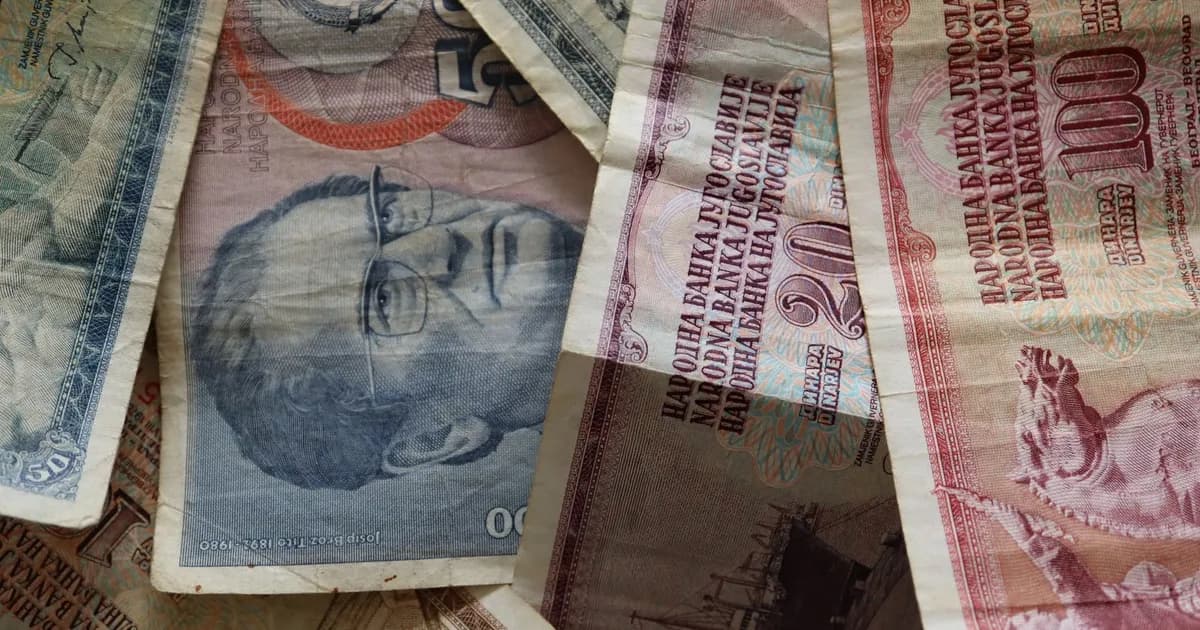
The scale of the depreciation is striking. The kip weakened from around 9,000 to the US dollar in 2020 to more than 21,000 by 2023, and by mid-2026 the rate sat at roughly 22,000 kip to the dollar. In other words, the currency lost more than half its value against the dollar in a few years. Inflation ran at around 31 percent in 2023 and 23 percent in 2024, an extraordinary pace that eroded local purchasing power even as it made foreign currencies go further. For a traveller, the practical effect is that Laos has become notably cheap in dollar or euro terms, though local prices in kip have been a moving target.
Why it happened
The crisis has deep roots, and external debt is at the centre of the story. Laos borrowed heavily to fund large infrastructure, much of it tied to Chinese investment, including the flagship Laos-China Railway, and servicing that debt in foreign currency put sustained pressure on the kip. Add global shocks to fuel and import prices, limited foreign-exchange reserves, and structural weaknesses in the economy, and the currency had little defence. We explore the railway's own transformative role, and its costs, in our piece on how the Laos-China Railway is reshaping travel, which is part of the same larger story of debt-fuelled development.
Get matched with up to 5 trusted Laos agencies
- Free
- No obligation
- Up to 5 agencies
What it means for travellers
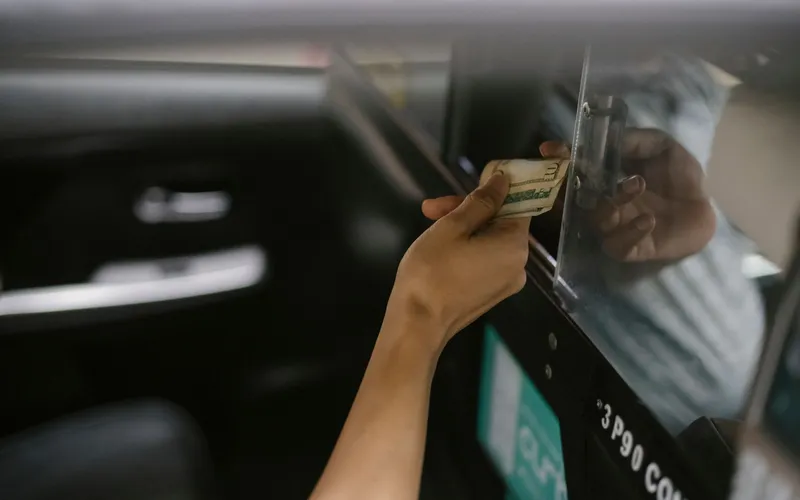
In blunt terms, your money goes a long way in Laos in 2026. Accommodation, food, transport and guides are inexpensive in hard-currency terms, and for budget-conscious slow travellers the country offers exceptional value. But there are wrinkles. Prices quoted in kip can change with the exchange rate, so a figure in an old guidebook or blog is unreliable; many tourist businesses quote or prefer US dollars or Thai baht; and the gap between official and street exchange rates has at times been significant. The practical mechanics of paying, which currency to carry and how to handle ATMs, are covered in detail in our guide to paying in Laos in 2026.
The other side: hardship for locals
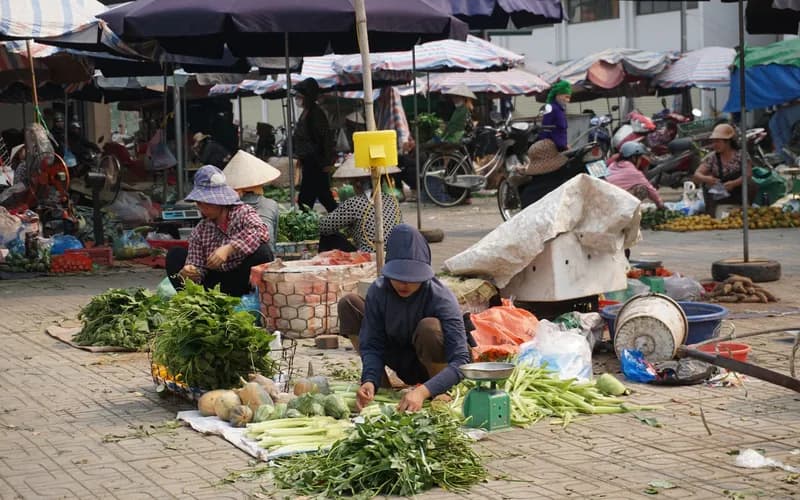
Here is the part that a responsible traveller must hold onto. The same weak kip that stretches your budget has made life materially harder for Lao people. The cost of living has risen sharply, with the prices of basic goods, especially food, climbing as the currency fell and imports grew more expensive. Wages paid in kip buy less each year, and families across the country have felt real strain. Your bargain is, in a direct sense, their difficulty. This does not mean you should not visit, far from it, but it should shape how you spend and how you treat the value you are enjoying.
Signs of stabilisation
The picture is not one of unbroken decline. By 2026 there are genuine signs of stabilisation: the kip has steadied somewhat, inflation has come down from its peaks, and the weaker currency has made Lao exports more competitive, helping the current account record consecutive quarterly surpluses since late 2024. The government has also introduced foreign-exchange measures aimed at pulling transactions back into the formal banking system and steadying the currency. None of this resolves the underlying problem of external debt, which remains heavy and unresolved, but it suggests the worst of the freefall may have passed.
How to travel here well right now
The way to travel Laos well in this moment is to enjoy the value without treating the country as merely cheap. Spend generously by local standards, because a little of your strong currency goes a long way and is genuinely welcome. Favour locally owned guesthouses, guides, restaurants and markets, where your money reaches Lao families directly rather than leaking to foreign-owned operations. Tip fairly, do not haggle hard over trivial sums, and choose experiences that put income into local hands. This is the practical expression of the values in our charter for slow travel: value should flow to the people who make a place what it is.
Reading value without losing sight of ethics
It is worth being clear-eyed about the ethics here, because low prices in a struggling economy can quietly encourage the wrong instincts. The traveller who arrives determined to spend as little as possible, squeezing every last kip, is extracting value from people already under pressure. The far better posture is to see the favourable exchange rate as a gift that lets you be generous, staying longer, eating and buying locally, paying fair prices without quibbling. You will have a richer trip, and your presence will do more good. In a country where tourism is one of the few reliable sources of hard currency, how you spend genuinely matters.
How prices actually behave on the ground
For the day-to-day traveller, the most confusing effect of the weak kip is not the headline rate but the way prices behave. Because the currency has moved so much, many businesses have stopped trusting fixed kip prices: menus are reprinted, guesthouse rates drift, and some operators quietly quote in dollars or baht to protect themselves against the next slide. This means the price you were quoted last year, or read on a blog, may bear little relation to today's. The sensible habit is to confirm current prices as you go rather than relying on old figures, to check whether a quote is in kip, dollars or baht, and to carry small denominations so you are not at the mercy of a vendor's improvised exchange rate. Once you expect this fluidity, it stops being stressful and simply becomes part of how the country works right now.
Withdrawing and changing money
The currency situation also shapes the practicalities of getting cash. ATM withdrawal limits in kip can feel low relative to what you spend, so you may find yourself making more frequent withdrawals, each with its own fee, and machines in smaller towns sometimes run dry. Many travellers carry a reserve of US dollars or Thai baht, both widely recognised, to change as needed or to pay directly where they are accepted. The gap between the official exchange rate and what you get on the street or at a shop has at times been meaningful, so it pays to have a rough sense of the going rate before you change money. All of this is covered in practical detail in our dedicated paying guide, but the headline is simple: come prepared with a mix, and do not rely on a single source of cash.
What the crisis means for the years ahead
Looking beyond 2026, the trajectory matters for anyone planning a trip. If stabilisation holds, Laos may see slower price movement and a steadier currency, which would make budgeting easier even as the country remains excellent value. But the unresolved debt burden means further volatility cannot be ruled out, and a fresh external shock could renew pressure on the kip. For the traveller this argues for flexibility: build a little slack into your budget, confirm costs close to the time, and treat any published figures, including the exchange rates in this article, as a snapshot rather than a promise. The deeper point is that Laos's value to visitors is bound up with a genuine national difficulty, and that is worth carrying with you as more than a footnote.
What to do next
- Expect Laos to be excellent value in dollar or euro terms, but treat kip prices as a moving target rather than fixed figures.
- Carry a sensible mix of currency and read our practical guide on paying before you go.
- Spend where it counts: locally owned guesthouses, guides, restaurants and markets that put money directly into Lao hands.
- Resist hard haggling over small sums, and tip fairly; your strong currency makes generosity easy.
- Plan a budget and route that lets you stay longer and spend locally, using our Laos budget guide and plan your journey page.
Frequently Asked Questions
Is Laos cheap to visit in 2026?
Yes, notably so in hard-currency terms. The kip has lost more than half its value against the US dollar since 2020, so foreign money stretches far, making accommodation, food and transport inexpensive. Local prices quoted in kip can change with the exchange rate, so treat older price figures as unreliable.
Why has the Lao kip fallen so much?
The main driver is heavy external debt, much of it linked to large Chinese-financed infrastructure such as the Laos-China Railway, which strained the currency as it had to be serviced in foreign money. Global price shocks, thin foreign-exchange reserves and structural economic weaknesses compounded the slide, alongside high inflation.
What currency should I use in Laos?
The kip is the national currency, but US dollars and Thai baht are widely accepted or preferred in many tourist settings. It is worth carrying a mix, using kip for everyday local purchases and being aware that exchange rates and the gap between official and informal rates can vary. Our practical paying guide covers the details.
Does the weak kip hurt local people?
Yes. While the falling currency makes Laos cheaper for visitors, it has driven up the cost of living for Lao people, especially for food and imported goods, while wages paid in kip buy less each year. This is why spending generously and locally, rather than squeezing every price, matters so much.
Is Laos's economy recovering?
There are signs of stabilisation in 2026: the kip has steadied somewhat, inflation has eased from its peaks, and exports have become more competitive, producing current-account surpluses. However, the underlying burden of external debt remains heavy and unresolved, so the recovery is fragile rather than complete.