

Slow Travel Guides Myanmar
A structured approach to understanding Myanmar through immersive and responsible travel. Myanmar is a destination of depth, diversity and sensitivity, best approached with patience and local expertise.
Table of Contents
- Explore Our Myanmar Travel Guides
- Understanding Slow Travel in Myanmar
- Myanmar: A Destination of Diversity and Complexity
- Slow Travel Principles of a More Meaningful Journey
- How to Design a Coherent Slow Travel Experience
- Common Mistakes in Myanmar Slow Travel Planning
- Understanding Myanmar and Moving Forward
From the northern hills bordering the eastern Himalayan foothills to the southern coast on the Andaman Sea, each region of Myanmar reflects a distinct cultural, geographical and human reality. The Ayeyarwady (Irrawaddy) River runs through the country as its central axis. Approaching Myanmar through a slow travel perspective allows for a more coherent, immersive and meaningful experience.
This section provides structured insights, regional perspectives and editorial guidance to better understand how to explore Myanmar beyond predefined itineraries.
Understanding Myanmar requires more than selecting destinations. It requires structuring the journey and, given current conditions, verifying access carefully with local expertise.
Explore Our Myanmar Travel Guides
Understanding Myanmar requires both structure and context. The following guides provide detailed insights into specific regions, travel conditions and local realities, helping to build a more informed and coherent journey.
A Structured Editorial Approach
Each guide is designed to provide a clear and contextual understanding of a specific destination or travel topic.
Rather than listing highlights, these guides focus on how regions function, how they can be explored and how they connect within a broader itinerary.
Regional and Thematic Perspectives
The guides cover different aspects of travel in Myanmar, including:
This allows travelers to approach Myanmar from multiple angles while maintaining a structured understanding.
Supporting Travel Decisions
By combining editorial depth with practical insights, these guides help travelers refine their expectations and better understand how to design their journey.
They serve as a bridge between initial inspiration and structured planning.
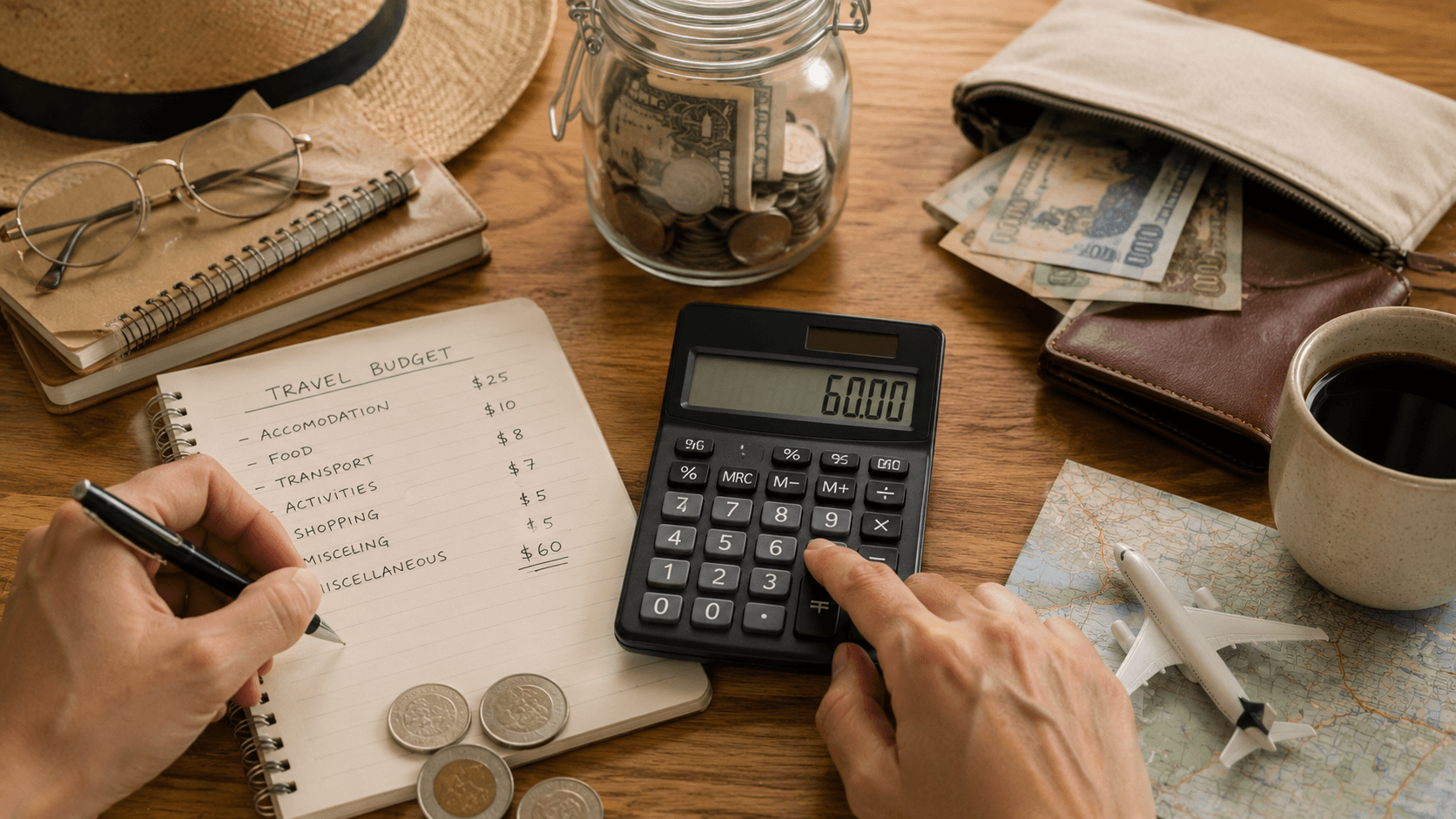
How Much Does It Cost to Travel Myanmar in 2026? A Complete Budgeting Guide
What Myanmar really costs in 2026 — daily budgets, the all-cash US dollar rule, the dual exchange rate, visas, zone fees, transport and costed itineraries.

The Slow Traveler's Guide to Myanmar: Where to Go and When
An honest, current look at where Myanmar is realistically open, when to go, and how to travel its temple plains, lakes and hills slowly.
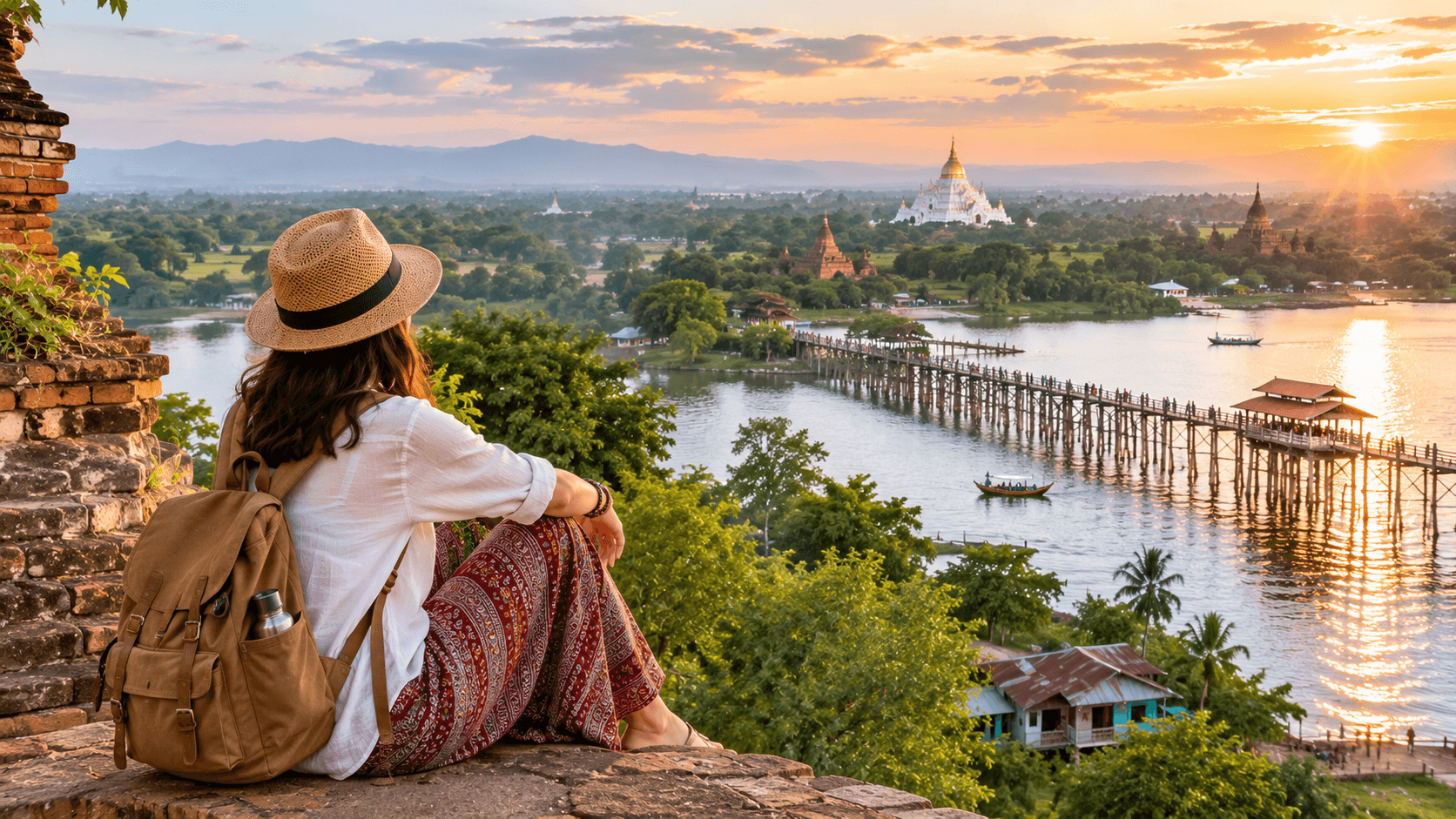
Off the Beaten Path in Myanmar: Hidden Gems for Slow Travelers
Much of off-beat Myanmar is off-limits right now. Here is how to go deeper, not further, within the accessible areas, slowly and responsibly.
Ready to travel? Get free quotes from up to 5 Myanmar agencies
Request free quotesUnderstanding Slow Travel in Myanmar
Slow travel is often associated with taking more time, visiting fewer places and seeking more authentic experiences. In the context of Myanmar, this approach takes on a deeper meaning, shaped by the country's diversity, regional contrasts and the importance of traveling responsibly and with awareness of local realities.
Beyond the Idea of "Traveling Slower"
Slow travel is not simply about reducing the number of destinations.
It is about structuring a journey that allows for a better understanding of places, people and local realities.
In Myanmar, where distances, infrastructure and conditions vary significantly from one region to another and where access can change, this approach becomes essential to ensure coherence.
A Response to Standardized Tourism
Many travel experiences in Myanmar are built around predefined routes designed to maximize coverage within a limited timeframe.
While efficient, these formats often lead to fragmented experiences, where the traveler moves quickly between locations without fully engaging with them.
Slow travel offers an alternative by focusing on depth rather than accumulation.
Aligning Travel with Local Realities
Myanmar cannot be approached as a single, uniform destination.
Each region operates with its own rhythm, climate and cultural context, and current conditions differ from one area to another.
A slow travel approach allows for better alignment between travel expectations and on-the-ground conditions, reducing inconsistencies and improving the overall experience.
Slow travel in Myanmar is not about doing less, but about understanding more.
Myanmar: A Destination of Diversity and Complexity
Myanmar is often perceived as a single destination. In reality, it is a combination of distinct regions, each with its own geography, climate, cultural identity and travel conditions. Understanding this diversity — and the fact that access to some areas is currently restricted — is essential to building a coherent and responsible journey.
A Country of Distinct Regions
Myanmar extends from the eastern Himalayan foothills in the north to the Andaman Sea in the south, with the Ayeyarwady (Irrawaddy) River forming its central axis.
The established travel circuit connects Yangon, the largest city and home to the Shwedagon Pagoda; Mandalay, the last royal capital in central Myanmar; the temple plains of Bagan; and Inle Lake in Shan State.
The highlands around Kalaw and Hsipaw offer trekking and cooler weather, while the coast at Ngapali borders the Andaman Sea.
It is important to note that many border and rural areas — in parts of Rakhine, Shan, Sagaing, Kachin and Chin among others — are affected by conflict and are not currently accessible, and major governments maintain significant travel advisories.
Each region requires different logistics, timing and travel approaches, and access must be verified close to the time of travel.
Variations in Climate and Seasonality
Myanmar has a tropical monsoon climate with distinct seasons that vary across regions.
A cool, dry season generally runs from November to February and forms the main travel window; a hot season follows from March to May, when the central plains around Bagan and Mandalay become very hot; and a wet southwest monsoon runs from around late May or June to October.
The dry central zone, the wetter coast and the cooler hills each follow their own patterns, so understanding seasonality is essential to planning a journey that aligns with favorable conditions.

Infrastructure and Accessibility
Domestic flights link the main hubs, while road and river travel — including boats along the Ayeyarwady — connect key places.
Infrastructure is limited in places, conditions change, and Myanmar operates largely as a cash economy where foreign cards and ATMs are unreliable, so travelers typically carry clean US dollars and Myanmar kyat.
Integrating these factors into the journey design, and checking current access close to travel with local expertise, helps avoid unrealistic itineraries.

Cultural and Local Contexts
Myanmar's cultural landscape is shaped by Theravada Buddhism and a strong monastic and pagoda tradition, alongside more than a hundred ethnic groups — including the Bamar, Shan, Kayin, Rakhine, Chin, Kachin and Mon — with Burmese as the main language.
Engaging with local contexts requires an understanding of these dynamics, which vary from one part of the country to another, and makes responsible, community-benefiting travel especially important here.
Myanmar is not a destination to be covered, but a landscape to be understood.
Slow Travel Principles of a More Meaningful Journey
A structured journey in Myanmar is not defined by a list of destinations, but by how these destinations are connected and experienced. Slow travel relies on a set of principles that help create coherence, depth and balance throughout the journey.
1. Travel Pace
The rhythm of a journey determines how destinations are experienced. Moving too quickly between locations reduces the ability to engage with places and creates fatigue. A slower pace allows for better understanding, adaptation and immersion.
2. Regional Coherence
A coherent itinerary is built around geographical and cultural logic. Grouping accessible regions with similar characteristics reduces unnecessary travel time and improves the overall structure of the journey.
3. Cultural Immersion
Experiencing Myanmar goes beyond visiting temples and pagodas. It involves engaging with local environments, understanding daily life and interacting with communities in a respectful and meaningful way.
4. Local Interactions
Direct contact with local actors — guides, communities, small-scale initiatives — plays a key role in shaping the travel experience. In Myanmar, these interactions also help ensure that travel benefits local people directly.
5. Environmental Awareness
Traveling responsibly requires an understanding of the environmental impact of movement, accommodation and activities. A structured approach helps reduce unnecessary transfers and promotes more sustainable choices.
A meaningful journey is built on coherence, not accumulation.
How to Design a Coherent Slow Travel Experience
Designing a journey in Myanmar requires more than selecting destinations. It involves structuring an itinerary that aligns geography, timing, current access and expectations into a coherent and balanced experience.
1. Choosing the Right Duration
Myanmar cannot be fully explored within a short timeframe.
Attempting to cover multiple regions in a limited number of days often results in a fragmented experience. A well-structured journey prioritizes depth over coverage, allowing time to understand each destination.
2. Building a Logical Itinerary
A coherent itinerary follows a geographical logic and focuses on areas that are currently accessible.
Rather than moving back and forth between distant regions, it is more effective to structure the journey progressively — often along the Ayeyarwady axis — reducing unnecessary transfers and maintaining a consistent rhythm.
3. Managing Travel Pace
Travel time is a key variable in Myanmar.
Transfers — whether by air, road or river — can significantly impact the experience. Balancing travel time and time spent in each location is essential to avoid fatigue and maintain coherence.
4. Adapting to Local Conditions
Seasonality, climate, current access and local events influence travel conditions.
A well-designed journey takes these elements into account, verifying conditions close to travel to ensure that each part of the itinerary aligns with the best possible circumstances.
A coherent journey is not defined by how much you see, but by how well it is structured.
Common Mistakes in Myanmar Slow Travel Planning
Planning a journey in Myanmar without a structured approach often leads to inconsistencies. Certain recurring mistakes can significantly impact the quality and coherence of the travel experience.
1. Trying to Cover Too Much
One of the most common mistakes is attempting to visit multiple regions within a limited timeframe.
Given the geographical spread of Myanmar and the state of its infrastructure, this often results in excessive travel time and limited immersion in each destination.
2. Ignoring Seasonal and Access Variations
Travel conditions vary across regions and seasons, and access to some areas is currently restricted.
Planning without considering these factors can lead to unfavorable experiences, such as heavy monsoon rainfall, extreme heat in the central plains or areas that cannot be visited.
3. Relying on Standard Itineraries
Predefined travel programs often follow generic routes designed for efficiency rather than coherence.
These formats may not reflect individual expectations or the specific, changing realities of the destination.
4. Choosing a random Agency
The diversity of travel agencies makes it difficult to assess their positioning and expertise, which matters especially where local knowledge and current access are decisive.
Without a structured framework, selecting an agency can become a random or inconsistent process.
A well-structured journey avoids unnecessary complexity and improves overall coherence.
Get matched with up to 5 trusted Myanmar agencies
Describe your trip once. Receive tailored proposals from up to five vetted travel agencies — and choose the one that fits you best.
- Free
- No obligation
- Up to 5 agencies

Understanding Myanmar and Moving Forward
Designing a coherent journey in Myanmar requires both a structured approach and a clear understanding of local realities. Access to relevant expertise plays a central role in translating travel intentions into a balanced, responsible and consistent experience.
The Role of Local Expertise
Local agencies bring contextual knowledge that cannot be captured through generic information.
They understand regional dynamics, logistical constraints, current access and cultural nuances, allowing for a more accurate and adapted travel design.
A Structured Framework
UNRUSH provides a framework that connects travel projects with agencies whose positioning and expertise align with the context of the journey.
This approach helps reduce inconsistencies and ensures that proposals are grounded in both expectations and local realities.
From Understanding to Action
By combining editorial guidance with a structured matching process, travelers can move from initial research to a clearly defined travel project.
This transition allows for more relevant exchanges and more coherent travel proposals.
A better understanding leads to better decisions.