

Travel to Myanmar
Slow travel in Myanmar — a country of temple-strewn plains and lakes, approached with care and respect.
Bagan's thousands of temples, Inle Lake, the Shwedagon Pagoda in Yangon and the old royal city of Mandalay each ask for time — and for thoughtful, well-informed planning.
Understanding Myanmar as a travel destination
Myanmar sits between Thailand, India and China, a large country of central plains, highland states and a long coastline, shaped by Theravada Buddhism and a great many ethnic groups.
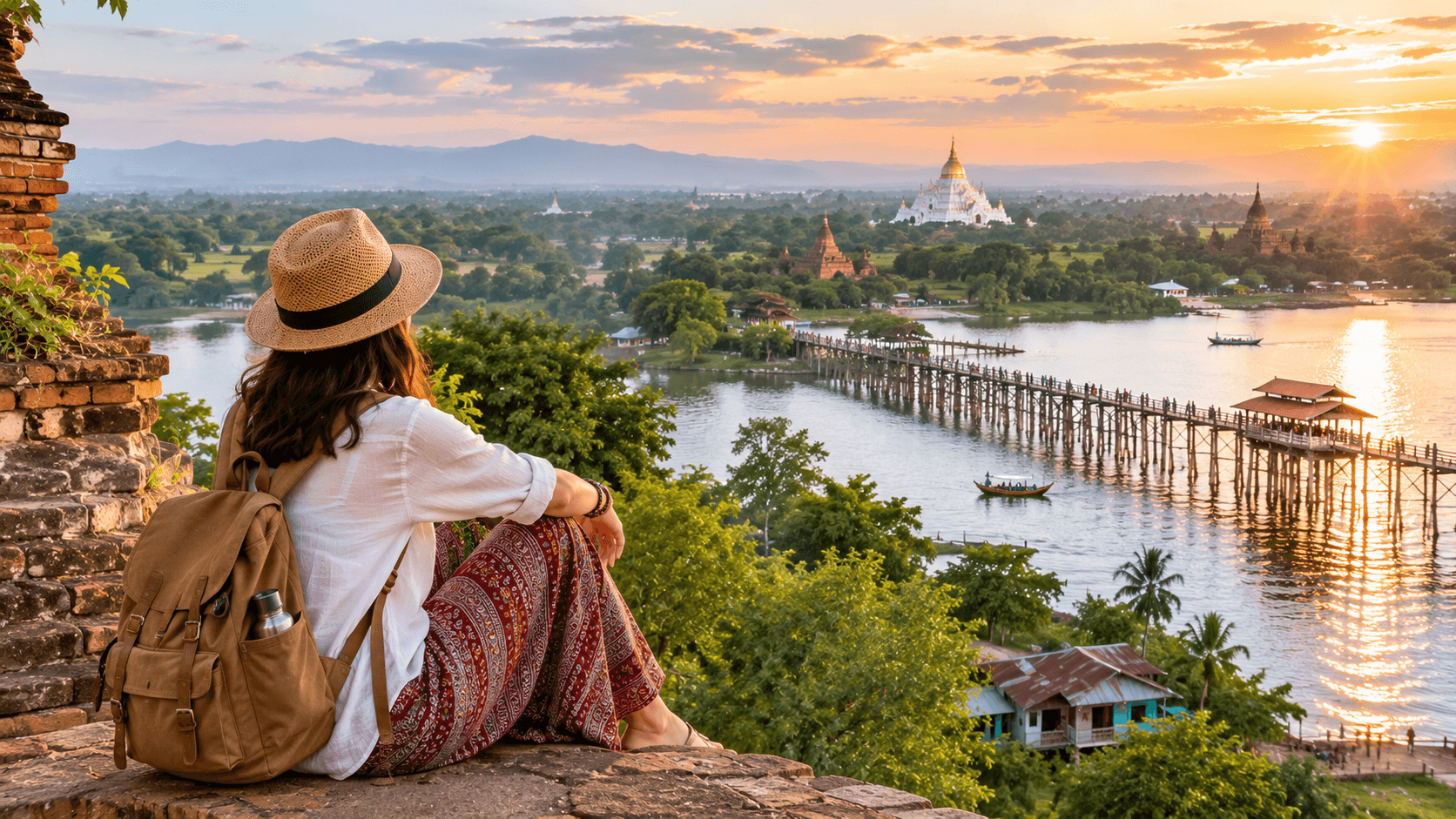
Its best-known places are strikingly distinct: the temple plains of Bagan, the stilt villages and leg-rowers of Inle Lake, the golden Shwedagon Pagoda in Yangon, and the former royal capital of Mandalay.
Beyond them lie highland Shan and Kayah country, colonial-era hill stations, and the beaches of the Bay of Bengal, each with its own character and pace.
Travel here calls for more care than most of the region: conditions, access and the wider situation change, so responsible, up-to-date planning and trusted local guidance matter more than usual.
Reading these realities — where can be visited well, in which season, and how to travel responsibly — is what makes for a considered rather than careless trip.
UNRUSH exists to make those choices clearer, helping travellers match the right places, seasons and local agencies to a trip planned with care.
Ready to travel? Get free quotes from up to 5 Myanmar agencies
Request free quotesThe Destination
Myanmar's headline places — Bagan, Inle Lake, Yangon and Mandalay — each offer a very different landscape and pace.
Knowing how they differ, and how to visit them responsibly, is the first step to a considered trip.

Geography & Regions
Myanmar spreads from central plains along the Irrawaddy River to highland states in the east and a long coastline on the Bay of Bengal.
Bagan's temple plains, the highland lakes and villages around Inle, the city of Yangon and the old capital Mandalay form the classic circuit, with Shan State and the coast beyond.
Distances are real and infrastructure varies, so timing and routing need more thought than in neighbouring countries.
Culture & Heritage
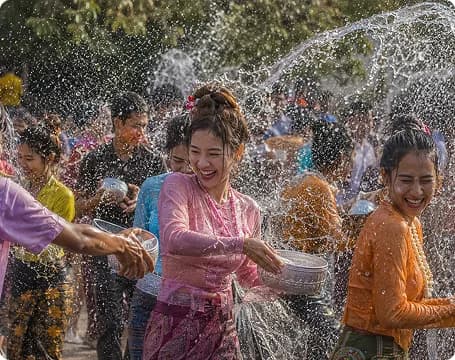
Myanmar is deeply Buddhist, its skyline marked by pagodas and its daily life by monastic tradition, alongside a rich patchwork of ethnic groups.
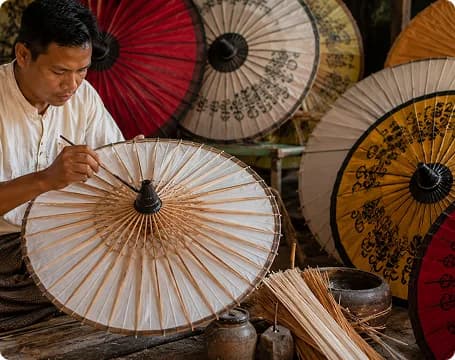
The temples of Bagan, the floating gardens of Inle, the colonial architecture of Yangon and the crafts of Mandalay each reflect a distinct part of the country's heritage.
Understanding local customs and history — and travelling with sensitivity to the present context — is central to visiting respectfully.
Travel Context
Myanmar asks for more preparation than most of the region: access, conditions and the wider situation can change, and reliable local knowledge is essential.
Seasonally, the cool dry months from around November to February are the most comfortable, with a hot season following and a wet season from June to October.
Understanding these realities — and planning with responsible, up-to-date guidance — is what keeps a trip both meaningful and considered.
Slow Traveling in Myanmar
Myanmar rewards patience and care above all. Slowing down — and planning thoughtfully — is what makes a visit here meaningful and responsible.
A Different Way to Approach Travel
The usual circuit links Yangon, Bagan, Mandalay and Inle Lake in a quick loop.
It captures the icons, but it leaves little room to understand the places or the lives around them.
A more considered trip usually means:
Understanding Local Context
A Bagan temple at dawn, an Inle Lake stilt village and a Yangon monastery belong to different worlds and rhythms.
Travelling well here means reading those differences, including:
It also means travelling with real sensitivity to the country's present situation.
Letting the Trip Breathe
A good Myanmar journey is not measured by how many sites you reach, but by how thoughtfully you spend your time.
Giving Bagan or Inle real time, with the right local guidance, changes the trip completely.
That usually means choosing fewer places and giving each of them real time.
In Myanmar, travelling slowly is not seeing less — it is understanding more.
A trusted local agency can make this far easier and more responsible, shaping the pace and route around how a place actually works today.
One request. Up to five tailored proposals.
Skip contacting agencies one by one — share your trip once and let up to five trusted Myanmar agencies come to you. Free, with no obligation.
Explore Myanmar Through Slow Travel Guides
Travel guides provide a structured way to understand Myanmar beyond surface-level information. Each guide is designed to offer in-depth insights into specific aspects of the country, combining cultural context, regional understanding and practical considerations. Rather than isolated articles, these guides contribute to a broader and more coherent perspective of the destination.
05/08/2026 · 15 minutes
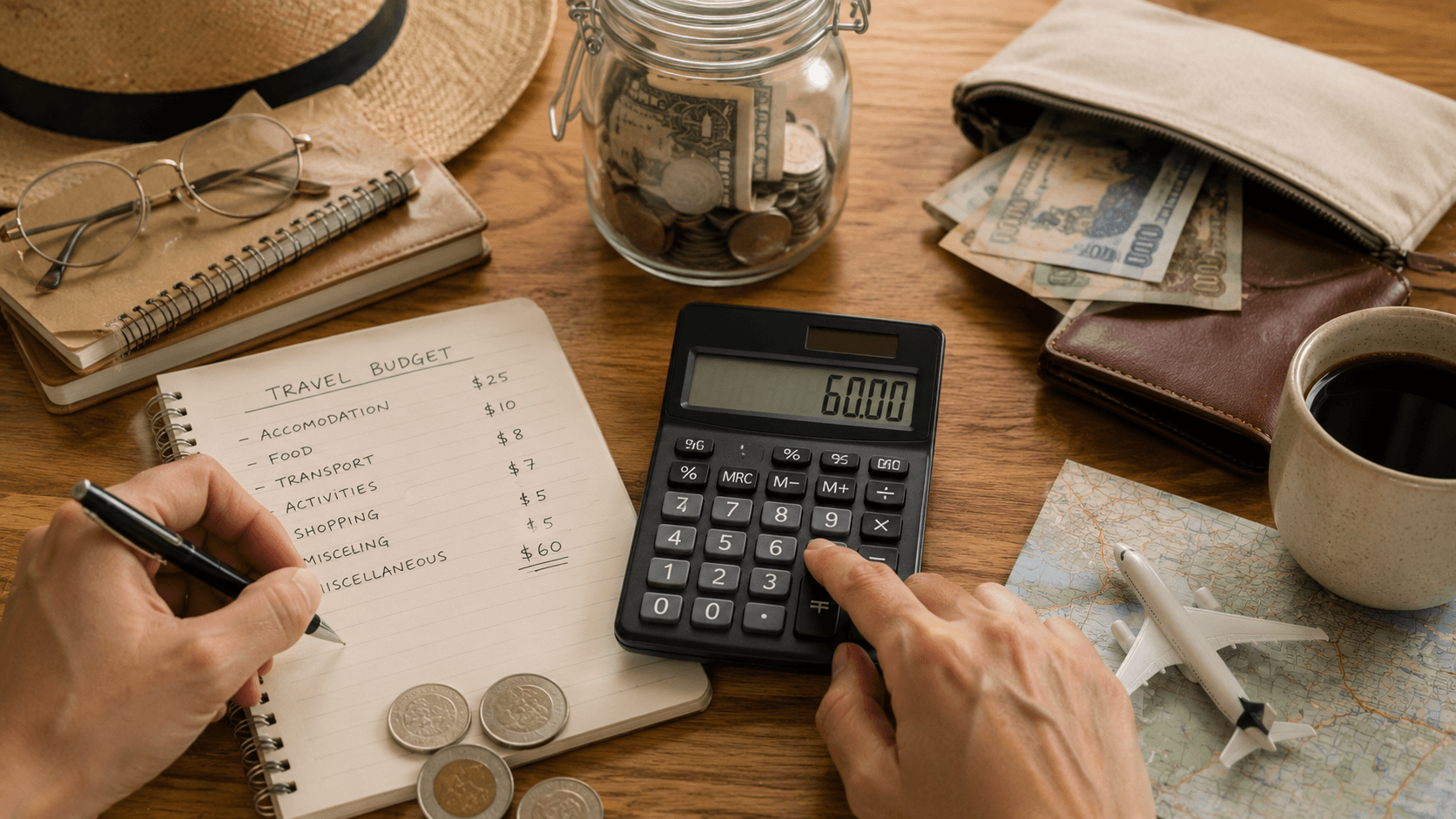
How Much Does It Cost to Travel Myanmar in 2026? A Complete Budgeting Guide
What Myanmar really costs in 2026 — daily budgets, the all-cash US dollar rule, the dual exchange rate, visas, zone fees, transport and costed itineraries.
05/08/2026 · 15 minutes
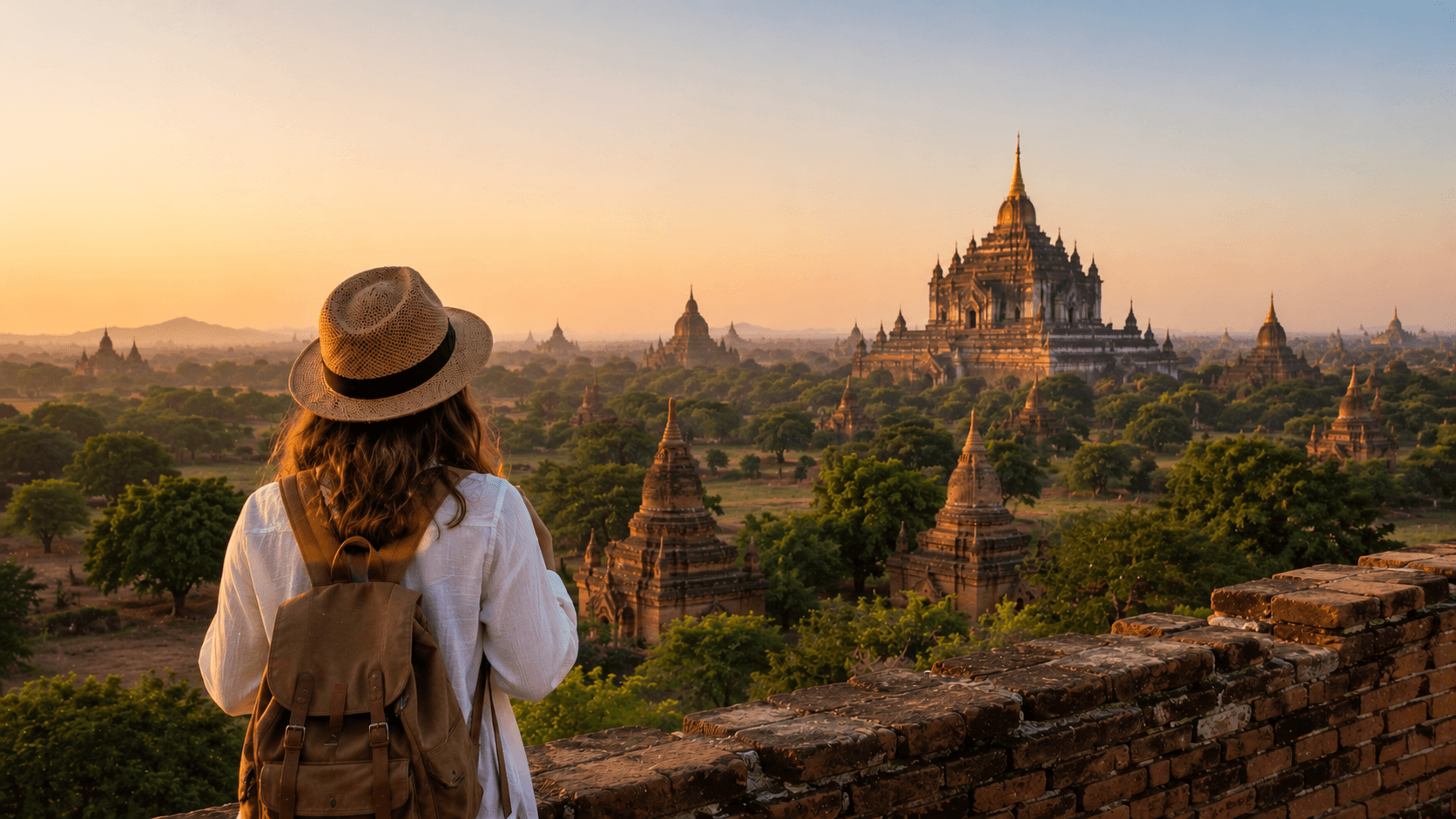
The Slow Traveler's Guide to Myanmar: Where to Go and When
An honest, current look at where Myanmar is realistically open, when to go, and how to travel its temple plains, lakes and hills slowly.
05/08/2026 · 15 minutes
Off the Beaten Path in Myanmar: Hidden Gems for Slow Travelers
Much of off-beat Myanmar is off-limits right now. Here is how to go deeper, not further, within the accessible areas, slowly and responsibly.
The guides are designed to support understanding, not to prescribe standardized travel paths.
View All Travel GuidesOn the Ground in Myanmar
On the Ground provides a more dynamic perspective on Myanmar, highlighting evolving destinations, regional focuses and local realities. These articles reflect what is happening across the country, offering a more immediate and contextual understanding of the travel environment. This section complements the travel guides by providing a more immediate and evolving perspective of the destination.
 Travel Tips
03/09/2026
Getting Around Myanmar: Domestic Flights, Buses and Ayeyarwady River Boats
A practical, honest guide to moving between Yangon, Mandalay, Bagan and Inle by flight, VIP bus, Ayeyarwady river boat and train.
 Regional Focus
02/09/2026
Inle Lake: A Slow Guide to Myanmar's Floating World
A slow guide to Inle Lake: Nyaungshwe, Intha leg-rowers, floating gardens, Indein's stupas and how to experience Myanmar's floating world responsibly.
 Practical Updates
01/09/2026
Myanmar Travel Advisories in 2026: What's Open, What's Not, and How to Check
A calm, factual look at Myanmar's 2026 travel advisories: which areas realistically operate for tourism, which do not, and how to check official advice.

Slow Travel Agencies in Myanmar
The agencies working in Myanmar vary widely in how they operate and how responsibly they travel. Knowing what each does best, and how they work, is the key to a considered trip — and UNRUSH organises them by focus and approach so the right match is easier to find.
Explore All Slow Travel Agencies in MyanmarGet matched with up to 5 trusted Myanmar agencies
Describe your trip once. Receive tailored proposals from up to five vetted travel agencies — and choose the one that fits you best.
- Free
- No obligation
- Up to 5 agencies
Slow Traveling in Myanmar: A Closer Look
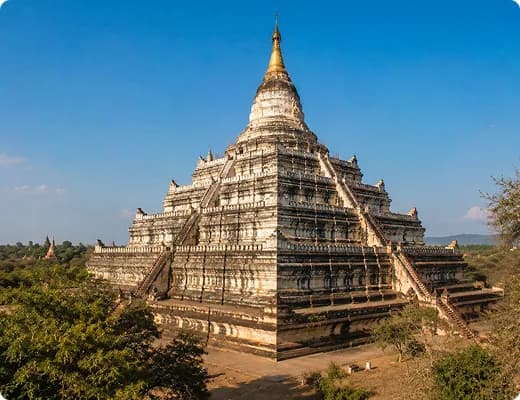
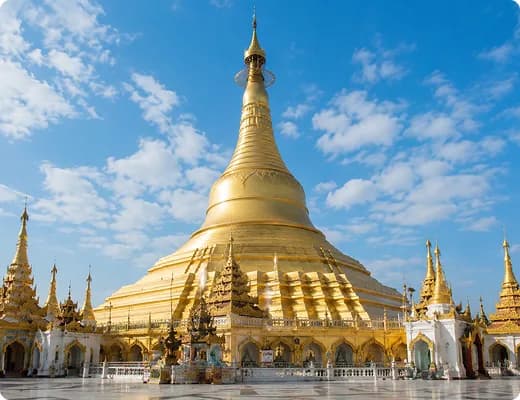
Myanmar is a large and varied country, from the central plains along the Irrawaddy to the highland Shan states and a long coastline. Its famous places are very distinct: the temple-covered plains of Bagan, the stilt villages and floating gardens of Inle Lake, the great Shwedagon Pagoda in Yangon, and the old royal capital of Mandalay. Each has its own landscape, pace and history.
Those differences change how a trip should be planned, but Myanmar also asks for something its neighbours do not: real care. Access, conditions and the wider situation can change, so where and how to travel needs current, reliable information. Rushing a fixed loop of icons, without that context, misses the point and can cross lines a responsible traveller would not.
A slower plan works the other way around. Instead of racing the classic circuit, it gives a few places real time, guided by up-to-date local knowledge and a sensitivity to the present moment. Seasonally, the cool dry months from around November to February are the most comfortable, but timing is only one of several things worth planning carefully here.
The hardest part to plan from abroad is exactly this local, current detail — what can be visited well right now, how to travel responsibly, and how to reach places in a way that benefits the people who live there. Trusted agencies based in Myanmar carry that knowledge from experience, but their quality and approach vary widely, and they are hard to tell apart from a website alone.
This is where UNRUSH helps. Rather than listing operators at random, it organises agencies by how they work and where they specialise, so travellers can find a partner suited to a considered, responsible trip. The aim is not to simplify Myanmar, but to make it easier to plan a visit with care.