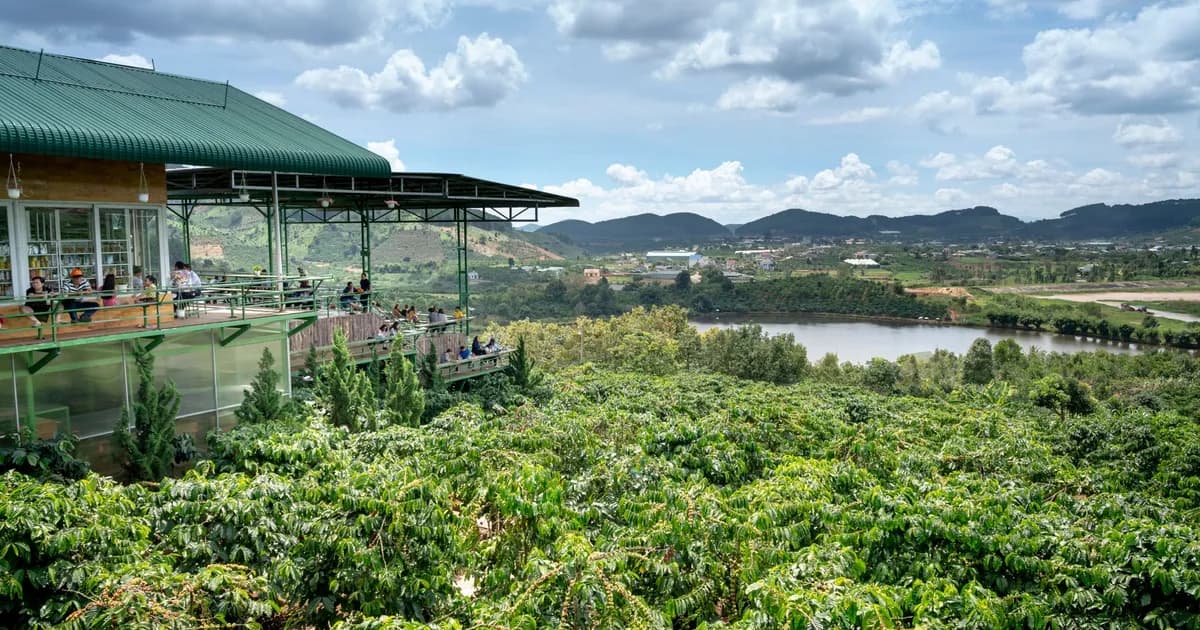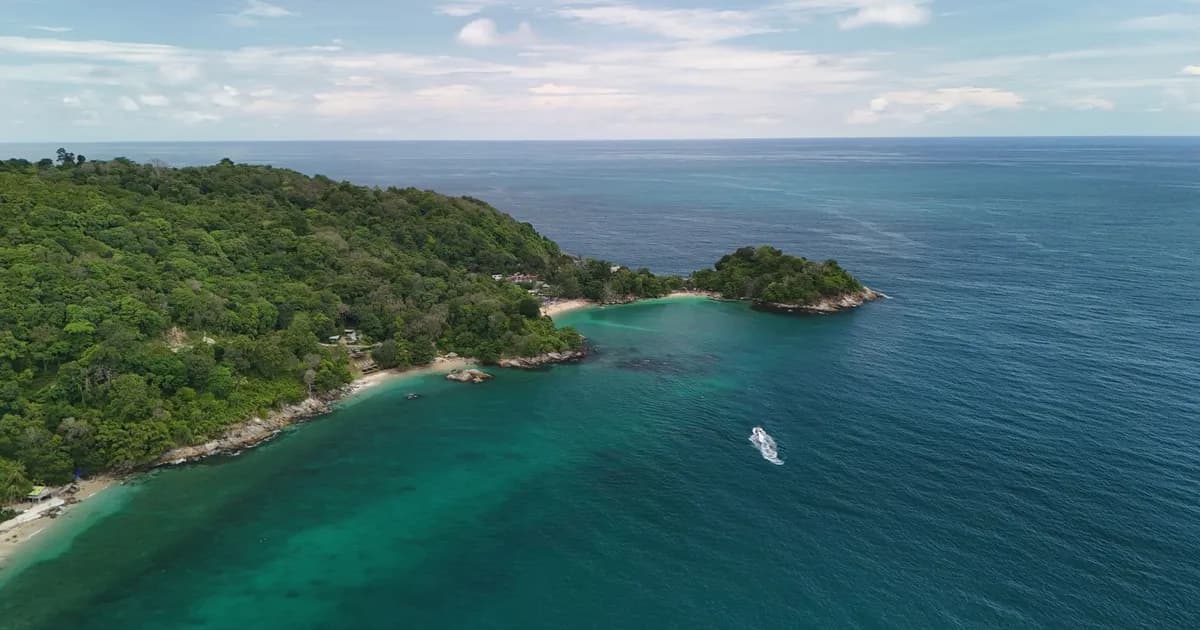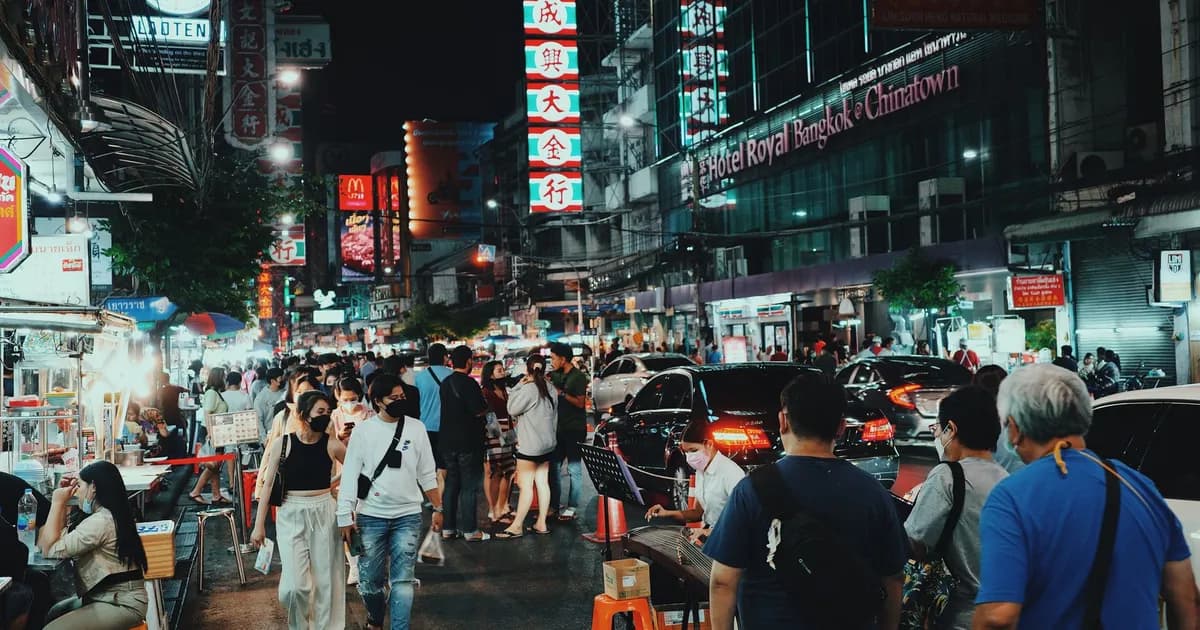
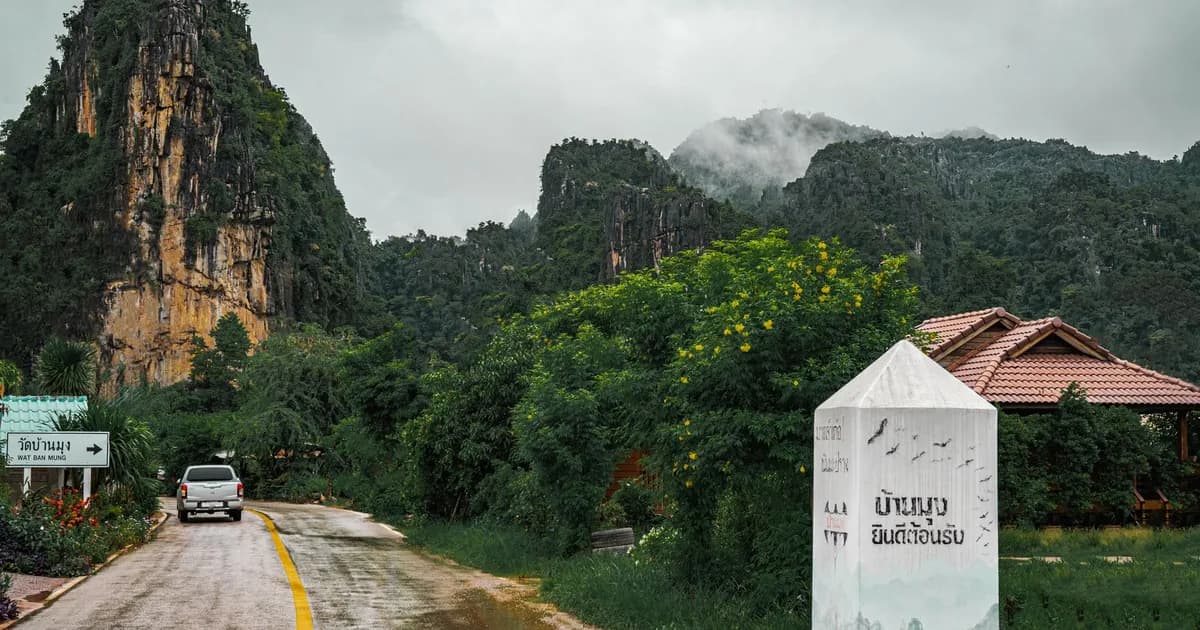

For years Thailand measured tourism success in raw arrivals, and a handful of places absorbed almost all of it. In 2026 the official language has changed. The Tourism Authority of Thailand is pushing hard on its "secondary cities" strategy — a long-running effort, now given fresh weight, to steer visitors and their spending toward 55 provinces that see far fewer travellers than Bangkok, Phuket and Chiang Mai. For anyone who travels slowly, this is less a marketing campaign than a quiet confirmation of what already made the best trips work.
What "Secondary Cities" Actually Means
The 55 provinces at the heart of the strategy are defined, roughly, as those receiving fewer than around four million visitors a year — a threshold that captures most of the country outside its famous handful of hotspots. These are the provinces the authorities have historically under-marketed and travellers have historically skipped: places like Nan, Loei, Lampang, Ratchaburi, Chanthaburi, Trat, Phatthalung and Nakhon Si Thammarat. The Thai term often used, muang rong, translates loosely as "secondary towns", but the connotation the campaign wants is not "lesser" so much as "next". If you have read our seasonal guide to where to go in Thailand and when, many of these names will already be familiar as the quieter alternatives it recommends.
One request. Up to five tailored proposals.
Skip contacting agencies one by one — share your trip once and let up to five trusted Thailand agencies come to you. Free, with no obligation.
Get my free quotesWhy the Government Is Pushing Now
Two pressures are driving the shift. The first is congestion: the marquee destinations are straining under crowds, rising costs and local pushback, and concentrating growth there yields diminishing returns. The second is money. Thailand has set an ambitious target of lifting tourism revenue toward 2.8 trillion baht and breaking into the world's top tier for tourism income, and it cannot get there on arrival numbers alone. Spreading visitors across more provinces, for longer stays, is the more sustainable path to higher spending — and it happens to align with a global reckoning over the limits of mass tourism.
The tools are practical rather than glamorous. The authorities have leaned on tax-deduction measures that let Thai residents and companies offset spending on travel, seminars and events held in the 55 secondary provinces, nudging the vast domestic market toward the places that need it. Year-round promotional campaigns, rather than one-off festivals, aim to smooth demand across the calendar. The intent is to build durable local economies, not a single good season.
The Slow-Travel Logic Behind the Policy
Strip away the economics and the strategy describes exactly the kind of trip this brand has always argued for. Secondary provinces reward staying longer, because their pleasures are cumulative rather than headline: a market you return to, a guesthouse owner who remembers you, a valley you learn to read over several days. They spread money more directly to families and small operators, because the supply chain is short and local. And they trade the checklist for texture.
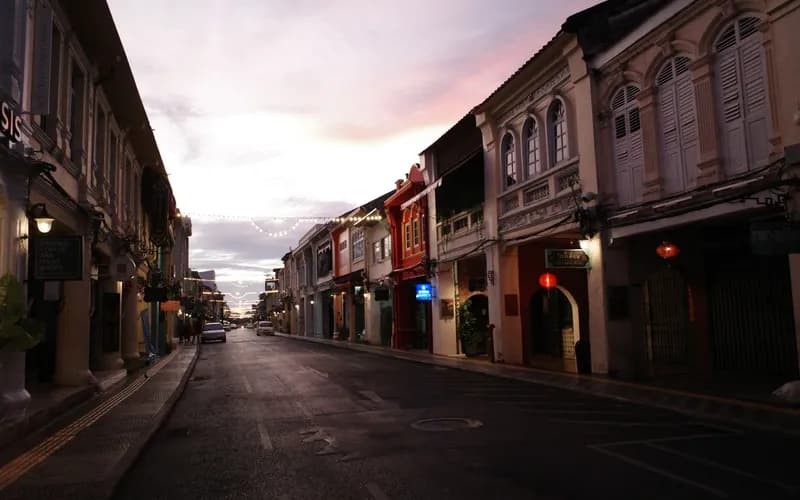
Consider Nan, in the far north — a province of temple murals, river valleys and Tai Lue weaving villages that our guide to Nan's quiet valleys at walking pace treats as a model of unhurried travel. Or the Mekong north-east, where a town like Chiang Khan in Loei province works precisely because it is built around river mornings and slow evenings rather than a single must-see. These are the destinations the policy is now trying to fill, and they were already the ones that repaid patience.
Get matched with up to 5 trusted Thailand agencies
- Free
- No obligation
- Up to 5 agencies
What Actually Changes on the Ground
For travellers, the near-term effects are modest but real. Expect better signage and more curated itineraries in provinces that previously offered little in English. Expect small but growing improvements in transport links — more regional flights, better bus and rail connections — as the state invests to make secondary cities reachable. And expect a widening range of community-based and homestay options, as the tax incentives and promotion give small operators reason to formalise and expand.
There are trade-offs to watch. A destination newly flagged as the "next" place can tip quickly if promotion outpaces infrastructure; the value of these provinces lies in their quiet, and heavy marketing is a blunt instrument. The most rewarding approach is to arrive before a place is fully "ready", accept simpler logistics, and spend where it counts — with local guides, family kitchens and small guesthouses. This is where working with genuinely local operators matters, and our directory of vetted Thailand travel agencies is a good place to find ones grounded in these regions.
How to Travel the Strategy Well
The secondary-cities push is an invitation, not an itinerary. To use it well, treat the 55 provinces as a menu of depth rather than a new checklist to complete. Pick one or two regions and give them real time. Pair a well-known anchor — Chiang Mai, Bangkok, the southern coast — with a neighbouring secondary province where you slow right down. And measure the trip not by how many provinces you tick off but by how well you come to know the few you choose.
The Provinces Leading the Shift
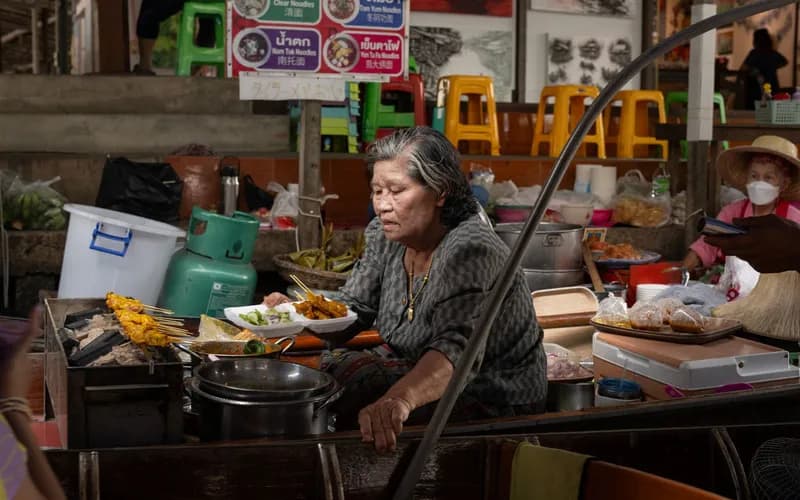
Not all 55 provinces offer the slow traveller the same thing, and a few stand out as natural places to begin. In the north, Nan and Phrae pair temple murals and river valleys with a walkable, low-rise calm, while Lampang keeps its horse-drawn carriages and Lanna temples without Chiang Mai's crowds. Along the eastern seaboard, Chanthaburi and Trat trade the busy Andaman coast for gem markets, fruit orchards and quiet islands such as Koh Kood. In the south, Nakhon Si Thammarat and Phatthalung open up lake country, cave temples and a regional food culture that rarely reaches foreign menus. Each rewards the same posture: arrive without a checklist, stay several nights, and let the province set the tempo rather than the other way around.
What the Strategy Means for Local Communities
The deeper purpose of the push is economic redistribution. Tourism spending in Thailand has long pooled in a handful of provinces, leaving much of the country to watch the industry pass it by. By steering visitors and their money toward places that see fewer than four million arrivals a year, the state hopes to seed small businesses, slow the drift of young people to the cities for work, and build a tourism base that does not collapse the moment a single hotspot falls from fashion. For travellers, this reframes what can feel like an abstract choice. A homestay in Nan instead of another resort night on a crowded island is not only quieter and often cheaper; it is a small act of rebalancing, sending money directly to a family and a province that will feel it. That alignment between what is good for the traveller and what is good for the place is the quiet strength of the whole idea.
The Risks of Getting It Wrong
No policy is without trade-offs, and this one carries a real one. Promotion is quick; infrastructure is slow. A province flagged as the next big thing can find itself with viral popularity but too few rooms, thin waste management and roads never built for the traffic. In the worst cases the result is the very overtourism the strategy set out to relieve, simply relocated to a smaller and less prepared place. The safeguard is pace. Growth that arrives gradually gives communities time to adapt on their own terms; growth that arrives all at once tends to hollow a place out. As a traveller you shape which of these happens more than you might think, through where you go, how long you linger, and whether you spend with large operators or local ones.
How Fast the Shift Will Come
None of this happens overnight. Marketing campaigns can redirect attention in a season, but building the roads, training the guides and adding the rooms that let a province absorb visitors well takes years. Expect the secondary-cities map to fill in gradually through the rest of the decade, with a handful of provinces maturing quickly while others stay genuinely off the radar for a while yet. For the slow traveller, that lag is not a problem but an opportunity: the window to experience these places before they are fully discovered is open now, and it is widest in the provinces the campaigns have not yet reached.
What to Do Next
- Choose depth over breadth: pick one or two secondary provinces and plan to stay several nights in each rather than passing through.
- Anchor and branch: pair a familiar hub with a nearby lesser-visited province so logistics stay manageable while the experience deepens.
- Spend locally: prioritise homestays, family-run guesthouses and community tours so your money reaches the people the strategy is meant to help.
- Go a little early: accept simpler infrastructure now in exchange for the quiet that heavy promotion will eventually erode.
- Work with grounded operators using our Thailand travel agencies directory, and shape the wider route with our plan-your-journey resources.
Frequently Asked Questions
What are Thailand's "secondary cities"?
They are the 55 provinces that the Tourism Authority of Thailand promotes as alternatives to the country's crowded hotspots. Broadly, these are provinces receiving fewer than around four million visitors a year — places like Nan, Loei, Lampang, Chanthaburi and Phatthalung that have historically been under-marketed to foreign travellers.
Why is Thailand promoting less-visited provinces?
Two reasons: to relieve pressure on overcrowded destinations such as Phuket and Chiang Mai, and to raise tourism revenue by encouraging longer stays and higher local spending. Thailand is targeting tourism income near 2.8 trillion baht, and spreading visitors more widely is seen as a more sustainable route to that goal than chasing arrival numbers alone.
Does the strategy make these places more expensive?
Not directly. The tax incentives are aimed largely at Thai residents and companies to encourage domestic travel and events in the 55 provinces. For foreign travellers, secondary provinces generally remain better value than the major hotspots, which is part of their appeal.
Will secondary cities become crowded too?
Some may, if promotion outpaces infrastructure. That is why the timing matters: visiting before a place is fully geared up for tourism preserves the quiet that makes it worthwhile. Choosing a few provinces and travelling slowly also spreads your impact more gently than rushing through many.
Which secondary provinces suit slow travellers best?
Northern provinces like Nan and the Mekong north-east around Loei are strong choices for river valleys, culture and cool-season walking. In the south and east, provinces such as Chanthaburi, Trat and Phatthalung reward travellers looking for coast, orchards and small-town life away from the busy islands.
How do I plan a trip around the secondary-cities idea?
Pair a familiar arrival hub with one or two neighbouring secondary provinces, stay several nights in each, and rely on local guides and homestays. Working with operators rooted in those regions makes the logistics far easier and puts your spending where the strategy intends it to go.