Thailand's THIM Arrival System and TM30 Rules in 2026: A Guide for Repeat and Long-Stay Visitors
Thailand's entry paperwork has been quietly modernising, and 2026 brings the most significant change yet: the arrival of THIM, a new digital immigration platform that folds the arrival card into a single reusable profile. For most short-stay tourists this is a convenience rather than a burden, but for repeat visitors and long-stayers it is worth understanding properly, alongside the TM30 host-registration rule that continues to trip people up. This guide explains what is changing, what is staying the same, and how to stay on the right side of the rules without stress.
A word of caution before the detail: Thai immigration rules are being adjusted frequently, and effective dates sometimes shift between announcement and enforcement. Everything below reflects the situation as understood in 2026, but you should always confirm the current requirements on official government sources close to your travel date. Treat this as a map, not a substitute for the latest official notice.
What THIM is and why it matters
THIM is Thailand's new integrated arrival system, and its purpose is to streamline the digital paperwork that every foreign visitor now has to complete. The headline benefit is that you register your profile once, entering your passport and personal details a single time, and on future trips you only need to update your flight number and arrival date rather than re-entering everything from scratch. For anyone who visits Thailand more than once, this is a genuine improvement over filling in a fresh form every time.
THIM absorbs the Thailand Digital Arrival Card, or TDAC, into a broader platform. In other words, the arrival-card step you may already know becomes part of your reusable THIM profile. The system is being rolled out to become mandatory for arriving foreign nationals during 2026, so travellers should expect the digital registration step to be a normal part of arriving in the country.
One request. Up to five tailored proposals.
Skip contacting agencies one by one — share your trip once and let up to five trusted Thailand agencies come to you. Free, with no obligation.
Get my free quotesThe TDAC, which THIM builds on
Even as THIM takes over, the underlying arrival-card requirement is the same one that replaced the old paper TM6 card in May 2025. Every foreign national entering Thailand by air, land or sea must complete the digital arrival card before arrival, and the window is between 24 and 72 hours before you arrive. It is free, it is done online, and you should keep the confirmation to hand for immigration.
The practical advice is simple: complete it within the three-day window, not weeks ahead when the option is not yet open, and not at the last minute when airport wi-fi may let you down. If you want the full picture of how the arrival card fits alongside visas and fees, our guide to Thailand's 2026 entry rules sets out the whole entry process in one place.
Visa-free stay: what is actually in force
There has been a great deal of noise about Thailand reducing its visa-free stay from 60 days to 30. The important point for 2026 is to separate what has been announced from what is actually in force. A reduction has been approved at cabinet level, but until the necessary Ministry of Interior announcements are published in the Royal Gazette, the change does not take legal effect, and it becomes effective only a set period after publication.
As things stood in mid-2026, the 60-day visa-exempt stay for eligible nationalities remained in force because the required publication had not yet happened. Because this is precisely the kind of rule that can change on short notice, confirm the number of days you are actually granted before you rely on it for a longer trip. If you are planning to stay well beyond the exemption, the long-stay route is a cleaner solution, and our guide to the Destination Thailand Visa explains the option built for extended slow-travel stays.
Get matched with up to 5 trusted Thailand agencies
- Free
- No obligation
- Up to 5 agencies
The TM30: the rule visitors forget
The TM30 is the requirement that catches people out, because it is an obligation on your host rather than on you, yet you can feel the consequences. Under Section 38 of the Immigration Act, the owner, occupier or manager of any residence where a foreigner stays must notify immigration of that person's presence, and the notification is due within 24 hours of arrival. In practice, every proper hotel and guesthouse does this automatically as part of check-in, so ordinary tourists rarely think about it.
Where it matters is if you stay in private accommodation, with friends, in some short-let rentals, or if you are a long-stayer dealing with immigration for visa extensions. In those cases the TM30 registration may fall to your host or to you, and an unregistered address can cause friction at an immigration office later. If you are staying privately or long-term, confirm that a TM30 has been filed for your address, as it is often needed for other immigration transactions.
Long-stayers: 90-day reporting and address rules
If you remain in Thailand for an extended period on a long-stay visa or a series of extensions, two further obligations come into view. The first is the 90-day report, whereby foreigners staying continuously must notify immigration of their current address every 90 days, a routine formality that can be done online, by post or in person. The second is that your TM30 address registration underpins these processes, so keeping it current whenever you move is part of staying compliant.
None of this is onerous once you understand it, but it does reward a little organisation. Long, slow stays in Thailand are very much possible and increasingly well provided for, and thinking through the administrative rhythm in advance is part of a smooth trip. Our plan your journey page can help you structure a longer stay so the paperwork never becomes a scramble.
E-gates and a faster arrival
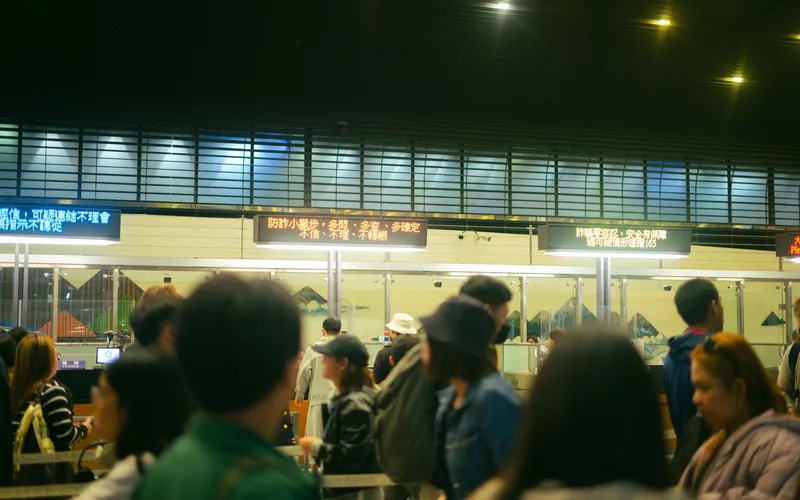
One piece of good news for repeat visitors is that Thailand has been expanding automated immigration e-gates for eligible foreign travellers, speeding up the physical crossing once your digital paperwork is in order. The digital arrival system and the e-gates are designed to work together, so completing your THIM or TDAC registration correctly is what unlocks the faster lane. Our guide to Thailand's automated immigration e-gates explains who qualifies and how the process works.
Overstays, fines and staying on the right side of the rules
The flip side of Thailand's welcoming entry system is that it takes overstaying seriously, and the penalties are worth understanding precisely because they are easy to avoid. If you remain in the country beyond your permitted stay, you are fined for each day of overstay up to a capped amount, and you must settle it on departure. More seriously, longer overstays discovered by the authorities rather than voluntarily disclosed can lead to detention and to bans on re-entry that escalate with the length of the overstay. None of this affects a traveller who simply keeps track of their permitted date, but it is a strong argument for knowing exactly how long you have been granted rather than assuming.
The single most useful habit is to note your permit-to-stay date the moment you clear immigration, because the stamp or digital record, not your visa, is what governs how long you may remain. Visa-free entries, visa-on-arrival and formal visas all grant different periods, and extensions are possible at immigration offices for a fee if you need a little longer. Keeping a photograph of your entry stamp and your arrival-card confirmation on your phone means you can always answer the question with certainty.
For longer stays, a little organisation goes a long way. Keep digital and paper copies of your passport, visa, TM30 registration and any extension paperwork together, because Thai immigration processes often ask you to produce several of these at once. If your situation is complex, a monthly stay that turns into a year, remote work, or moving between provinces, it is worth getting advice from a reputable local agent rather than improvising, as the cost of professional help is small next to the disruption of getting the paperwork wrong. In short, the rules reward the same qualities that make for good slow travel anywhere: a little forethought, good record-keeping and a willingness to do things properly rather than at the last minute. Get those right and Thailand will happily let you stay a long time.
What to Do Next
- Complete your digital arrival registration through THIM or the TDAC within 24 to 72 hours before you arrive, and save the confirmation.
- Confirm the exact visa-free period granted to your nationality on an official source close to your travel date, as the 60-to-30-day change may take effect.
- If you are staying in a hotel, assume the TM30 is handled at check-in; if you are staying privately, confirm your host files it.
- For stays beyond the visa exemption, research the long-stay visa route rather than relying on border runs.
- If you stay long term, diarise your 90-day reports and keep your TM30 address current whenever you move.
- Use the e-gates where you are eligible, and consider getting local logistics help from a Thailand travel agency if you are settling in for months.
Frequently Asked Questions
What is THIM in Thailand?
THIM is Thailand's new integrated digital arrival platform. You register your profile once, and on future trips you only update your flight and arrival date rather than filling in the whole arrival card again. It absorbs the TDAC arrival-card step.
Is the Thailand arrival card still required in 2026?
Yes. Every foreign visitor must complete the digital arrival card, now part of THIM, between 24 and 72 hours before arriving, whether entering by air, land or sea. It is free and completed online.
Has Thailand really cut visa-free stays to 30 days?
A reduction from 60 to 30 days has been approved at cabinet level, but it only takes legal effect once published in the Royal Gazette, and after a set delay. As of mid-2026 the 60-day exemption remained in force, so always confirm the current rule before you travel.
What is the TM30 and do I need to worry about it?
The TM30 is a requirement for the owner or manager of your accommodation to report your presence to immigration within 24 hours. Hotels do this automatically, so most tourists never notice it, but in private or long-term stays you should confirm it has been filed.
What is the 90-day report?
Foreigners staying in Thailand continuously on a long-stay visa must report their current address to immigration every 90 days. It can be done online, by post or in person and is a routine formality for long-stayers.
Do these rules apply to short holidays?
For a standard short holiday in a hotel, you only need to complete the digital arrival card; the TM30 and 90-day reporting are handled by your hotel or apply only to longer stays. The main change to note is the arrival platform moving to THIM.