
Three things changed how travelers enter and move around Cambodia over the past year, and none of them made it into most existing guidebooks. A new main airport opened outside Phnom Penh. E-visa fees settled at a new baseline after a 2025 price cut. And Angkor Pass prices, despite years of speculation about an increase, have not moved. Anyone planning a Cambodia trip for the rest of 2026 needs the current version of all three, not the version that was true two years ago.
Techo International Airport is now Phnom Penh's main gateway
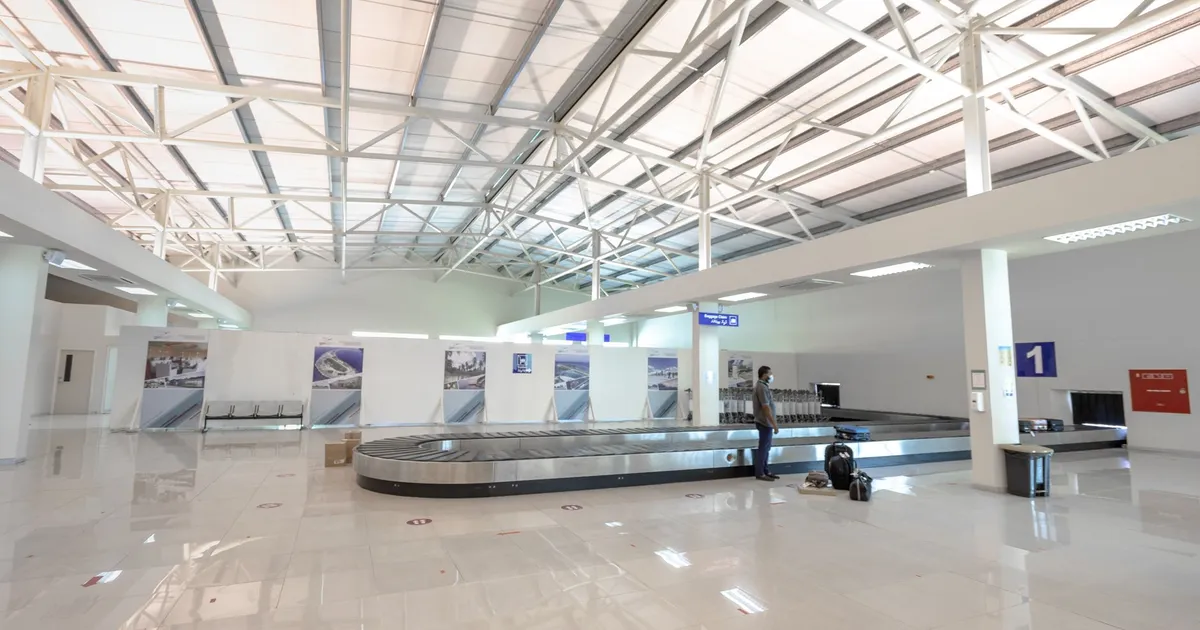
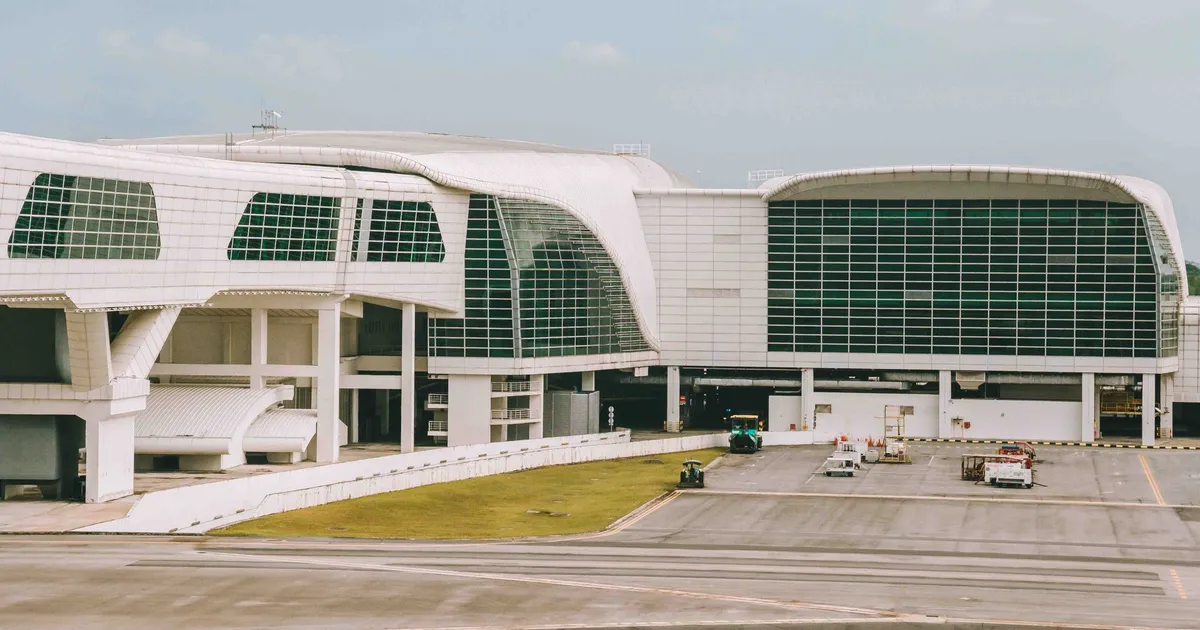
Phnom Penh International Airport, the capital's long-serving but capacity-constrained hub, has been superseded by Techo International Airport, which opened its first phase on September 9, 2025, and was formally inaugurated on October 20, 2025 with Prime Minister Hun Manet presiding. Located around 19 kilometers south of the city in Kandal province, Techo is Cambodia's largest airport by a wide margin, built on a site spanning roughly 2,600 hectares with first-phase capacity for 13 million passengers a year.
By mid-2026, the transition is essentially complete: 31 airlines operate 44 direct routes through the airport, handling roughly 130 aircraft movements and 13,500 passengers a day, including recently added long-haul connections such as Etihad's direct Abu Dhabi-Phnom Penh service. Travelers who last flew through Cambodia's capital before late 2025 should expect a fully different airport experience: longer transfer distances from the city center than the old airport (budget close to an hour by taxi or ride-hailing app depending on traffic), but shorter queues, more gates, and considerably more international connections than the facility it replaced. Airlines and booking platforms have largely completed the switch in their systems, but it is worth double-checking that a booking references Techo (airport code KTI) rather than the decommissioned Phnom Penh International Airport code, particularly on tickets booked through smaller third-party sites that may not have updated their databases.
One request. Up to five tailored proposals.
Skip contacting agencies one by one — share your trip once and let up to five trusted Cambodia agencies come to you. Free, with no obligation.
Get my free quotesSiem Reap-Angkor International Airport: already the busier hub
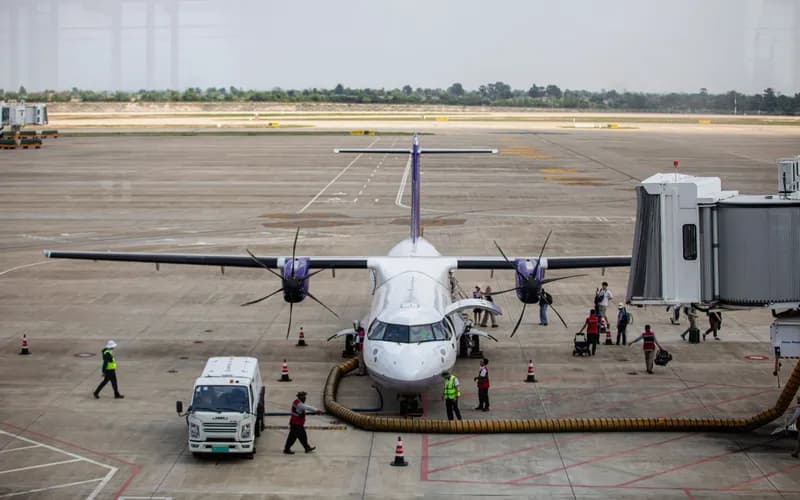
While Techo draws attention as the newer facility, Siem Reap-Angkor International Airport, which opened in October 2023 to replace the old, constrained Siem Reap airport, has quietly become Cambodia's busiest gateway by passenger volume, handling more than 7 million passengers in 2024 with growth continuing into 2025 and 2026. Sixteen airlines currently serve the airport, including long-haul carriers Emirates and Singapore Airlines alongside regional operators like Bangkok Airways, Thai Airways, Vietnam Airlines, AirAsia, and IndiGo, giving travelers direct routing into the Angkor region without transiting Phnom Penh at all.
For itinerary planning, this matters more than it might seem: a trip that starts in Siem Reap and ends on the coast, or the reverse, no longer requires routing everything through the capital as a fixed hub. Both airports now support genuinely independent entry and exit points, which is part of what has made multi-region Cambodia itineraries, pairing Angkor with Kampot and Kep's southern coast, for example, considerably easier to plan than it was even three years ago.
E-visa fees: what changed and what it actually costs
At a glance
- Tourist e-Visa
- 30 dollars
- Business e-Visa
- 35 dollars
- Processing fee
- 6 dollars
- Total (tourist)
- about 36 dollars
- Official portal
- evisa.gov.kh
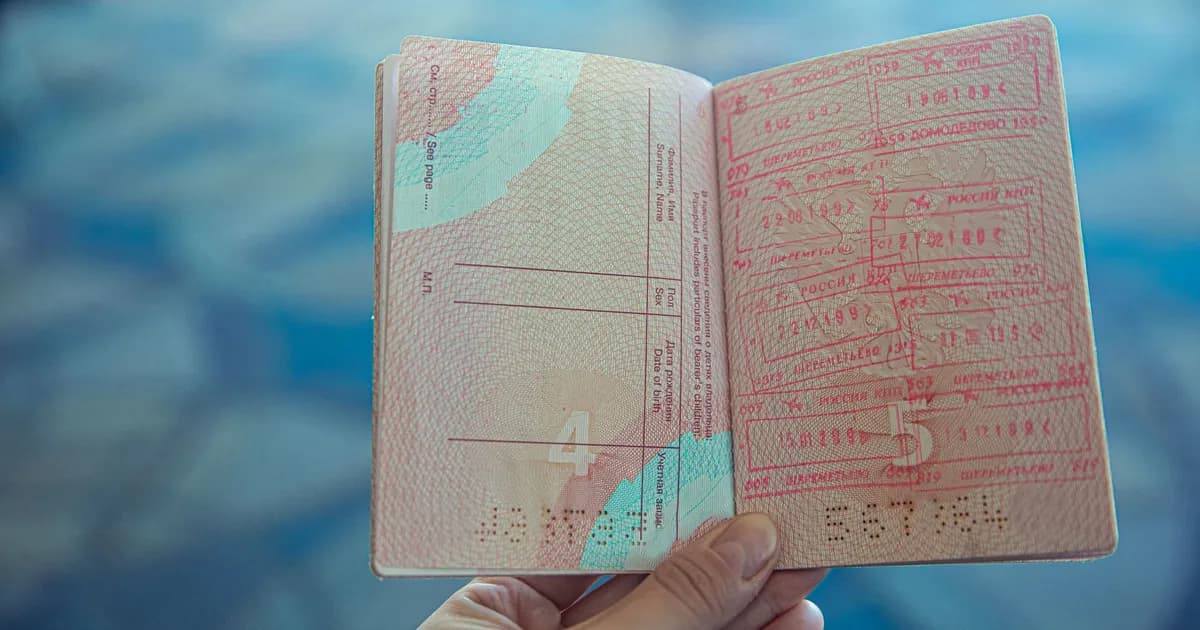
Cambodia's electronic visa pricing changed at the start of 2025 and has held steady through 2026: the tourist e-Visa (T-class) costs 30 dollars, and the business e-Visa (E-class) costs 35 dollars, both government fees before processing. Applied through the official evisa.gov.kh portal, the total with the standard 6-dollar processing fee comes to roughly 36 dollars for a tourist visa, typically processed within three business days, sometimes faster.
Third-party visa services routinely charge more, in some cases more than double the official rate, for the same e-visa, and travelers booking through search results rather than the government portal directly should check the URL carefully: the official site is evisa.gov.kh, and any site charging a large premium over the base government fee is not required to complete a standard tourist application. An e-Arrival card, a separate and simpler pre-arrival registration unrelated to visa cost, is also required and should not be confused with paid visa services offering to bundle it at extra cost. For travelers weighing visa costs against overall trip spending, the Cambodia trip cost and budget guide breaks down where entry fees fit into a realistic daily budget.
Get matched with up to 5 trusted Cambodia agencies
- Free
- No obligation
- Up to 5 agencies
Angkor Pass prices: unchanged, and worth knowing exactly
$37
$62
$72
Despite periodic speculation about an increase, Angkor Pass prices have not changed in several years and remain, as of 2026: 37 dollars for a one-day pass, 62 dollars for a three-day pass valid across any three days within a ten-day window, and 72 dollars for a seven-day pass valid across any seven days within a month. All three tiers cover the full Angkor Archaeological Park, including Angkor Wat, Angkor Thom and the Bayon, Ta Prohm, and outlying sites such as Banteay Srei, Beng Mealea, and Kbal Spean.
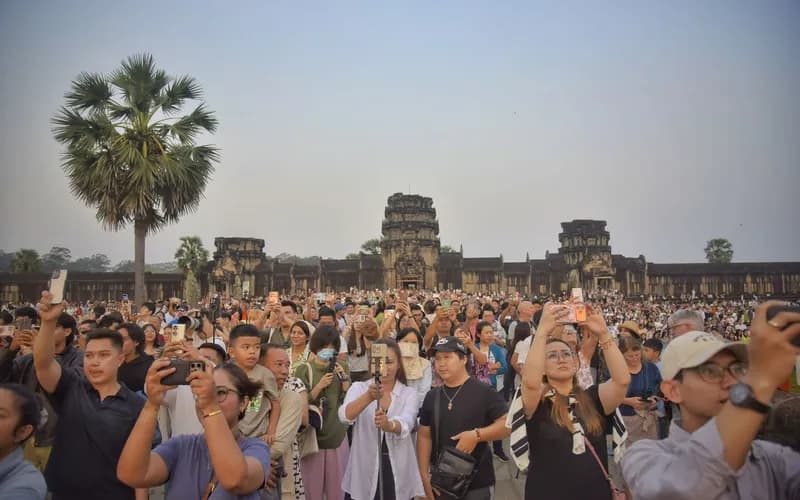
Passes are purchased at the official Angkor Enterprise ticket office near the park entrance or in advance online, with a photo taken at the point of sale used for identity checks at each temple gate. Prices are set in US dollars and paid in cash or by card at the official counter; as with e-visas, third-party resellers sometimes charge a premium over the official rate for the same ticket. For a full breakdown of which pass tier suits which kind of visit, the current Angkor temple etiquette and multi-day pass guide covers pacing a visit across the different pass lengths in detail.
Getting between the two hubs
With two capable international airports now in play, domestic transport between them matters more than it used to. Phnom Penh and Siem Reap are connected by a paved highway roughly five to six hours by bus or private car, alongside a domestic flight option of under an hour for travelers on tighter schedules or connecting onward internationally from one city rather than the other. Neither city has a rail passenger service reliable enough to recommend over road or air for a time-sensitive connection, despite periodic renovation announcements for Cambodia's rail network.
For travelers building a route that touches Phnom Penh, Siem Reap, and the southern coast in a single trip, sequencing the airports correctly at the start and end of the itinerary avoids unnecessary backtracking; a booking that flies into Techo, buses down to the coast, then flies out through Siem Reap after visiting Angkor, uses both hubs efficiently rather than looping back through the capital twice. The travel agencies operating across Cambodia can generally advise on current road conditions and realistic transfer times better than a generic booking engine, particularly during the wet season when travel times can shift.
Putting it together for a 2026 itinerary
None of these three changes, individually, forces a rewrite of a Cambodia trip plan, but together they shift the practical logistics enough to matter. Entry and exit points are more flexible than they were two years ago, given two genuinely capable international airports rather than one dominant hub and a smaller regional field. Visa costs are modest and predictable if booked through the correct official channel rather than a marked-up third party. And Angkor Pass pricing, static for years despite speculation, remains one of the few costs in the region that a traveler can budget for with total certainty months in advance.
Building these updated facts into a route from the start, rather than discovering them at the airport, saves both money and friction; the plan your journey guide is a useful starting point for sequencing entry points, visa timing, and temple pass dates before booking flights.
What to do next
- Confirm which Phnom Penh airport code appears on any flight booking: KTI (Techo International) is now correct, not the decommissioned Phnom Penh International Airport.
- Apply for the e-Visa only through the official evisa.gov.kh portal, budgeting roughly 36 dollars total with the standard processing fee, and apply at least a week before departure.
- Decide on a three-day or seven-day Angkor Pass before arrival rather than defaulting to the one-day option, since the price difference is small relative to the extra flexibility.
- Consider entering through Siem Reap-Angkor International Airport and exiting through Techo, or the reverse, rather than routing an entire trip through a single hub.
- Check current transfer times and taxi costs from Techo International Airport into central Phnom Penh before booking a same-day onward connection, since the drive is longer than the old airport's, and confirm whether a hotel or tour operator offers airport pickup, since Techo's larger footprint makes navigating ground transport independently less straightforward on a first visit.
Frequently Asked Questions
Has Phnom Penh's airport really changed?
Yes. Techo International Airport replaced Phnom Penh International Airport as the capital's main hub, opening its first phase in September 2025 and reaching full operational status through 2026. It uses the airport code KTI and is located about 19 kilometers south of the city center.
How much does a Cambodia e-visa cost in 2026?
The tourist e-Visa costs 30 dollars in government fees, with a standard 6-dollar processing fee bringing the total to roughly 36 dollars when applied for directly through the official evisa.gov.kh portal. Third-party sites often charge significantly more for the same visa.
Have Angkor Pass prices increased in 2026?
No. Prices have held at 37 dollars for one day, 62 dollars for three days, and 72 dollars for seven days for several years running, despite periodic speculation about an increase.
Which airport should I fly into for a Cambodia trip: Phnom Penh or Siem Reap?
It depends on the itinerary. Siem Reap-Angkor International Airport is now the busier of the two and offers direct routing into the Angkor region, while Techo International Airport near Phnom Penh suits itineraries that start or end in the capital or on the southern coast. Many multi-region trips now fly into one and out of the other.
Do I still need a separate e-Arrival card if I have an e-visa?
Yes. The e-Arrival card is a separate, simpler pre-arrival registration and is not included in the e-visa fee, regardless of what some third-party visa services imply when bundling the two together at a markup.
Is it worth buying a seven-day Angkor Pass instead of a three-day one?
For slow travelers, yes. The price difference between the three-day and seven-day pass is only 10 dollars, and the extra days allow the outlying, less-visited temples to be explored without the time pressure a shorter pass creates.
How long does e-visa processing take before a Cambodia trip?
Official processing through evisa.gov.kh is typically completed within three business days, though it can occasionally take longer during peak application periods. Applying at least a week before departure avoids any risk of delay affecting travel plans. Delays beyond three business days are rare but do occasionally happen around Cambodian public holidays, when processing centers run reduced staffing, so travelers with fixed departure dates should build in a small buffer rather than applying at the last possible moment.