

Travel to Cambodia
Slow travel in Cambodia — beyond a two-day Angkor stop, into the country's temples, coast, rivers and highlands.
Angkor's temples, Phnom Penh's history, the Tonlé Sap's floating villages and the Cardamom rainforests each ask for time. This is Cambodia given more than a stopover.
Understanding Cambodia as a travel destination
Cambodia is far more than Angkor, though the temples near Siem Reap are what most travellers come for. Beyond them lie a long southern coast, the Mekong and Tonlé Sap waterways, and forested highlands in the northeast.
The country is compact and mostly low-lying, centred on the Tonlé Sap lake and the Mekong River, and framed to the southwest by the Cardamom Mountains — one of Southeast Asia's largest surviving rainforests.
Its recent history runs deep: the glory of the Khmer Empire that built Angkor, and the trauma of the Khmer Rouge years in the 1970s, both shape how the country presents itself today.
Seasons matter here. The Tonlé Sap swells and shrinks dramatically between the wet and dry months, transforming the floating villages, the roads and the rhythm of rural life.
Reading these differences — where to go, when, and how much time to give each place — is what turns a rushed temple stopover into a real sense of the country.
UNRUSH exists to make those choices clearer, helping travellers match the right regions, seasons and local agencies to the trip they actually want.
Ready to travel? Get free quotes from up to 5 Cambodia agencies
Request free quotesThe Destination
Cambodia splits into a few very different regions — the temple plains, the great lake, the southern coast and the forested northeast.
Knowing how they differ is the first step to a trip that goes beyond Angkor.
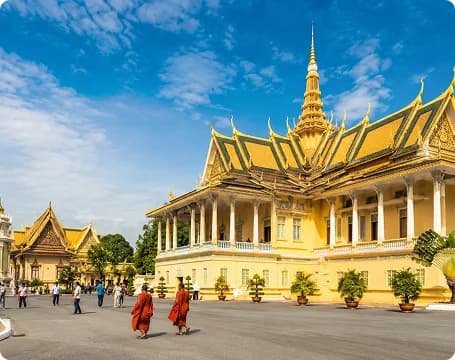
Geography & Regions
Cambodia is a mostly flat, tropical country built around the Mekong River and the Tonlé Sap, the largest freshwater lake in Southeast Asia.
Its regions are distinct: Siem Reap and the Angkor temples in the northwest; the capital Phnom Penh where the rivers meet; the beaches and islands of the south coast around Kampot, Kep and Sihanoukville; and the wild highlands of Mondulkiri and Ratanakiri in the northeast.
Each asks for a different pace, and few reward being rushed.
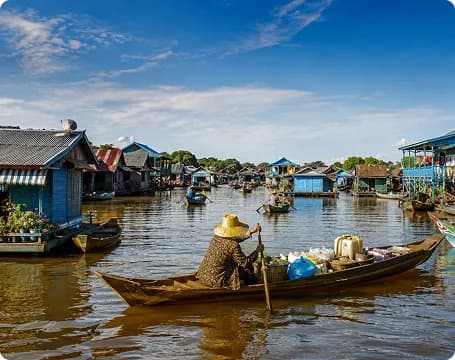
Culture & Heritage
Cambodia's identity rests on Theravada Buddhism and the legacy of the Khmer Empire, whose temples at Angkor were built between the 9th and 15th centuries.
That deep history sits alongside the painful recent past of the Khmer Rouge, remembered at sites like Phnom Penh's Tuol Sleng and the Killing Fields — places many travellers choose to visit thoughtfully.
Khmer cuisine, Kampot pepper, and festivals such as Khmer New Year and the Water Festival on the Tonlé Sap round out a living culture worth taking time with.
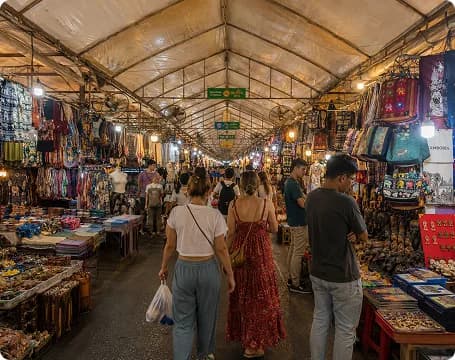
Travel Context
Cambodia is easy to enter but rewards patience: roads and boat routes improve every year, yet many of the best places still take time to reach.
Seasons shape the trip — the dry months from November to April are the easiest for travel, while the wet season floods the Tonlé Sap and brings the floating villages and countryside to life.
Understanding these rhythms is what keeps a journey from collapsing into a two-day Angkor tick-box.
Slow Traveling in Cambodia
Cambodia is often squeezed into a two-day Angkor stop between Thailand and Vietnam. Slowing down is what lets the rest of the country come into view.
A Different Way to Approach Travel
Many travellers see only Siem Reap's temples before moving on, treating Cambodia as a stopover rather than a destination.
It captures the highlight, but it misses Phnom Penh, the south coast, the Mekong dolphins at Kratie and the highlands entirely.
A more considered trip usually means:
Understanding Local Context
Angkor's temples, a Tonlé Sap floating village and a Mondulkiri forest community live in completely different worlds.
Travelling well here means reading those differences, including:
It also means engaging with the country's recent history honestly rather than skipping past it.
Letting the Trip Breathe
A good Cambodia journey is not measured by how many temples you photograph, but by how much of the country you actually meet.
Adding a few days for the coast, the river or the highlands changes the trip entirely.
That usually means choosing fewer places and giving each of them real time.
In Cambodia, travelling slowly is not seeing less — it is understanding more.
A local agency that knows the country well can make this far easier, shaping the pace and route around how each region actually works.
One request. Up to five tailored proposals.
Skip contacting agencies one by one — share your trip once and let up to five trusted Cambodia agencies come to you. Free, with no obligation.
Explore Cambodia Through Slow Travel Guides
Travel guides provide a structured way to understand Cambodia beyond surface-level information. Each guide is designed to offer in-depth insights into specific aspects of the country, combining cultural context, regional understanding and practical considerations. Rather than isolated articles, these guides contribute to a broader and more coherent perspective of the destination.
07/07/2026 · 15 minutes
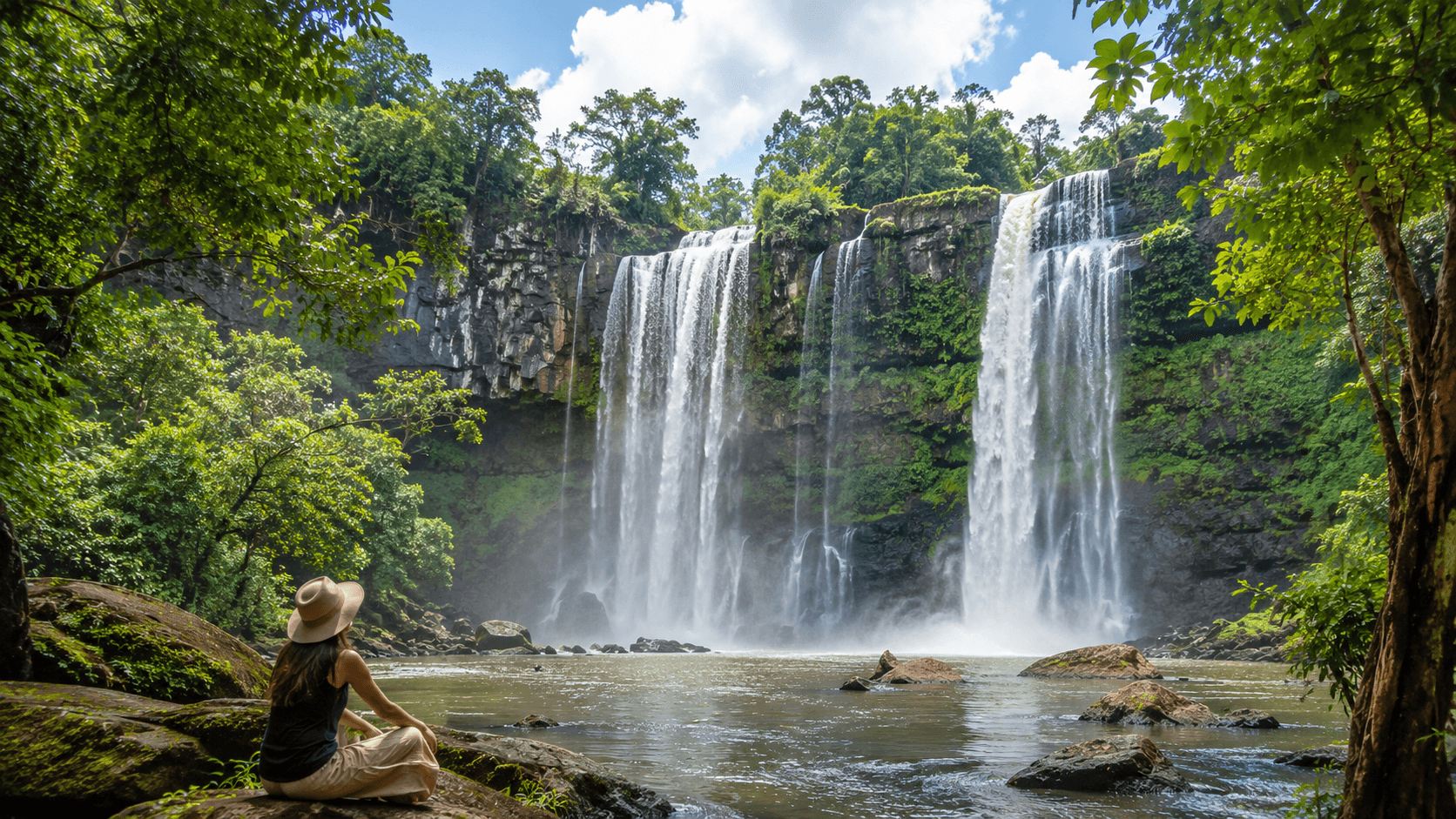
Cambodia Off the Beaten Path: Where to Go to Avoid the Crowds
The best of Cambodia is where the tour buses don't go. A guide to its quietest regions — Battambang, Mondulkiri, Kratie, the Cardamoms, and the quiet islands.
07/07/2026 · 15 minutes
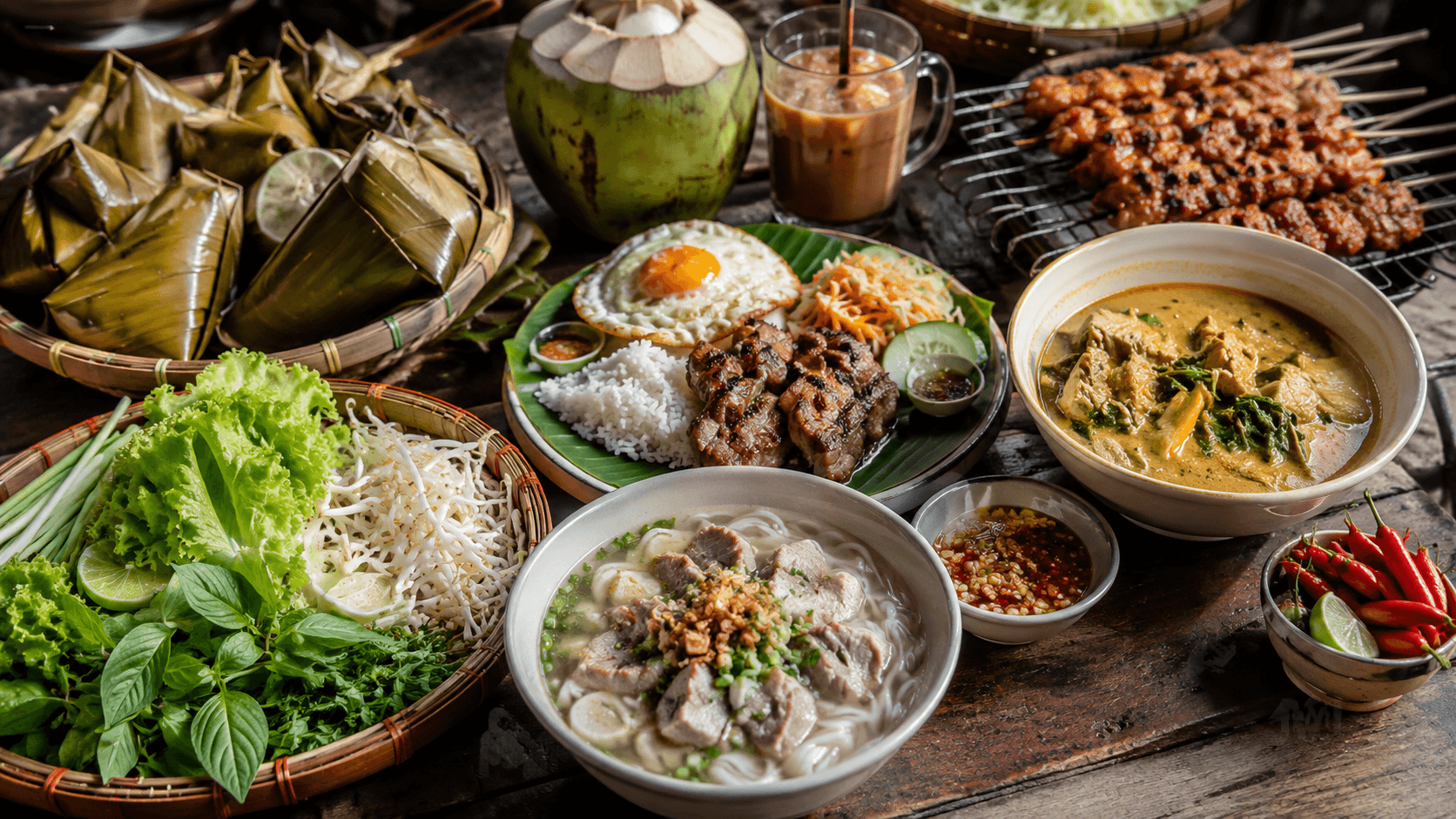
The Ultimate Guide to Cambodian Food in 2026: Khmer Cuisine, Street Food & Where to Eat
Khmer cuisine is Southeast Asia's most underrated. From fish amok to Kampot pepper crab and social-enterprise kitchens, here's the complete Cambodian food guide.
07/07/2026 · 15 minutes
The Slow Traveler's Guide to Cambodia: Where to Go and When
Cambodia is far more than Angkor. Where to go, when to go, and how to sequence a trip across its regions, two seasons and the Tonlé Sap — a slow traveler's guide.
The guides are designed to support understanding, not to prescribe standardized travel paths.
View All Travel GuidesOn the Ground in Cambodia
On the Ground provides a more dynamic perspective on Cambodia, highlighting evolving destinations, regional focuses and local realities. These articles reflect what is happening across the country, offering a more immediate and contextual understanding of the travel environment. This section complements the travel guides by providing a more immediate and evolving perspective of the destination.
 Practical Updates
26/10/2026
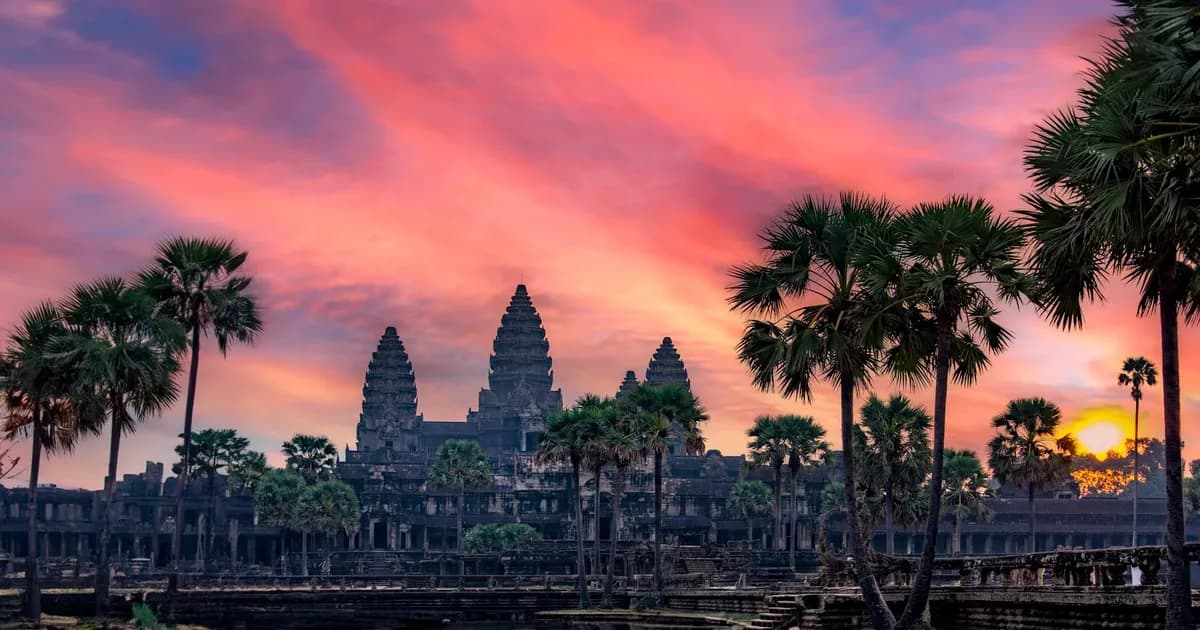
Angkor's 2026 Visitor Rules: Dress Code, Drones and Restricted Areas
Angkor is tightening its rules in 2026: a stricter dress code, a new costume ban and drone limits. What has changed and how to prepare.
 Practical Updates
22/10/2026
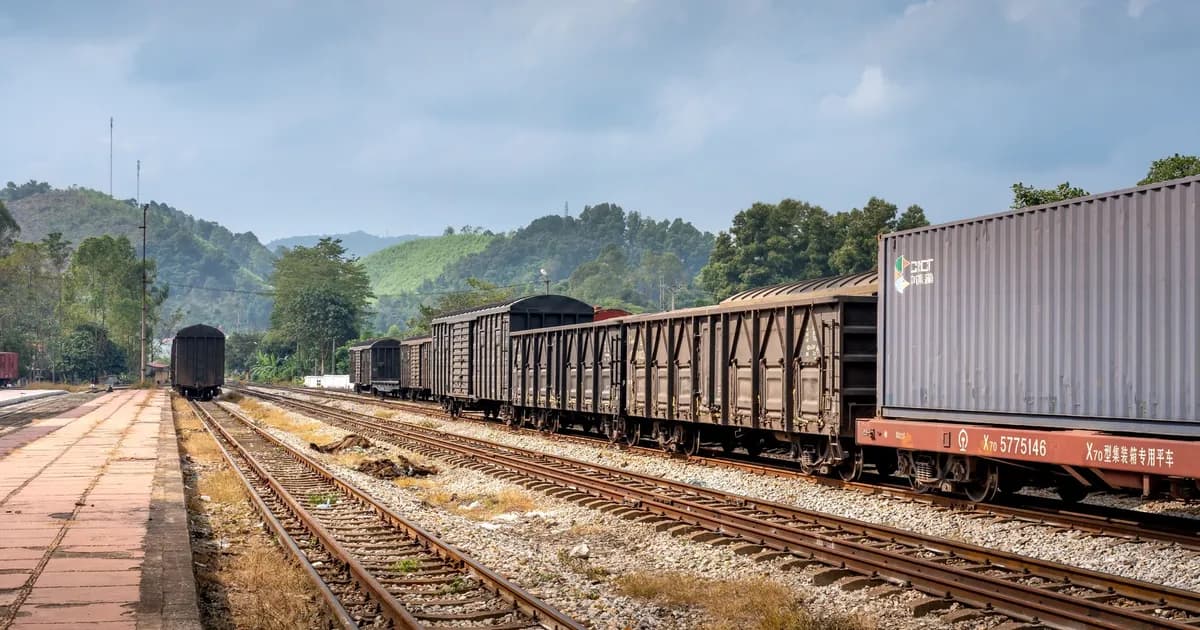
Cambodia by Train in 2026: Royal Railway Routes, Times and Fares
Cambodia's railways are slow, cheap and mostly weekend-only. Here is what actually runs in 2026, what it costs, and when the train is the right choice.
 Practical Updates
21/10/2026
Cambodia's Expressways in 2026: What the New Roads Change for Travellers
Cambodia is building a network of expressways that is already reshaping road travel. A 2026 guide to what's open, what's coming, and how it changes your trip.

Slow Travel Agencies in Cambodia
The agencies working in Cambodia range from Angkor and history specialists to south-coast operators and highland nature guides. Knowing what each does best is the key to a trip that fits — and UNRUSH organises them by focus and approach so the right match is easier to find.
Explore All Slow Travel Agencies in CambodiaGet matched with up to 5 trusted Cambodia agencies
Describe your trip once. Receive tailored proposals from up to five vetted travel agencies — and choose the one that fits you best.
- Free
- No obligation
- Up to 5 agencies
Slow Traveling in Cambodia: A Closer Look
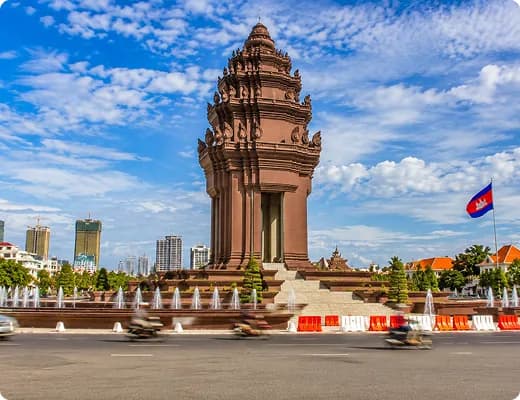
Cambodia is often experienced through a single lens — Angkor — and that focus hides how much else the country holds. Beyond the temples near Siem Reap sit the capital Phnom Penh, the great Tonlé Sap lake, a quiet southern coast, the Mekong River towns, and the forested highlands of the northeast. Each has its own landscape, pace and history.
Those differences change how a trip should be planned. Siem Reap is about temples and the lake; the south is about beaches, Kampot pepper farms and islands; Kratie is where the Mekong's rare Irrawaddy dolphins survive; Mondulkiri and Ratanakiri offer forests, waterfalls and ethnic-minority communities. Try to bolt Cambodia onto a fast regional loop and it shrinks to two days of temples — coverage at the expense of the country itself.
A slower plan works the other way around. Instead of treating Cambodia as a corridor between neighbours, it gives the country its own time, matched to the season. The dry months from November to April are easiest for travel, while the wet season transforms the Tonlé Sap and the countryside — a different, quieter Cambodia for those who plan for it.
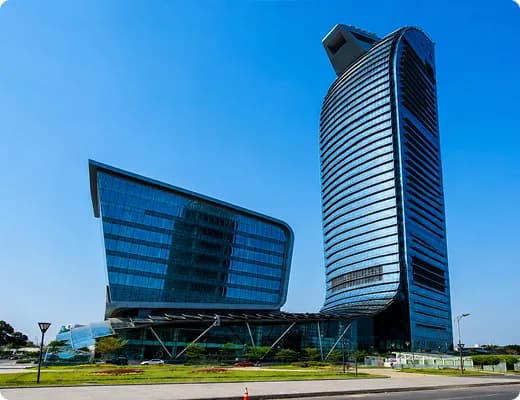
The hardest part to plan from abroad is the local detail — which highland roads are passable in a given month, how to reach the dolphins or the floating villages, how to visit the Khmer Rouge sites with the context they deserve. Agencies based in Cambodia carry that knowledge from experience, but their quality and focus vary widely, and they are hard to tell apart from a website alone.
This is where UNRUSH helps. Rather than listing operators at random, it organises agencies by how they work and where they specialise, so travellers can find a partner suited to the trip they want — a temple-and-history specialist, a coast-and-islands operator, or a highlands and nature guide. The aim is not to simplify Cambodia, but to make its depth easier to navigate.