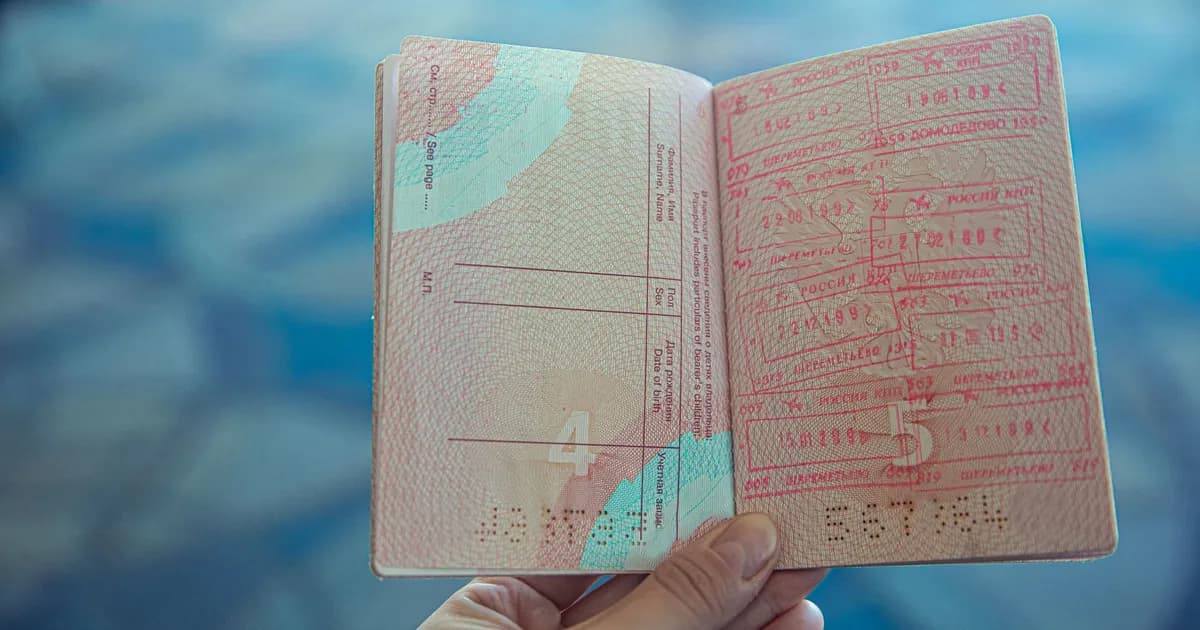


For years, Cambodia had a reputation as the most relaxed country in the region about how long you stayed. That reputation is now out of date. A policy change that took effect on 3 November 2025 ended the automatic extension of tourist visas and of related visa-exempt stays, and immigration has become measurably more attentive since. Nothing about this makes Cambodia difficult to visit. It does mean that the casual approach many long-stay travellers used, which was to extend by default or simply to leave and come back, no longer works. If your trip runs beyond a month, you need to plan the paperwork rather than improvise it.
What Changed in November 2025
The substance of the change is procedural rather than punitive. Before November 2025, extensions of the tourist visa and of certain visa-exempt stays were granted more or less automatically, and in practice many travellers dealt with them at the last minute or through an agent without much thought. Since 3 November 2025, the Ministry of Foreign Affairs and International Cooperation requires an explicit application, submitted in person or through an authorised agent, with the applicant's passport physically presented.
The second, less publicised element is scrutiny. Repeat exits and re-entries on tourist status, the practice known as the border run, are being examined more closely by immigration officers, particularly where a traveller has accumulated several consecutive short stays. Nobody is being turned away for a genuine second visit. The change targets the use of tourist status as an indefinite substitute for residence, which is a different thing.
One request. Up to five tailored proposals.
Skip contacting agencies one by one — share your trip once and let up to five trusted Cambodia agencies come to you. Free, with no obligation.
Get my free quotesThe Tourist Visa in Practice
The standard tourist visa, designated T, gives 30 days from the date of entry. It can be extended once, for a further 30 days, giving a maximum of 60 consecutive days in the country. After that you must leave; there is no second extension of a T visa. This is the single most important fact for anyone planning a long slow trip, because 60 days is a hard ceiling rather than a soft one.
Obtaining the visa itself is straightforward. The online e-visa is US$30 plus a processing fee of about US$6, giving roughly US$36 all in, and is issued as a printable document. Visa on arrival at the international airports and at open land crossings is US$30 in cash, in clean US dollar notes. Separately, and regardless of visa type, all air arrivals must complete the free Cambodia e-Arrival card before flying; our e-Arrival card guide explains the form and the common mistakes.
What an Extension Costs and How Long It Takes
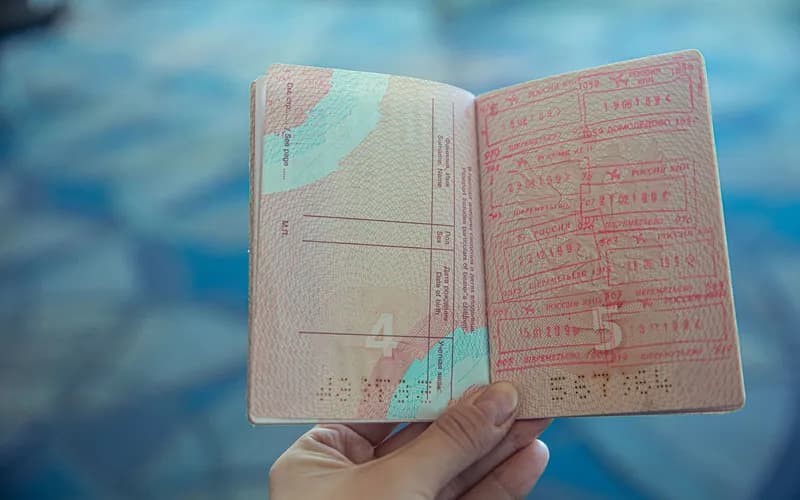
A 30-day extension of a tourist visa costs approximately US$45 when handled directly at the immigration department. Through a visa agent, expect roughly US$47 to US$53, with the difference covering the courier and the queueing. Processing typically takes three to five working days, during which your passport is held, so do not attempt this in the same week as a flight or a land border crossing.
Apply at least a week before your current permission expires. Immigration will not process an extension on the day of expiry as a matter of routine, and arriving with two days left is how people end up paying overstay fines through no real fault except timing. Bring the passport, a passport photograph, and the completed application form; some offices also ask for a copy of your accommodation booking.
Get matched with up to 5 trusted Cambodia agencies
- Free
- No obligation
- Up to 5 agencies
Where and How to Apply
There is no online extension route. As of 2026 all applications are made in person or via an agent, and the principal office is the immigration department in Phnom Penh, located across from the airport. Siem Reap has processing arrangements as well, though travellers consistently report the Phnom Penh office as the more predictable option for tourist extensions.
If you are not in Phnom Penh and cannot easily get there, the agent route is legitimate and widely used. Choose an agent through your guesthouse or a Cambodian travel company rather than an online advertisement, agree the total price in writing, and never hand your passport to someone without a physical business address. Any website charging a fee for the e-Arrival card is a scam; that service is free and separate from anything to do with visas. Our Cambodia entry update covers the arrival-side changes at the new Techo airport.
Overstaying: The Fines and the Real Risk
Cambodia charges a flat US$10 per day for overstaying any visa, payable in cash at immigration when you depart. For a short overstay of a few days the process is routine: you pay, you get a stamp, you leave. That predictability is why some travellers treat overstaying as a fee rather than an offence, which is a mistake once the numbers rise.
Beyond 30 days of overstay the consequences change in kind rather than degree. Travellers in that position risk detention, deportation at their own expense, and re-entry bans of one to five years. Airlines and land border officials can also refuse to process departure until immigration clears the case. Treat the US$10 per day as an emergency provision for a genuine miscalculation, not as an alternative to an extension.
The Ordinary Visa and Longer Stays
If you know in advance that you want more than 60 days, the tourist visa is the wrong instrument. The ordinary visa, designated E, costs around US$35 on arrival and looks almost identical at the border, but it is the only category that can be converted into extensions of one, three, six or twelve months, with the six and twelve-month versions typically issued as multiple entry. The extension categories carry their own conditions, covering business, retirement and study, and each has documentation requirements.
The practical implication is a decision you make before you fly rather than after you arrive: request the E visa at the point of entry if there is any chance you will stay beyond two months. Converting from T to E in-country is not straightforward. For most slow travellers on a two to three month regional trip, the cleanest approach is a T visa with one extension, then a genuine move to Vietnam, Laos or elsewhere.
Why Border Runs No Longer Work as a Strategy
The traditional workaround was to exit to a neighbouring country for a day and return on a fresh 30-day stamp. Two things have undermined it. The first is the increased scrutiny of repeated tourist entries since November 2025. The second is geographic: much of the Thai land border has been closed through 2025 and 2026 following the border dispute, removing the crossings most people used. Our explainer on the Thailand-Cambodia land border sets out what is open.
The Vietnamese and Lao crossings remain functional and are the practical alternatives for anyone genuinely moving on, with e-visa and on-arrival arrangements that vary by gate. If you are routing that way as part of a real onward journey rather than as a paperwork device, our guide to entering Cambodia from Vietnam and Laos covers the gates and fees.
Getting Your Entry Right in the First Place
Most extension problems begin at the border. Check the stamp before you leave the counter, because the date written is the date that counts, and errors happen. Confirm the visa type: if you asked for E and were issued T, it is far easier to correct at the desk than a month later. Carry US dollars in good condition, since torn or heavily marked notes are routinely refused, and bring a printed passport photograph, which some land crossings still require.
Your passport must have at least six months of validity remaining and blank pages available. Complete the e-Arrival card within the window specified before an air arrival, using only the official government portal. If you are planning your route around the season rather than around the paperwork, our slow traveller's guide to Cambodia covers when to be where.
Planning a Longer Slow Trip Legally
Sixty days is a generous allowance for Cambodia, and used well it is enough for the temples, the coast, the Mekong provinces and the north-east without hurrying. The constraint only bites if you intended to base yourself here for a season. In that case, decide before departure: either apply for an ordinary visa and the corresponding extension category with proper documentation, or build a genuine regional itinerary that moves you across borders for real reasons.
Finally, treat everything in this article as accurate at the time of writing and verify it against the official portals close to your travel date. Visa policy in the region moves faster than most published guidance, the November 2025 change being a good example: it altered a long-standing practice with limited advance notice, and it is entirely possible that further refinements follow during 2026.
What to Do Next
- Decide before you fly whether your stay might exceed 60 days, and request the ordinary E visa on arrival if so.
- Apply for a tourist visa extension at least seven days before your current permission expires, not in the final 48 hours.
- Budget approximately US$45 at immigration, or US$47 to US$53 through a reputable agent, and allow three to five working days without your passport.
- Complete the free e-Arrival card on the official government portal only, and ignore any site that charges for it.
- Photograph your entry stamp and your visa on arrival, so you have the exact expiry date to hand.
- Verify current requirements on the official Cambodian immigration and foreign ministry sites shortly before you travel.
Frequently Asked Questions
Can I extend a Cambodian tourist visa more than once?
No. The tourist visa, type T, allows one extension of 30 days, for a maximum of 60 consecutive days. After that you must leave the country. Anyone needing longer should obtain an ordinary visa, type E, at the point of entry, since that is the category designed to be extended repeatedly.
Can I extend my visa online in 2026?
No. Online extension is not available. All applications must be made in person at an immigration office, or submitted on your behalf by an authorised agent who physically presents your passport. Websites offering online Cambodian visa extensions are either agent services with a markup or outright scams.
How much is the overstay fine and when do I pay it?
The fine is US$10 per day, paid in cash to immigration at the point of departure. Short overstays of a few days are handled as a routine payment. Overstays beyond 30 days risk detention, deportation at your own cost and re-entry bans of one to five years, so the fine should never be treated as a planning tool.
Is a border run still a viable way to reset my stay?
It is much less reliable than it was. Immigration has scrutinised repeated tourist entries since November 2025, and the closure of much of the Thai land border has removed the crossings most commonly used for this. Travelling onward to Vietnam or Laos for genuine reasons is fine; using a day trip purely to reset a stamp is not a strategy to rely on.
What does the e-visa cost, and is it the same as the e-Arrival card?
They are entirely different. The e-visa costs US$30 plus roughly US$6 in processing, and it is your permission to enter. The e-Arrival card is a mandatory declaration form for air arrivals, it is free, and it does not replace a visa. You need both if you are flying in on an e-visa.
Which office should I use for an extension?
The immigration department in Phnom Penh, opposite the airport, is the most predictable option and the one most travellers use. Siem Reap also processes applications. Wherever you apply, go early in the day, bring the passport, a photograph and the completed form, and expect to leave the passport for three to five working days.