

For most of the past decade, the standard overland entry into Cambodia came from Thailand. In 2026 that route has been disrupted, and the practical consequence is that the Vietnamese and Lao crossings have gone from being alternatives to being the main overland options. They work well, but the rules changed at the same time as the traffic did, and the single most common mistake travellers now make is arriving at a gate their e-visa does not cover. Here is the current picture, and what to check before you commit to a route.
The Headline Change: e-Visa Entry Points Are Restricted
Cambodia's electronic visa is not valid at every land crossing. It is accepted at the international airports and at a specific, short list of land gates, and those land gates are on the Vietnamese and Lao borders. The two that matter most for travellers are Bavet, opposite Moc Bai on the Vietnamese side, and Trapeang Kriel, opposite Nong Nok Khiene on the Lao side.
Turning up at any other land crossing with an e-visa does not work. You will either be sent to a different gate or pushed into a visa-on-arrival process that you had not budgeted for. This is the single highest-value fact in this article: match your visa type to your specific gate before booking any bus.
Visa on arrival remains available at most international land crossings and at the airports for eligible nationalities, so an e-visa is a convenience rather than a requirement. But if you have already paid for an e-visa, the gate matters absolutely.
One request. Up to five tailored proposals.
Skip contacting agencies one by one — share your trip once and let up to five trusted Cambodia agencies come to you. Free, with no obligation.
Get my free quotesWhat It Costs in 2026
The Cambodian tourist e-visa is 30 US dollars for the visa itself plus a 6 dollar processing charge, so budget around 36 dollars all in. Visa on arrival for a 30-day tourist visa is 30 dollars, though in practice travellers at land borders regularly report being asked for 30 to 35 dollars, and the difference is not always officially explained.
Citizens of ASEAN member states enter visa-free for 14 to 30 days depending on nationality, which is why Vietnamese and Lao nationals crossing at these gates move through a different queue and a different process from you.
Pay in clean, undamaged US dollar notes. Cambodian immigration at land borders does not reliably take cards, and torn or heavily marked notes are sometimes refused. Bring the exact amount plus a small buffer, and bring passport photographs, since some gates still want a physical photo even though the e-visa process does not.
Bavet and Moc Bai: The Vietnam Crossing
This is the busiest and most straightforward land entry into Cambodia. Moc Bai sits about 80 kilometres northwest of Ho Chi Minh City, roughly two to three hours by bus from the city centre, and the Cambodian side at Bavet continues on towards Phnom Penh.
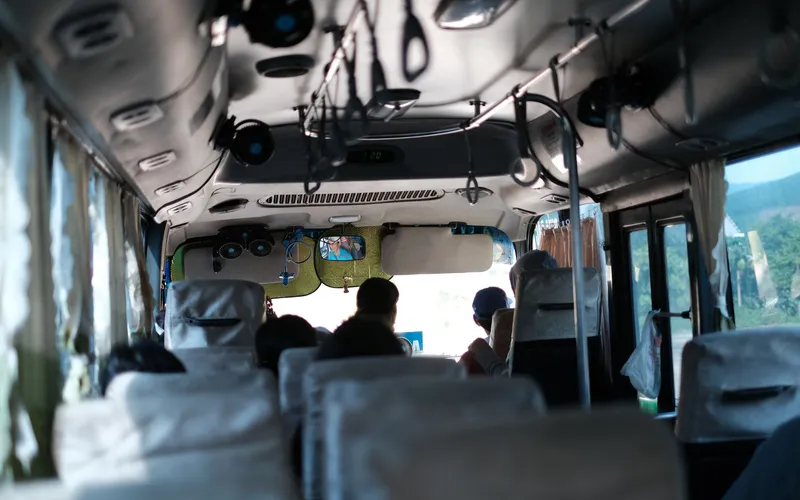
Direct buses run the whole route from Ho Chi Minh City to Phnom Penh, and using one is strongly recommended over piecing the journey together. The bus company collects passports, handles the paperwork queue on both sides, and waits for stragglers. Total journey time is typically six to eight hours depending on border traffic.
Going the other way, into Vietnam, requires equal care. Vietnam accepts its own e-visa at a defined list of land gates, and Moc Bai is among them, but the port of entry named on your Vietnamese e-visa application cannot be changed after approval. If your application says Moc Bai, you must enter at Moc Bai.
Two warnings. First, unofficial fees and "processing charges" at this crossing have been a persistent complaint for years; the official cost is the visa fee and nothing else. Second, fake visa websites are a genuine problem for both countries. Apply only through the official government e-visa portals, and treat any site charging a markedly higher price or promising express service as a commercial intermediary at best.
Get matched with up to 5 trusted Cambodia agencies
- Free
- No obligation
- Up to 5 agencies
Trapeang Kriel and Nong Nok Khiene: The Laos Crossing
The northern crossing links Nong Nok Khiene in the Khong district of Champasak province in Laos with Trapeang Kriel in Cambodia's Stung Treng province. It became a full international checkpoint after decades as a local crossing, and it is the only Lao land gate where a Cambodian e-visa is accepted.
The gate operates daily, generally from 07:00 to 17:00. Visas on arrival are available on both sides for eligible nationalities. It is a far quieter crossing than Bavet, which is pleasant, but the trade-off is fewer services, fewer buses and no realistic fallback if something goes wrong late in the day.
Practically, this is the route between Si Phan Don, the Four Thousand Islands in southern Laos, and Stung Treng, which sits about five kilometres south of the border. From Stung Treng there are onward buses to Phnom Penh, some 376 kilometres away, and southward connections down the Mekong. If you are heading that way, the river towns are worth building into the itinerary rather than transiting in one push, and our piece on Kratie and the Mekong covers the most rewarding stop on that stretch.
Small unofficial charges at this border, typically a dollar or two framed as a stamping or overtime fee, are common and rarely worth arguing over. Larger demands are not legitimate.
Main border gates
- Bavet ↔ Moc Bai
- From Vietnam; HCMC–Phnom Penh, busiest land entry, e-visa accepted
- Trapeang Kriel ↔ Nong Nok Khiene
- From Laos; Si Phan Don–Stung Treng, only Lao gate accepting the e-visa
Which Route Suits Which Itinerary
The two gates are not interchangeable, and choosing between them is really a choice about what shape you want the trip to have.
Bavet is the efficiency option. It drops you into Phnom Penh in a single day from Ho Chi Minh City, with services running several times daily, and it suits travellers who want to start in the capital and work outward. It is also the sensible choice in the rainy season, when the northern roads are slower and the river towns are harder work.
Trapeang Kriel is the slow-travel option. It puts you at the top of the Cambodian Mekong with the whole river in front of you: Stung Treng, then Kratie, then Kampong Cham, then Phnom Penh, each a few hours apart on a road that follows the water. Done properly it is a week rather than a day, and it lands you in the part of the country that international visitors have most thoroughly overlooked. That gap is widening as domestic travel reshapes the map, a shift we examine in Cambodia's domestic travel boom.
If you have the days, take the northern route in. If you have a fixed flight home from Phnom Penh and two weeks, take Bavet.
The e-Arrival Card Still Applies
Whichever land gate you use, Cambodia's electronic arrival card requirement applies alongside your visa. It is a separate online submission covering immigration, customs and health declarations, completed shortly before travel, and it is free. Complete it in advance rather than at the gate, where connectivity is unreliable. We have covered the process in detail in our guide to Cambodia's e-Arrival card.
Print or screenshot everything: the e-visa approval, the arrival card confirmation, your onward ticket. Land border offices are not always able to look up your record online, and paper resolves arguments quickly.
How the Thai Border Situation Changes Routing
The disruption on the Thailand-Cambodia land border is the reason this article exists. Overland traffic that used to enter at Poipet from Aranyaprathet, or at the southern coastal crossings, has largely been rerouted or converted to flights.
For a typical Southeast Asia overland itinerary, the practical consequences are these. A Bangkok-to-Siem Reap overland leg is no longer a reliable plan. Coming from Laos, the Trapeang Kriel route into Stung Treng works and is the natural continuation of a Mekong itinerary. Coming from Vietnam, Bavet works and puts you directly into Phnom Penh. And if Thailand is fixed in your plans, flying into Phnom Penh or Siem Reap is the dependable option.
The situation is fluid and has changed more than once during 2026. Our dedicated article on the Thailand-Cambodia land border tracks what is open. Check it, and check your own government's travel advice, close to your departure date rather than at the planning stage.
Common Problems and How to Avoid Them
Wrong gate on the visa. The most frequent and the most costly. Your Cambodian e-visa lists valid entry points; your Vietnamese e-visa lists a single named port. Neither can be changed after issue.
Unofficial fees. Ask politely for a receipt. In most cases the request alone resolves small demands. Do not escalate over one or two dollars in a remote border post late in the day.
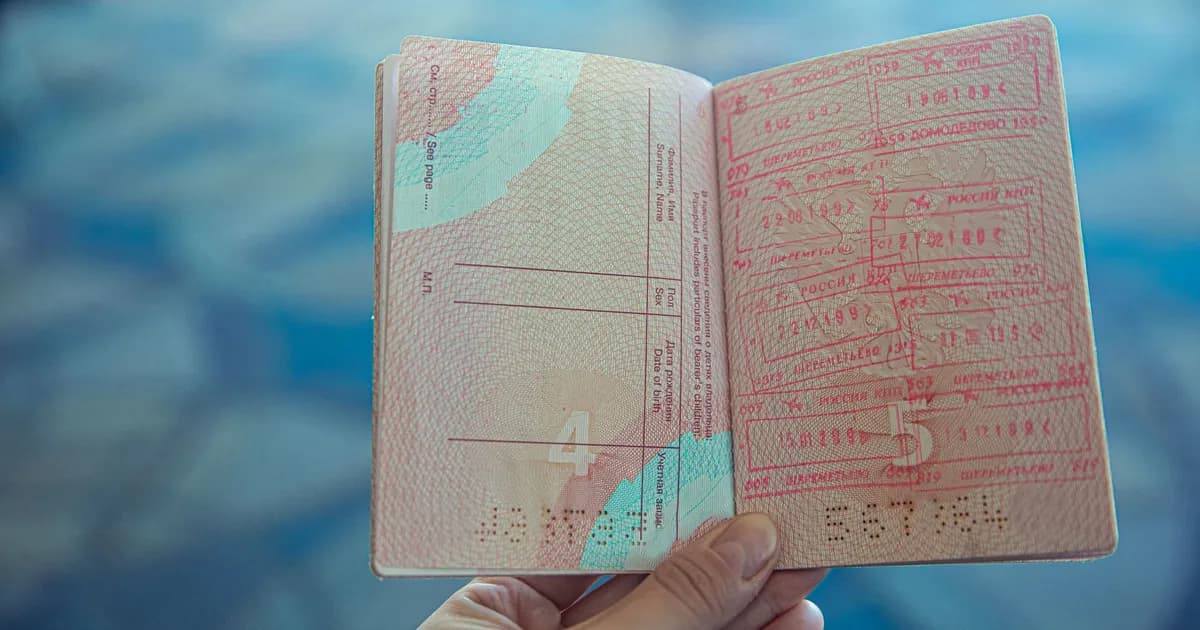
Passport validity and blank pages. Six months of validity beyond your entry date and at least one clear page. Land posts enforce this.
Currency. Bring US dollars in good condition. Cambodian riel is not used for visa fees, and neither is Vietnamese dong or Lao kip.
Timing. Both gates keep daytime hours. Arriving after mid-afternoon on the Lao border in particular leaves no margin, and the nearest town on either side is not close.
Onward transport. At Trapeang Kriel especially, onward buses are limited and do not run late. Confirm the day's schedule before you cross.
What to Do Next
- Decide your entry gate first, then buy your visa, not the other way round.
- Apply only via the official Cambodian e-visa portal, and check that the gate you plan to use is on the accepted list at the time you apply.
- If you also need a Vietnamese e-visa, name the exact land port you will use, since it cannot be amended later.
- Complete Cambodia's e-arrival card in the days before travel and save the confirmation offline.
- Carry 40 to 50 US dollars in clean small notes, plus two passport photographs.
- Book a through bus rather than a segmented journey for the Ho Chi Minh City to Phnom Penh route, and cross the Lao border in the morning.
- Plan the Cambodian side of the trip properly once you are in: our overland transport guide covers buses, boats and shared taxis, and plan your journey helps shape the route.
Frequently Asked Questions
Can I use a Cambodian e-visa at any land border?
No. The e-visa is valid at the international airports and at a restricted set of land gates on the Vietnamese and Lao borders, principally Bavet and Trapeang Kriel. Other land crossings require a visa on arrival instead. Verify the accepted list on the official portal at the time you apply, because it has changed before.
How much does a Cambodian tourist visa cost in 2026?
The e-visa is 30 US dollars plus a 6 dollar processing fee, so about 36 dollars total. Visa on arrival for 30 days is 30 dollars, though land border posts sometimes ask for 30 to 35. Citizens of ASEAN member states enter visa-free for 14 to 30 days depending on nationality.
Which crossing should I use coming from Ho Chi Minh City?
Moc Bai into Bavet, on a direct through bus to Phnom Penh. It is the busiest and best-served route, takes roughly six to eight hours in total, and the bus company handles the paperwork at both immigration posts.
What are the opening hours of the Laos border?
Trapeang Kriel and Nong Nok Khiene generally operate daily from 07:00 to 17:00. Cross in the morning. Onward transport on the Cambodian side towards Stung Treng and Phnom Penh thins out sharply in the afternoon, and there is very little accommodation near the gate.
Are unofficial fees still a problem?
Small ones, yes, particularly at Bavet and at the Lao gate. The official cost is the visa fee alone. Asking for a receipt usually settles a one or two dollar demand. Anything substantially larger is not legitimate, but a remote border post is a poor place to make a stand.
Is the Thailand land border an option?
Not reliably in 2026. The dispute has disrupted crossings and rerouted a large share of overland traffic. Treat flying into Phnom Penh or Siem Reap as the dependable option from Thailand, and check current conditions shortly before you travel rather than months ahead.
Do I still need the e-arrival card if I have an e-visa?
Yes. They are separate requirements. The e-arrival card is a free online declaration covering immigration, customs and health, submitted shortly before arrival, and it applies at land borders as well as airports. Complete it before you reach the gate, where mobile data is often poor.