
Most travellers rush past Kratie on the long haul between Phnom Penh and the north, and that is exactly why it remains one of Cambodia's most rewarding slow stops. This unhurried town on the banks of the Mekong offers no grand temples and no nightlife, only a rare pod of river dolphins, a sleepy island of pomelo farms, faded French-colonial shophouses and some of the best sunsets in the country. It is a place to slow to the pace of the river and let a couple of days drift by.
A River Town That Time Forgot
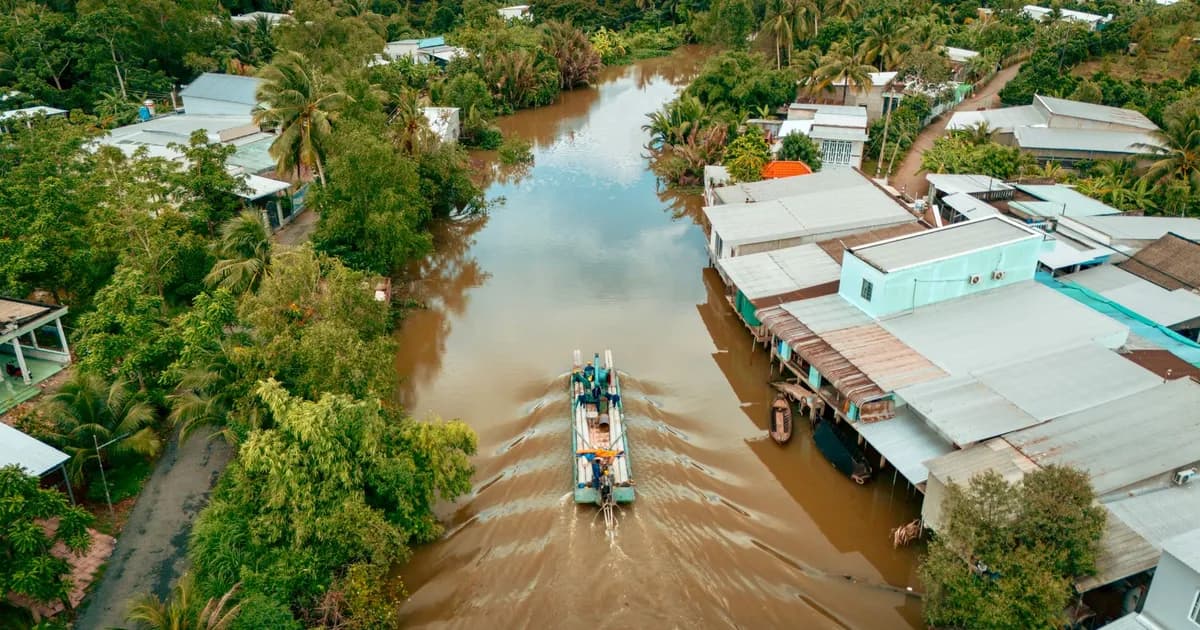
Kratie sits on the east bank of the Mekong in Cambodia's quiet north-east, a provincial capital that has kept the feel of a market town. Its centre is a grid of low streets and weathered shophouses, some still wearing their French-colonial shutters and ochre paint, running back from a riverfront promenade where families gather in the cool of the evening. There is little here in the way of formal sights, and that is the appeal. Kratie rewards the traveller who is content to cycle the back lanes, linger over an iced coffee, and watch the river traffic go by. If you are shaping a route that seeks out this kind of place, our guide to Cambodia off the beaten path sets Kratie among the country's other quiet corners.
One request. Up to five tailored proposals.
Skip contacting agencies one by one — share your trip once and let up to five trusted Cambodia agencies come to you. Free, with no obligation.
Get my free quotesThe Irrawaddy Dolphins of Kampi
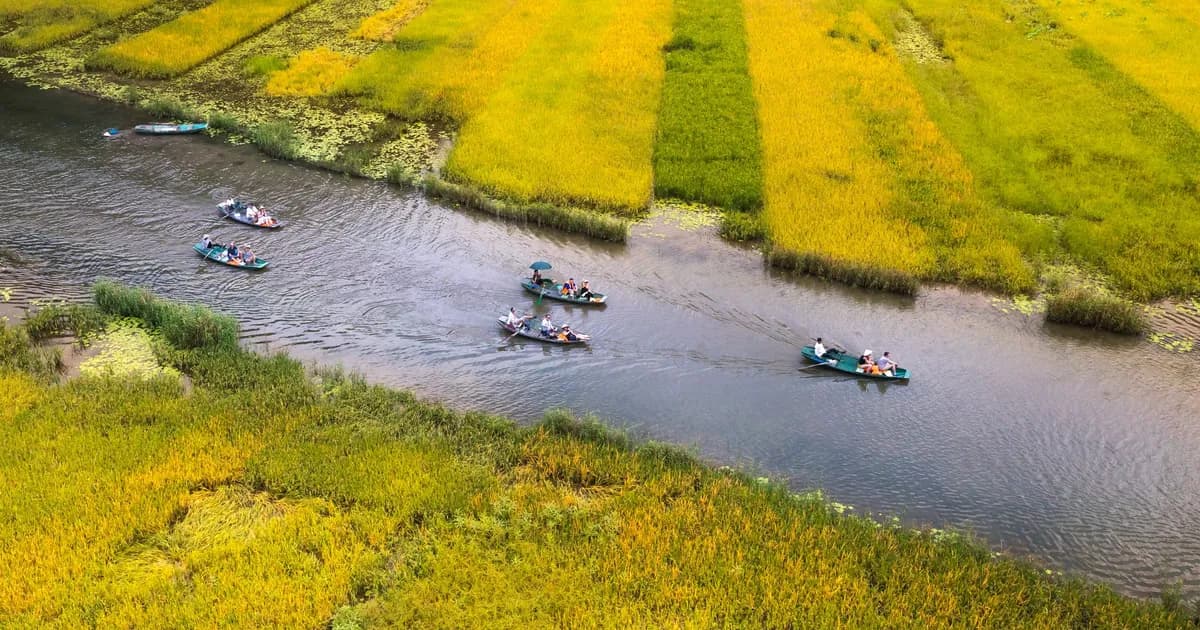
Kratie's headline draw swims a few kilometres upstream, at Kampi. Here, in a deep pool of the Mekong, lives one of the last populations of the Irrawaddy dolphin, a rare, snub-nosed freshwater dolphin found in only a handful of rivers on earth. Small wooden boats take visitors out in the early morning or late afternoon to watch them surface, and the encounter is quiet and unshowy: no leaping, no performance, just the slow roll of a grey back and the puff of breath as a dolphin breaks the surface among the reflections.
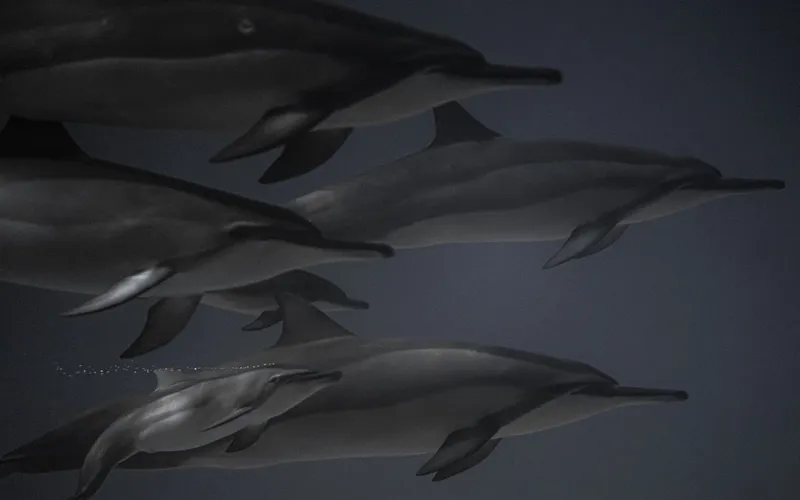
Choose a boat operator who cuts the engine and keeps a respectful distance rather than chasing the animals, and go outside the busiest hours if you can. The dolphins are wild, and the best sightings come to those willing to sit still and wait on the water.
Why the Dolphins Matter
The Irrawaddy dolphins of the Mekong are critically endangered, with only around ninety to a hundred or so surviving in the long stretch of river between Kratie and the Lao border. Their numbers have been battered by gill-net fishing, habitat loss and the pressures of development on the river, and their survival is far from assured. Seeing them is a privilege that carries a responsibility: choose community-based and conservation-minded operators, never buy products made from river wildlife, and understand that the modest fee you pay helps make the dolphins worth more alive than dead to the communities that share the river with them. Responsible dolphin tourism is one of the few forces working in their favour.
Get matched with up to 5 trusted Cambodia agencies
- Free
- No obligation
- Up to 5 agencies
Koh Trong: The Island in the River
Directly opposite the town, a short ferry ride across the Mekong, lies Koh Trong, a long sandbar island that is the perfect antidote to any hurry. There are no cars to speak of; you explore on a rented bicycle or in an ox-cart, following a single track past pomelo orchards, vegetable plots and stilted wooden houses. A handful of family homestays and a small floating Vietnamese village on the far side make it possible to stay overnight, waking to birdsong and the wide brown river. An afternoon or a night on Koh Trong is Kratie's quiet masterpiece, and one of the most genuine rural experiences in Cambodia.
Life on the Kratie Waterfront
Back in town, the riverfront is where Kratie comes alive. In the late afternoon the heat eases and the promenade fills: children playing, vendors setting out grilled snacks and tropical fruit, families sitting on mats to watch the sun go down. It is an unforced, everyday scene, entirely local, and joining it — a drink in hand, no agenda — is one of the pleasures of the town. The market a few streets back is worth a slow wander in the morning, when it is busiest and the produce freshest.
Sunset on the Mekong
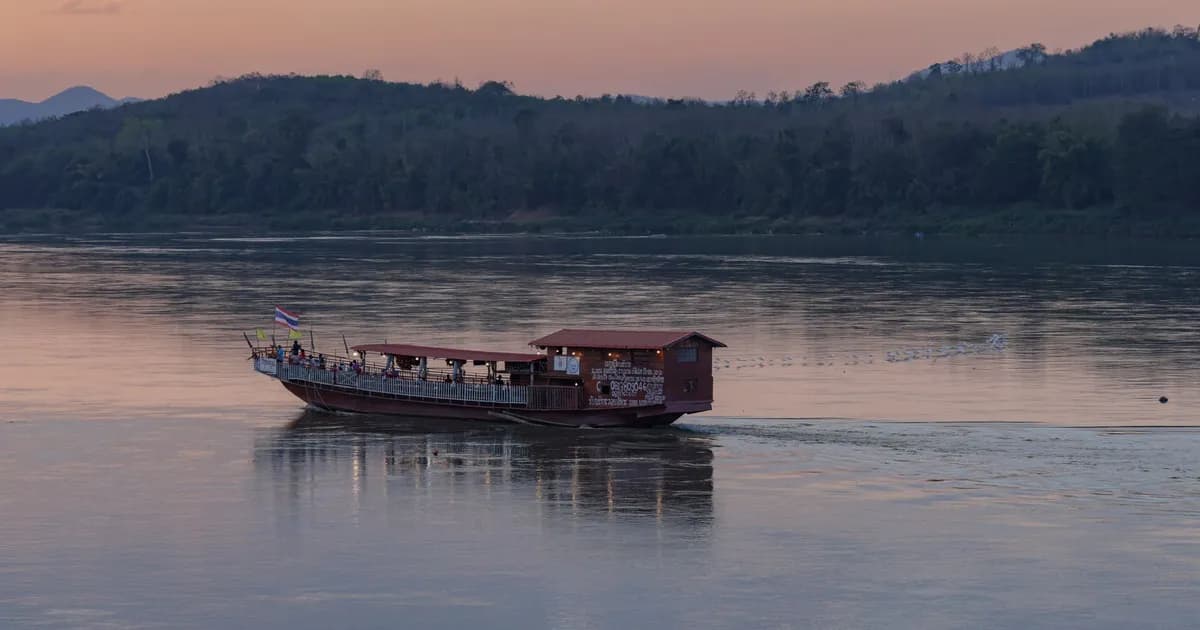
Kratie is famous, in the modest way of small towns, for its sunsets. The Mekong here is wide and slow, and in the dry months it turns to molten gold and pink as the sun drops behind the far bank and Koh Trong. Many visitors time a dolphin boat for the last light, combining the two; others simply find a spot on the promenade or a riverside café.
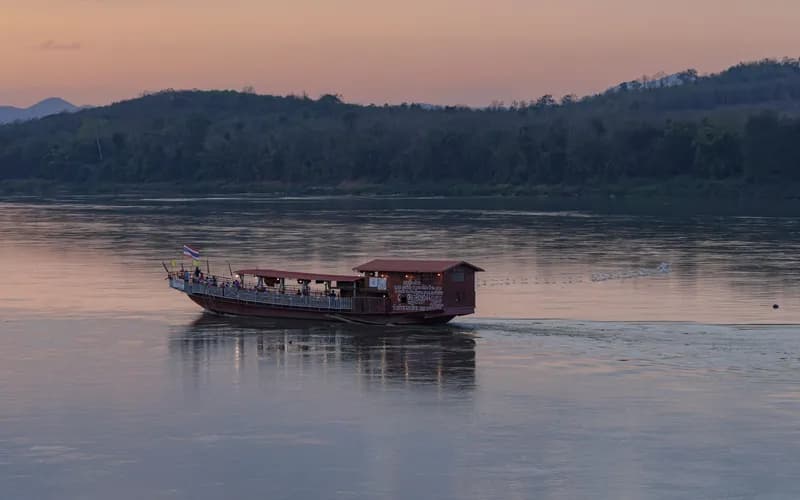
However you watch it, the Kratie sunset is a nightly event the whole town seems to pause for, and a fitting close to an unhurried day.
Beyond Kratie: Sambor and the Northern Mekong
For those with time, the country north of Kratie rewards exploration. The old temple town of Sambor, the rapids and islands upstream toward Stung Treng, and the riverside villages in between see almost no foreign visitors and offer a glimpse of Mekong life as it has long been lived. This stretch of river is increasingly talked about as Cambodia's next slow-travel frontier, and reaching it now, before the roads and crowds arrive in force, is its own quiet reward.
Where to Stay and How Long to Give It
Kratie's accommodation is simple and friendly: guesthouses and small hotels in town, and homestays on Koh Trong. Two nights is the sweet spot — enough for a dolphin trip, a day on the island and an evening or two on the waterfront — though it is easy to let a third night slip by. This is not a place to rush through in an afternoon; the town gives up its charm slowly, to those who stay.
Eating in Kratie
The food in Kratie is honest and local. The riverfront and market serve Khmer staples — fish amok, grilled river fish, noodle soups and fiery salads — alongside the strong iced coffee that fuels the town. Kratie is also famous across Cambodia for a specific street snack: krolan, sticky rice with beans and coconut roasted in bamboo tubes, sold by the roadside. Trying it here, at its source, is a small pleasure worth seeking out.
Getting There and Moving On
Kratie lies on the main road between Phnom Penh and the north-east, roughly a full day's slow travel from the capital by bus or shared taxi. It sits naturally on an overland route linking the capital with Mondulkiri, Stung Treng and the Lao border, and our guide to travelling Cambodia overland by bus, boat and shared taxi covers the practicalities of stitching it into a longer trip. Many slow travellers pair Kratie with another of Cambodia's gentle river towns, such as Battambang and its countryside, for a trip built around rivers rather than ruins.
When to Visit
The dry season from November to April is the most comfortable time, with lower water, easier dolphin viewing and pleasant evenings, though the heat builds toward April. The wet season from May to October brings a fuller, faster river and lush green countryside, but heavier rain and more changeable boat conditions. Whenever you come, aim your dolphin trips for early morning or late afternoon, when the animals are most active and the light is at its best.
The Rhythm of a Kratie Day
There is a particular rhythm to a day in Kratie that rewards surrender. Mornings begin cool and bright, ideal for the dolphin boats at Kampi or a bicycle loop before the heat builds. The middle of the day belongs to shade and stillness: a long lunch over the river, a nap through the hottest hours, the town itself half-asleep behind shuttered fronts. Then, as the light softens in the late afternoon, Kratie exhales: the market stirs, the promenade fills, and the whole town drifts toward the water to watch the sun go down. Settling into this pattern, rather than fighting it with a packed schedule, is how travellers come to understand why Kratie holds people longer than they planned. It is not a place of things to do so much as a place of a way to be, and its pleasures are cumulative, revealing themselves over several unhurried days rather than in a single afternoon. Give it that time, and the river town works a quiet magic that the faster stops on the Mekong rarely manage.
What to Do Next
- Give Kratie at least two nights so you can see the dolphins, explore Koh Trong and enjoy the waterfront without rushing.
- Take a dolphin boat at Kampi in the early morning or late afternoon, choosing a responsible, conservation-minded operator.
- Spend a half-day or a night on Koh Trong island by bicycle, and consider a family homestay.
- Build the town into an overland north-eastern route rather than treating it as a detour.
- Plan the wider trip with our Cambodia plan-your-journey resources before you set your dates.
Frequently Asked Questions
Where can I see the Irrawaddy dolphins near Kratie?
The main viewing area is at Kampi, a few kilometres upstream of Kratie town, where boats take visitors out onto a deep pool of the Mekong. Early morning and late afternoon offer the best chances. Choose an operator who keeps a respectful distance and cuts the engine rather than chasing the animals.
How many Irrawaddy dolphins are left in the Mekong?
Only around ninety to a hundred or so survive in the stretch of river between Kratie and the Lao border, making them critically endangered. Their numbers have suffered from gill-net fishing and habitat loss. Responsible, community-based dolphin tourism is one of the few forces helping to protect them.
How many days should I spend in Kratie?
Two nights is ideal, giving you time for a dolphin trip, a day or overnight on Koh Trong island, and an evening or two on the riverfront. Kratie is a place to slow down rather than tick off, so it rewards an unhurried visit rather than a quick afternoon stop.
What is there to do on Koh Trong island?
Koh Trong is a car-free island in the Mekong opposite Kratie, explored by bicycle or ox-cart along a single track past pomelo orchards and stilt houses. You can visit a small floating village, stay in a family homestay, and simply enjoy the rural calm. It is one of Cambodia's most genuine slow-travel experiences.
How do I get to Kratie from Phnom Penh?
Kratie is roughly a full day's travel by bus or shared taxi from Phnom Penh, on the main road toward the north-east. It sits naturally on an overland route linking the capital with Mondulkiri, Stung Treng and the Lao border, so it is easy to fold into a longer northern loop.
When is the best time to visit Kratie?
The dry season from November to April is most comfortable, with lower water levels that make dolphin viewing easier and pleasant evenings on the river. The wet season brings a fuller river and greener countryside but heavier rain. Whenever you visit, time dolphin trips for early morning or late afternoon.