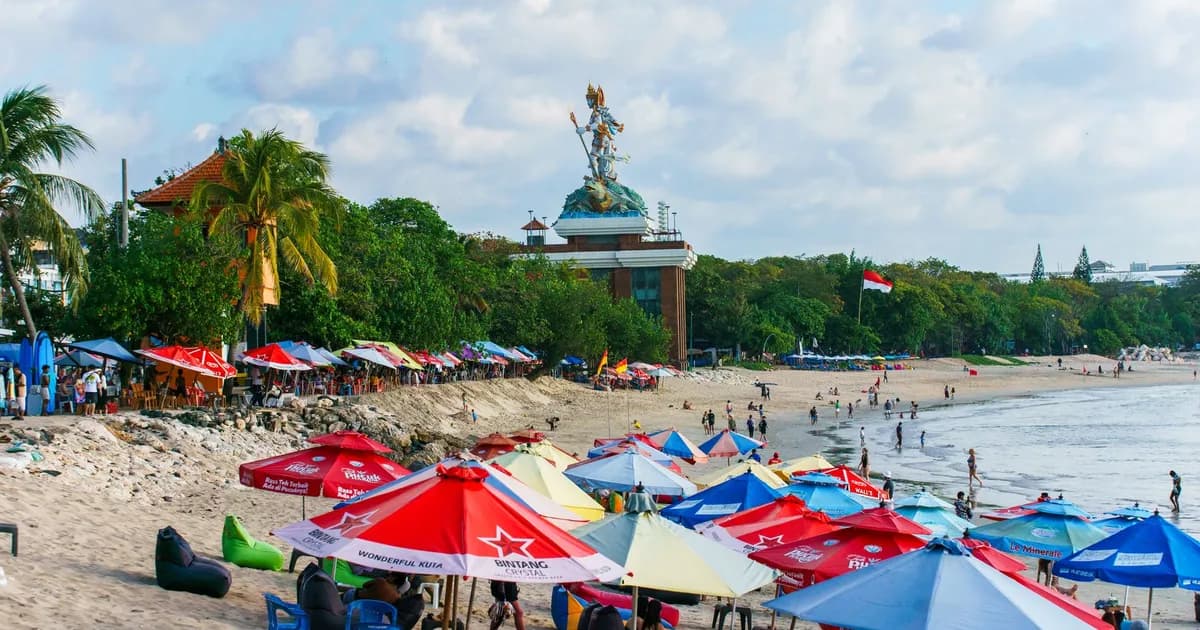


Bali has spent years as a cautionary tale of tourism's excesses: overcrowded, over-built, and increasingly frustrated by a minority of visitors who treat the island as a cheap playground rather than a living Hindu culture. In 2026 the island is pushing back. A formal code of conduct, tougher enforcement, and talk of financial requirements for entry mark a decisive shift away from tourism at any cost and toward a model that prizes quality, respect and the wellbeing of Balinese people over sheer visitor numbers. For the thoughtful traveller, this is a change to understand and, quietly, to celebrate.
The Backlash Behind the Rules
To understand the crackdown, you have to understand the frustration behind it. Bali's tourism has boomed to record levels, and with the crowds came a stream of viral incidents: tourists posing disrespectfully at sacred temples, riding motorbikes recklessly without licences or helmets, flouting local customs, and in some cases behaving with an entitlement that appalled residents.
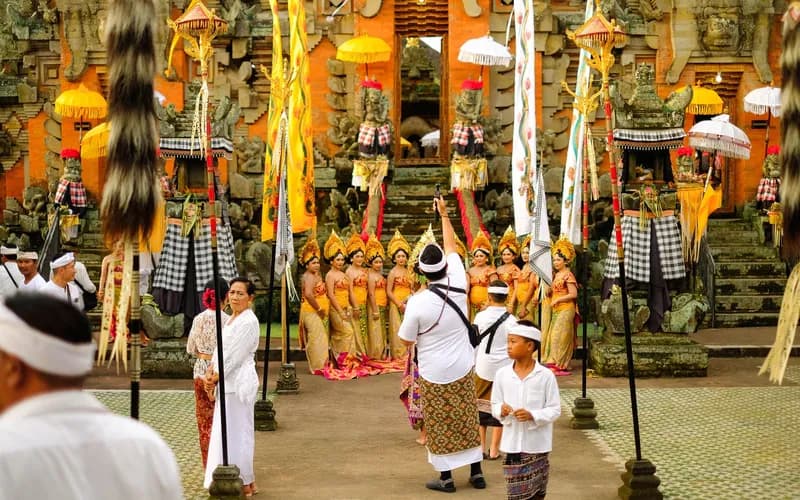
For many Balinese, the sense that their sacred island was being treated as a backdrop for bad behaviour reached a breaking point. The new rules are the island's response: an attempt to reassert that Bali is a home and a holy place first, and a holiday destination second. This is the same reckoning that our analysis of Indonesia's push beyond Bali examines from the angle of dispersal.
One request. Up to five tailored proposals.
Skip contacting agencies one by one — share your trip once and let up to five trusted Indonesia agencies come to you. Free, with no obligation.
Get my free quotesThe Code of Conduct, and What It Bans
At the heart of the shift is a formal code of conduct for tourists, setting out clearly what is and is not acceptable. It asks visitors to dress modestly and behave respectfully at temples and religious sites, to not enter sacred areas unless worshipping, to respect the sanctity of shrines and holy trees, to observe local customs and Nyepi, and to behave decently in public. Much of it is common courtesy, but codifying it sends a message: ignorance is no longer an excuse, and the island is watching. The rules also target practical menaces such as unlicensed motorbike riding and working illegally on tourist visas.
From Warnings to Deportations
What has really changed is enforcement. Where breaches once drew, at most, a warning, the authorities have made clear that serious or repeated violations now carry real consequences, including fines and deportation. High-profile expulsions of misbehaving foreigners have been publicised deliberately, as a signal that the era of consequence-free bad behaviour is over. For the vast majority of respectful visitors this changes nothing, but for those inclined to treat Bali carelessly, the risks are now concrete.
Get matched with up to 5 trusted Indonesia agencies
- Free
- No obligation
- Up to 5 agencies
Proof of Funds and the Levy
The financial dimension is also tightening. Bali already charges a tourist levy on foreign visitors, intended to fund cultural and environmental preservation, and there has been discussion of requiring some visitors to demonstrate sufficient funds for their stay, aimed at discouraging the kind of shoestring, work-as-you-go travel that authorities associate with problems. The details continue to evolve, and our practical guide to entering Indonesia in 2026 covers the levy and arrival requirements as they stand. The direction of travel is clear: Bali wants visitors who contribute and respect, not those who extract and disregard.
Quality Over Quantity: The Bigger Strategy
Underlying all of this is a strategic reorientation. Bali and Indonesia's tourism planners increasingly talk of quality over quantity, of attracting fewer, higher-value, more respectful visitors rather than chasing ever-larger crowds. It is a recognition that unlimited growth has costs — congestion, environmental strain, cultural erosion — that eventually undermine the very appeal that draws people in.
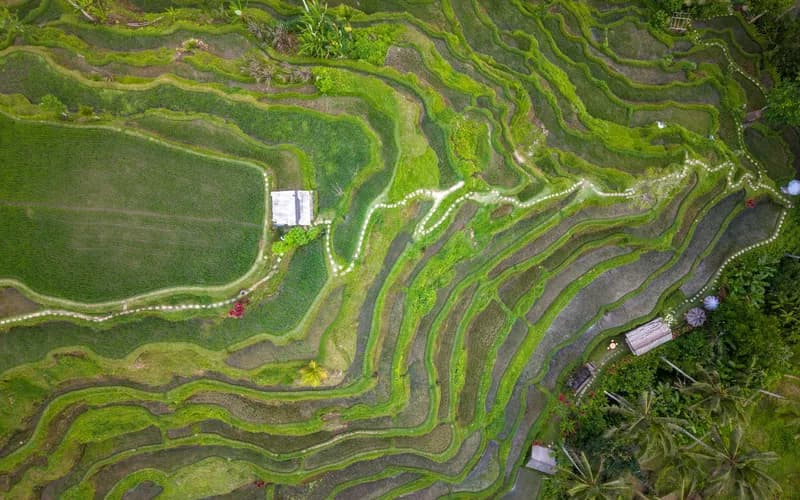
The crackdown on bad behaviour and the push to spread visitors to other parts of Indonesia are two sides of the same coin: an attempt to make tourism sustainable rather than self-destructive. Whether Bali can hold this line against the sheer economic pull of mass tourism remains to be seen, but the intent marks a genuine shift.
Why This Is Good News for Slow Travellers
For anyone who travels thoughtfully, Bali's crackdown is not a threat but a relief. The rules simply codify how a considerate visitor already behaves: respectfully, modestly, and with awareness of the culture they are a guest in. A Bali that deters careless, disrespectful tourism is a better Bali to travel in — calmer, more welcoming to those who make an effort, and more likely to preserve the sacred sites and cultural traditions that make it worth visiting. The slow traveller and the island's interests are aligned here.
How to Be a Welcome Guest in Bali
Meeting the new expectations is easy and, frankly, was always the right thing to do. Dress modestly at temples, covering shoulders and knees and wearing a sarong where required. Never climb on shrines or sacred structures for photographs, and keep out of areas reserved for worship. Ride a motorbike only if licensed and helmeted, or use a driver. Learn a few words of Indonesian or Balinese, support local businesses, and observe local customs, especially around ceremonies. None of this is onerous; it is simply the behaviour of a guest who respects their host.
The Nyepi Test
Nothing tests a visitor's respect like Nyepi, the Balinese Day of Silence, when the entire island shuts down for twenty-four hours: no flights, no traffic, no lights at night, and everyone, including tourists, expected to stay quietly indoors. For 2026 it falls on 19 March. Far from an inconvenience, Nyepi is a profound and beautiful expression of Balinese culture, and observing it respectfully, from within your accommodation, is a privilege rather than a hardship. How a visitor approaches Nyepi says a great deal about whether they have understood the island at all.
What This Means for Your Trip
For the respectful slow traveller, the practical impact of Bali's crackdown is minimal and the spirit of it is welcome. Follow the code of conduct, respect the culture, sort out your visa and funds properly, and you will find the island as warm as ever. The changes are aimed squarely at a minority who spoiled things for everyone, and their departure makes Bali better for those who come to appreciate it rather than exploit it. Travel as a guest, and Bali will treat you as one.
Can Bali Actually Change?
The honest question is whether the crackdown will stick. Bali's economy depends overwhelmingly on tourism, and that dependence creates enormous pressure to keep the numbers flowing whatever the cost. Rules are only as strong as their enforcement, and enforcement can waver when the money is at stake. There is also a risk that heavy-handed measures deter exactly the respectful, higher-spending visitors the island says it wants, while doing little to stop the determined few. Yet the mood has genuinely shifted. Balinese communities, not just officials, are increasingly vocal about protecting their culture, and that grassroots pressure may prove more durable than any regulation. The next few years will show whether Bali can hold a line that runs against its own short-term economic interest.
A Template for the Region
Bali's experiment is being watched closely across Southeast Asia, because the island is far from alone in wrestling with tourism's excesses. From Thailand to Vietnam, destinations are grappling with the same tension between the economic benefits of mass tourism and its costs to culture, environment and quality of life. If Bali can demonstrate that prioritising respect and quality over sheer numbers is both possible and profitable, it could offer a model for others. If it fails, that too will be instructive. Either way, the island that came to symbolise tourism's problems may end up helping to define its solutions, and travellers who visit thoughtfully now are part of that story rather than bystanders to it.
What Respectful Tourism Looks Like in Practice
It is worth spelling out what the shift means in the small, daily choices of a trip. It means staying in locally owned guesthouses and eating in warungs rather than defaulting to international chains; hiring a Balinese guide who can explain the meaning behind a ceremony rather than treating temples as photo backdrops; learning to recognise and step around the daily canang sari offerings on the pavements; and dressing and behaving with the awareness that Bali is, first and last, a sacred island. It means asking before photographing people, keeping noise down near temples, and accepting that some places are simply not open to casual visitors. None of these are burdens; they are the ordinary courtesies of being a good guest, and they happen to align exactly with the kind of travel that yields the richest experiences. The traveller who moves through Bali this way will find that the island's warmth, so often strained by mass tourism, is extended to them in full. Respect, in the end, is repaid.
What to Do Next
- Familiarise yourself with Bali's tourist code of conduct before you go, and treat it as the baseline for respectful travel.
- Dress modestly at temples, stay out of areas reserved for worship, and never climb on sacred structures for photos.
- Sort out your visa properly and be aware of the tourist levy and any funds requirements before arrival.
- If your trip includes Nyepi on 19 March 2026, plan to observe the Day of Silence respectfully from your accommodation.
- Plan a respectful, well-prepared trip with our Indonesia plan-your-journey resources, and consider quieter alternatives like Lake Toba.
Frequently Asked Questions
What is Bali's tourist code of conduct?
It is a formal set of rules setting out how visitors should behave, especially around temples and sacred sites. It asks tourists to dress modestly, respect religious areas and customs, avoid climbing on shrines, observe Nyepi, and behave decently in public, while also targeting problems like unlicensed motorbike riding. Much of it is common courtesy, now formally codified and enforced.
Can you be deported from Bali for bad behaviour?
Yes. Enforcement has tightened significantly, and serious or repeated violations of local laws and the code of conduct can now result in fines and deportation rather than a mere warning. The authorities have publicised high-profile expulsions of misbehaving foreigners deliberately, signalling that disrespectful behaviour now carries real consequences.
Do I need to prove I have enough money to visit Bali?
There has been discussion of requiring some visitors to demonstrate sufficient funds for their stay, as part of the push against low-budget, problematic tourism, though the details continue to evolve. Bali also charges a tourist levy on foreign visitors. Check the current entry requirements before you travel, as these rules are changing.
Why is Bali cracking down on tourism now?
After years of record crowds and a stream of incidents involving disrespectful behaviour at sacred sites and reckless conduct, many Balinese reached a breaking point. The crackdown is an attempt to reassert that Bali is a home and a holy place first, and to shift toward quality, respectful tourism rather than growth at any cost.
Will the crackdown affect respectful travellers?
Barely, and mostly for the better. The rules simply codify how a considerate visitor already behaves. Respectful travellers who follow the code of conduct, dress and act appropriately at sacred sites, and sort out their visa properly will find Bali as welcoming as ever. The measures target a careless minority, not thoughtful guests.
When is Nyepi in 2026 and what does it mean for visitors?
Nyepi, the Balinese Day of Silence, falls on 19 March 2026. For twenty-four hours the entire island shuts down, with no flights, traffic or nighttime lights, and everyone, including tourists, expected to stay quietly indoors. It is a profound cultural observance, and visitors are asked to respect it fully from within their accommodation.