Who Is Travelling to Indonesia in 2026? The Asian Shift Behind Record Arrivals
Indonesia is on course for its busiest year of international tourism since before the pandemic, yet the people filling its airports look different from a few years ago. Malaysians, Australians, Singaporeans and Chinese travellers are driving the growth, while arrivals from Europe, the Middle East and the Americas have wobbled under the weight of a war that closed Gulf airspace and scrambled long-haul routes. For slow travellers, especially those coming from Europe, this shift is more than a statistic. It changes when the crowds come, where they go, and how the government thinks about the kind of visitor it wants.
The Headline Numbers: Growth, but Not Everywhere
Start with the big picture. Indonesia welcomed 15.39 million foreign visitors in 2025, earning around US$18.27 billion in tourism foreign exchange, while Indonesians themselves made roughly 1.2 billion domestic trips. That was already a strong post-pandemic recovery.
2026 has built on it. According to Statistics Indonesia (BPS), the country recorded 3.44 million international arrivals in the first quarter, up 8.62 percent on the same period of 2025 and the highest quarterly figure since 2020. By the end of June the total had reached 7.45 million, up 5.71 percent, and the first seven months brought 8.98 million arrivals, up 5.23 percent and again the highest since 2020. July alone saw 1.52 million international visitors, nearly 10 percent more than June and about 3 percent more than July 2025.
Money has followed, though more slowly. The Deputy Minister of Tourism, Ni Luh Puspa, announced in September that the sector earned US$8.43 billion in foreign exchange in the first half of 2026, a rise of about 3 percent. Average spending per foreign visitor rose to around US$1,313 per trip, up more than 6 percent year on year.
In other words, more people are coming and each is spending slightly more, but the growth in arrivals has been slowing through the year, from more than 8 percent in the first quarter to around 5 percent by July. Behind that gentle deceleration is a dramatic change in who is travelling.
One request. Up to five tailored proposals.
Skip contacting agencies one by one — share your trip once and let up to five trusted Indonesia agencies come to you. Free, with no obligation.
Get my free quotesThe Asian and Australian Engine
Indonesia's growth in 2026 is overwhelmingly regional. In the first quarter, arrivals from Oceania, essentially Australia and New Zealand, rose by more than 19 percent year on year, and arrivals from Southeast Asia by nearly 19 percent. Visitors from the rest of Asia grew by about 8 percent.
By July, Malaysian passport holders made up 15 percent of all international arrivals, Australians 12.34 percent and Chinese visitors 10.28 percent. Malaysia remained the largest single source market, as it was in the first quarter, followed by Australia and Singapore. BPS noted that most international tourists still arrive through Bali's Ngurah Rai airport, and that Australians dominate that gateway. It also counted more than 160,000 arrivals in July alone through land and sea border crossings, a reminder that Indonesia's neighbours, from Malaysia across Borneo to Singapore via the Riau Islands ferries, are part of its tourism story in a way that long-haul markets are not.
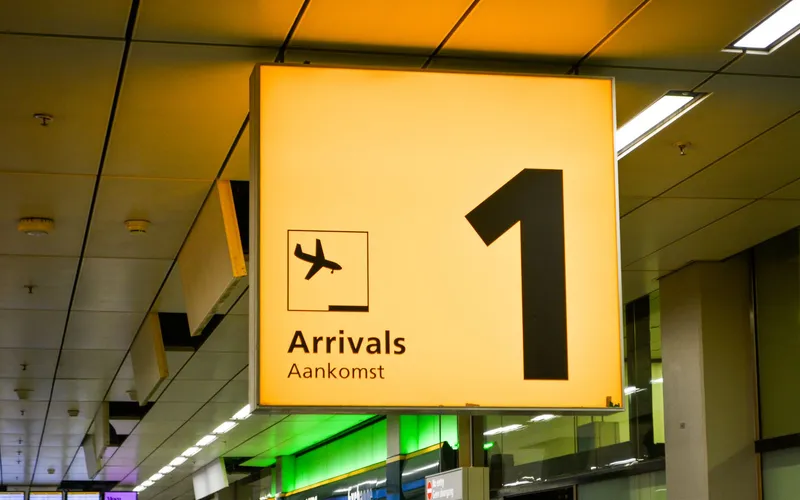
This is not only a matter of geography. Short-haul markets react quickly to flight deals and school holidays, travel more often and for shorter stays, and concentrate heavily on a few well-known places: Bali, Batam and Bintan, Jakarta, Yogyakarta, Labuan Bajo. The ministry itself acknowledges the trade-off. Regional visitors are reliable and growing, but they do not always stay as long or spend as much per trip as long-haul travellers.
Why Long-Haul Travellers Slowed Down
The weak spot in the data is long-haul. In March 2026, arrivals from the Middle East fell 9.51 percent year on year and European arrivals dropped 8.5 percent, while growth from the Americas slowed to barely 1.5 percent, according to Tourism Ministry figures reported by the Jakarta Post.
The cause is clear. The conflict involving Iran disrupted international aviation from early in the year. Several Gulf states temporarily closed their airspace, hundreds of Indonesia-bound flights were cancelled, and the great transit hubs of Dubai, Abu Dhabi and Doha, through which many European travellers reach Bali and Jakarta, were thrown into uncertainty. Instability around the Strait of Hormuz pushed up aviation fuel costs worldwide. The ministry estimated that Indonesia could lose up to 60,000 international arrivals and around Rp 2 trillion in potential foreign exchange as a result.
For European and North American travellers this meant longer routings, higher fares and a new layer of risk in booking. Our analysis of Indonesia's flight reshuffle and the 2026 fare picture looks at how routes have shifted. The short version: connections via Singapore, Kuala Lumpur, Bangkok and East Asian hubs have become more attractive alternatives to the Gulf for many travellers, and flexible tickets are worth their premium this year.
Tourism Minister Widiyanti Putri Wardhana was frank about why the slowdown matters. Visitors from the Middle East, Europe and the United States typically stay longer and spend more than those from other regions, so a small fall in their numbers weighs more heavily on the sector than the headline arrivals suggest.
Get matched with up to 5 trusted Indonesia agencies
- Free
- No obligation
- Up to 5 agencies
Quality Over Quantity: What the Government Wants
In April 2026, speaking in Nusa Dua, Deputy Minister Ni Luh Puspa confirmed that Asia and Oceania had become the primary target markets for international promotion, with campaigns concentrated on countries within short- to medium-haul flight range. The industry has followed with regional travel packages and price bundling.
At the same time, officials keep repeating another message: quality. The minister has spoken of protecting the value of tourist spending and the length of stay, not only the number of visitors. That language echoes the broader policy direction we traced in how Indonesia is rewriting its tourism map beyond Bali: spread visitors more widely, raise standards and avoid repeating Bali's overcrowding elsewhere.
Some of the most concrete measures are regulatory. The Tourism Ministry set a deadline, extended to 31 May 2026, for villas, homestays and other alternative accommodation to obtain an official business permit, with the warning that unlicensed properties risked removal from online booking platforms. Bank Indonesia launched an updated Indonesia Travel Pack, a digital platform that lets visitors plan, pay and connect with small local businesses before they arrive. Neither will change your trip overnight, but both point to a government trying to formalise and capture more value from tourism rather than simply maximise volume.
The Bali Question
Every national tourism figure in Indonesia is, to a large extent, a Bali figure. The island remains the main international gateway and the single biggest destination, and the Australian surge in 2026 lands squarely on it. That concentration is exactly what the government's quality agenda is trying to manage, and it is why Bali's own policies, from the tourist levy to building moratoriums and conduct rules, have tightened.
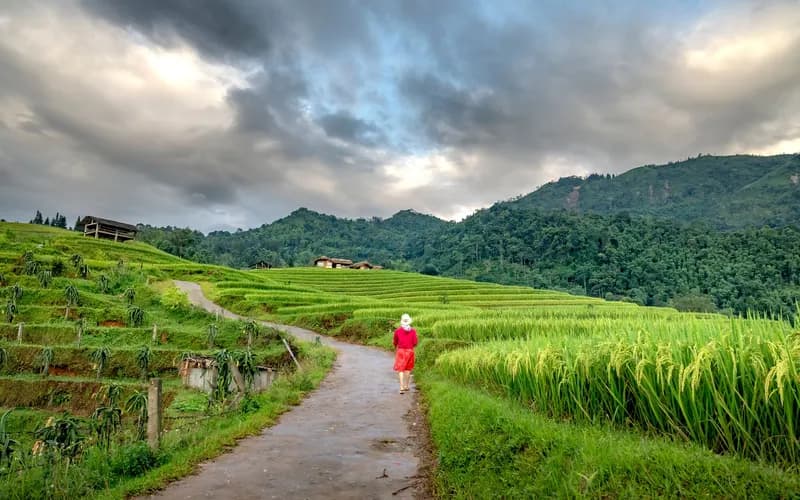
For slow travellers, the practical point is that the Bali you meet in 2026 is shaped by regional rhythms. Australian school holidays, Malaysian and Singaporean long weekends and Chinese holiday periods all send clear pulses of visitors through the island. Outside those windows, and outside the southern strip and central Ubud, Bali can still be quiet and deeply rewarding. Inside them, even the island's secondary areas feel the pressure.
Beyond Bali, the new arrival mix also shows up in places like Labuan Bajo, Lombok and Yogyakarta, which all feature prominently in regional promotion. Labuan Bajo in particular now operates visitor caps and online booking for Komodo National Park, partly to cope with growing regional demand.
New Doors: Visa-Free Expansion and Regional Routes
Indonesia is widening its welcome in a selective way. Under Minister of Immigration and Corrections Regulation No. 10 of 2026, in force since 9 July, six new countries and territories were added to the visa-free visit list: Türkiye, Brazil, Peru, Kazakhstan, Macau and Belarus. The Tourism Ministry had argued for a broader expansion, while immigration officials pushed back over concerns about the quality of visitors, a debate that is likely to continue.
For most European, British, North American and Australian travellers, nothing changed: they still use the visa on arrival or its electronic version. What the expansion does signal is where Indonesia sees growth: new markets in Latin America, Central Asia and the wider Asian region, and new air links to match, such as a planned Muscat to Medan route that officials hope will lift arrivals to North Sumatra.
What This Means for When You Travel
If you are travelling from Europe or North America, the regional tilt offers an opportunity. You can time your trip around other people's holidays.
- Avoid the obvious peaks where you can: Australian school holidays (late June to July, late September to early October, and December to January), Chinese New Year and the October Golden Week, and Indonesia's own Lebaran holiday after Ramadan, when domestic travel explodes.
- Aim for the shoulder months of April to early June and September to early October outside Australian school holidays, when the weather is usually good and regional flows are lighter.
- Remember the religious calendar. Our guide to timing a trip around Ramadan, Nyepi and the religious calendar explains how these dates reshape transport, opening hours and prices.
What This Means for Where You Go
The arrivals data also make a strong case for travelling beyond the obvious. Most short-haul visitors concentrate on a small number of gateways and resort areas. That leaves vast parts of the archipelago, from Sumatra's highlands to Sulawesi, Flores and Maluku, with relatively few international visitors at any time of year.
Our slow traveller's guide to where to go in Indonesia and when maps out regions by season. In 2026, choosing one or two of these regions for a longer stay is not only better for your experience, it also aligns with what the government says it wants: visitors who stay longer, spend in local economies and spread the benefits beyond Bali.
Reading the Data With Caution
A few caveats are worth keeping in mind. Arrival figures count entries, not people, so frequent regional visitors and cross-border day-trippers push totals up. Spending averages hide huge differences between a weekend in Batam and a month in Flores. And the Middle East conflict remains unresolved, so long-haul numbers could recover quickly or weaken further depending on events. Treat the trends as a guide to patterns, not as a forecast of exactly how busy any single place will be on the day you arrive.
What to Do Next
- Check your intended travel dates against Australian, Malaysian, Singaporean and Chinese holiday calendars as well as Indonesian public holidays.
- Compare routings via Singapore, Kuala Lumpur or East Asian hubs alongside Gulf connections, and favour flexible fares.
- Build a buffer day at each end of your trip in case of flight disruption.
- Choose one or two regions for a longer stay rather than a multi-island sprint.
- Book licensed accommodation and check that villas and homestays are properly registered.
- If you want help designing a route away from the busiest flows, talk to one of our partner travel agencies in Indonesia.
Frequently Asked Questions
Is Indonesia busier in 2026 than before the pandemic?
Arrivals in 2026 are the highest since 2020 but, on current trends, still close to or below the pre-pandemic peak in most months. The difference is in the mix: more regional visitors from Malaysia, Australia, Singapore and China, and fewer from Europe and the Middle East than expected.
Why have European arrivals to Indonesia fallen?
Mainly because of disruption to air travel linked to the conflict involving Iran. Gulf airspace closures cancelled hundreds of Indonesia-bound flights and unsettled the Dubai, Abu Dhabi and Doha hubs that many Europeans use, while fuel costs pushed fares up. Europe remains an important market, and the dip may prove temporary.
Which countries send the most tourists to Indonesia?
In 2026 Malaysia is the largest source market, followed by Australia, with Singapore and China also among the leaders. In July, Malaysians accounted for 15 percent of arrivals, Australians around 12 percent and Chinese visitors around 10 percent.
Does the shift towards Asian tourists make Bali more crowded?
It concentrates visitors around regional holiday periods, especially Australian school holidays, which fall heavily on Bali. Outside those windows, and away from the southern resort areas, the island can still be calm. Timing your visit carefully matters more than ever.
Has Indonesia changed its visa rules for 2026?
It added six countries and territories to its visa-free list in July 2026: Türkiye, Brazil, Peru, Kazakhstan, Macau and Belarus. For most Western travellers, the visa on arrival and electronic visa on arrival remain the standard options.
What is the best time for a slow traveller to visit Indonesia in 2026 and 2027?
Shoulder months outside regional school holidays and Lebaran, typically April to early June and parts of September and October, balance good weather with lighter crowds. The exact best window depends on the region, since seasons vary across the archipelago.
Keep reading
More from the ground · Indonesia