The Kunming–Vientiane Through-Train in 2026: Crossing Between Laos and China by Rail
One of the most striking travel developments in the region is the direct international train that now links Vientiane with Kunming in China. Running on the Laos–China high-speed line, it turns a journey that once meant flights or long overland slogs into a single, scenic day on the rails, gliding from the Lao capital up through the karst country of the north and across the border into Yunnan. For the slow, overland-minded traveller, it is a genuinely exciting option: a way to enter or leave Laos by train rather than by plane. But it comes with strict rules, a demanding border process and tickets that vanish fast, so it repays careful planning. This is how the through-train actually works in 2026.
Before the detail, a note of caution. International rail rules, schedules and visa requirements can change, and cross-border services in particular are sensitive to policy. Everything here reflects the situation in 2026, but you must confirm the current requirements, especially the visa position, through official sources before you rely on this journey. Treat it as a clear guide, not a substitute for the latest official information.
What the through-train is
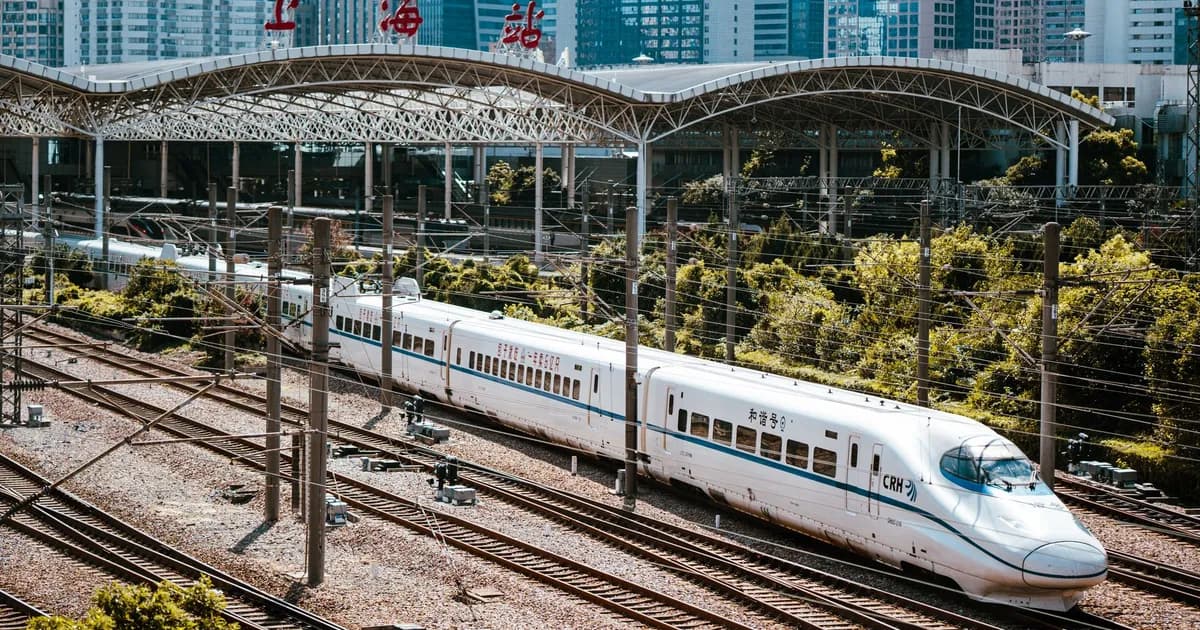
The Kunming–Vientiane through-train, sometimes called the Sino-Laos international passenger service, is a direct high-speed train connecting the Chinese city of Kunming with the Lao capital, Vientiane. It began operating in April 2023 and has since expanded, and it runs the full length of the Laos–China Railway and its Chinese continuation, a distance of just over a thousand kilometres, at speeds up to around 160 kilometres per hour. The whole journey takes roughly nine and a half to ten hours, including the time spent on border formalities.
The route is a highlight in itself, calling at the major stops along the way, including Luang Prabang, Vang Vieng and Vientiane on the Lao side, and Xishuangbanna, Pu'er and Yuxi in China, before reaching Kunming. For anyone assembling an overland journey through the region, it is a spectacular and comfortable link that stitches Laos directly into China's vast rail network.
One request. Up to five tailored proposals.
Skip contacting agencies one by one — share your trip once and let up to five trusted Laos agencies come to you. Free, with no obligation.
Get my free quotesThe all-important visa question
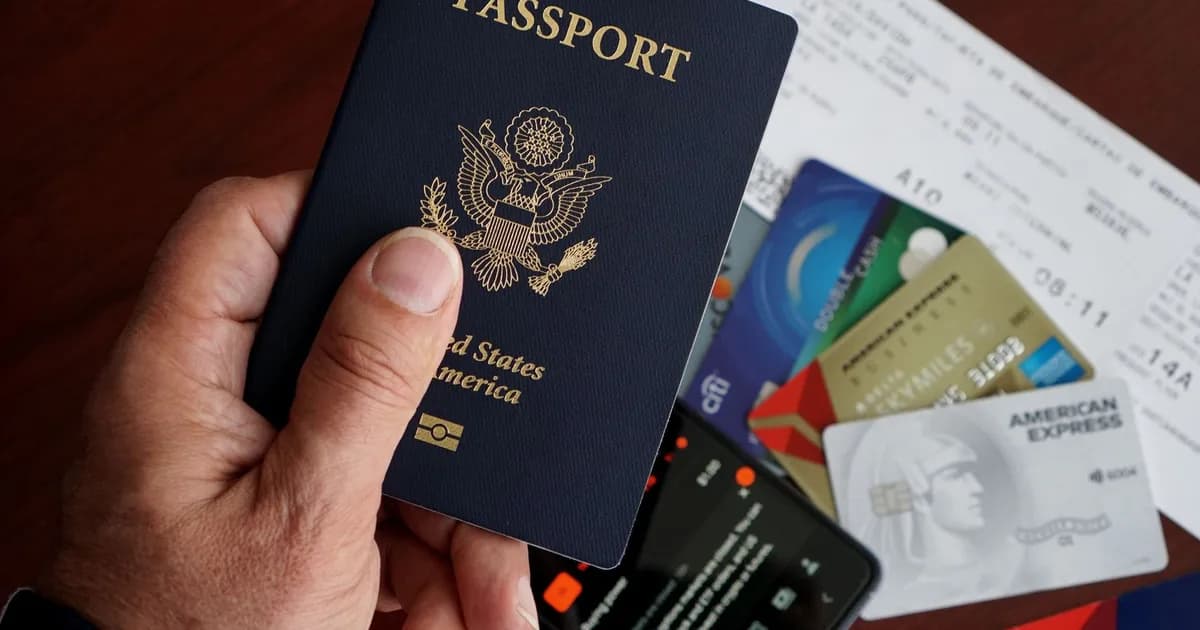
The single most important thing to understand about this train is the visa situation, because it catches people out. To make the crossing you must already hold the correct visas for both countries before you travel; in particular, you generally need a valid Chinese visa stamped in your passport in advance, as there is no reliable visa-on-arrival facility at the railway border checkpoint. Turning up at the station without the right Chinese visa means you will not be allowed to make the crossing.
This is quite different from arriving in Laos, where entry options are more flexible, and it is the most common reason travellers are turned away. Sort your Chinese visa well in advance through the proper channels, and confirm the current requirements before you book, as visa policy can change. For the Lao side of the equation, our guide to the Laos e-visa and visa-on-arrival system covers what you need to enter Laos itself.
How the border crossing works
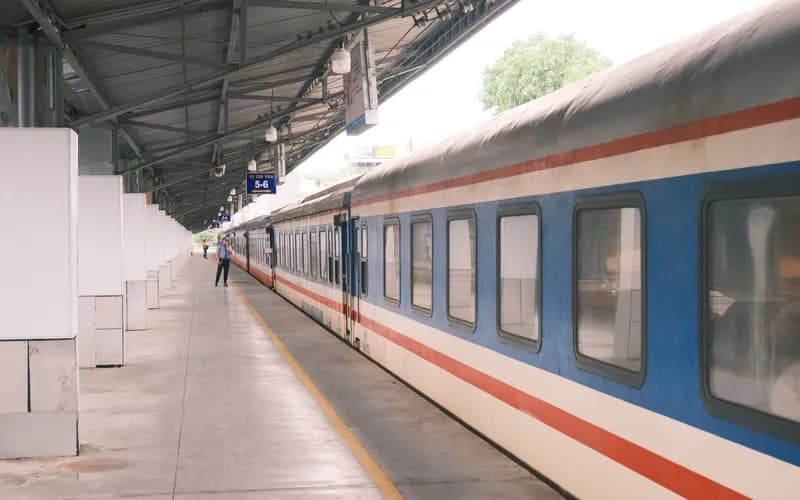
The border crossing is a structured, hands-on process rather than a passive one, and it is worth knowing what to expect. You cannot simply sit on the train while officials check documents. Instead, the train halts on the Lao side at Boten for Laos exit formalities, where you disembark with your luggage to be processed, then re-board to cross the actual border line, and disembark again at Mohan on the Chinese side for Chinese entry procedures, before continuing your journey.
The whole crossing takes roughly two hours and adds significantly to the total travel time, which is already built into the schedule. Keep your passport, visas and ticket easily accessible, be patient with the queues and the checks, and follow the crowd and the staff instructions carefully. It is entirely manageable once you know the drill, but it is not the sit-back-and-relax experience some travellers expect from a train.
Get matched with up to 5 trusted Laos agencies
- Free
- No obligation
- Up to 5 agencies
Booking, and why timing is everything
Tickets for the cross-border service are notoriously hard to get, and this is the practical crux of the whole journey. Demand is high, the number of international seats is limited, and the booking window is short, so cross-border tickets sell out very quickly once they are released. This is quite different from booking a domestic leg within Laos, and it requires a deliberate strategy rather than a last-minute attempt.
In practice, tickets can be bought from the international ticket windows at major railway stations in China, or through the designated booking channels and apps for the specific trains, with different services handled by different platforms. Because the process is fiddly and the seats scarce, many travellers plan this leg well in advance, and some use a reputable agent to secure the booking. Whatever route you take, do not assume you can simply turn up and buy a cross-border ticket on the day. Our guide on how to ride the Laos-China railway covers the mechanics of the line in more detail.

Who the train is for
It is worth being clear about who this journey suits. It is ideal for travellers building a genuine overland itinerary between Southeast Asia and China, who value the romance and low-carbon appeal of crossing a border by rail rather than flying, and who are willing to handle the visa and booking demands that come with it. For that traveller, it is one of the most rewarding rail journeys in Asia.
It is less suited to those who simply want the quickest way between two cities, or who are not prepared to organise a Chinese visa in advance. If you are travelling only within Laos, the domestic services on the same line are far simpler to use and require none of this cross-border complexity, a transformation we explore in our piece on how the railway is reshaping travel in Laos. Match the train to your actual plans, and it becomes a highlight rather than a headache.
Fitting it into a slow journey
For the slow traveller, the through-train is a wonderful way to make the very act of crossing a border part of the trip. Rather than a forgettable flight, you get a full day of changing landscape, from the Lao karsts to the tea hills of Yunnan, arriving with a real sense of the distance travelled. Building a day of rest either side, and treating the journey as an experience in itself rather than mere transit, is very much in the spirit of travelling deliberately and overland.
If a China leg is not part of your plans, the same railway still transforms travel within Laos, and you can enjoy its comfort and scenery on the domestic services without any of the border complexity. Either way, planning ahead is the key, and our plan your journey page can help you weave the railway into a coherent, unhurried route.
What the ride itself is like
Beyond the logistics, the journey is a genuine pleasure, and it is worth savouring rather than enduring. The trains are modern, clean and comfortable, with airline-style seating and large windows, and the ride is smooth and quiet at high speed. From Vientiane the line climbs north through the heart of Laos, and the stretch through the karst country around Vang Vieng and on towards Luang Prabang is spectacular, a procession of limestone peaks, river valleys and tunnels that makes the domestic section alone worth the fare.
Crossing into China, the landscape shifts again, into the tea-growing hills and subtropical forest of southern Yunnan, before the line runs on towards Kunming. It is the kind of journey where the view from the window is part of the experience, and having a full day to watch a whole region unfold is a rare luxury in an age of quick flights. Bring snacks and water, though a trolley and dining options are usually available, keep your camera to hand, and settle in.
For all the border complexity, then, the through-train delivers something increasingly precious: the sense of a journey earned and observed rather than merely completed. That is the essence of slow, overland travel, and it is why, for the right traveller, this particular train is worth every bit of the planning it demands.
What to Do Next
- Decide early whether you want to cross into China by train, as it requires advance planning that a domestic trip does not.
- Obtain a valid Chinese visa in advance, as there is no reliable visa-on-arrival at the railway border.
- Confirm the current visa and entry requirements for both countries through official sources before booking.
- Book cross-border tickets as early as possible, as they sell out fast, using the correct official channels or a reputable agent.
- Prepare for a hands-on, roughly two-hour border process at Boten and Mohan, keeping your documents accessible.
- If you are travelling only within Laos, use the simpler domestic services, and plan the wider trip with our plan your journey page.
Frequently Asked Questions
Is there a direct train between Laos and China?
Yes. A direct international high-speed train links Vientiane with Kunming, running on the Laos–China Railway. The full journey takes roughly nine and a half to ten hours, including border formalities, and calls at major stops such as Luang Prabang and Vang Vieng.
Do I need a visa to take the Laos–China train?
Yes. You must hold the correct visas for both countries before travelling. In particular, you generally need a valid Chinese visa in advance, as there is no reliable visa-on-arrival at the railway border. Always confirm current requirements before booking.
How does the border crossing work?
It is a hands-on process. The train stops at Boten for Laos exit formalities, where you disembark with your luggage, then re-boards to cross the border, and stops again at Mohan for Chinese entry procedures. The whole crossing takes about two hours.
Why are cross-border tickets so hard to get?
Demand is high, international seats are limited, and the booking window is short, so tickets sell out very quickly. This is quite unlike booking a domestic Lao leg, so plan well ahead and use the correct official channels or a reputable agent.
How long does the Vientiane to Kunming journey take?
Roughly nine and a half to ten hours in total, including the time spent on border formalities at Boten and Mohan. The scheduled duration already builds in the crossing, so allow a full day for the trip.
Is the train worth it compared with flying?
For travellers who value overland, low-carbon travel and want the experience of crossing the border by rail, it is a highlight. If you simply want the fastest link, or cannot arrange a Chinese visa in advance, flying may suit you better.
Keep reading
More from the ground · Laos