
For most of its modern history, travelling through Laos meant slow buses grinding over mountain roads, all-day journeys measured in switchbacks and sore backs. Then, at the end of 2021, a fast Chinese-built railway opened down the spine of the country, and the geography of Laos travel changed almost overnight. In 2026 the effects are unmistakable, and they are reshaping not just how travellers move but where they go, which towns thrive, and how the whole country fits into the region. Understanding this shift is essential to understanding modern Laos.
From Backwater to Fast Track
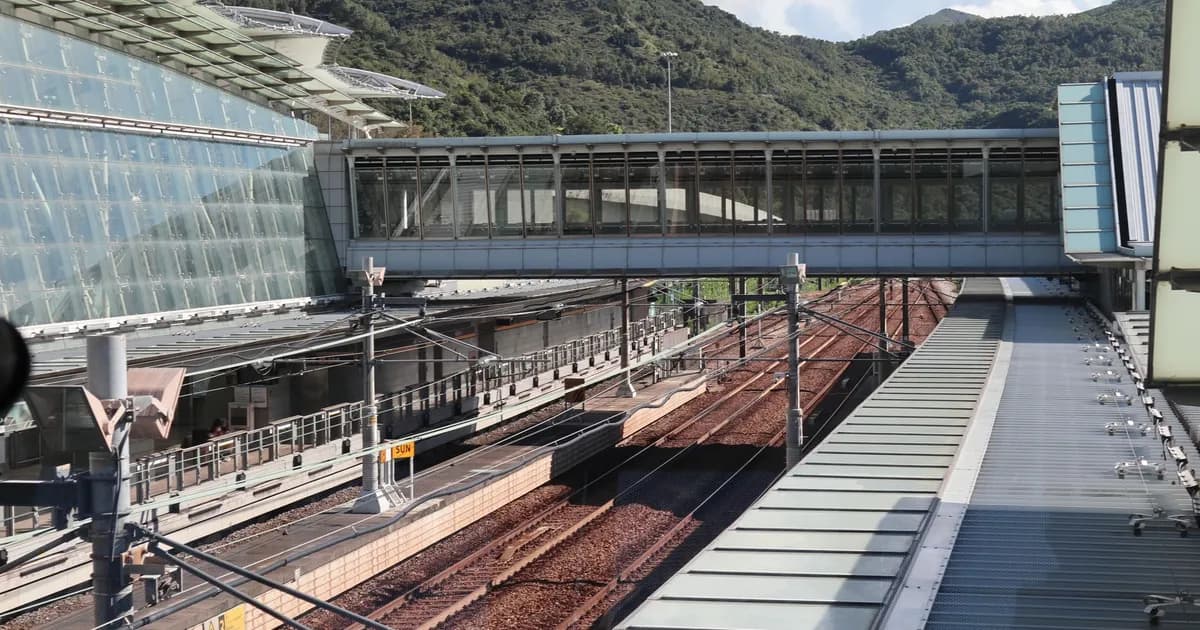
The Laos-China Railway runs from the Chinese border at Boten, through Luang Namtha, Luang Prabang and Vang Vieng, to the capital Vientiane, and connects onward into China's high-speed network. For a landlocked country long defined by its poor connections, it is transformational. The line has already carried tens of millions of passenger trips, and it has turned a nation that was hard to cross into one you can traverse end to end in a matter of hours.

The symbolism is as striking as the practicality: Laos, once bypassed by the region's development, is now physically wired into the largest economy in Asia. Whether that proves a blessing or a burden is the central question hanging over the country's future, and tourism sits right at the heart of it.
One request. Up to five tailored proposals.
Skip contacting agencies one by one — share your trip once and let up to five trusted Laos agencies come to you. Free, with no obligation.
Get my free quotesWhat the Railway Actually Did to Distance
The most immediate change is the collapse of travel time. Journeys that once ate an entire day now take a couple of hours. Luang Prabang to Vientiane, a grinding road slog, is a short, comfortable train ride. The cross-border service linking the Chinese city of Kunming to Vientiane has cut a trip that took several days by road to under ten hours. For travellers, this rewrites what is possible in a short visit: a week that once bought you one or two regions can now stretch across the length of the country. Our practical guide to riding the Laos-China Railway covers the tickets, stations and quirks of using it well.
The Towns the Line Made
Fast transport does not spread its benefits evenly; it concentrates them along the tracks. The stops on the line have seen the biggest changes. Luang Prabang, already a magnet, has absorbed a surge of new arrivals that is testing its UNESCO-listed calm, a tension our analysis of Luang Prabang's tourism surge examines closely. Vang Vieng, once infamous for its party scene, has reinvented itself as an accessible outdoor destination partly on the back of easy rail access, as our piece on Vang Vieng's second act describes. The stations, some built well outside the towns they serve, are spawning new development of their own. The railway is not just moving people faster; it is redrawing the map of where growth happens.
Get matched with up to 5 trusted Laos agencies
- Free
- No obligation
- Up to 5 agencies
The Risk of a Ribbon of Tourism
There is a flip side to this concentration. As travellers pour along the fast corridor between the border and the capital, the places off the line risk being left further behind. Why endure a long bus to a remote province when the train whisks you effortlessly between the highlights? The danger is a country where tourism becomes a narrow ribbon along the tracks, with a handful of stops overwhelmed and everywhere else overlooked. For the country's tourism to be healthy and fair, the benefits need to reach beyond the stations, and that will not happen automatically.
What It Means for the Slow Traveller
Here the slow traveller has an opportunity, even a responsibility. The railway is a superb tool for covering the dull, long distances quickly, freeing time and energy for the places that deserve lingering. But used thoughtlessly, it encourages a hop-between-highlights style that is the opposite of slow travel.
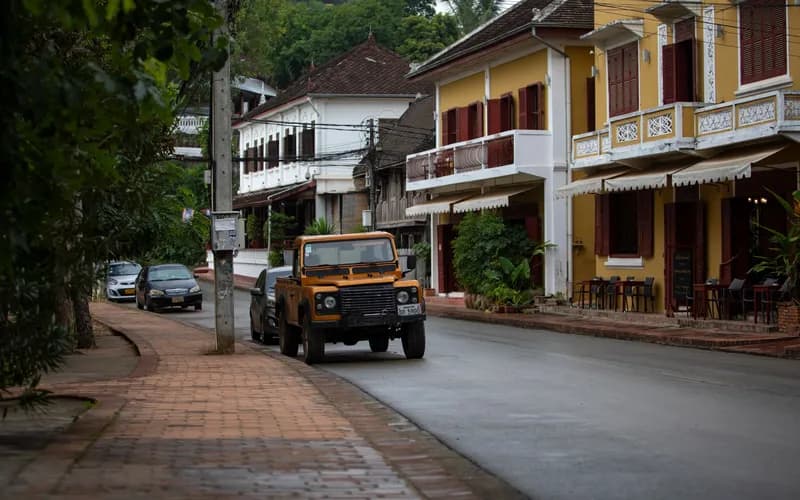
The wiser approach is to use the train as a spine and then step off it: take the fast line to a region, then travel slowly within it, out to the villages, valleys and river towns the railway does not reach. In doing so you both enjoy the best of Laos and help spread the rewards of tourism beyond the crowded stops.
The China Question
It is impossible to discuss the railway without the geopolitics. The line was built with Chinese finance and expertise, and it has drawn Laos more tightly into China's economic orbit, bringing investment, debt and influence in roughly equal measure. For the traveller this is mostly a backdrop, but it is a visible one: Chinese signage, businesses and tour groups are increasingly part of the landscape along the line. Whether the railway ultimately serves Laos or chiefly serves its powerful neighbour is a debate that will run for years, and it is worth travelling with your eyes open to it rather than treating the country as a scenic blank.
Riding the Line the Slow Way
None of this is an argument against the railway; it is one of the most comfortable and scenic train journeys in Southeast Asia, gliding through tunnels and over valleys that the old road could only crawl around. The point is to use it as a means, not an itinerary. Book ahead, as popular services sell out; take a daytime train for the mountain scenery; and treat each station as a doorway to a region to explore slowly rather than a box to tick. The train is at its best when it delivers you to somewhere you then refuse to rush.
A Country at a Turning Point
The railway has arrived at a moment when Laos is deciding what kind of destination it wants to be. The choices made now, about how to spread tourism, protect places like Luang Prabang, and balance Chinese influence with national interest, will shape the country for a generation. Travellers are not bystanders in this; where you go and how you spend nudges the outcome. Coming to Laos now, and travelling it thoughtfully, means witnessing a country in genuine transition and having a small hand in which direction it takes.
The Freight Story Behind the Passengers
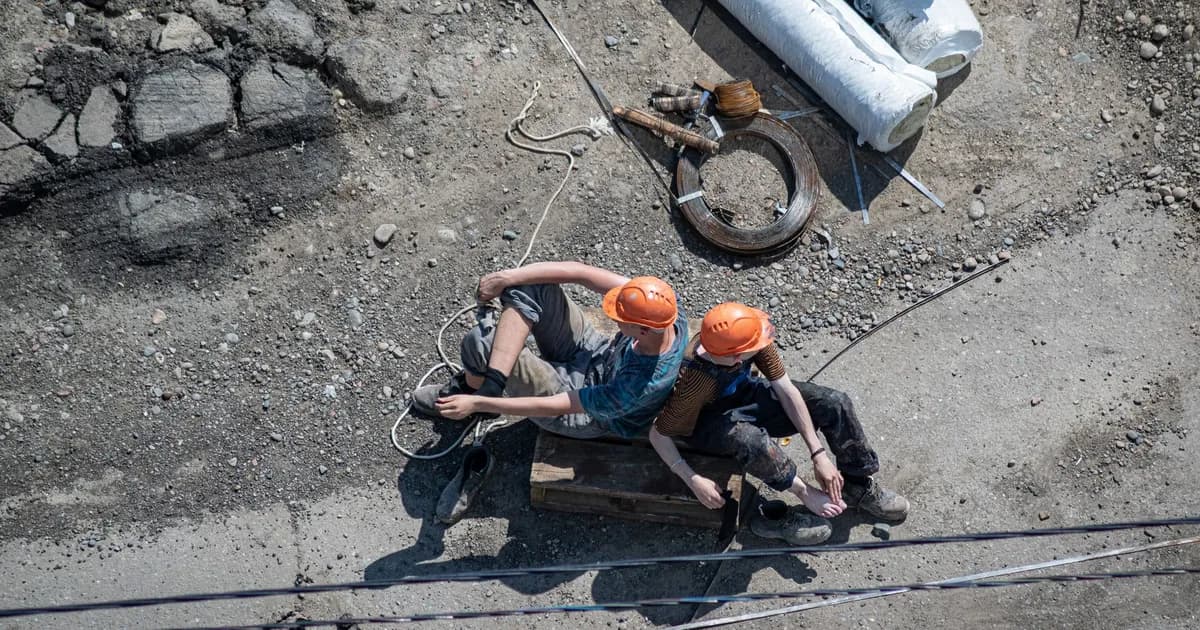
Though travellers notice the passenger trains, the railway's deeper purpose is freight. The line is designed to move Lao exports and Chinese goods across the region far more cheaply than road ever could, turning landlocked Laos into a potential transit hub between China and the sea. This economic logic matters to travellers because it means the railway is here to stay and to grow: more services, more stations, more development along the corridor. The tourism boom riding on top of it is, in a sense, a side effect of a much larger bet on Laos as a link in regional trade. Understanding that helps explain why the stations feel more like the seeds of new towns than mere platforms.
Winners, Losers and the Bus Networks
The railway's rise has reshaped the humbler transport that travellers long relied on. Bus operators along the parallel routes have lost business and, in places, cut services, which can make reaching off-line destinations harder than it was, not easier. The slow boats and old roads that were once the only way to travel are becoming choices rather than necessities, and some are quietly fading. For the slow traveller this is a bittersweet development: the romantic, sluggish journeys that defined Laos travel are being displaced by efficiency, and preserving the option to travel slowly may increasingly take deliberate effort rather than being the default.
How to Read the Next Few Years
The railway's story is far from finished. Feeder roads, new expressways and further rail links are planned or under construction, and each will shift the map again. For anyone planning a trip, the practical lesson is to check the current state of transport when you go rather than relying on older accounts, and to weigh the trade-off the railway offers: unprecedented ease of movement against the risk of a more homogenised, corridor-focused experience. The travellers who get the most from Laos in this new era will be those who use the speed where it helps and deliberately reclaim slowness where it matters.
What to Do Next
- Use the railway as a spine to cover long distances quickly, then travel slowly within each region you reach.
- Book train tickets in advance, as popular services sell out, and choose daytime trains for the scenery.
- Step off the line deliberately, visiting villages and valleys the railway does not reach, to spread tourism's benefits.
- Travel with awareness of the line's role in China-Laos relations rather than treating the country as mere scenery.
- Plan a route that balances the fast line with slow regions using our Laos plan-your-journey resources.
Frequently Asked Questions
What is the Laos-China Railway?
It is a fast, Chinese-built railway that opened at the end of 2021, running from the Chinese border at Boten through Luang Namtha, Luang Prabang and Vang Vieng to Vientiane, and connecting onward into China's rail network. It has transformed travel in a country long defined by slow roads, carrying tens of millions of passenger trips.
How has the railway changed travel times in Laos?
Dramatically. Journeys that once took a full day by road, such as Luang Prabang to Vientiane, are now short train rides. The cross-border service between Kunming in China and Vientiane has cut a trip that took several days by road to under ten hours, reshaping what is possible on a short visit to Laos.
Which towns have been most affected by the railway?
The stops along the line have changed most. Luang Prabang has absorbed a surge of visitors that tests its UNESCO calm, and Vang Vieng has reinvented itself partly on the back of easy rail access. New development is also springing up around stations, some built outside the towns they serve, redrawing where growth happens in Laos.
Is the railway good or bad for Laos tourism?
Both, depending on how it is used. It makes the country vastly easier to travel and spreads visitors along the corridor, but it also risks concentrating tourism in a narrow ribbon while leaving off-line areas behind. It has also deepened Chinese economic influence. The healthiest outcome depends on spreading benefits beyond the stations.
How should slow travellers use the Laos-China Railway?
Use it as a spine, not an itinerary. Take the fast train to cover long, dull distances, then travel slowly within each region, out to the villages and valleys the line does not reach. This lets you enjoy the best of Laos while helping spread tourism's rewards beyond the crowded stops on the line.
Do I need to book Laos-China Railway tickets in advance?
Yes, especially for popular services and around holidays, as trains frequently sell out. Book ahead where you can, choose a daytime train if you want the mountain scenery, and confirm which station your service uses, as some are located well outside the towns they are named for.