
A drone is one of the few pieces of travel gear that can turn a pleasant afternoon into a conversation with the authorities. In the Philippines the rules are not unusually strict by regional standards, and unlike several of its neighbours the country allows foreign visitors to register aircraft in their own name. What catches people out is the assumption that a holiday flight is unregulated, that a tourist is automatically a recreational pilot, and that national rules are the only ones that apply. None of those is true. Here is where the framework stands in 2026, what it costs, and how to arrive with the paperwork already done.
The regulator and the basic framework
Civil drone operations are governed by the Civil Aviation Authority of the Philippines, CAAP, under its rules for remotely piloted aircraft systems. The framework distinguishes between aircraft by weight and between operations by purpose, and it layers national aviation rules on top of local government and protected-area rules that operate independently.
The core national obligations are straightforward. Aircraft above a weight threshold must be registered. Certain kinds of flying require a pilot certificate. Airspace restrictions apply near airports, over crowds and above a set altitude. Everything else, including many of the most photogenic places in the archipelago, is then subject to whatever the municipality, the barangay or the protected-area management board has decided.
One request. Up to five tailored proposals.
Skip contacting agencies one by one — share your trip once and let up to five trusted Philippines agencies come to you. Free, with no obligation.
Get my free quotesWho has to register, and what it costs
At a glance
- Registration
- Required for drones over 250 g; residents and foreign visitors alike
- Who can register
- Tourists, in their own name, with a valid passport
- Recreational fee
- Around 1,000 pesos, several working days to process
- Pilot certificate
- Required for commercial flying and aircraft 7 kg or heavier
- No-fly zones
- Airports (~10 km), above 400 ft, over crowds, military and government sites
- Penalty
- Order to land, drone confiscation, administrative fines
Drones weighing more than 250 grams must be registered with CAAP, and the requirement applies to residents and foreign visitors equally. That threshold matters because it puts the smallest consumer models, the sub-250-gram travel drones, outside the registration requirement, while almost everything with a larger sensor falls inside it.
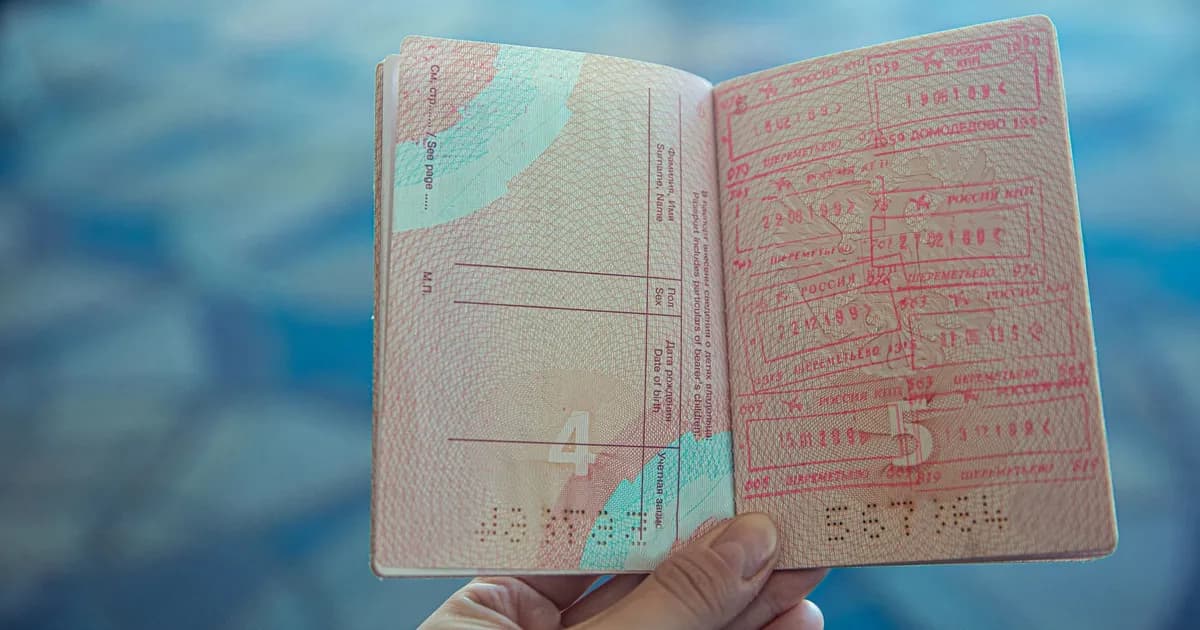
Registration is handled through CAAP's online portal. Recreational registration has been priced at around 1,000 pesos, processing typically takes several working days rather than minutes, and the output is a certificate of registration that you are expected to carry, digitally or on paper, whenever you fly. Foreign nationals can register using a valid passport, which makes the Philippine system more accessible to visitors than several others in Southeast Asia.
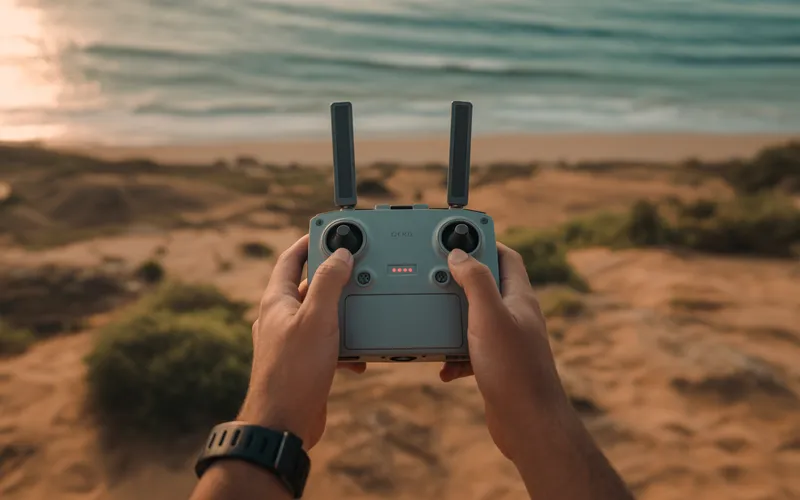
Two pieces of advice follow. Start the process well before you travel, because a certificate that arrives after you land is no help on the beach where you wanted to fly. And label the aircraft with its registration details, since the first thing an official will ask for is proof that the machine in your hands is the one on the paperwork.
Recreational or commercial: the line that catches travellers
This is the distinction most visitors get wrong. Flying for your own photographs is recreational. Flying to produce content that is monetised, whether through sponsorship, stock sales, advertising revenue or client work, is commercial in the eyes of the regulator, regardless of how small your aircraft is or how casual the trip feels.
Commercial operations, along with aircraft at or above seven kilograms, require a remote pilot certificate rather than simple registration. Very few visiting travellers hold one. The practical consequence is that a travel creator who films a sunset over Coron and later runs advertising against the footage is in a different regulatory category from a holidaymaker with the same drone. If your trip has any commercial dimension, take advice before you fly rather than after, or work through a Philippine operator who already holds the certificate. Our directory of vetted Philippine agencies is a reasonable place to find one.
Get matched with up to 5 trusted Philippines agencies
- Free
- No obligation
- Up to 5 agencies
Where you may not fly
The national airspace restrictions are familiar to anyone who has flown elsewhere:
- Not within roughly ten kilometres of an airport or aerodrome without coordination.
- Not above about 400 feet, or 120 metres, above ground level.
- Daylight only, and always within visual line of sight.
- Not over crowds, gatherings or congested built-up areas.
- Not near military installations, government buildings or active emergency scenes.
Flights at night, beyond line of sight, or over populated areas require a special permit from CAAP and are not something to attempt to arrange from a beach bar the evening before. Weather adds its own limits: the sea breeze on exposed coasts is stronger than it looks, and salt spray is unforgiving.
Local permits are the part people forget
Watch out
A CAAP registration lets you operate an aircraft, not fly in a given place. Flying without the required local or protected-area clearance risks being ordered to land, confiscation of the drone and administrative fines, and some tourist spots, heritage sites and private resorts ban drones outright.
A CAAP registration is permission to operate an aircraft. It is not permission to fly in a specific place. Local government units, protected-area boards and private landowners all impose their own conditions, and in the most photographed parts of the country they are enforced.
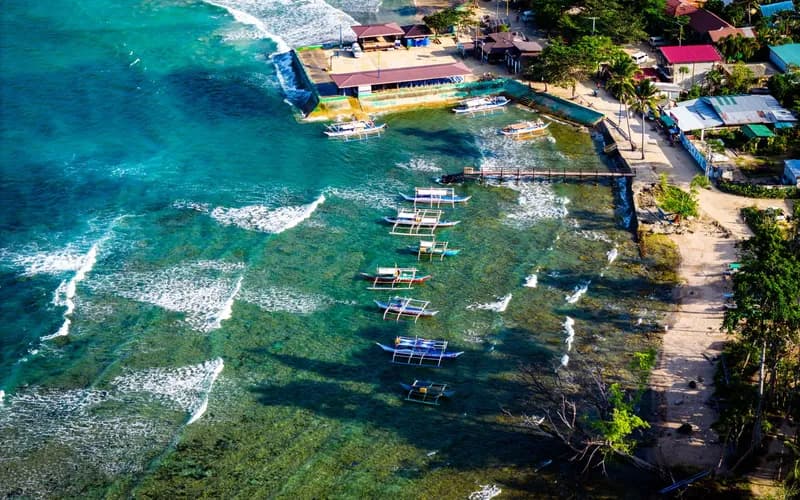
Boracay is the clearest example: the island requires its own clearance through the local authorities and inter-agency body, with applications made in advance rather than on the day, and designated areas rather than a free run of White Beach. Protected areas managed under the national parks system, which covers a great many of the lagoons, lakes and marine sanctuaries travellers want to film, may require clearance from the protected-area management board, and some prohibit drones outright for wildlife reasons. Heritage sites, churches, festivals and private resorts frequently have blanket bans.
The practical approach is the same one that works for mountain access, where permits, guides and quotas are also decided locally rather than nationally, as we describe in our guide to hiking permits and quotas. Ask at the municipal tourism office. Ask your accommodation. Ask the barangay captain if you are in a village. These conversations take ten minutes and they resolve almost every ambiguity.
What is changing in 2026
The direction of travel is towards more traceability. CAAP has been moving to introduce electronic identification and flight logging obligations for registered aircraft, comparable to the remote identification systems adopted in the United States and Europe. Reports through 2026 describe GPS logging and electronic tagging requirements being phased in for registered drones, which would create a digital record of flights rather than relying on paper certificates alone.
Treat this as a live area rather than a settled one. Manufacturers' firmware already supports remote identification on most recent models, so for a visiting traveller the likely practical effect is a firmware setting and a slightly longer registration form, not a new obstacle. Check the CAAP website for the current position close to your travel dates, because guidance in this area has been updated repeatedly. The same applies to your entry paperwork, which is a separate process covered in our update on eTravel entry requirements.
Bringing the drone into the country
Customs treatment of personal drones for visitor use is generally unremarkable, but batteries are not. Lithium batteries must travel in your cabin baggage, never in the hold, with terminals taped or each battery in its own pouch, and most airlines cap the number and watt-hour rating you may carry. Declare the aircraft if asked, carry your registration certificate and purchase receipt, and be prepared to explain that it is personal equipment rather than goods for sale.
If you are arriving with a significant amount of camera gear, the same logic applies: keep it in the cabin, keep the documentation together, and do not improvise at the counter.
Flying well in a place where people live
Beyond the legal framework there is a question of manners, and it is the one that matters most for the way we travel. A drone is loud, visible and intrusive. In a small fishing village, a rice terrace community or a marine sanctuary, it changes the atmosphere for everyone in earshot, and it frightens wildlife, particularly nesting seabirds and roosting bats.
The habits that keep this from becoming a problem are simple. Ask before you launch, and accept a no. Do not film people, houses or boats without permission. Keep away from ceremonies, funerals and religious processions entirely. Fly early, when the light is better and fewer people are around. Land when someone looks uncomfortable. None of this is required by regulation and all of it is the difference between a visitor who is welcome and one who is tolerated. It is the same principle set out in the UNRUSH slow travel charter.
You will also need a plan for getting the footage off the aircraft and backed up, which is harder than it sounds on islands with limited bandwidth. Our guide to staying connected in the Philippines covers what to expect.
What to Do Next
- Weigh your aircraft, including battery and propellers, and confirm whether it sits above or below the 250-gram threshold.
- If it is above, start CAAP registration at least several weeks before departure and allow for processing time.
- Decide honestly whether your flying is recreational or commercial, and take the certificate route if any part of it is monetised.
- For each destination on your route, check the local position: municipal tourism office, protected-area board, and your accommodation.
- Apply early for site-specific clearances such as Boracay, where lead time of about a week is expected.
- Pack batteries in your cabin bag, carry your registration certificate, and keep a copy on your phone.
- Build a data plan: memory cards, a backup drive, and realistic expectations about upload speeds.
Frequently Asked Questions
Do I need to register a drone under 250 grams?
Generally no. The registration requirement applies to aircraft above 250 grams, which leaves the smallest travel drones outside it. That exemption covers registration only. Airspace rules, local permits, protected-area restrictions and privacy expectations still apply to a sub-250-gram aircraft, and Boracay or a national park will not treat it differently because it is light.
Can a tourist register a drone with CAAP?
Yes. Foreign nationals can register using a valid passport, which is more accommodating than the rules in several neighbouring countries. Registration is done through CAAP's online portal, has been priced at around 1,000 pesos for recreational use, and takes several working days to process, so it should be started before you travel rather than on arrival.
Is flying a drone allowed in Boracay, El Nido or Coron?
Not freely. Boracay requires clearance from local authorities in advance, with designated flying areas rather than open access. Many of the lagoons and islands around El Nido and Coron sit inside protected areas where the management board sets the rules, and some operators and resorts ban drones on their boats regardless. Always ask locally before assuming.
What happens if I fly without registration?
The realistic consequences range from being told to land, which is the most common outcome, to confiscation of the aircraft and administrative fines. Enforcement is uneven across the country and noticeably stricter in high-profile tourist destinations, near airports and around government facilities. The cost of registration is small compared with losing a drone.
Does posting footage on social media make me a commercial operator?
It depends on money, not on platform. Posting holiday photographs to a personal account is recreational. Producing footage under sponsorship, for a client, for stock libraries, or on a channel that earns advertising revenue is commercial and requires a remote pilot certificate. If your account is monetised, assume you are in the commercial category and seek advice.
Are there new rules coming in 2026?
CAAP has been moving towards electronic identification and flight logging for registered aircraft, similar to remote identification systems elsewhere. Implementation has been phased and details have shifted, so check the CAAP site shortly before you travel. For most visitors the practical effect is expected to be a firmware setting and additional registration data rather than a new barrier.
Can I fly over rice terraces, villages and festivals?
Over terraced landscapes, often yes with local permission, and the Cordillera communities that manage them are the right people to ask. Over villages, only with care and consent, and never over gatherings or crowds, which national rules prohibit without a special permit. Festivals, processions and funerals should be treated as entirely off limits, both legally and out of basic respect.