

Travel to the Philippines
Slow travel in the Philippines — seven thousand islands, where getting between them is half the journey.
Palawan's lagoons, the Banaue rice terraces, Bohol's hills, Siargao's waves and Cebu's reefs each ask for time. A country this scattered is not meant to be rushed.
Understanding the Philippines as a travel destination
The Philippines is an archipelago of more than 7,000 islands, grouped into three regions — Luzon in the north, the Visayas in the centre, and Mindanao in the south.
Most travellers head straight for Palawan's lagoons or Boracay's beaches, yet Luzon holds the Banaue rice terraces and Spanish-colonial Vigan, the Visayas offer Bohol, Cebu and Siquijor, and Mindanao has the surf of Siargao.
Its culture is unlike its neighbours': centuries of Spanish rule made it largely Catholic, later American influence made English widely spoken, and a warm, festival-loving hospitality runs through it all.
Scale and weather both matter: island-hopping takes time and planning, and the typhoon season from roughly June to October shapes when and where to go.
Reading these differences — which islands, in which season, and how the connections work — is what turns a single beach into a real Philippine journey.
UNRUSH exists to make those choices clearer, helping travellers match the right islands, seasons and local agencies to the trip they actually want.
Ready to travel? Get free quotes from up to 5 Philippines agencies
Request free quotesThe Destination
The Philippines is best understood by its three island groups — Luzon, the Visayas and Mindanao — each with a different character.
Knowing how they differ is the first step to a trip that goes beyond a single beach.
Geography & Regions
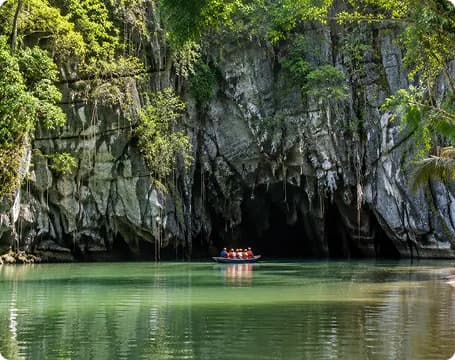
The Philippines scatters more than 7,000 islands across the western Pacific, from mountainous northern Luzon to the reefs and beaches of the south.
Luzon holds Manila, the Banaue rice terraces and Palawan's karst coast; the Visayas centre on Cebu, Bohol and Boracay; Mindanao, in the south, includes the surf island of Siargao.
Moving between them means flights and ferries, so the connections shape the trip as much as the islands do.
Culture & Heritage
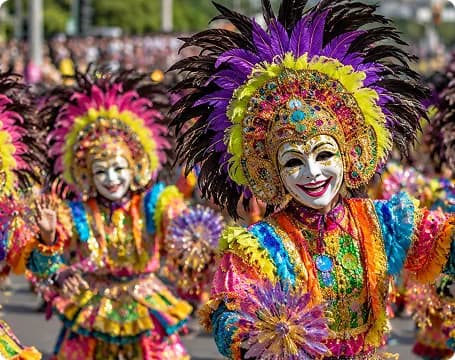
The Philippines carries a layered history — a Malay foundation, more than three centuries of Spanish rule, and a later American era — that sets it apart from the rest of Southeast Asia.
Catholic fiestas, Spanish-colonial towns like Vigan, the ancient rice terraces of the Cordillera, and a widely spoken English all reflect that mix.
Above all, a genuine warmth and love of celebration make the human side of the country as memorable as its beaches.
Travel Context
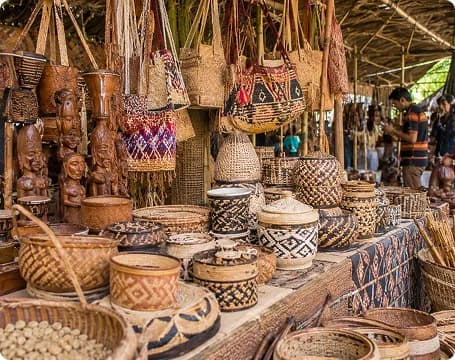
The Philippines rewards a focused plan: with so many islands, trying to see too many means long days of ferries and flights.
Seasons matter, with the drier months from around November to May the most reliable, and a typhoon-prone wet season from June to October that can disrupt island travel.
Understanding the distances and the weather is what keeps an itinerary from being derailed by a missed ferry or a storm.
Slow Traveling in the Philippines
The Philippines is often reduced to one famous beach. Slowing down — and accepting that the islands take time to reach — is what opens up the rest of the country.
A Different Way to Approach Travel
Many trips fly straight to Palawan or Boracay, see one stretch of coast, and fly out again.
It captures a postcard, but it misses the rice terraces, the colonial towns, the diving and the everyday island life.
A more considered trip usually means:
Understanding Local Context
A Cordillera rice-terrace village, a Visayan fishing island and a Manila neighbourhood belong to very different worlds.
Travelling well here means reading those differences, including:
It also means choosing a region or two rather than scattering across the whole archipelago.
Letting the Trip Breathe
A good Philippine journey is not measured by how many islands you reach, but by how well you come to know them.
Giving one island group real time, in the right season, beats a rushed hop across three.
That usually means choosing fewer places and giving each of them real time.
In the Philippines, travelling slowly is not seeing less — it is understanding more.
A local agency that knows the islands well can make this far easier, shaping the pace and route around how each one actually works.
One request. Up to five tailored proposals.
Skip contacting agencies one by one — share your trip once and let up to five trusted Philippines agencies come to you. Free, with no obligation.
Explore Philippines Through Slow Travel Guides
Travel guides provide a structured way to understand Philippines beyond surface-level information. Each guide is designed to offer in-depth insights into specific aspects of the country, combining cultural context, regional understanding and practical considerations. Rather than isolated articles, these guides contribute to a broader and more coherent perspective of the destination.
19/10/2026 · 15 minutes
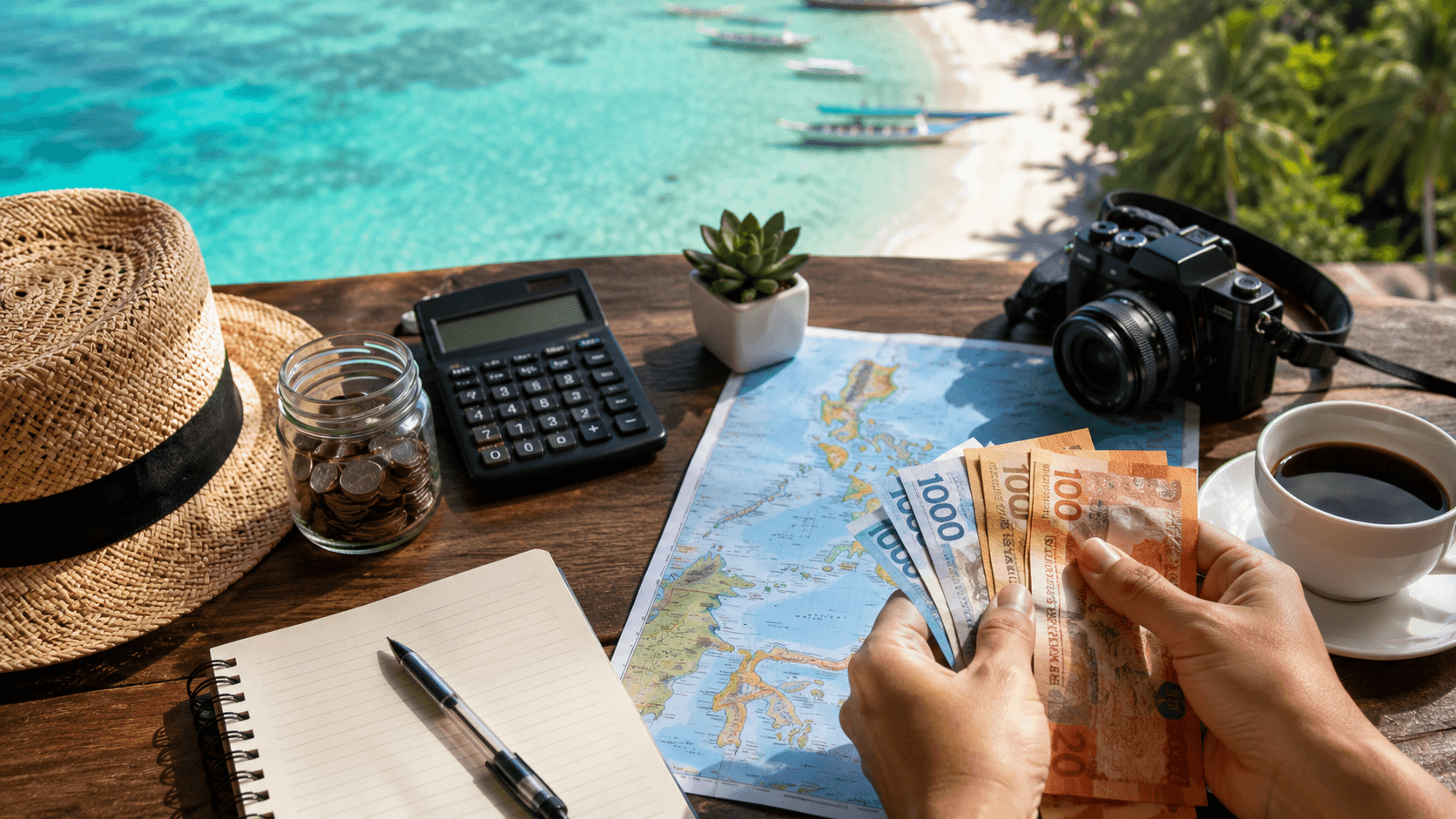
How Much Does a Trip to the Philippines Cost in 2026? The Complete Budget Guide
What a Philippines trip really costs in 2026: honest daily budgets, transport, the fees nobody warns you about, and three costed two-week itineraries.
23/07/2026 · 15 minutes
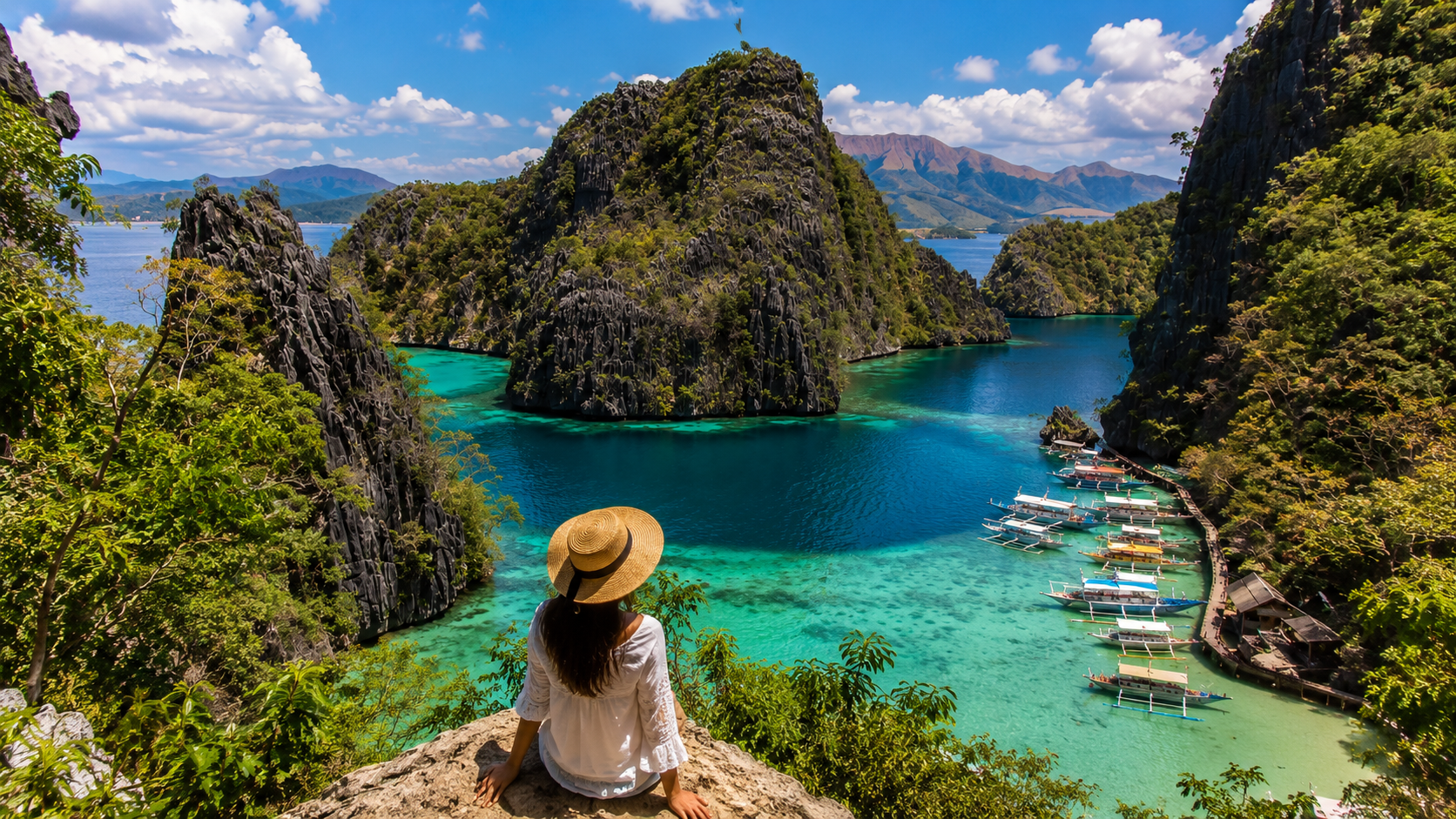
Off the Beaten Path in the Philippines: Hidden Gems for Slow Travellers
The Philippines has 7,641 islands and most visitors see about five of them. A calm, honest guide to the quieter ones, and to how you actually reach them.
23/07/2026 · 15 minutes
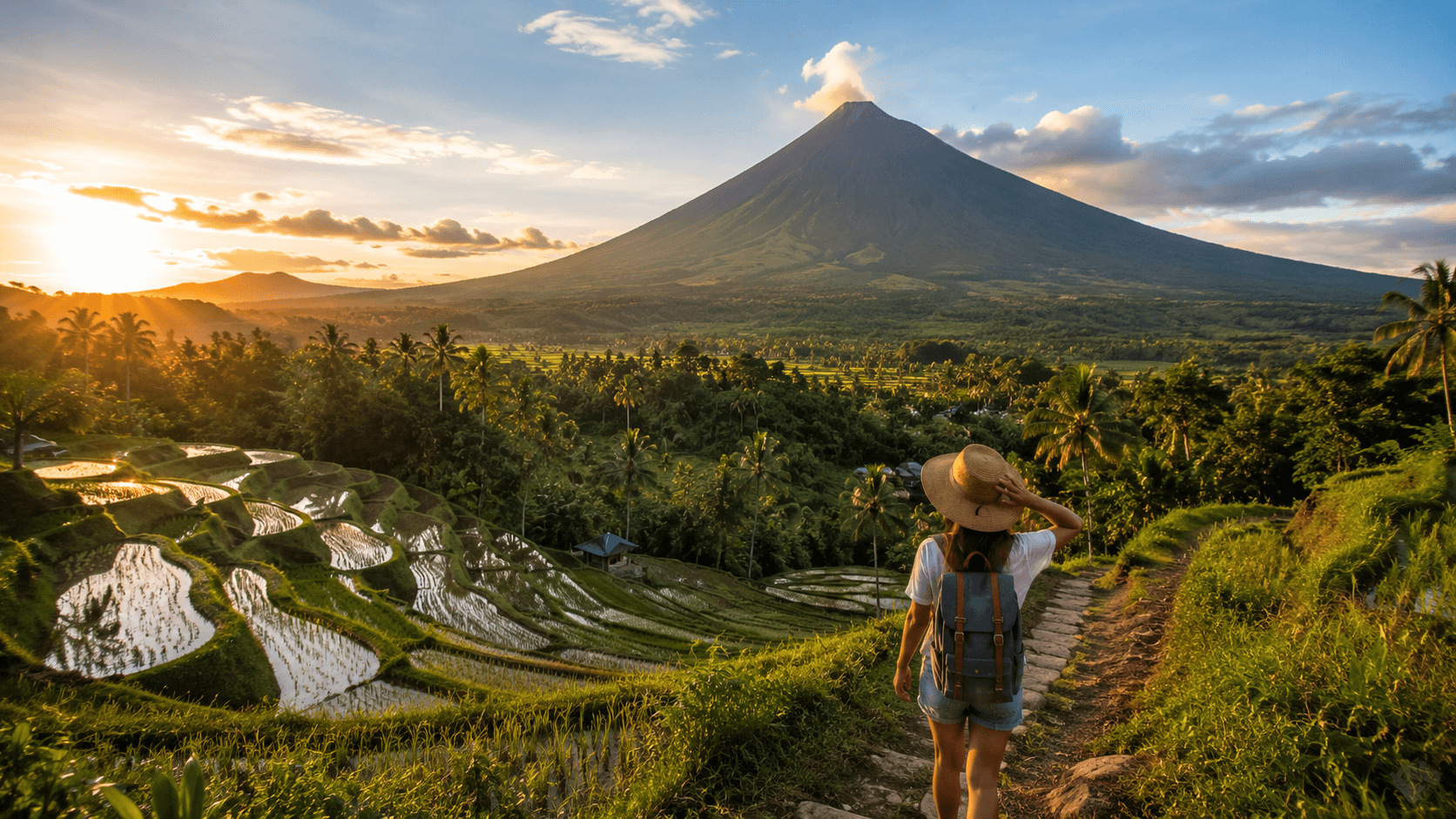
The Slow Traveler's Guide to the Philippines: Where to Go and When
Seven thousand islands, one trip. Where to go in the Philippines, when to go, and why choosing fewer places is almost always the better plan.
The guides are designed to support understanding, not to prescribe standardized travel paths.
View All Travel GuidesOn the Ground in Philippines
On the Ground provides a more dynamic perspective on Philippines, highlighting evolving destinations, regional focuses and local realities. These articles reflect what is happening across the country, offering a more immediate and contextual understanding of the travel environment. This section complements the travel guides by providing a more immediate and evolving perspective of the destination.
 Travel Tips
26/10/2026
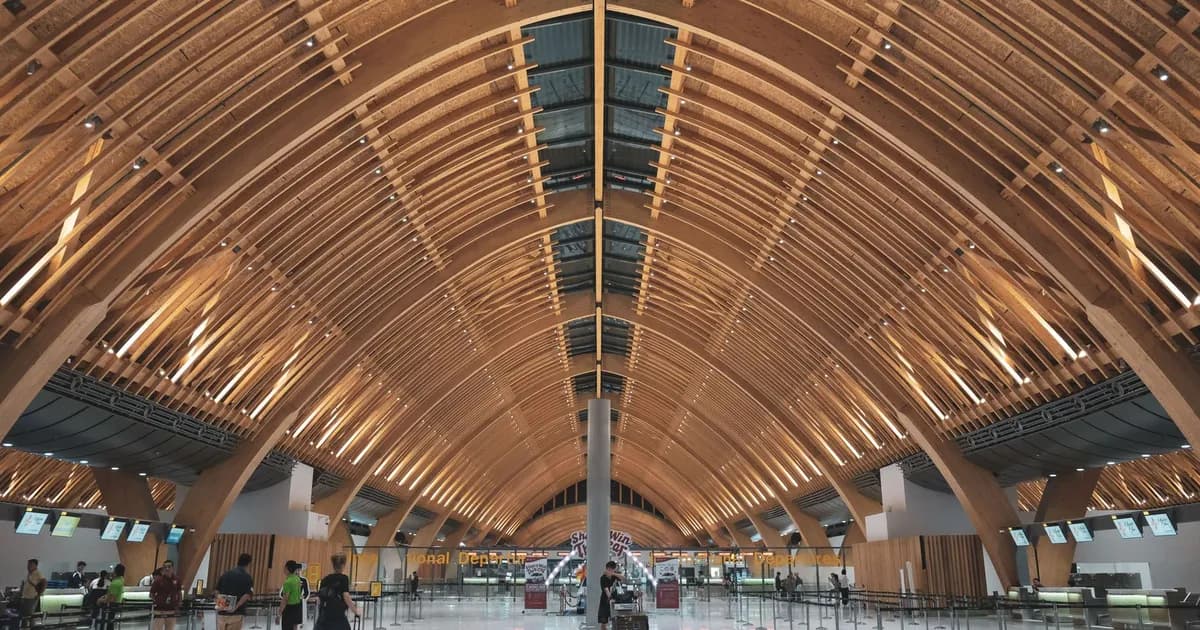
How to Navigate Filipino Etiquette: Po, Mano and Everyday Courtesy
From po and opo to the mano, kain tayo and tipping: a practical guide to Filipino etiquette that helps slow travellers fit in, avoid gaffes and connect.
 Practical Updates
22/10/2026
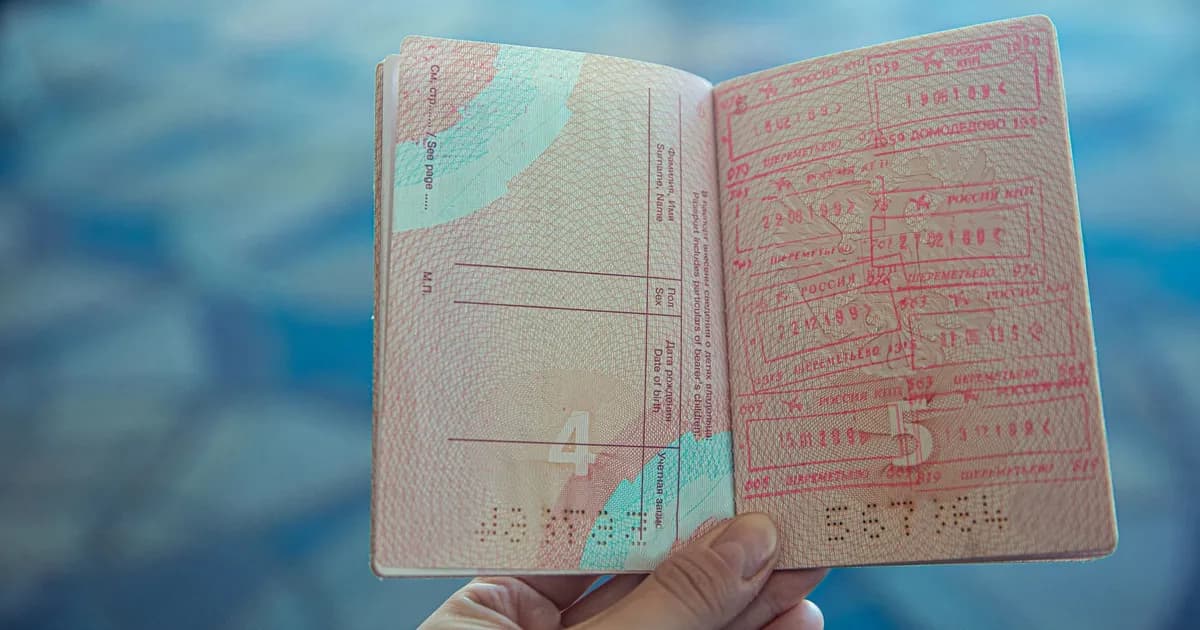
The Philippines' Travel Fees in 2026: Terminal, Environmental and the SIM Rule
Beyond your airfare, the Philippines charges terminal fees, environmental fees and more in 2026. The costs and formalities to budget for.
 Practical Updates
21/10/2026
The Philippines' Tourist VAT Refund in 2026: What the Law Promises and What Works Today
The Philippines now has a VAT refund law for foreign tourists, upheld by the Supreme Court in 2026. Who qualifies, how it should work and where it stands.

Slow Travel Agencies in the Philippines
The agencies working in the Philippines range from Palawan and islands specialists to diving operators and culture-and-mountains guides. Knowing what each does best is the key to a trip that fits — and UNRUSH organises them by focus and approach so the right match is easier to find.
Explore All Slow Travel Agencies in the PhilippinesGet matched with up to 5 trusted Philippines agencies
Describe your trip once. Receive tailored proposals from up to five vetted travel agencies — and choose the one that fits you best.
- Free
- No obligation
- Up to 5 agencies
Slow Traveling in the Philippines: A Closer Look
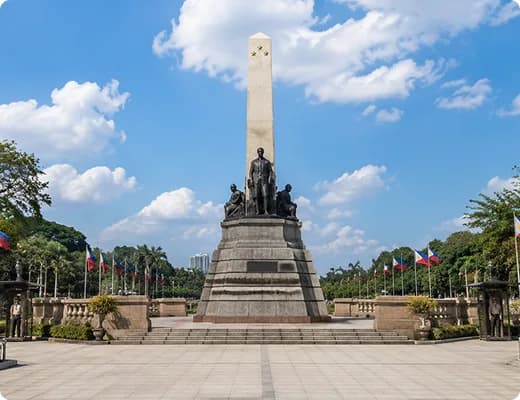
The Philippines is defined by water. More than 7,000 islands spread across the western Pacific in three groups — Luzon, the Visayas and Mindanao — and getting between them is a real part of any trip. Luzon holds Manila, the mountain rice terraces of Banaue and the karst lagoons of Palawan; the Visayas centre on Cebu, Bohol and the beaches of Boracay; Mindanao, in the south, includes the surf island of Siargao.
That geography changes how a trip should be planned. Each region has its own character and its own connections, and moving around means ferries and domestic flights. Try to island-hop across the whole country in two weeks and most of the time is spent in transit — coverage at the expense of really settling anywhere.
A slower plan works the other way around. Instead of scattering, it chooses one or two island groups and gives them real time, matched to the season. The dry months from around November to May are the most reliable, while the June-to-October wet season brings typhoons that can disrupt ferries and flights, so timing is not a detail here.

The hardest part to plan from abroad is the local detail — which ferry and flight links actually connect, when the seas are calm enough for island-hopping or diving, how to reach the rice terraces or a quiet island respectfully. Agencies based in the Philippines carry that knowledge from experience, but their quality and focus vary widely, and they are hard to tell apart from a website alone.
This is where UNRUSH helps. Rather than listing operators at random, it organises agencies by how they work and where they specialise, so travellers can find a partner suited to the trip they want — a Palawan and islands specialist, a diving operator, or a culture-and-mountains guide. The aim is not to simplify the Philippines, but to make its depth easier to navigate.