
Dengue is the one tropical illness that nearly every traveller to the Philippines should know something about, and it is also one of the most misunderstood. It is not a reason to cancel a trip. It is a reason to understand when and where the risk rises, to take sensible daily precautions and to know what to do if you feel unwell.
This update gathers the most recent figures and official signals we could verify as of early October 2026, then turns them into practical habits. It is general information for travellers, not medical advice. For anything personal, speak to a doctor or a travel clinic before you go, and to a local clinic if symptoms appear.
Where things stand in October 2026
The headline is encouraging. The Department of Health reported in early September 2026 that dengue cases nationwide were down about 39 per cent compared with the same period in 2025. That follows a heavy period of dengue activity in the previous year, when several foreign governments, including Canada, issued travel advisories noting rising cases in the Philippines.
But national averages hide local realities. In Cebu province, authorities reported 2,324 dengue cases and 17 deaths between January and August 2026, according to figures released in late August. On 4 August 2026, Zamboanga City officially declared a dengue epidemic at a press conference at City Hall, which prompted an advisory from Hong Kong's travel health service urging visitors to the Philippines to take precautions and to seek medical advice promptly if unwell after returning home.
In other words, the national curve is lower, but dengue is endemic, which means it is present all year and spikes locally when conditions allow. A declaration of an epidemic in one city is a local signal, not a countrywide emergency.
One request. Up to five tailored proposals.
Skip contacting agencies one by one — share your trip once and let up to five trusted Philippines agencies come to you. Free, with no obligation.
Get my free quotesWhy the rainy season matters
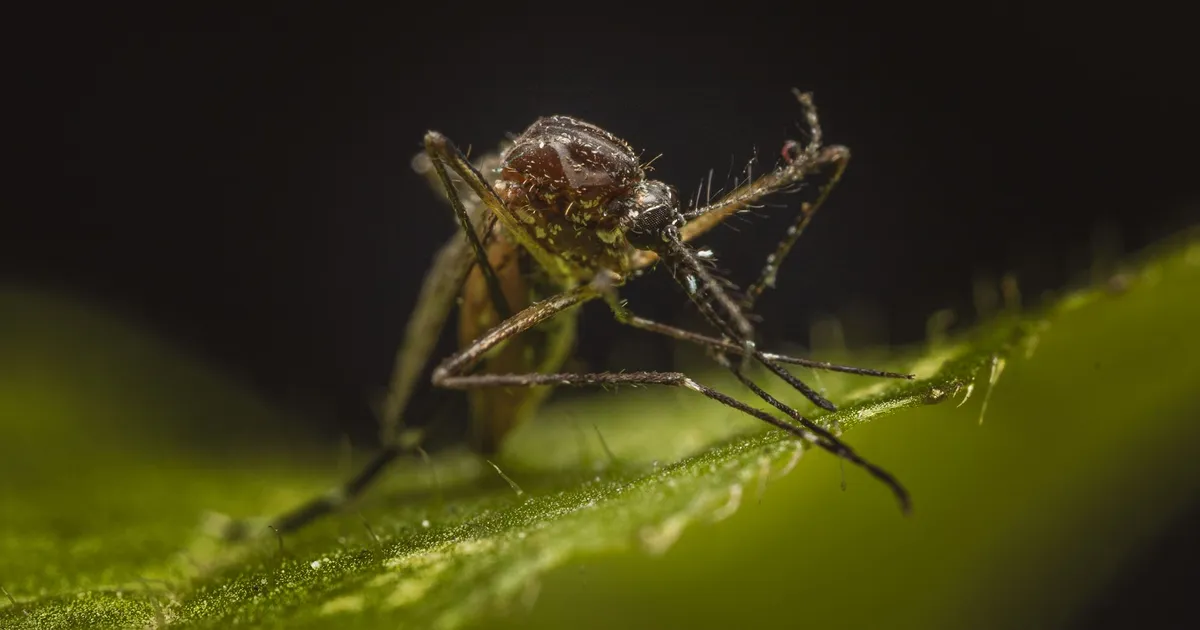
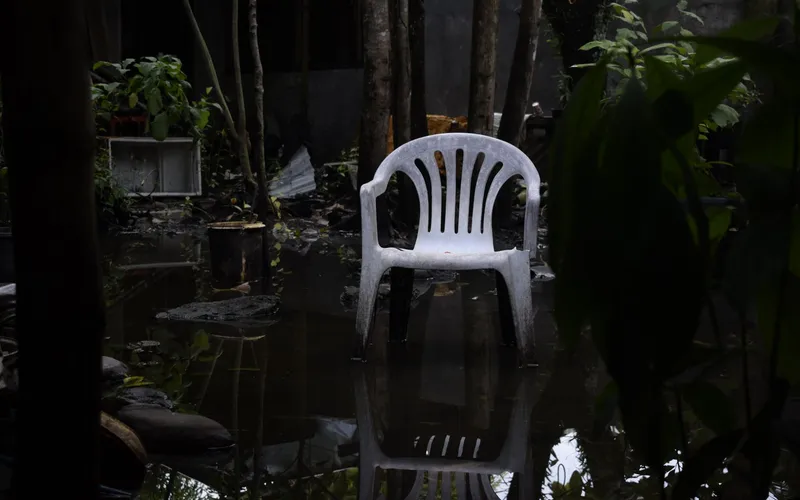
Dengue is spread by Aedes mosquitoes, which breed in small collections of standing water: buckets, flowerpots, old tyres, roof gutters and water storage jars. When the rainy season arrives, more containers fill and mosquito numbers rise. A local health message captured the point plainly: when the rain comes, dengue season follows.
The Philippines' rainy season generally runs from around June to November, though patterns differ across the archipelago, and typhoons and heavy downpours can arrive earlier or later. Weather outlooks also point to El Niño conditions in early 2027, which usually means drier weather. A drier spell does not make dengue disappear, because households store water in containers during dry periods, but it can shift the pattern.
If you are planning travel across typhoon months, it helps to think of dengue as one part of a larger seasonal picture. Our guide on how to travel the Philippines around typhoon season explains how to plan for delays, flexible bookings and the practical side of the wet months.
What this means for your itinerary
For most visitors, the practical adjustment is modest.
- Urban areas and dense settlements often carry higher risk, because standing water and crowded housing support mosquitoes. That includes Metro Manila, Cebu City, Davao and Zamboanga, as well as busy provincial towns.
- Small islands and rural guesthouses are not risk-free. A single bucket of still water outside a bungalow can breed mosquitoes.
- Cooler, higher places generally see fewer mosquitoes, though not none.
- Time of day matters. Aedes mosquitoes bite mostly in the daytime, often in the early morning and late afternoon, so a mosquito net at night is not enough.
If you are linking Cebu with other parts of the Visayas, our analysis of Cebu one year after the earthquake includes the 2026 dengue figures in context. There is no need to rewrite a route because of dengue alone, but if a destination has declared an outbreak, it is reasonable to take extra care, shorten outdoor evenings or choose a different base for a few days.
Get matched with up to 5 trusted Philippines agencies
- Free
- No obligation
- Up to 5 agencies
Preventing bites: what actually helps
Prevention is mostly unglamorous. The Department of Health promotes a simple framework known as the 4S strategy: search and destroy breeding sites, use self-protection measures, seek early consultation and support fogging or spraying only in hotspot areas. For a traveller, the useful parts are the second and the third.
- Use repellent. Choose a repellent with an active ingredient recommended by your national health authority, and reapply as directed, especially after swimming or sweating.
- Cover up. Light, loose long sleeves and trousers are practical in the early morning and at dusk, particularly if you are walking in vegetation.
- Choose rooms wisely. Air-conditioned rooms or rooms with intact screens reduce exposure. Ask your guesthouse whether windows have screens.
- Look for standing water. If you see a bucket, saucer or container of still water at your accommodation, mention it politely to the host. Most are glad to empty it.
- Pack well. Repellent, light clothing and a small first-aid kit belong in your bag. Our guide on how to pack for the Philippines covers the rest of the list.
Fogging, which is sometimes used in outbreak areas, is not a substitute for personal protection and should not be relied upon.
Recognising symptoms and acting early
Dengue often begins like many other illnesses. Typical symptoms include a sudden high fever, severe headache, pain behind the eyes, muscle and joint aches, fatigue and sometimes a rash. They usually appear four to ten days after being bitten.
Most cases are mild or moderate, but a minority become severe, usually around the time the fever falls. Warning signs include severe abdominal pain, persistent vomiting, bleeding from the gums or nose, blood in vomit or stool, drowsiness, restlessness or difficulty breathing. These require urgent medical care.
General guidance from health authorities is as follows:
- Seek medical attention early if you develop fever in a dengue-risk area. A blood test can confirm the diagnosis.
- Rest and drink plenty of fluids.
- Use paracetamol for fever and pain as advised by a clinician. Avoid aspirin and anti-inflammatory drugs such as ibuprofen unless a doctor says otherwise, because they can increase bleeding risk.
- Do not wait to see whether it passes if warning signs appear.
On returning home, tell your doctor where you travelled. This is the specific advice from the Hong Kong health authority, and it applies anywhere: provide your travel details so that the right tests are done.
Insurance, clinics and practical logistics
Good travel insurance matters here more than almost anywhere else. Check that your policy covers hospital treatment and evacuation, and read the exclusions. In larger cities, private hospitals offer reliable care and English-speaking staff, though costs can be significant without cover. On smaller islands, the nearest hospital may be a ferry ride away, so it is wise to know in advance where it is.
Keep a digital copy of your insurance details and an emergency contact, and tell your accommodation if you feel unwell. Many hosts will help you find a clinic or arrange a tricycle ride.
Vaccination is a topic for your own doctor or travel clinic, because eligibility and availability differ by country and by age and history. We do not make recommendations here.
Keeping informed without panic
News about outbreaks tends to spread faster than context. A few habits help:
- Check the Department of Health and local government announcements for the area where you will stay.
- Look at your own country's travel health advice, which is usually updated when conditions change.
- Ask your accommodation about current local conditions. Hosts typically know whether a neighbourhood has seen recent cases.
- Avoid relying on social-media rumours.
Slow travel helps. Staying longer in fewer places means you know your surroundings, can adopt a routine of repellent and rest, and are not rushing to catch a ferry while unwell. That aligns with our broader approach, set out in our slow travel charter.

Common mistakes travellers make
A few patterns come up again and again. The first is treating dengue as a risk only for budget travellers or only for remote places. It is not. Mosquitoes are just as present around a well-kept city hotel with a planted courtyard as around a beach bungalow, and the deciding factors are standing water and time of day, not price.
The second is applying repellent once in the morning and forgetting it. Most products wear off with sweat, swimming and time, so a quick reapplication before late afternoon is worth the habit. The third is ignoring a fever because it feels like ordinary travel fatigue. A fever in a risk area deserves a test, particularly in the rainy months, and early care makes a real difference.
The fourth mistake is the opposite one: letting worry take over the trip. Many people visit the Philippines every year without incident. A calm routine of repellent, light clothing, screened rooms and attention to how you feel is enough for most travellers.
What to Do Next
- Check your country's travel health advice for the Philippines and speak to a doctor or travel clinic before you leave.
- Pack repellent, light long sleeves and a basic first-aid kit.
- Confirm that your insurance covers hospital treatment and evacuation.
- Ask your accommodation about local conditions and whether rooms have screens or air conditioning.
- Learn the warning signs, and do not delay if they appear.
- After you return, tell your doctor about your travel if you feel unwell.
Frequently Asked Questions
Is dengue a good reason not to travel to the Philippines?
For most travellers, no. Dengue is endemic and present year-round, but sensible precautions and early medical care keep the risk manageable. Speak to a doctor if you have a medical condition or have had dengue before, as repeat infections can be more serious.
Are dengue cases rising or falling in 2026?
Nationally, the Department of Health reported cases about 39 per cent lower than in 2025 as of early September 2026. Local outbreaks continue, including a declared epidemic in Zamboanga City in August and cases in Cebu province.
When is the highest-risk time of year?
The rainy season, roughly June to November, is the usual peak, because standing water increases mosquito breeding. The risk exists all year, though, and local conditions vary.
Do mosquito nets protect against dengue?
Nets help at night, but the mosquitoes that carry dengue mostly bite during the day. Repellent, long sleeves and screened or air-conditioned rooms are more relevant.
What should I do if I get a fever during my trip?
Seek medical attention early and ask for a test. Rest, drink fluids and use paracetamol as advised. Avoid aspirin and ibuprofen unless a doctor says otherwise. Go to hospital immediately if you develop severe abdominal pain, persistent vomiting, bleeding, drowsiness or breathing difficulty.
Are there vaccines for travellers?
Availability and eligibility depend on your country, age and medical history. Please ask a doctor or travel clinic, because this is a personal medical decision.
Does fogging protect me?
Fogging is used in outbreak areas to reduce adult mosquitoes, but it is not a substitute for personal protection. Keep using repellent and cover up regardless.