
Most travelers in northern Thailand never get past Chiang Mai, and the few who venture further tend to head straight for Pai, which long ago swapped its hidden-valley calm for a busy backpacker scene. Chiang Dao, just seventy kilometres north of Chiang Mai, has quietly stayed itself: a valley town at the foot of Thailand's third-highest mountain, where mornings arrive wrapped in fog, the rice fields glow green, and the loudest sound is usually a temple bell. It is one of the easiest places in the country to step off the circuit without going far, and one of the most rewarding to slow down in.
A Mountain, a Cave, and a Different Pace
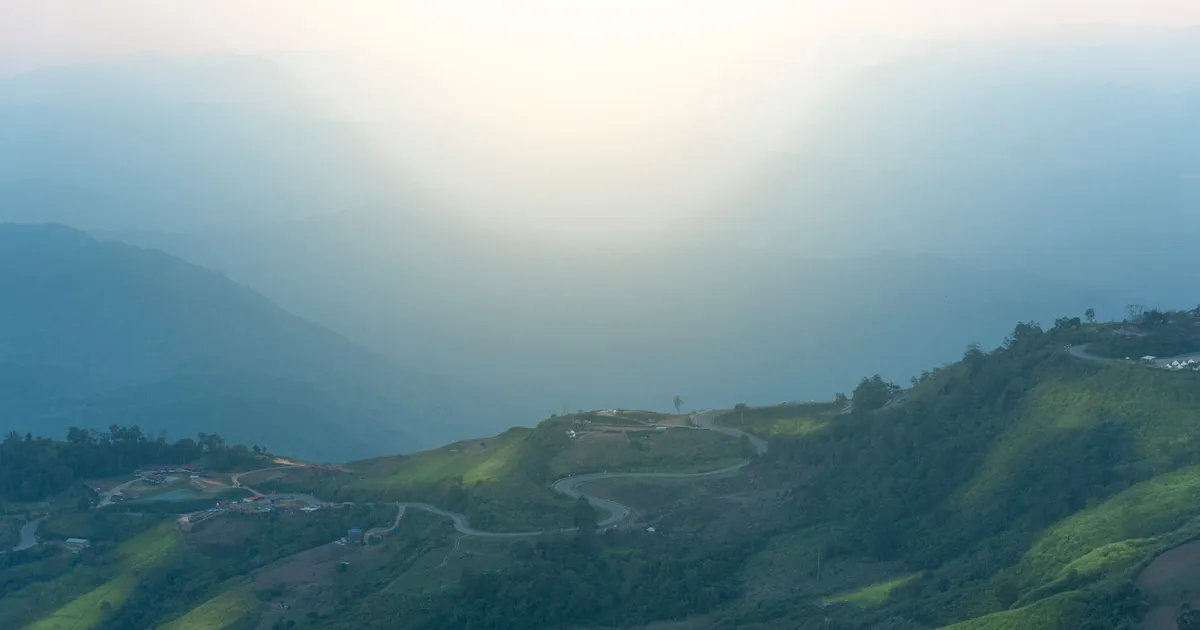
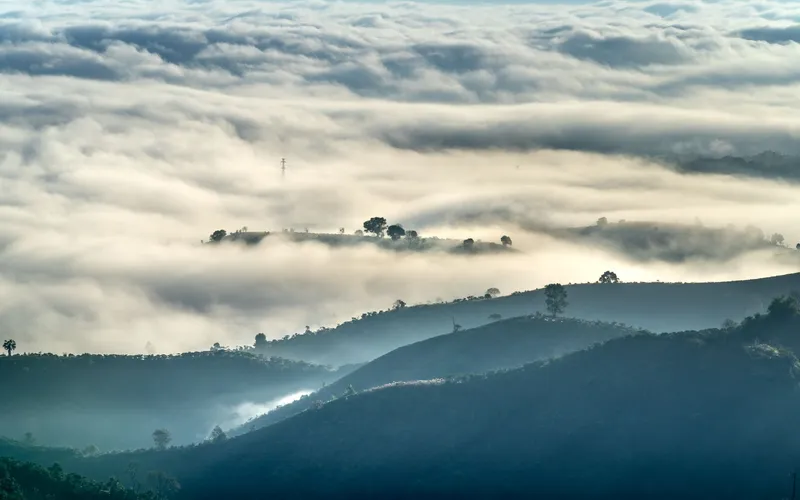
Chiang Dao is defined by the limestone massif that looms over it. Doi Luang Chiang Dao rises to 2,225 metres — the third-highest peak in Thailand, after Doi Inthanon and Doi Pha Hom Pok — and its grey cliffs give the valley its drama and its weather, trapping the morning mist that makes the area famous. The mountain sits inside a wildlife sanctuary, and the summit trek is a serious, permit-controlled overnight hike, but most visitors come simply to watch the peak appear and disappear behind the clouds from a guesthouse veranda.
What sets Chiang Dao apart is not a list of attractions but a tempo. This is a place to stay three or four nights, not to tick off in an afternoon. The pleasure is in slow scooter rides between villages, long breakfasts in the fog, and the kind of unstructured days that the busier corners of the north no longer allow.
One request. Up to five tailored proposals.
Skip contacting agencies one by one — share your trip once and let up to five trusted Thailand agencies come to you. Free, with no obligation.
Get my free quotesWhat to Do, Slowly
A few places anchor a visit, none of them rushed.
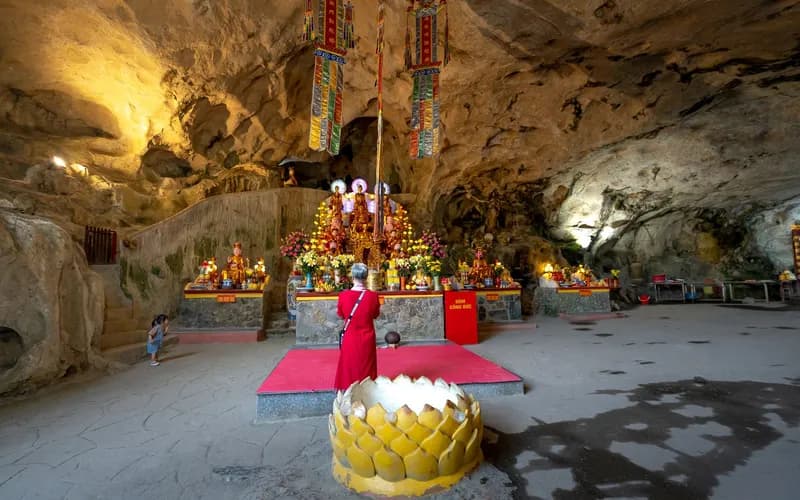
Chiang Dao Cave (Tham Chiang Dao) is the area's best-known sight: a network of caverns running deep into the mountain, lined with Buddhist shrines and stalactites. A local guide with a lantern leads you through the darker passages — a small, atmospheric ritual rather than a tourist conveyor belt.
Wat Tham Pha Plong, a couple of kilometres on, is the valley's quiet highlight. Five hundred stone steps, flanked by naga-serpent balustrades, climb twenty to thirty minutes through shaded jungle to a meditation temple perched against the cliff. The climb is the point; the silence at the top is the reward.
The Chiang Dao Hot Springs, down a bumpy road to the south, are modest concrete pools fed by near-boiling mineral water from across the road — an unpolished, local affair, which is exactly their charm.
Beyond these, the valley rewards aimlessness: morning markets, Lisu and Hmong hill-tribe villages in the surrounding hills, small coffee growers, and viewpoints where the mountain reveals itself at dawn.
When to Go
Timing matters more here than in much of Thailand. The valley is at its best in the cool, dry season from November to February, when the famous morning fog forms and the air is crisp enough for a jacket at dawn — and, crucially, before the late-February-to-April burning season that blankets the whole north in agricultural haze. Visiting in March means smoke instead of views. The rains from May to October bring lush green and few visitors, with the trade-off of afternoon downpours. For the full regional picture, see our guide to where to go and when in Thailand.
Get matched with up to 5 trusted Thailand agencies
- Free
- No obligation
- Up to 5 agencies
How to Reach It and Where to Stay
Chiang Dao is an easy 90-minute drive or local bus from Chiang Mai, which makes it one of the most accessible off-beat bases in the country — close enough to add to a northern trip, far enough to feel a world away. Accommodation leans toward small, locally owned guesthouses, nature lodges, and eco-resorts tucked against the cliffs rather than chains, which keeps the valley quiet and your money in the community. Staying a few nights, rather than passing through, is both the cheaper and the more rewarding choice, as our Thailand budget guide lays out.
Why Chiang Dao Fits Slow Travel
Chiang Dao is a small, living example of the argument at the heart of how we think about travel: the best of Thailand is often found not by going to more places, but by going slowly to quieter ones. It offers the north's signature beauty — mountains, temples, mist, hill-tribe culture — without the crowds that have settled over Chiang Mai's old city and Pai's walking street. It rewards the traveler who stays, watches the mountain change through a day, and lets the valley set the pace. That is the spirit of our slow travel charter, and the kind of place the agencies in our certified network build into a northern itinerary.
Frequently Asked Questions
Is Chiang Dao worth visiting?
Yes, especially for travelers who want the beauty of northern Thailand — mountains, caves, temples, and hill-tribe culture — without the crowds of Chiang Mai or Pai. It rewards a slow, multi-night stay rather than a quick day trip, and it is one of the most accessible off-the-beaten-path destinations in the country.
How do I get to Chiang Dao from Chiang Mai?
It is about a 90-minute trip by car or local bus, roughly 70 kilometres north of Chiang Mai. That proximity makes it easy to add to a northern itinerary while still feeling genuinely remote.
When is the best time to visit Chiang Dao?
November to February, the cool dry season, when the famous morning fog forms and the air is clear. Avoid late February to April, when the northern burning season fills the valley with agricultural haze and obscures the mountain views.
Do you need a guide for Chiang Dao Cave?
For the deeper sections of the cave, yes — local lantern guides lead visitors through the darker passages, and hiring one is both safer and a small, worthwhile way to support the community. The entrance shrines and main chambers can be seen more independently.
Can you climb Doi Luang Chiang Dao?
Yes, but it is a serious overnight trek inside a wildlife sanctuary, requiring a permit, a registered guide, and a degree of fitness, and it is only open during a limited season. Most visitors enjoy the mountain from the valley rather than summiting it.