Ranong and Koh Phayam: The Wet, Wild Edge of Thailand's Andaman Coast
Most travellers heading for the Andaman Sea fly straight into Phuket or Krabi and never look north. That is a pity, because the northernmost stretch of Thailand's west coast, the province of Ranong, offers something the famous islands lost years ago: a working port town, hot springs, mangrove channels, and an island with no cars where the main decision of the day is which beach to sit on. It is not a place for ticking off sights. It rewards people who stay a week and let the tide set the schedule.
Ranong is also honest about its limits. It is one of the wettest corners of the country, the island services shrink in the rains, and Koh Phayam is simple rather than polished. If you want infrastructure, go elsewhere. If you want depth over distance, read on.
Why Ranong is the Andaman's quiet edge
Ranong sits at the narrow neck of the Malay Peninsula, with Myanmar just across the estuary. It is a fishing port and border town first and a tourist destination a distant second, which is exactly why it feels real. Longtail boats and trawlers share the river mouth, Burmese and Thai communities live side by side, and the market stalls sell what locals eat rather than what visitors expect.
The province's tourism is built on three things: the town's hot springs, the offshore islands, and a scattering of national parks. Nothing here is large. The distances are modest, the crowds are thin, and most of what is worth doing can be reached by a short boat or a cheap motorbike taxi. That scale is the whole point. You can build a proper trip around one small place instead of crossing half the country in a week.
For travellers who have already used up the headline Andaman islands, Ranong is a useful corrective. It shows what this coast looked like before the speedboat economy took hold, and it does so with working fishing boats rather than a staged version of tradition.
One request. Up to five tailored proposals.
Skip contacting agencies one by one — share your trip once and let up to five trusted Thailand agencies come to you. Free, with no obligation.
Get my free quotesGetting there without rushing
Ranong is about 568 km from Bangkok. The practical options are a daily low-cost flight from Don Mueang (roughly an hour and a quarter), or an overnight bus from the Southern Bus Terminal that takes eight to nine hours. There is no direct train: the nearest stations are Chumphon and Surat Thani, from where you continue by road. Schedules change, so confirm current timetables before you commit, particularly for the flight.
[ ]
]
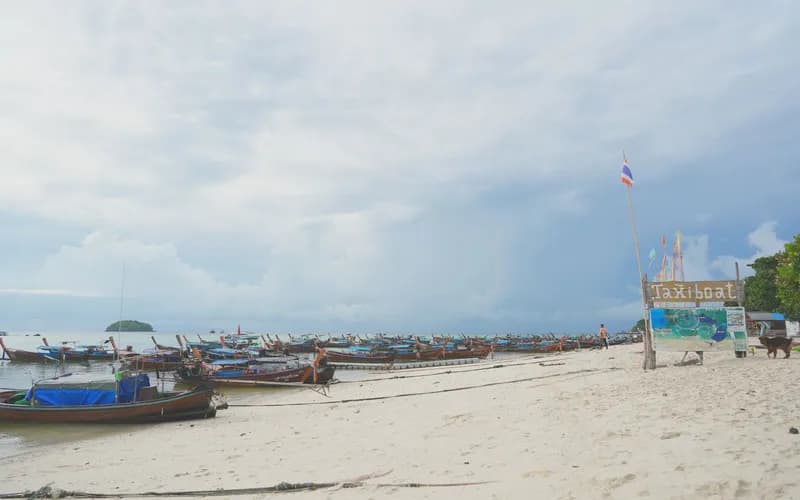
From Ranong town you head to the pier at Pak Nam for the boat to Koh Phayam, about 35 km away. In high season, typical listings show frequent speedboats (around 350 baht, 30 to 45 minutes) and a few slower ferries (around 200 baht, about two hours). The slow ferry is the better choice if you are carrying luggage and have no appointments, and it fits the spirit of the place. Some speedboats also call at the new pier on Koh Chang Noi, the neighbouring island.
Two cautions. First, services thin out in the wet months, and cancellations in bad weather are common, so do not build a tight connection to an onward flight on the day you leave the island. Second, every boat lands at the pier on the east coast; your beach will usually need a motorbike taxi or a pre-arranged pick-up. If your plans involve a long-haul departure, see our notes on how to choose your Thai island by coast and season before fixing dates.
Ranong town and the hot springs
Give the town a night or two before you cross. The Raksawarin hot springs lie about two kilometres from the centre and include three natural springs and a free public park. Locals come to soak, boil eggs and chat. It is not a spa resort; it is a municipal pleasure that costs next to nothing, which tells you something about how the town sees itself.
Walk the waterfront in the morning when the boats come in. The fish market is the best free show in the province, and the noodle shops around it open early. Take your time over breakfast. Ranong's rhythm is set by the catch and the tide, and a day spent wandering the old streets, the temples and the riverside is a better introduction to the province than any itinerary.
If you need cash, withdraw it here. Koh Phayam has only a couple of ATMs and they are not always reliable, so arrive with enough baht for your whole stay. Our guide to money and connectivity in Thailand covers how much to carry and how to handle a patchy mobile signal on remote islands.
Get matched with up to 5 trusted Thailand agencies
- Free
- No obligation
- Up to 5 agencies
Koh Phayam: beaches and the pace of the island
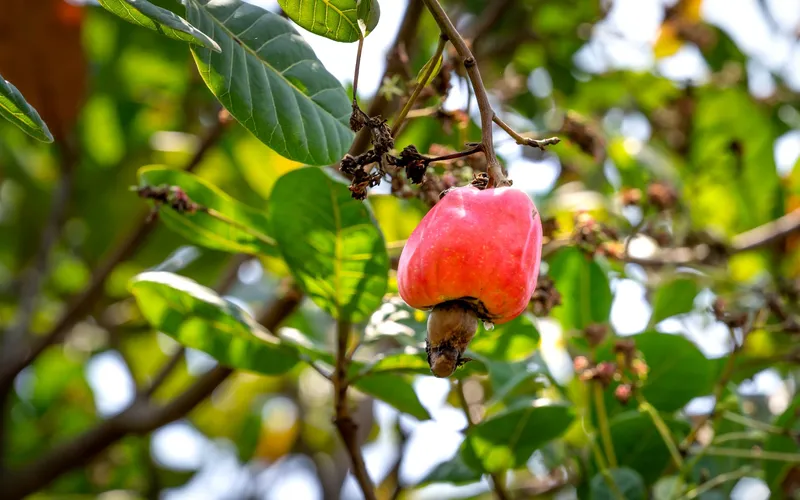
Koh Phayam is small, rural and mostly car-free. The island is known for cashew orchards, a loose bohemian community that has been settling here for decades, and beaches that feel like beaches rather than products. There are over sixty places to stay, almost all of them simple bungalows.
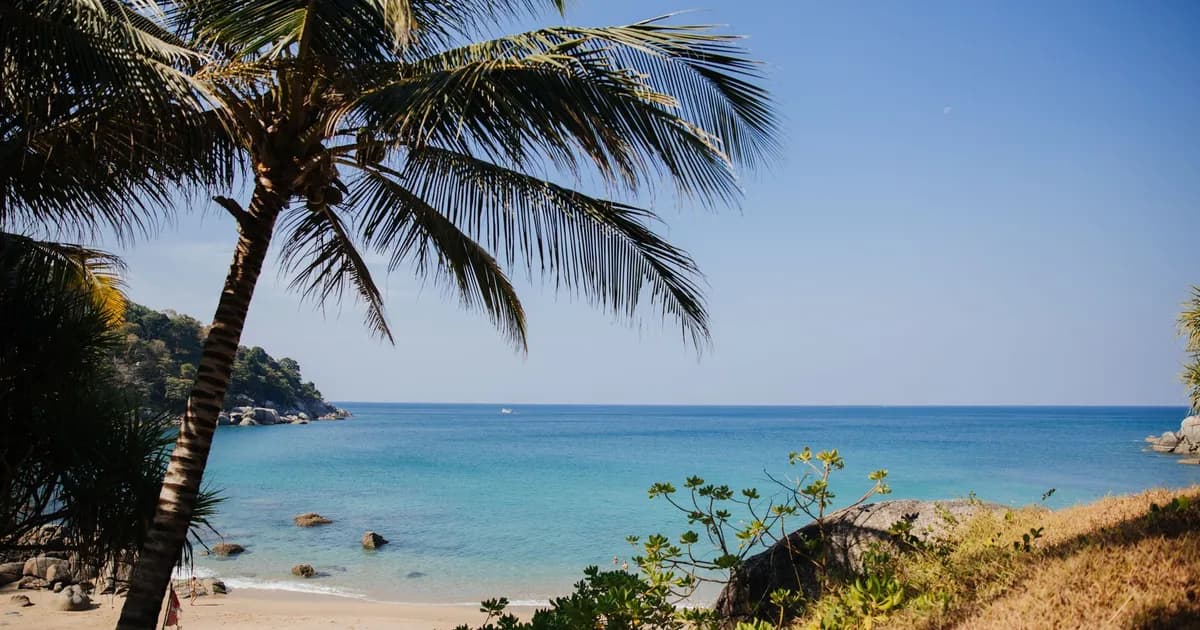
Aow Yai on the west coast is the long bay, about three kilometres of sand and the best place for sunset. Buffalo Bay (Aow Khao Khwai) has two sections, powdery sand and some of the clearest water on the island. Aow Mae Mai is the practical hub near the pier, useful for services but less pretty. A steep trail leads to Aow Kwang Peeb, a jungle-backed cove where monkeys roam.
[ ]
]
Electricity has traditionally come from solar panels and generators, with some accommodation limited to evening and night hours. Ask when you book if you need to charge devices or run a fan through the afternoon. Treat this as part of the character of the place, not a defect to be fixed. People who come for a week and stay for a month usually do so precisely because the island refuses to be hurried.
Getting around and the daily rhythm
There are no cars. Motorbike taxis typically charge 50 to 100 baht for a ride anywhere on the island, bicycles rent for around 100 baht a day, and motorbikes for about 150 to 250 baht a day. If you have never ridden, a bicycle is plenty for the flat sections and a motorbike taxi covers the hills. The roads are narrow and sandy in places, so ride slowly and keep your insurance in order.
A good day looks like this: a late breakfast, a swim at Buffalo Bay while the water is clearest, lunch at a beach shack, an unhurried afternoon, and sunset at Aow Yai. In the evening, restaurants serve fresh fish and cashew dishes, and the night is dark enough that the stars are worth the walk to the sand. There is little nightlife in the Phuket sense. That is the appeal.
If you want to see how another small island handles the same slow philosophy, compare it with Koh Yao Noi in Phang Nga Bay, which sits on the other side of the same sea but with a very different character.
Mangroves, Koh Chang Noi and the national parks
Koh Chang Noi (sometimes called Koh Chang Ranong to distinguish it from the big island in the east) lies about four kilometres north of Koh Phayam and is the largest island in the province. It is quieter still, with a rural, village feel. A private longtail charter between the two islands costs in the region of two to three thousand baht per boat, so it is worth sharing with other travellers.
On the mainland, Laem Son National Park offers snorkelling around small islands and a long, quiet coastline, while Namtok Ngao has a waterfall of about 300 metres. The mangrove forests around Phayam and the coast host fishing communities, including Moken villages that can be visited at low tide. Go with a local guide, ask before you photograph anyone, and pay for what you use. These are living communities, not exhibits.
National park fees and access rules change, so check them before you go; our overview of Thailand's national park fees, bookings and closures explains the current picture.
When to go, and how rain changes the trip
Ranong receives more rain than almost anywhere else in Thailand, and the wet season can run for many months. The most dependable window is roughly November to April, when seas are calm and boats run on schedule. October and May are shoulder months: you may get sun, you may get a week of grey, and ferry cancellations are plausible.
None of this means the wet season is unvisitable. The island is green, the prices drop, and the crowds vanish. But it is a different trip: fewer boats, some bungalows closed, rougher water, and more time indoors. If you want to travel in the rains, read our guide to travelling Thailand in the green season and plan flexible days rather than fixed ones. Book a refundable room, keep your onward travel loose, and carry a dry bag for the boat.
How long to stay
A weekend is too short. The boat journey, the settling in and the rhythm of the place take at least two days to absorb. Five to seven nights on Koh Phayam, plus one or two in Ranong town, is a sensible minimum. If you work remotely, check the mobile signal before committing; coverage can be patchy and a backup plan is wise.
Think of Ranong as a place to anchor a slow week or two within a longer journey along the Andaman side. It pairs well with a few quiet days in Khao Sok or the Trang islands, and it makes a good decompression stop between busy cities and the southern beaches. If you are building a route and want an experienced second opinion, our plan your journey page is the place to start.
What to Do Next
- Decide your window. Target November to April for the most reliable boats and seas, or accept a flexible, wetter trip in the shoulder months.
- Choose how to reach Ranong: low-cost flight, overnight bus, or train to Chumphon then road.
- Book two nights in Ranong town, including a morning at the fish market and an evening at the hot springs.
- Reserve a simple bungalow on Koh Phayam, ask about electricity hours, and pick a beach side that suits your sunsets.
- Withdraw enough cash on the mainland, download offline maps, and keep a buffer day before any flight.
Frequently Asked Questions
How do I get to Koh Phayam?
Travel to Ranong first, by flight, overnight bus, or by road from Chumphon or Surat Thani. From the pier at Pak Nam, take a speedboat (typically around 350 baht, 30 to 45 minutes) or a slower ferry (around 200 baht, about two hours). Check current timetables locally, as services change with the season and weather.
When is the best time to visit Koh Phayam?
November to April is the most dependable period, with calmer seas and regular boats. Ranong is among the wettest parts of Thailand, so the rainy months bring fewer services, rougher water and some closed accommodation. If you go then, build in flexibility.
Are there cars or ATMs on Koh Phayam?
There are no cars, only motorbikes, bicycles and motorbike taxis. There are only a couple of ATMs and they are not always reliable, so bring enough cash from the mainland for your whole stay.
How much does it cost to get around the island?
Motorbike taxis commonly charge 50 to 100 baht per trip. Bicycles rent for around 100 baht a day and motorbikes for roughly 150 to 250 baht. Prices vary by shop and season, so confirm before you ride.
Is Koh Phayam good for remote work?
It can be, but electricity hours and mobile signal vary by accommodation. Ask about power and connectivity before booking, and keep a backup data plan. It suits people who can work flexible hours and enjoy a slower pace.
What else is worth seeing around Ranong?
The Raksawarin hot springs near town, the fish market, Koh Chang Noi, Laem Son National Park for snorkelling, and Namtok Ngao for its tall waterfall. Visit mangrove and Moken communities respectfully and with a local guide.
How many nights should I plan?
At least five to seven on Koh Phayam plus one or two in Ranong town. A shorter stay mostly adds up to boat time, and the island's appeal builds with each unhurried day.