Koh Yao Noi: Phang Nga Bay's Slow Island Between Phuket and Krabi
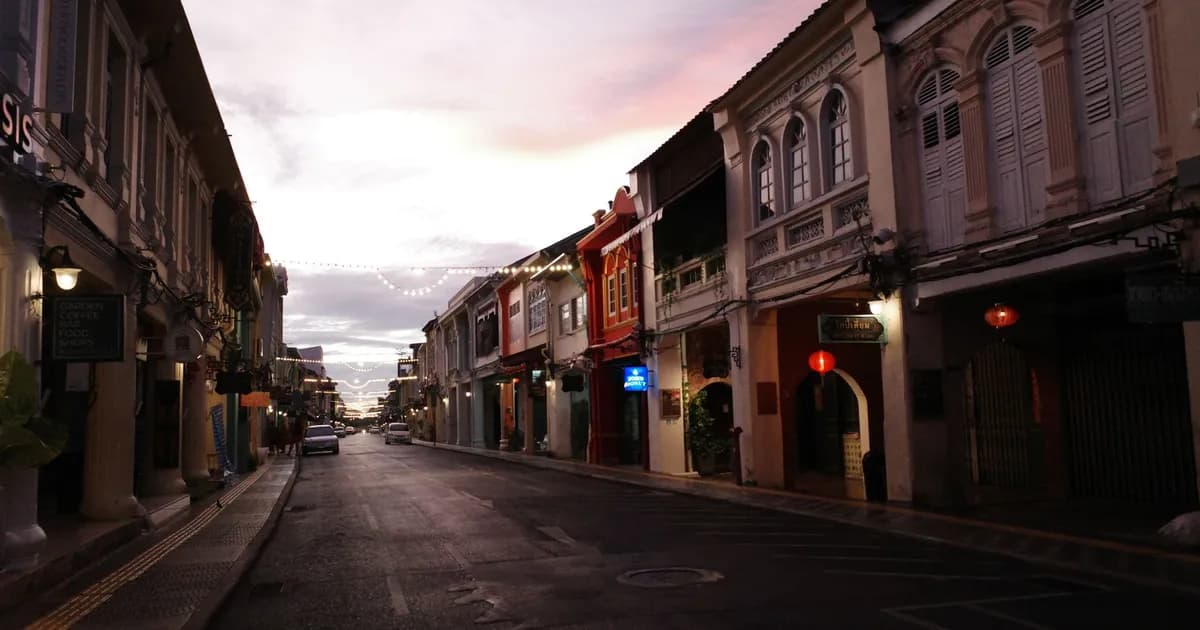
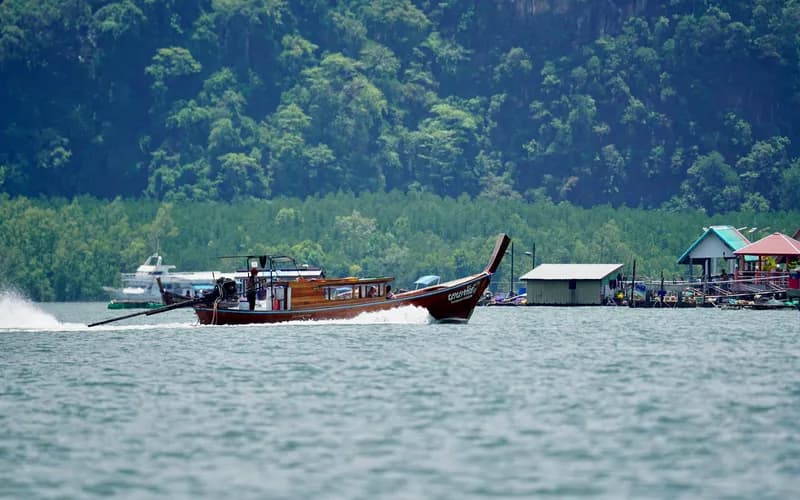
Thirty minutes by speedboat from the jet skis of Phuket, there is an island where the loudest sound at dawn is a call to prayer drifting over rubber trees, and the busiest traffic is a line of longtails heading out on the morning tide. Koh Yao Noi, the smaller of the two Yao islands in Phang Nga Bay, has spent three decades quietly proving that tourism in southern Thailand does not have to mean bars, beach clubs and a speedboat circus. It is not undiscovered, and it is not untouched. But it is one of the few places in the Andaman where the island still sets the rhythm and visitors adjust to it, rather than the other way around.
This is a guide for people who want to stay long enough to notice that rhythm: what the island is really like, how to get there, where to base yourself, what to do with slow days, and the honest caveats that the glossy resort brochures leave out.
Why Koh Yao Noi Is Different
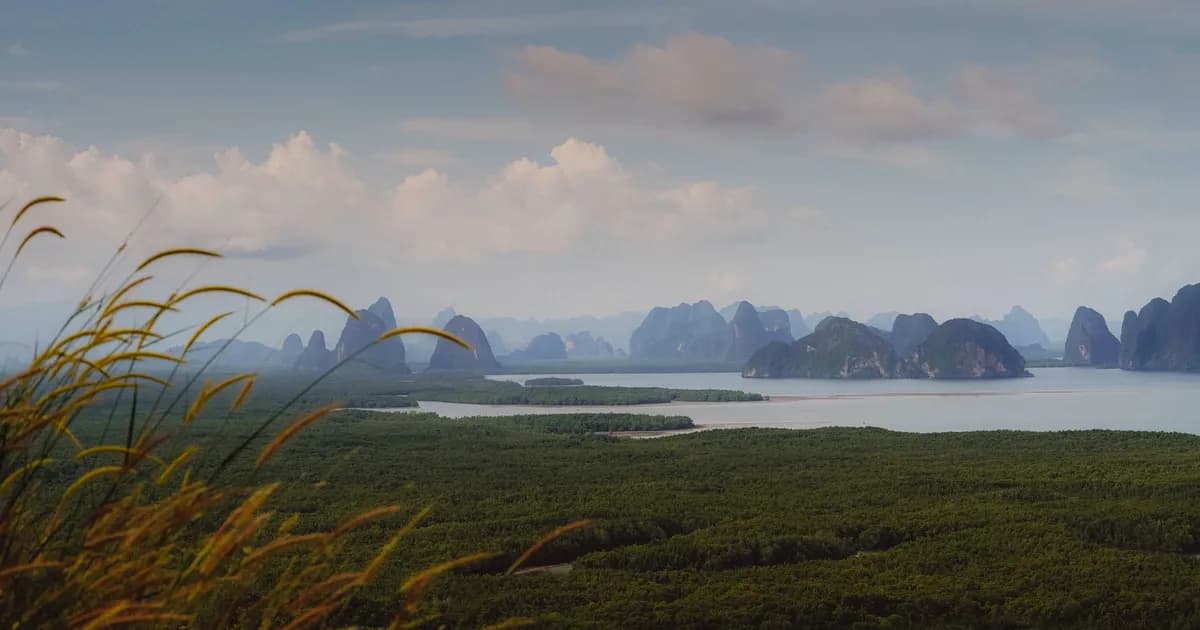
Look at a map of Phang Nga Bay and Koh Yao Noi seems almost too well placed to have escaped mass tourism. Phuket lies to the west, Krabi's Ao Nang coast to the east, and the famous limestone towers of the bay rise all around. Yet the island never became a party stop, and the reason is largely its people.
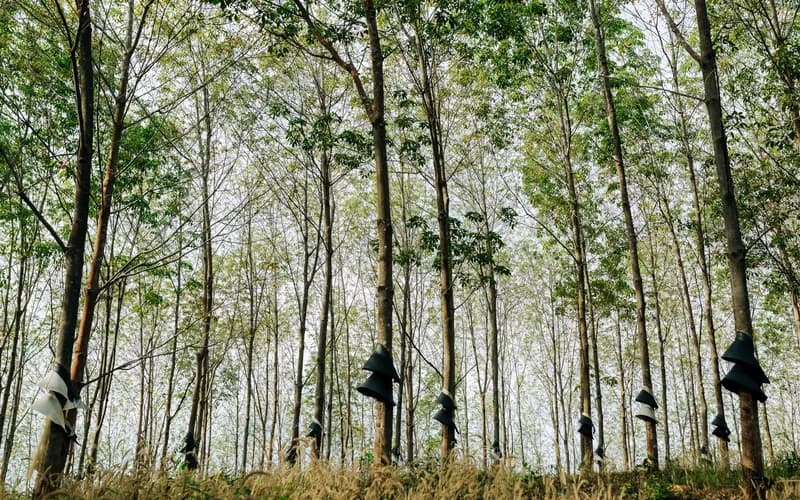
Koh Yao Noi is a predominantly Muslim community whose economy has long rested on small-scale fishing, rubber tapping and, more recently, fish and shellfish farming in floating cages. In the 1990s, local fishers organised to protect their inshore waters from commercial trawling, and out of that same small-fishers' movement came one of Thailand's earliest community-based tourism projects. The Koh Yao Noi homestay programme began in the mid-1990s and is widely described as the first community homestay scheme in southern Thailand. In the early 2000s the community's ecotourism club received the World Legacy Award from National Geographic Traveler and Conservation International, recognition that put the island on the radar of responsible travellers long before "community-based tourism" became a marketing phrase.
The result today is an island with genuine choice, from family homestays to a handful of high-end resorts, but with a social fabric that has not been hollowed out. Villages remain villages. Mosques remain the centre of community life. And the local expectation that visitors dress and behave with some respect is still broadly met, which in turn keeps the island's character intact.
One request. Up to five tailored proposals.
Skip contacting agencies one by one — share your trip once and let up to five trusted Thailand agencies come to you. Free, with no obligation.
Get my free quotesGetting There Without the Rush
Koh Yao Noi is easy to reach from both sides of the bay, which is part of its appeal for travellers who want an island without a long transfer day.
- From Phuket: boats leave from Bang Rong Pier on the island's northeast coast and arrive at Manoh Pier on Koh Yao Noi. Speedboats take around 30 minutes and slower longtails roughly an hour. Fares are in the range of a few hundred baht, and there are several departures a day between early morning and late afternoon.
- From Krabi: boats run from Tha Len Pier, north of Ao Nang, to Tha Khao Pier on the island's east coast. The crossing is short, and in calm conditions it is one of the prettiest boat rides in the region, threading past karst islets.
- From Koh Yao Yai: the two islands are separated by a narrow channel, and short longtail hops link them, making a two-island stay straightforward.
A few practical notes. Last boats generally leave in the late afternoon, so an international flight landing in Phuket after about 3 pm usually means a night on the mainland first. Schedules shift with the season and with weather, so confirm times locally rather than trusting a timetable found online months earlier. And if you are combining Koh Yao Noi with other islands, it pairs naturally with the Krabi coast or with the quieter archipelago further south; our piece on choosing a Thai island by coast and season explains how the Andaman and Gulf seasons differ.
The Shape of the Island
Koh Yao Noi is small enough to understand in a day and interesting enough to keep revealing itself for a week. A ring road loops around most of the island, with the main village, Tha Khao on the east, and the small commercial strip near the island's middle offering most of the shops, cafes and scooter rental.
The east coast faces Krabi and has the island's best-known beaches, including Pasai and Long Beach. Do not come expecting Maya Bay. These are tidal beaches: at high tide they are pleasant for swimming, and at low tide the sea can retreat a long way, exposing mudflats and rock where local families collect shellfish. What you get in exchange is the view. The sunrise over the karst islands off Krabi, seen from an almost empty beach, is the image most people carry home.
The interior is rubber plantation, rice fields in the lower land, mangroves along the channels and small hills with viewpoints over the bay. The west coast is quieter still, with mangrove-lined inlets and a view back towards Phuket's hills. Everywhere, the scale is human: dirt tracks, wooden stilt houses, goats on the road and children cycling home from school.
Get matched with up to 5 trusted Thailand agencies
- Free
- No obligation
- Up to 5 agencies
Where to Stay: Homestay, Bungalow or Resort
Accommodation on Koh Yao Noi spans a wider range than its low-key reputation suggests, and choosing well shapes the whole stay.
Community homestays. The original model, still running, places guests with local families. Expect simple rooms, shared meals of home cooking and the chance to join daily life: going out with a fisher at the right tide, watching rubber being tapped before dawn, or learning how the floating fish farms work. This is not a hotel experience, and it is best suited to travellers who are genuinely curious and flexible. Our guide on how to choose between homestays, guesthouses and small hotels covers what to ask before you book.
Family-run bungalows. The middle of the market is strong: wooden or concrete bungalows set in gardens, often a short walk from the east-coast beaches, run by local families or long-term residents. These are the sweet spot for a week-long stay, with enough comfort to relax and enough contact with the island to feel part of it.
Upscale resorts. A small number of high-end properties, including a well-known luxury resort on the northeast coast, sit discreetly on the island. They bring employment and are mostly well integrated, but staying in one means your experience of Koh Yao Noi will be more filtered unless you make a point of getting out.
Whatever you choose, book directly where you can, ask whether the property employs local staff and buys from local fishers, and consider splitting a longer stay between a resort or bungalow and two or three nights in a homestay.
Slow Days on Koh Yao Noi
The joy of the island lies less in a list of sights than in how easily days fill themselves. A few ways to spend them:
- Cycle or scooter the ring road. Rent a bicycle or scooter and circle the island at your own pace, stopping at village tea shops, viewpoints and the small roadside stalls selling grilled fish and roti. On a bicycle, allow a full day with long breaks.
- Kayak into the bay. Sea kayaking is the natural way to experience Phang Nga Bay. Local operators run trips to the "hongs", the collapsed cave lagoons hidden inside limestone islands, and to beaches on islets such as Koh Hong, Koh Lao Lading and Koh Pakbia. Go early to beat the day-trip boats from Phuket and Krabi.
- Climb the limestone. Koh Yao Noi has developed a small, well-regarded climbing scene on its karst cliffs, with local guides offering sessions for beginners and experienced climbers. It is far less crowded than Railay across the water.
- Join the community programme. Through the homestay network you can arrange to go out with small-scale fishers, visit fish and lobster farms, learn about mangrove conservation or try your hand at cooking southern Thai dishes.
- Do nothing well. Some of the best afternoons are spent in a hammock, reading, while the tide slowly redraws the beach.
The beauty of a slow stay is that you can let the weather choose. A grey morning becomes a village and market day; a bright, calm one becomes a kayak day.
Food, Culture and Island Etiquette
Food on Koh Yao Noi reflects its southern Muslim identity: rich curries, massaman and gaeng som, grilled fish, crab and squid fresh from the morning boats, roti with condensed milk or curry, and khao mok gai, the southern Thai take on chicken biryani. Most local restaurants are halal and do not serve pork. Alcohol is available at many resorts and some tourist-facing restaurants but is not part of village life, and drinking in public spaces is frowned upon.
A few simple habits go a long way here:
- Cover shoulders and knees when walking or cycling through villages, even if you have just come from the beach.
- Swimwear belongs on the beach and at the resort pool, not in shops or on the road.
- Around Friday midday prayers, mosques and the streets near them are busy; be patient and discreet.
- During Ramadan, many local restaurants open only in the evening and daytime eating in public is best kept low-key. In 2027, Ramadan is expected to begin in early February, overlapping the peak season, so check dates if you are planning a stay then.
- Ask before photographing people, especially women and children.
None of this is onerous, and islanders are warm and patient with visitors who make the effort. Our broader note on cultural etiquette in Thailand covers temples and wider social codes that also apply here.
When to Go and How Long to Stay
Koh Yao Noi follows the Andaman calendar. The main season runs from roughly November to April, with calm seas, clear skies and the best kayaking conditions. December to February is the most pleasant and the busiest, though "busy" on Koh Yao Noi is still calm by Phuket standards.
From May to October the southwest monsoon brings rain, stronger winds and cloudier skies. The good news is that Phang Nga Bay is relatively sheltered, and boats from Phuket and Krabi generally keep running, though crossings can be rougher and some trips are cancelled on bad days. Many bungalows stay open and prices drop. For travellers who enjoy green landscapes and quiet, it can be a rewarding time, provided you accept that some days will be spent indoors.
As for length, three nights is enough to see the island, but not to settle into it. A week lets you fall into the tides, find a favourite breakfast place and start recognising faces. Many long-stay visitors come back year after year for a month or more.
Honest Caveats Before You Book
Koh Yao Noi is not for everyone, and it is better to know that before arriving.
- Beaches are tidal. If swimming at any hour is your priority, choose accommodation carefully or look at islands with deeper water.
- Nightlife is minimal. A few bars at resorts and small restaurants; that is it.
- Cash matters. There are a handful of ATMs on the island, but they can run dry or be out of service. Bring enough cash from Phuket or Krabi.
- Medical care is basic. There is a local health centre, but anything serious means a boat back to Phuket.
- Development is creeping in. New villas and resorts have appeared, and the balance between growth and community life is a live debate on the island. Choosing locally owned places is the most practical way to support the version of Koh Yao Noi you came for.
Slow Travel on Koh Yao Noi: The Bigger Picture
What makes Koh Yao Noi worth a special trip is not any single beach or activity. It is the proof, visible every morning, that an island within sight of Phuket can welcome visitors on its own terms. That balance is fragile. It depends on travellers who stay longer, spend locally, respect local codes and do not demand that the island become something else.
If you want to build a wider southern itinerary around this kind of travel, Koh Yao Noi combines well with the Trang islands further south; see our piece on Koh Mook, Koh Kradan and Koh Ngai for a natural next chapter.
What to Do Next
- Decide on your season. For kayaking and calm seas, aim for November to April; for quiet and lower prices, consider the shoulder months of May or October.
- Choose your gateway. Phuket is best if you are flying in internationally; Krabi works well if you are already on the mainland coast.
- Plan to arrive in daylight. Book flights that land early enough to catch an afternoon boat, or budget a night in Phuket or Krabi.
- Split your stay. Consider a few nights in a family-run bungalow and two or three in a community homestay.
- Bring cash and modest clothing, and download offline maps before you cross.
- If you would like help building a longer southern Thailand route, use our plan your journey page to start shaping it.
Frequently Asked Questions
Is Koh Yao Noi better than Koh Yao Yai?
They suit different travellers. Koh Yao Noi is smaller, a little more developed for visitors and has more accommodation and cafes, while remaining quiet. Koh Yao Yai is larger, more rural and even less visited. Many travellers stay on Koh Yao Noi and visit Koh Yao Yai for a day by longtail.
How do I get from Phuket Airport to Koh Yao Noi?
Take a taxi of around 30 to 40 minutes to Bang Rong Pier, then a speedboat or longtail to Manoh Pier on Koh Yao Noi. Boats run from early morning until late afternoon, so late arrivals should plan a night in Phuket.
Can I swim on Koh Yao Noi?
Yes, but beaches are tidal. At high tide swimming is pleasant on the east-coast beaches; at low tide the water can recede a long way. Check tide tables and ask your host which beaches hold water best.
Is Koh Yao Noi suitable for families?
Yes, for families who enjoy nature and a calm pace. The island is safe, friendly and easy to explore, but there are few organised children's activities and medical care is limited, so bring basic supplies.
Can I drink alcohol on Koh Yao Noi?
Alcohol is available at many resorts and some tourist restaurants, but the island is predominantly Muslim and drinking in villages or public spaces is inappropriate. Enjoy a drink discreetly where it is served.
How many days should I spend on Koh Yao Noi?
Three nights covers the main sights, but a week lets you slow down, try the community programme and plan kayak days around the weather. Longer stays of a month are common among repeat visitors.