
Thailand is famously welcoming, and travelers are rarely punished for small mistakes made in good faith. But a little preparation goes a long way, and a few of the country's customs are not mere social niceties — one of them carries serious criminal penalties. This is a practical, situation-by-situation guide to behaving respectfully in Thailand: how to greet, what to wear, how to act in temples, and the handful of rules genuinely worth memorising before you arrive.
The Monarchy: The One Rule You Must Not Get Wrong
Start here, because it matters most. Thailand has a lèse-majesté law — Section 112 of the Criminal Code — that makes it a criminal offence to defame, insult, or threaten the King, Queen, heir, or regent. Penalties run from three to fifteen years in prison per offence, and prosecutions are real and regular, including against foreigners.
In practice, this means treating the monarchy and royal images with consistent respect. Do not make jokes, disparaging remarks, or social-media posts about the royal family. Do not deface or step on Thai currency or stamps, which bear the King's image — stepping on a dropped banknote to stop it blowing away is a genuine offence. Stand respectfully if the royal anthem plays in a cinema or public space. This is not a topic for debate or curiosity in public; it is simply a line you do not cross.
One request. Up to five tailored proposals.
Skip contacting agencies one by one — share your trip once and let up to five trusted Thailand agencies come to you. Free, with no obligation.
Get my free quotesThe Wai: Thailand's Greeting
The traditional Thai greeting is the wai — palms pressed together as if in prayer, with a slight bow of the head. It conveys respect, and the higher the hands and lower the bow, the greater the deference shown.
As a visitor, you are not expected to master its subtleties. A few simple principles serve well: return a wai when one is offered to you, rather than initiating it with everyone; wai elders, monks, and people in positions of respect; and do not wai service staff, children, or in casual transactional settings, where a smile and a nod are more natural. When in doubt, a warm smile and slight nod are always acceptable, and learning "sawasdee" (hello) and "khop khun" (thank you), with the polite particle khrap for men or kha for women, is genuinely appreciated.
Feet and Heads: The Body's Hierarchy
Thai culture maps a clear spiritual hierarchy onto the body. The head is the highest and most sacred part; the feet are the lowest and least clean. Several everyday rules follow from this:
- Never touch an adult's head, even affectionately, and avoid ruffling children's hair.
- Never point your feet at a person, a Buddha image, or a sacred object. When sitting on the floor in a temple or home, tuck your feet behind you rather than stretching them forward.
- Do not step over people or food laid out on the ground; walk around.
- Remove your shoes before entering temples, homes, and many shops and guesthouses — watch for a pile of shoes at the threshold and follow suit.
These are not obscure rules; they are the texture of daily respect, and Thais notice and appreciate visitors who observe them.
Get matched with up to 5 trusted Thailand agencies
- Free
- No obligation
- Up to 5 agencies
Temple Etiquette
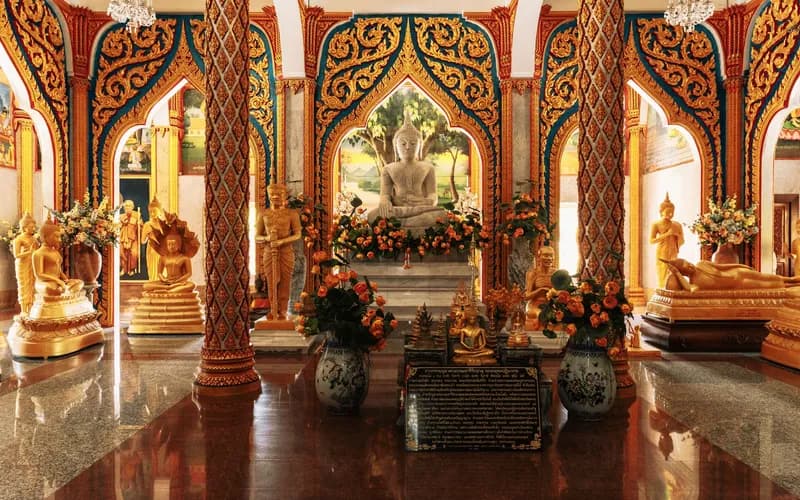
Temples (wat) are active places of worship, not just photo stops, and 2026 has seen stricter dress-code enforcement at major sites like Wat Phra Kaew in Bangkok and Wat Phra That Doi Suthep in Chiang Mai.
Dress modestly: shoulders and knees covered, for both men and women. Avoid tight, sheer, or revealing clothing. Some major temples provide wraps for underdressed visitors, but it is better to arrive prepared. Remove your shoes before entering temple buildings. Lower yourself when near monks or Buddha images, and never sit or climb on a Buddha statue or pose for irreverent photos with one — this is deeply offensive and, in some cases, has led to arrests and deportations.
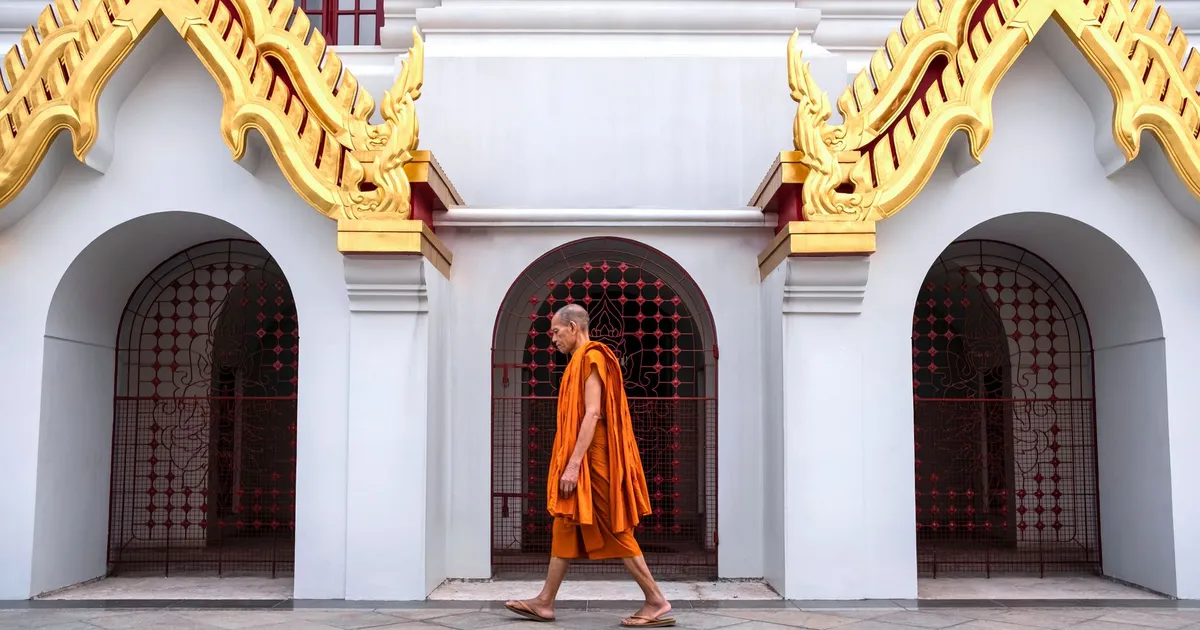
A specific note on monks: they observe strict precepts, and physical contact with women is prohibited. Women should avoid touching a monk or handing anything directly to him; pass items via a man or place them down for him to pick up. Give monks space and the right of way.
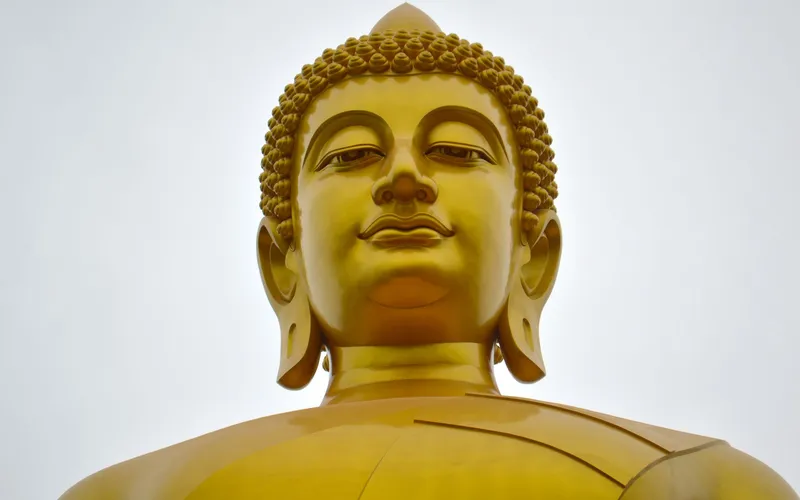
Buddha Images Are Sacred, Not Souvenirs
It is worth knowing that Buddha images are treated as genuinely sacred objects, not decoration. Thailand restricts the export of Buddha images and heads, and the "Buddha head in a tree" souvenir or a decorative Buddha tattoo can cause real offence locally. Tattoos of the Buddha on the lower body are considered especially disrespectful. When in doubt, treat any Buddha image with the reverence you would give a sacred object in any faith.
Social Settings, Tipping, and Tone
Thais prize a calm, smiling demeanour, captured in the idea of keeping a "cool heart" (jai yen). Raising your voice, showing visible anger, or trying to win an argument by force tends to backfire — composure earns respect; confrontation loses it. Patience and a smile resolve almost everything.
A few practical notes round this out. Tipping is not deeply ingrained but is increasingly common and appreciated: rounding up a bill, leaving 20–50 baht for good service, or tipping a private guide is generous and welcome. Dress modestly away from the beach — beachwear belongs on the beach, not in towns, shops, or temples. And public displays of anger or drunkenness reflect poorly in a culture that values self-control.
What to Do Before You Go
- Internalise the monarchy rule. No jokes, no disrespect to royal images, no stepping on currency. This is the one non-negotiable, with legal weight behind it.
- Pack a temple outfit. Lightweight trousers and a shoulder-covering top mean you are never turned away from a temple or caught underdressed.
- Learn three phrases. Sawasdee (hello), khop khun (thank you), and the polite particle (khrap/kha) signal genuine effort and are warmly received.
- Practise the feet-and-head awareness. Tuck feet away when seated, never touch heads, remove shoes at thresholds. It quickly becomes second nature.
- Keep your cool. A calm, smiling approach to friction is not just polite — it is the most effective way to get things done in Thailand.
Respect, in Thailand as anywhere, is mostly about attention. Get the monarchy and temple rules right, stay calm and modestly dressed, and the country's natural warmth does the rest. For more on travelling the country thoughtfully, see our slow travel charter and our network of certified local agencies.
Frequently Asked Questions
What is the most important rule to know in Thailand?
Respect for the monarchy. Thailand's lèse-majesté law makes insulting or defaming the royal family a serious criminal offence carrying years in prison, and it is enforced, including against foreigners. Avoid any disrespect toward royal images, and never deface or step on currency, which bears the King's image.
What should I wear to visit a temple in Thailand?
Cover your shoulders and knees — this applies to both men and women — and avoid tight or revealing clothing. Remove your shoes before entering temple buildings. Enforcement has tightened at major temples, so arrive prepared rather than relying on borrowed wraps.
Do I need to wai everyone?
No. Return a wai when one is offered, and wai elders and monks, but you do not need to initiate it with everyone, and you should not wai service staff or children. A smile and a slight nod are always acceptable when you are unsure.
Why are feet and heads such a big deal in Thailand?
Thai culture treats the head as the most sacred part of the body and the feet as the lowest. So you should never touch someone's head or point your feet at people, Buddha images, or sacred objects. Tuck your feet behind you when sitting on the floor, and never step over people or food.
Can I take photos with Buddha statues?
You can photograph Buddha images respectfully, but never climb on, sit on, or pose irreverently with a statue — this is deeply offensive and has led to arrests and deportations. Buddha images are sacred objects, and Thailand also restricts exporting Buddha heads as souvenirs.
Is tipping expected in Thailand?
It is not deeply ingrained but is increasingly common and appreciated. Rounding up a restaurant bill, leaving 20–50 baht for good service, or tipping a private guide or driver is a generous and welcome gesture rather than an obligation.