How to Trek Responsibly in Northern Thailand: Choosing a Route, a Guide and a Village Stay
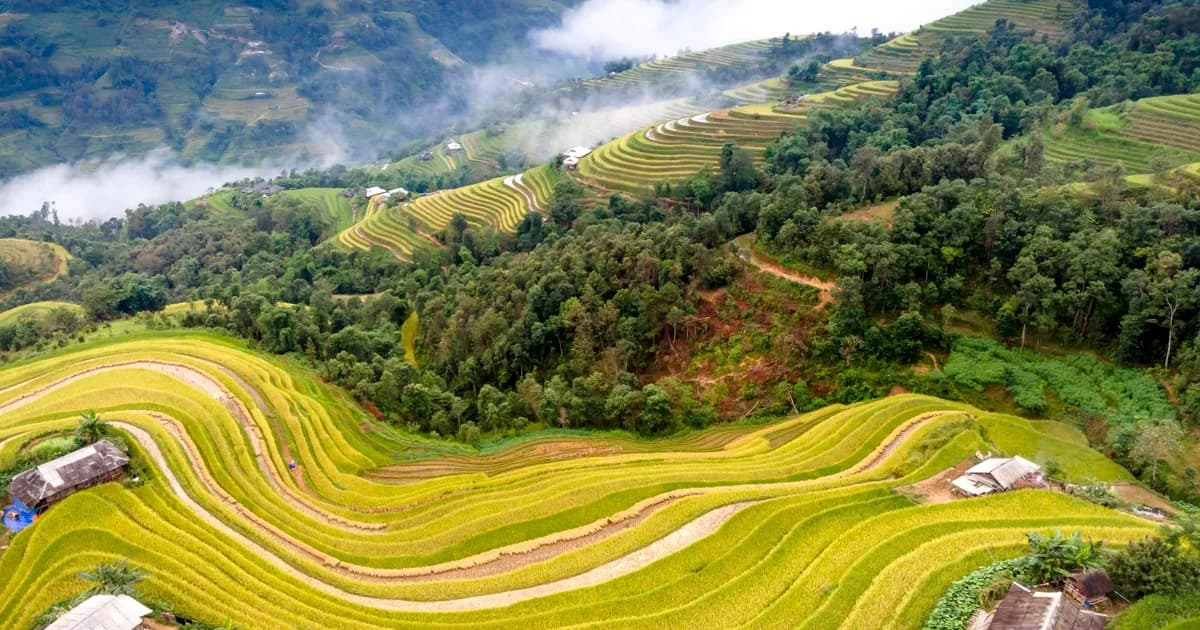
Few experiences in Thailand promise as much as a trek in the northern hills: mist lifting off forested ridges, rice terraces cut into the slopes, a night in a village where the only light comes from a cooking fire. And few are as frequently disappointing. Too many travellers end up on a crowded two-day circuit, walking a dusty track between a staged village visit, a waterfall packed with other groups and a bamboo-rafting finale, with little real contact with anyone who lives in the mountains.
It does not have to be that way. Northern Thailand still offers superb walking, genuine community stays and knowledgeable local guides. The difference lies in how you choose. This guide explains how to pick the right season, route, operator and village stay, what to expect and what to pay, and how to make sure your visit supports the people and forests that make trekking here worthwhile.
Understanding the Northern Hills
The mountains of northern Thailand stretch across the provinces of Chiang Mai, Chiang Rai, Mae Hong Son, Nan, Tak and beyond. They are home to a mosaic of highland peoples, often grouped under the umbrella term "hill tribes", including the Karen, Hmong, Lahu, Akha, Lisu and Mien, alongside northern Thai communities in the valleys. Each has its own language, dress, farming practices and spiritual traditions.
It is worth understanding a little context before you go. Many highland communities have lived through decades of change: the end of opium cultivation, pressure over land rights inside national parks and forest reserves, questions of citizenship for some residents, and the arrival of roads, phones and tourism. Trekking can bring welcome income, but it can also turn villages into backdrops. A responsible trek treats the people you meet as hosts, not attractions, and leaves money where it counts.
One request. Up to five tailored proposals.
Skip contacting agencies one by one — share your trip once and let up to five trusted Thailand agencies come to you. Free, with no obligation.
Get my free quotesWhen to Go
Season shapes every trek in the north.
- Cool season (November to February): the best time for most people. Days are warm and dry, nights can be genuinely cold at altitude and views are at their clearest. It is also the busiest period, so book popular routes and national-park trails in advance.
- Hot season (March to May): temperatures rise and, crucially, agricultural burning and forest fires produce heavy smoke haze across the north, often peaking in March and early April. Air quality can reach unhealthy levels and views vanish. Our analysis of how the smoke season is redrawing the northern travel calendar explains why many travellers now avoid trekking in these months.
- Rainy season (June to October): forests are lush and waterfalls impressive, but trails are muddy, leeches are common and some trails close altogether. Treks can still be rewarding with the right operator, but expect slower progress and flexible plans.
Several national park trails follow these rhythms formally. The Kew Mae Pan nature trail on Doi Inthanon, for example, closes each year from 1 June to 31 October to let the forest recover, and requires a local Hmong guide when it is open. The summit trek on Doi Luang Chiang Dao typically opens only during the cool season, with daily caps, advance booking through the wildlife sanctuary and mandatory local guides.
Choosing Where to Trek
The classic trekking areas around Chiang Mai, particularly Mae Taeng and Mae Wang, are the most accessible and the most crowded. They can still offer good walking, but the "standard" packages here are where the tired circuits are most common. For more space and deeper contact, consider looking further afield:
- Chiang Dao: a limestone massif north of Chiang Mai with forest trails, caves and small community homestays. Our piece on Chiang Dao's misty valley covers the area in depth.
- Mae Hong Son province: the areas around Soppong (Pang Mapha) and Mae Hong Son town offer longer, quieter routes through Lahu, Karen and Shan villages.
- Chiang Rai's highlands: the hills around Doi Mae Salong offer Akha and Lisu villages and tea country, with some well-established community-based projects.
- Nan: remote valleys with community-run trekking and homestays, far from the main tourist circuit.
- Umphang (Tak): a more adventurous option in the far west, famous for multi-day treks and rafting to the Thi Lo Su waterfall, best in the cool season.
In general, the further you go from Chiang Mai, the more time you need but the more authentic and less rushed the experience becomes.
Get matched with up to 5 trusted Thailand agencies
- Free
- No obligation
- Up to 5 agencies
How to Choose an Operator or Guide
The operator you choose matters more than the route itself. A good one will shape the pace, the villages you visit and how your money is shared. Before you book, ask:
- Who guides the trek? The best treks are led or co-led by guides from the communities you will visit, who speak the local language and have genuine relationships there. Thai tour guides must be licensed, and a professional guide should be able to show a guide card.
- How many people per group? Look for small groups, ideally eight or fewer. Large groups overwhelm villages and trails.
- Which villages, and how are they paid? Ask whether host families receive a fair fee for accommodation and meals, and whether the village receives a community contribution.
- What is included? A good operator will be clear about transport, meals, water, accommodation, park fees and whether any activities are add-ons.
- What are the safety arrangements? Ask about first aid training, communications and evacuation plans, especially for multi-day or remote treks.
Community-based tourism networks and regional trekking cooperatives can be particularly good options, because they route bookings directly through village committees. Independent local guides are also worth considering for travellers who can arrange a tailor-made trek.
What to Expect and What to Pay
Trek costs vary with length, group size, remoteness and the level of organisation. As a broad guide in 2026, guided day treks from Chiang Mai tend to cost roughly 800 to 1,500 baht per person in a small group, while two-day, one-night treks commonly range from about 2,000 to 4,000 baht and three-day treks from about 4,500 to 7,000 baht, usually including transport, meals and village accommodation. Private and remote treks cost more.
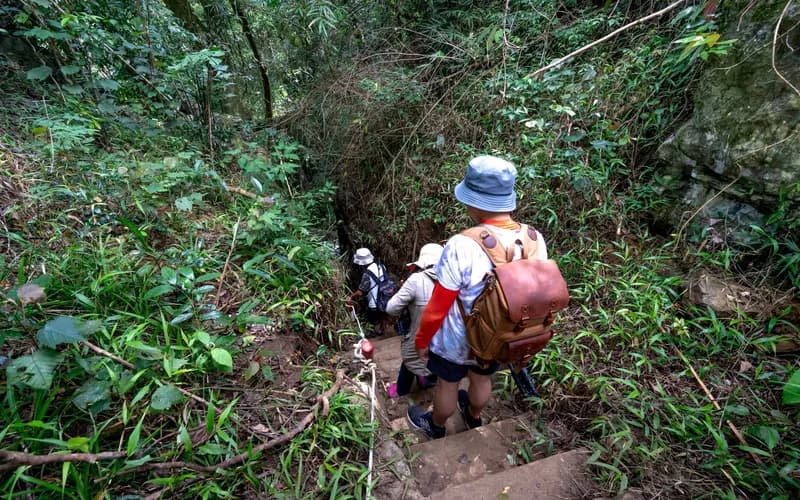
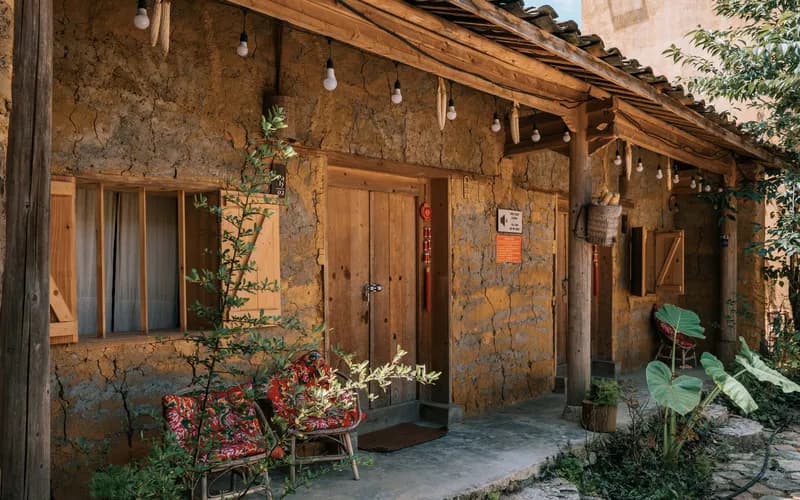
Expect simple accommodation: a mattress on the floor of a bamboo or wooden house, a mosquito net and basic shared bathrooms. Food is typically cooked by your guide or host family and can be excellent. Walking days usually range from four to seven hours at a relaxed pace, with plenty of stops.
Be wary of treks that promise too much in too little time, especially those that combine a village visit, an elephant ride, bamboo rafting and a waterfall in a single day. They are usually a sign of a mass-market circuit with little space for real encounter.
Health, Safety and What to Pack
Northern trails are not technically difficult, but they can be steep, slippery and hot. A little preparation goes a long way.
- Footwear: light hiking shoes or trail runners with good grip are ideal. Sandals are fine for river crossings but not for long days.
- Layers: a fleece or warm top for cold nights in the cool season, plus a rain jacket in the wet season.
- Water and sun: carry at least two litres of water, a hat and sunscreen.
- Insects: repellent for mosquitoes and, in the wet season, leech socks.
- Personal kit: a head torch, basic first aid, any medication you need and a small amount of cash for snacks and community purchases.
- Insurance: check that your travel insurance covers trekking at altitude and remote evacuation.
Our guide on staying healthy in Thailand covers mosquito-borne diseases, heat and access to hospitals in more detail.
Village Etiquette: Being a Good Guest
A village stay is the heart of a northern trek, and small gestures make a big difference.
- Ask before photographing people, especially children, elders and anyone in ceremonial dress. Some communities have spiritual beliefs about photography; respect a "no".
- Respect sacred spaces. Some villages have spirit gates, shrines or sacred trees. Do not touch or walk through them unless your guide says it is appropriate.
- Dress modestly, especially in villages. Avoid revealing clothing.
- Do not hand out sweets or money to children. It encourages begging and dental problems. If you want to help, contribute through your guide to a school or community fund.
- Buy crafts directly and fairly. Handmade textiles and silver are often sold in villages; buying directly supports local artisans.
- Keep noise and alcohol low. Villages wake early, and heavy drinking is disrespectful.
Be especially thoughtful about so-called "long-neck" village visits, where Kayan women who fled Myanmar are presented to visitors. Many observers regard these as exploitative, with residents' movement and livelihoods tied to tourist entry fees. If you are curious, read widely before deciding whether to go.
Elephants, Rafting and Other Add-Ons
Many trekking packages include add-ons such as elephant rides, bamboo rafting or a visit to a waterfall. Some of these are harmless fun; others are ethically problematic.
Elephant rides in particular have no place on a responsible trek. If you want to see elephants, choose an ethical sanctuary that does not offer riding, bathing shows or performances, and plan it as a separate day. Our guide on how to choose an ethical elephant sanctuary explains what to look for.
Bamboo rafting on gentle rivers can be pleasant and is often run by village cooperatives, but check that it is not simply added on to fill time. Waterfall stops are best early in the morning, before tour groups arrive.
The Slow-Trekking Mindset
The best northern treks are not about distance. They are about time: time to walk at the pace of your guide, to sit around a fire in the evening, to learn a few words of the local language and to understand how a community lives through the seasons. A three-day trek with two nights in the same village can be richer than a four-day loop through five villages.
Consider building rest days into your trek, or combining a short trek with a longer homestay. Some community-based projects offer multi-day programmes that include farming, cooking, weaving or forest walks with local experts. These are often the most rewarding for travellers who want to go deeper. Our charter for slow travel sets out the principles behind this approach, from staying longer to spending locally.
What to Do Next
- Choose your season: aim for November to February, avoid the smoke of March and April, and prepare for mud and leeches from June to October.
- Decide how far you want to go from Chiang Mai, and how many days you can dedicate to trekking.
- Shortlist operators or community-based tourism networks and ask the questions above about guides, group size and payments.
- Book national park trails with quotas, such as Doi Luang Chiang Dao, well in advance.
- Check your travel insurance for trekking and remote evacuation, and pack light but properly.
- Plan elephant visits separately, choosing sanctuaries that do not offer riding.
Frequently Asked Questions
Do I need a guide to trek in northern Thailand?
For most multi-day treks and village stays, yes. A guide provides navigation, translation and the relationships that make village visits respectful. Some national park trails, such as Kew Mae Pan on Doi Inthanon, require a local guide by rule.
Is trekking in northern Thailand safe?
Generally yes, with a reputable operator. The main risks are heat, slips on steep trails, insects and, in remote areas, distance from medical care. Choose experienced guides and make sure your insurance covers trekking.
What is the best month to trek in northern Thailand?
November to February usually offers the best conditions, with dry trails, cool nights and clear views. December and January are the most popular, so book ahead.
How much should I pay for a two-day trek?
In 2026, two-day, one-night treks from Chiang Mai commonly cost about 2,000 to 4,000 baht per person in a small group, including transport, meals and accommodation. Remote or private treks cost more.
Are hill tribe village visits ethical?
They can be, when communities control how tourism works, receive fair payment and welcome visitors as guests. Choose community-based projects, small groups and local guides, and avoid staged visits or places where people are displayed as attractions.
Can I trek in the rainy season?
Yes, but expect muddy trails, leeches and some closures. Choose a flexible operator, pack for rain and be ready to change routes if conditions become unsafe.