
For two decades, Thailand's tourism story was told in a single number: arrivals. More flights, more visitors, more record-breaking headlines each year. In 2026, that story is quietly being rewritten. Under the banner "Value is the New Volume," the Tourism Authority of Thailand is stepping back from the race for ever-higher arrival counts and reorienting around a different question — not how many people land, but how long they stay and how much they contribute. For anyone who already believes in travelling slowly and deeply, it reads less like a policy shift than a vindication.
The Numbers Behind the Shift
The change is not purely philosophical. In the first five months of 2026, Thailand welcomed around 14 million international visitors, down roughly 2.3% on the same period in 2025, with dips in established hubs like Bangkok and Phuket. Rather than chase the gap with discounting and ever-higher targets, the TAT has chosen to reassess — scaling back arrival ambitions and pivoting toward a value-driven model that prioritises spending, length of stay, and economic contribution over raw headcount.
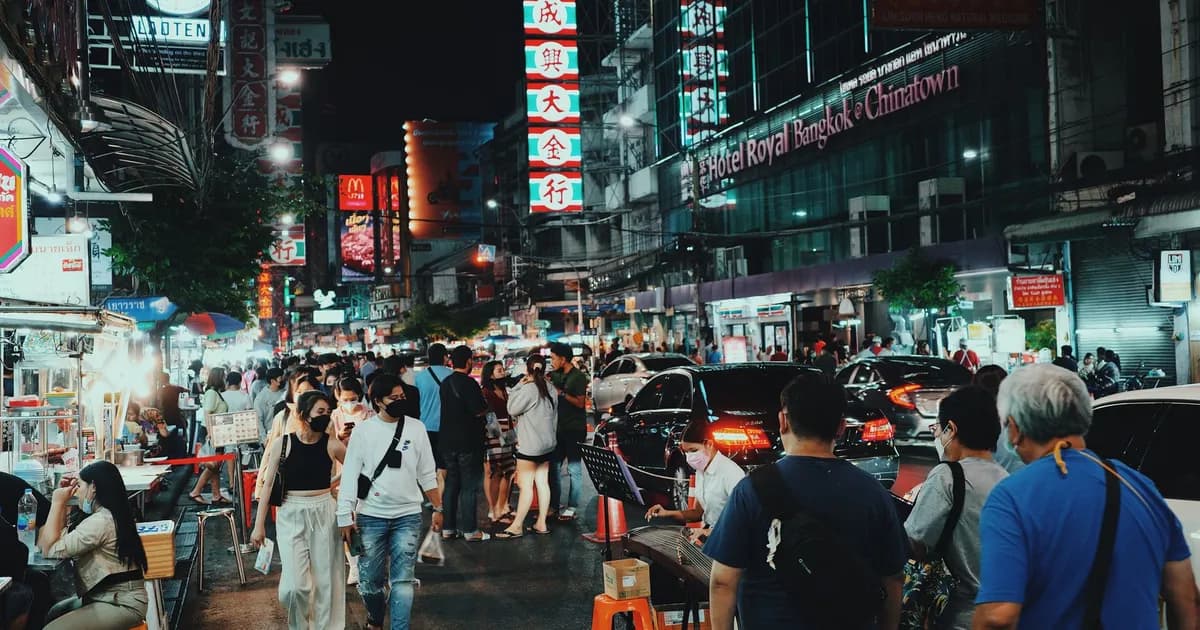
It is a notable admission for a country whose tourism sector is among the largest in Asia: that the volume game has limits, and that the costs of overtourism — strained infrastructure, degraded sites, hollowed-out communities — can outweigh the benefits of one more budget arrival.

One request. Up to five tailored proposals.
Skip contacting agencies one by one — share your trip once and let up to five trusted Thailand agencies come to you. Free, with no obligation.
Get my free quotesWhat "Value" Actually Means
The new approach has several strands, and most of them will sound familiar to slow travelers.
Longer stays over quick stops. A visitor who spends two weeks exploring several regions contributes far more — economically and culturally — than one who flies in for a long weekend on a single beach. The strategy explicitly favours depth of stay.
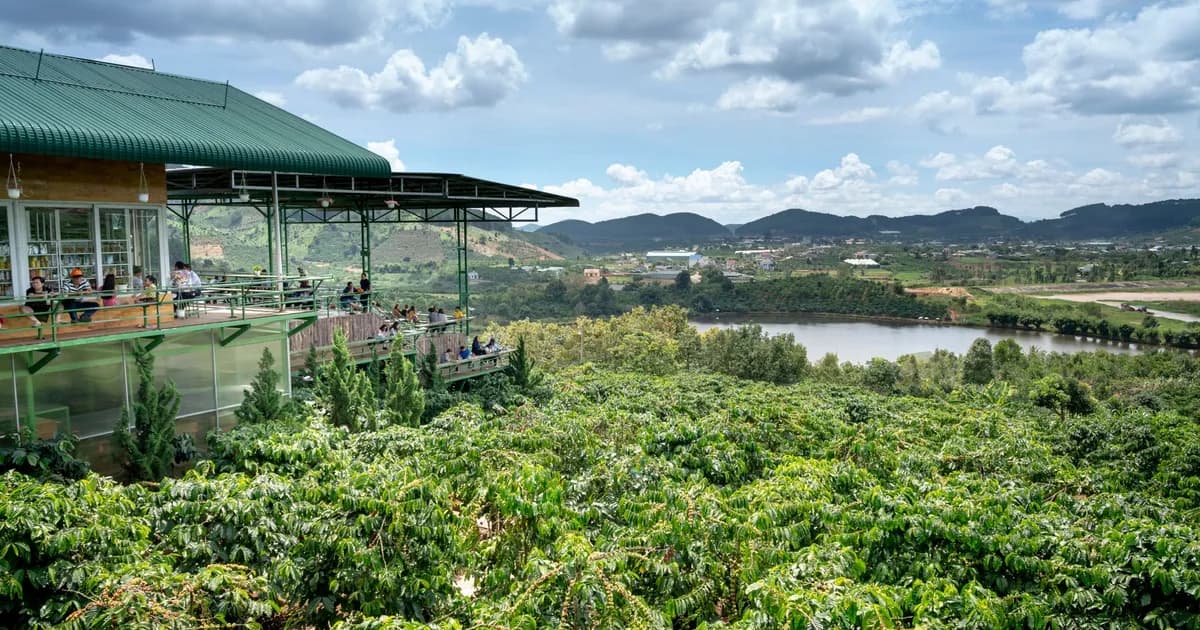
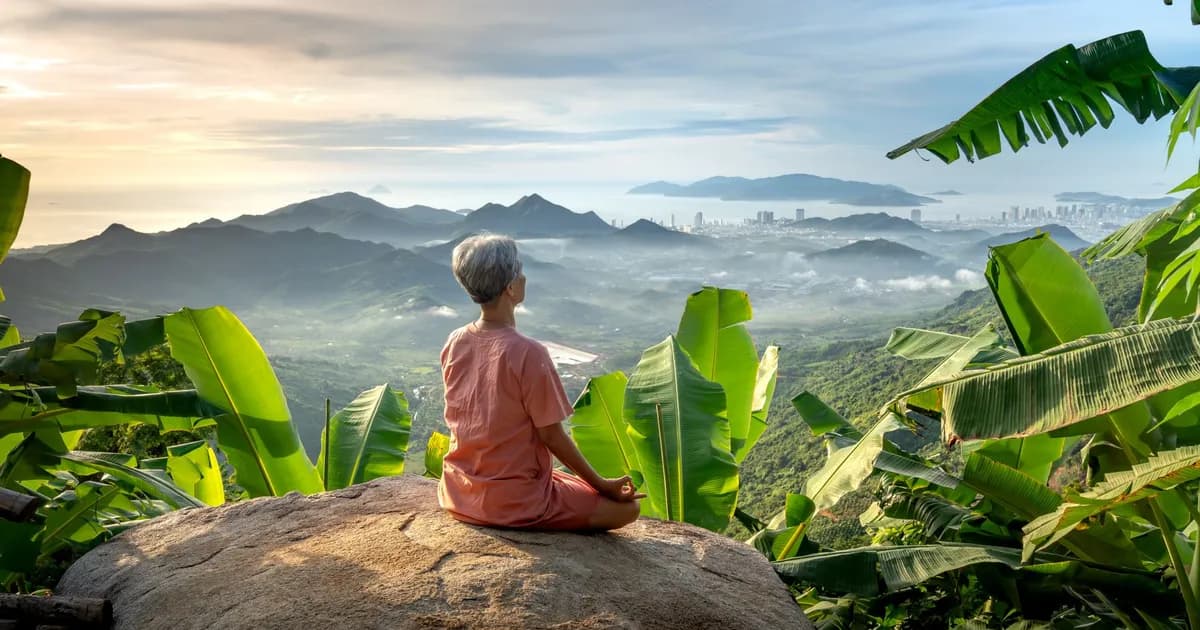
Wellness and experience over checklist tourism. Thailand is leaning hard into wellness travel, cultural immersion, and experiences with genuine substance — spa and retreat tourism, regional food, craft, and nature — rather than the conveyor-belt sightseeing that treats a country as a backdrop.
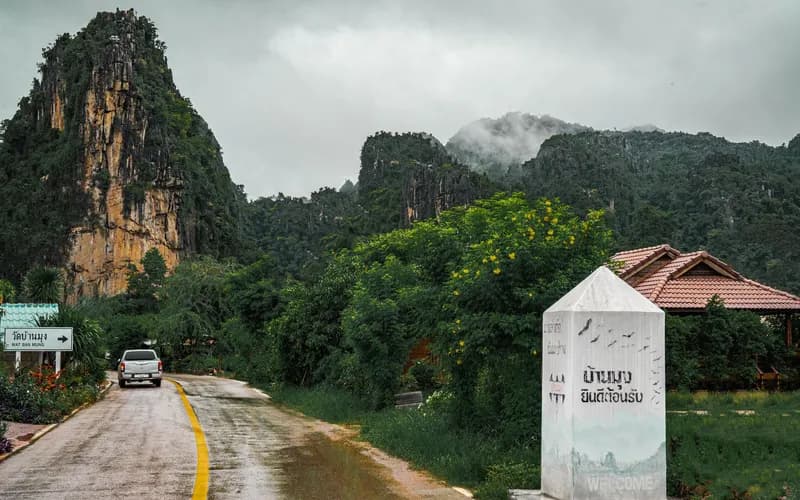
Geographic spread over concentration. By promoting "hidden gems" like Nan, Trang, and Sukhothai, the strategy aims to move visitors and their spending beyond the saturated islands and into regions that genuinely benefit from them.
Why This Aligns With Slow Travel
Strip away the official language and the strategy describes, almost exactly, the way slow travel has always argued you should move through a country: stay longer, go deeper, spread out, and value the quality of an experience over the quantity of sights. The premiumisation Thailand is pursuing is not only about luxury price tags — it is about a trip that contributes more to the place and returns more to the traveler.
This matters for how you plan. A country actively investing in longer, more regional, more experience-led travel is one where the slow approach is increasingly the well-supported one — better infrastructure in secondary regions, more genuine local experiences, and operators rewarded for substance over volume. It is the model behind our slow travel charter and the agencies in our certified network, who build itineraries around depth rather than checklists.
Get matched with up to 5 trusted Thailand agencies
- Free
- No obligation
- Up to 5 agencies
What It Means for Travelers in 2026
For the individual traveler, the takeaway is encouraging. The shift makes the richer version of a Thailand trip easier to plan and better served than ever: quieter regions are being actively developed and promoted, experience-led travel is expanding, and the country's own tourism strategy now points away from the crowded, transactional model and toward something slower and more meaningful. Choosing to stay longer in fewer places, to explore beyond the famous islands, and to spend on experiences that matter is no longer the contrarian choice — it is increasingly where Thailand itself is heading. Our guide to where to go and when and our Thailand budget guide are the practical starting points.
Frequently Asked Questions
What is Thailand's "Value is the New Volume" strategy?
It is the Tourism Authority of Thailand's 2026 shift away from maximising visitor numbers toward maximising the value each visitor brings — through longer stays, higher spending, wellness and experience-led travel, and a wider geographic spread of tourism across the country.
Why is Thailand reducing its tourism targets?
After years of pursuing record arrivals, Thailand has recognised the costs of overtourism — strained infrastructure, degraded sites, and pressured communities — and judged that a smaller number of higher-value, longer-staying visitors serves the country better than ever-higher headcounts.
Does this mean Thailand is becoming more expensive?
Not necessarily for the independent traveler. The strategy emphasises value and length of stay, not just luxury. Thailand remains excellent value, especially outside the most popular islands; the shift is more about encouraging deeper, longer, more regional travel than about raising prices.
How does this affect how I should plan my trip?
It makes the slow-travel approach easier and better-supported: quieter regions are being developed and promoted, experience-led options are growing, and travelling longer and deeper aligns with where Thailand is investing. Planning around fewer places and more time is increasingly the well-served choice.