Travelling Against the Thai Holiday Tide: Domestic Travel, Subsidies and Timing in 2026-27
Most international travellers plan a Thailand trip as if they were the only people on the move. They check the monsoon, the flight prices and the festival calendar, and then arrive at a hill town on a Saturday in December to find every room taken, every viewpoint lined with tripods and every restaurant queue stretching into the street. The crowd is not foreign. It is Thai. Domestic travellers make hundreds of millions of trips a year, and their rhythms, from long weekends to school breaks to government travel subsidies, shape the experience on the ground far more than most visitors realise.
In late 2026 that domestic tide matters more than usual. International arrivals have run behind last year, the government has been debating a large new domestic travel subsidy, and a string of long weekends sits right across the start of high season. For slow travellers, understanding when Thais travel, and where they go, is one of the simplest ways to find quiet without leaving the places you actually want to see.
The Crowd You Did Not Plan For
Thailand's tourism debate usually focuses on foreign arrivals. In 2026 those numbers have been soft: by mid-September, the country had recorded a little over 22 million international arrivals for the year, down by around 3.7 percent on the same point in 2025, while the Tourism Authority of Thailand was pushing a late-year campaign to reach its target of around 33 million.
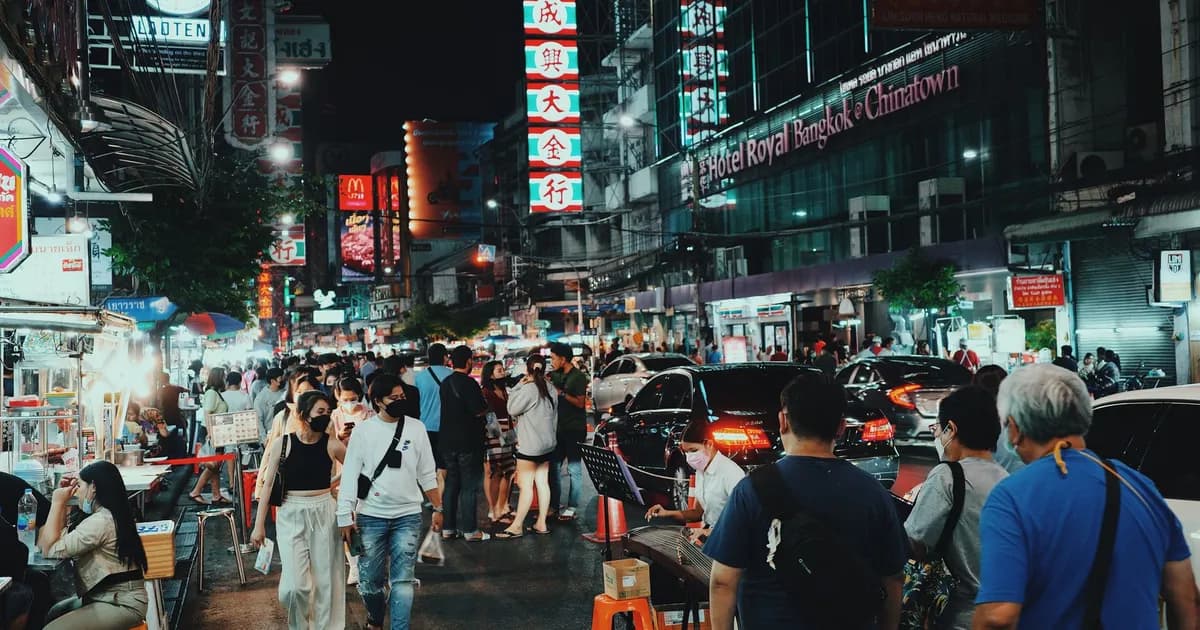
Behind that headline, a second market carries on regardless. Thai residents travel in enormous numbers, and they do so in a pattern that is very different from international visitors. They travel in short bursts, mostly by car, mostly within a few hours of home, and overwhelmingly at weekends and on public holidays. A place that feels half-empty on a Tuesday can be completely full by Friday night.
This is the single most important thing for a slow traveller to understand. Foreign crowds spread across the week; domestic crowds pile into specific days. If you can move your own calendar by a day or two, you can often have a popular destination nearly to yourself.
One request. Up to five tailored proposals.
Skip contacting agencies one by one — share your trip once and let up to five trusted Thailand agencies come to you. Free, with no obligation.
Get my free quotesThe Subsidy That Keeps Moving
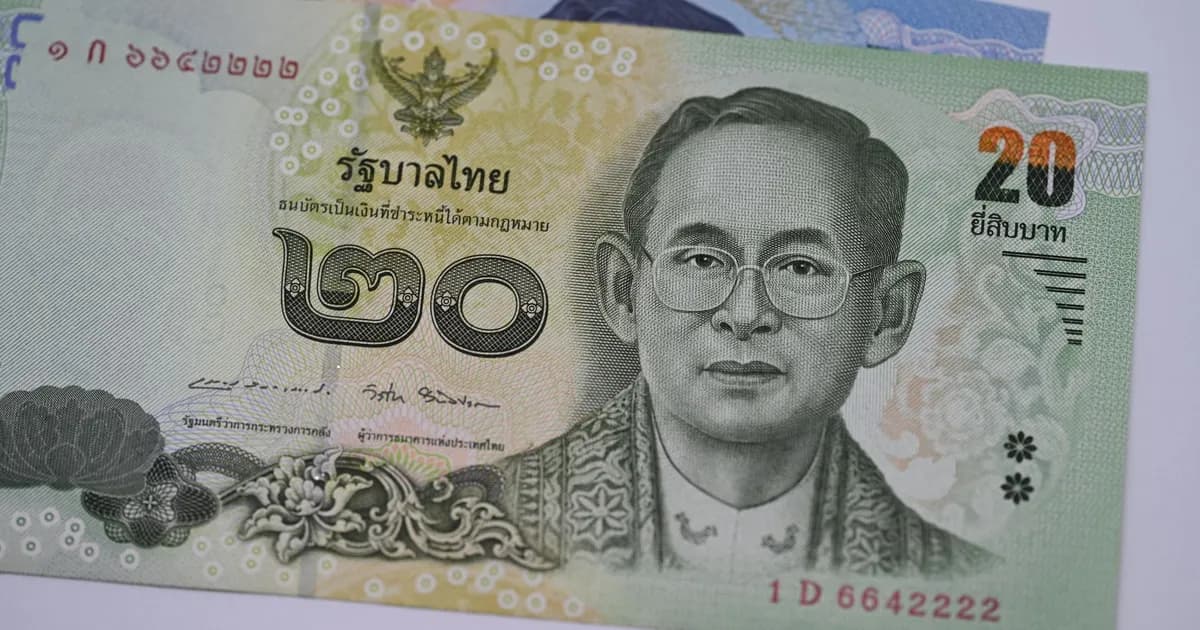
Thailand has a long history of using domestic travel subsidies to support tourism during slow periods, most famously the "We Travel Together" co-payment scheme of the early 2020s. In 2026, the government has been working on a successor called Thai Tiew Thai Plus.
The scheme's shape has shifted repeatedly over the summer. In August it was presented as a 1.75-billion-baht programme offering 500,000 entitlements, with the state paying half of accommodation costs up to a cap and registration proposed for 1 October through the Paotang app. Within weeks, the tourism and finance ministries backed a proposal to double it to one million entitlements. Then, on 16 September, Tourism and Sports Minister Surasak Phancharoenworakul said the programme, by then budgeted at around 4 billion baht, was likely to be postponed until around April 2027.
The reasoning is telling. Ministers concluded that injecting subsidies into the high season, when hotels are already full and travellers have already made plans, would generate little extra activity. Moving it to the low season, around the long Thai school holidays, would stretch the money further. The proposed benefits, including support of 1,500 baht per night for up to five nights and daily digital co-payment coupons worth more in secondary cities than in major ones, were described as unchanged, but the dates still need consultation with the private sector and Cabinet approval.
For international travellers, the scheme is not something you can use; it is for Thai nationals. But it matters because it competes for the same rooms, boats and day tours. If it does launch around April 2027, expect domestic demand to be nudged upwards in the hot, dry months, particularly in secondary provinces where the per-day coupons are more generous. Meanwhile, a separate general consumer co-payment scheme has been extended into late 2026, supporting everyday spending rather than travel specifically.
Long Weekends That Shape the Calendar
If subsidies are the unpredictable part of the domestic tide, public holidays are the predictable part. Thailand has a generous calendar, and when a holiday falls next to a weekend, Bangkok empties onto the highways. The final quarter of 2026 is full of them:
- Tuesday 13 October: King Bhumibol Memorial Day. A mid-week holiday that often tempts people to bridge the Monday.
- Friday 23 October: Chulalongkorn Day, creating a three-day weekend.
- Saturday 5 December: King Bhumibol's birthday and Father's Day, with a substitute holiday expected on Monday 7 December.
- Thursday 10 December: Constitution Day, another potential bridge to a four-day break.
- Thursday 31 December and Friday 1 January: New Year, the single busiest domestic travel period of the cool season.
Looking further ahead, Songkran, the Thai New Year, runs from Tuesday 13 to Thursday 15 April 2027, and will almost certainly be stretched into a long break by many workers. The government also has a habit of announcing extra "special holidays" at short notice to stimulate spending, so check again a few weeks before you travel.
On all of these dates, popular domestic destinations fill quickly, prices at small hotels rise and road journeys out of Bangkok can take twice as long as usual. Our analysis of Thailand's 2026 room-rate reset explains why softer international demand has not translated into cheap rooms on these dates.
Get matched with up to 5 trusted Thailand agencies
- Free
- No obligation
- Up to 5 agencies
Where Thais Go, and When
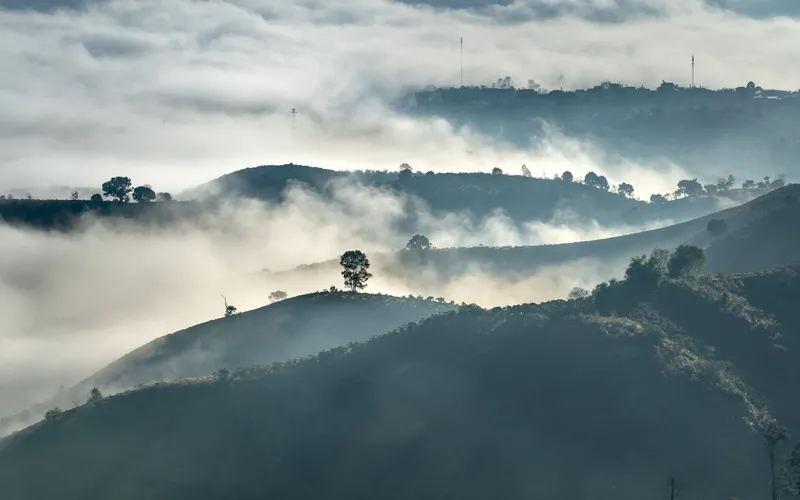
Domestic favourites are not the same as international favourites, which is precisely why the overlap can catch visitors off guard. In the cool season, from November to February, the pull is towards cold air and misty mornings. Mountain national parks in the north, hill towns with walking streets and cafes, flower fields and sunrise viewpoints all draw huge weekend crowds.
- Northern mountains: sunrise viewpoints and national parks near Chiang Mai and Chiang Rai are packed around New Year, when Thais come to experience near-freezing dawns.
- Mekong and Loei towns: Chiang Khan's riverside walking street, which we explore in our piece on Chiang Khan and Loei, is a domestic icon; on weekday mornings it is serene, on cool-season Saturday nights it is shoulder to shoulder.
- Bangkok's weekend radius: Hua Hin, Kanchanaburi, Khao Yai and the nearer islands of the eastern seaboard absorb much of the capital's Friday-night exodus.
- Cafe and nature towns: places like Pai and the mountain villages around Chiang Mai have become social-media magnets for younger Thai travellers.
International visitors, by contrast, cluster in Bangkok, Chiang Mai's old city, Phuket, Krabi, Koh Samui and the Gulf islands, where daily life is steadier through the week. The practical lesson: when you visit a place Thais love, go midweek; when you must travel at a weekend or on a long holiday, head for places that are international-leaning or simply less fashionable at home.
Weather, Floods and Fragile Plans
Late 2026 has also shown how quickly the domestic calendar can be disrupted by weather. At the end of September, heavy rain brought flooding to parts of Bangkok and the east, suspended some rail services and forced Khao Yai National Park, one of the most visited parks by Thai weekenders, to close indefinitely after floodwater destroyed the bridge to the Haew Narok waterfall viewpoint.
For travellers, this has two consequences. First, when a major domestic destination closes, weekend demand spills into neighbouring areas, making nearby towns busier than you might expect. Second, the end of the rainy season can be unpredictable, and planning some flexibility into October trips is wise. Our guide to Thailand's national park fees, bookings and closures explains how to check official status before you go.
The Golden Week Overlay
Domestic travel is not the only surge in the autumn calendar. China's National Day holiday, known as Golden Week, runs from 1 to 7 October, and in 2026 Thai officials expected around 250,000 Chinese visitors over the period. Their preferences overlap more with international hotspots such as Bangkok, Pattaya, Chiang Mai and Phuket than with the Thai weekend circuit.
Put together, the first half of October in 2026 combines Golden Week, the tail of the rainy season, the Thai school break between terms and the approach of the King Bhumibol holiday. It is not a bad time to travel, but it is not the empty shoulder season that many guides describe either.
How Slow Travellers Can Work With the Tide
None of this means avoiding Thailand's most-loved places. It means timing them well. A few principles make a real difference:
- Invert the week. Plan your visits to domestic favourites from Monday to Thursday, and use weekends for travel days, city stays or less fashionable places.
- Stay longer in fewer places. The longer you stay, the more weekends become local events you observe rather than obstacles you compete with. A Saturday night market in Chiang Khan is magical when you are staying five nights and can see it once, and quiet streets the other four days.
- Book early for long weekends. For 23 October, 5 to 7 December, 10 December and New Year, reserve accommodation in popular areas early, particularly small family-run places with few rooms.
- Follow secondary cities. Provinces that the government is actively promoting, and that attract fewer Bangkok weekenders, offer a steadier experience.
- Watch the subsidy news. If Thai Tiew Thai Plus is confirmed for spring 2027, factor it into plans for March to May.
Our guide to Thailand off the beaten path suggests regions where both foreign and domestic crowds remain thin.
What It Means for Value
Domestic demand has a direct effect on prices. Small hotels and guesthouses in domestic hotspots typically charge noticeably more on Friday and Saturday nights and on public holidays, sometimes with minimum stays. The same room may cost far less on a Tuesday. For long-stay travellers, negotiating a weekly rate that covers weekends is often the best approach.
There is also a quieter upside. When Thai visitors flood a place at the weekend, local businesses thrive, markets are lively and the atmosphere is genuinely festive. Experiencing a Thai long weekend as a guest rather than as a competitor for rooms can be one of the warmest parts of a trip. The trick is to be settled in place before the rush arrives, rather than trying to arrive with it.
The Bigger Picture
Thailand's tourism strategy for 2026 and beyond increasingly balances two markets: international visitors who spend more per trip, and domestic travellers who provide stability and spread spending across the provinces. Subsidy schemes, special holidays and campaigns to promote secondary cities all push domestic travellers into new places. For slow travellers, that means the quiet corners of today can become next year's weekend hotspots.
The best defence is not to chase undiscovered places but to travel with awareness: knowing the calendar, reading local news, and choosing to be somewhere at the right moment. That is, in the end, what slow travel is about. If you would prefer to work with a specialist who tracks these rhythms, our list of trusted travel agencies in Thailand includes local operators who plan around them every season.
What to Do Next
- Put Thai public holidays for your travel window into your calendar, including 13 and 23 October, 5 to 7 December, 10 December and New Year.
- Mark domestic favourites on your route and plan to visit them from Monday to Thursday.
- Book accommodation early for long weekends, especially in the northern hills and Loei in the cool season.
- Check for special holidays announced by the Thai Cabinet a few weeks before you travel.
- Follow news on the Thai Tiew Thai Plus scheme if you plan to travel between March and May 2027.
- Build flexibility into October plans while the rainy season winds down, and check park status before visiting.
Frequently Asked Questions
Can foreign tourists use Thai Tiew Thai Plus?
No. The scheme is designed for Thai nationals and is accessed through a Thai government app. Its relevance for international travellers is indirect: it can increase demand for accommodation and tours in the period when it runs.
When will Thai Tiew Thai Plus start?
As of mid-September 2026, the tourism minister said it was likely to be postponed to around April 2027, but final dates still required consultation and Cabinet approval. Check the latest news before relying on any date.
Which Thai public holidays affect travel most in late 2026?
Chulalongkorn Day on Friday 23 October, the King Bhumibol birthday weekend of 5 to 7 December, Constitution Day on 10 December and New Year are the key dates when domestic travel peaks.
Is October a quiet time to visit Thailand?
Only partly. Early October combines China's Golden Week, the Thai school break and the end of the rainy season. It is less busy than peak season but not empty, and weather can still disrupt plans.
Where should I avoid on Thai long weekends?
Popular domestic destinations within driving distance of Bangkok and the cool-season hill towns of the north and Loei are busiest. Consider staying in cities or international-leaning destinations on those dates, or be settled in place before the rush.
Do prices really change at weekends in Thailand?
Yes, in domestic hotspots. Small hotels often charge more on Friday and Saturday nights and during holidays. Weekly rates that include weekends are usually better value for longer stays.