
The Perfume River catches the light differently at six in the morning — pale, almost silver, the surface barely moving. On the embankment below Trường Tiền Bridge, a woman arranges bánh bèo in shallow ceramic cups, each one no wider than a palm. She works without hurry. The city is still cool. This is how Hue begins its day: quietly, precisely, with food that asks you to pay attention.
Hue is routinely reduced to a single day on central Vietnam itineraries — the Citadel in the morning, a tomb in the afternoon, a bus south by evening. That itinerary is not wrong, exactly. It simply misses the point. The city's monuments are extraordinary, but they are only one layer of a place that spent 143 years as the seat of the Nguyen Dynasty. The other layer is on the table. Hue's cuisine is not a footnote to its history. It is part of the same story — refined, deliberate, and built to communicate something about power, ceremony, and taste. For the traveler willing to slow down, it rewards that attention generously.
A Kitchen Shaped by the Imperial Court
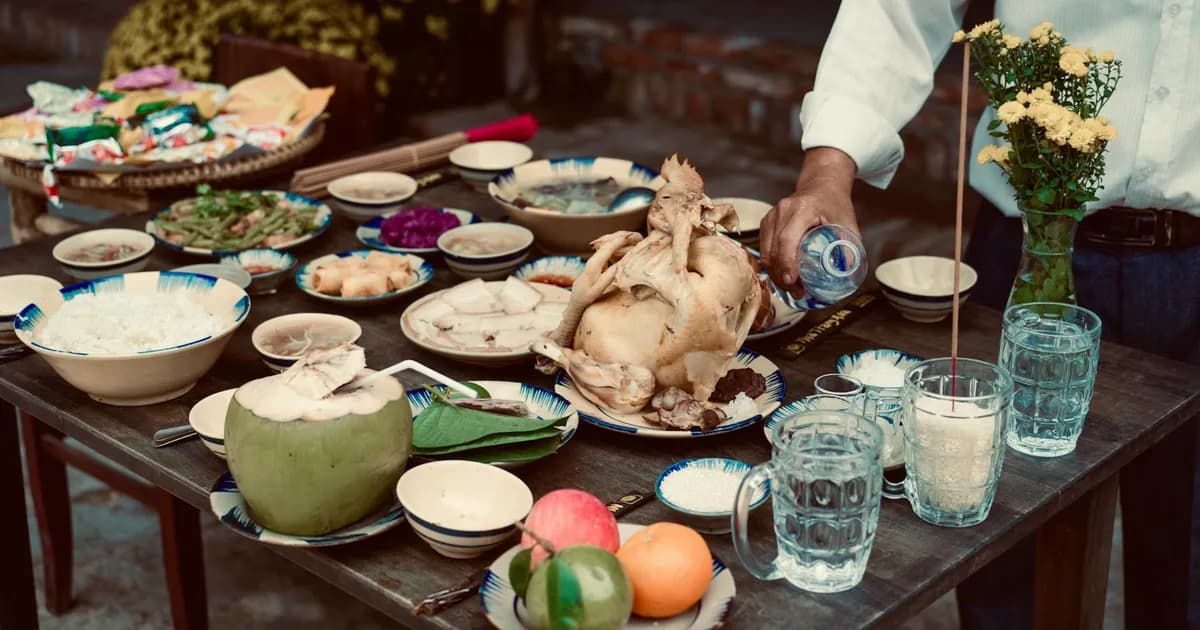
The Nguyen Dynasty ruled from Hue between 1802 and 1945, and the city's culinary identity was formed under that patronage. Court cooking was not simply about feeding the emperor. It was a form of ceremony — a demonstration of refinement, regional mastery, and aesthetic control. Specialized chefs prepared dishes in small portions, arranged with care, balanced across flavors and textures. The goal was not abundance. It was precision.
That sensibility persists. Where Hanoi's food culture tends toward the direct — a bowl of phở, a plate of bún chả, eaten fast at a low plastic stool — and Saigon's toward the generous and layered, Hue occupies a different register entirely. Portions are smaller. Presentation carries more weight. A single meal might move through a dozen small dishes, each one distinct, none of them overwhelming the next. Vietnam Tourism describes the city's culinary tradition as "royal cuisine" and notes that the phrase "a meal fit for a king" applies here quite literally.
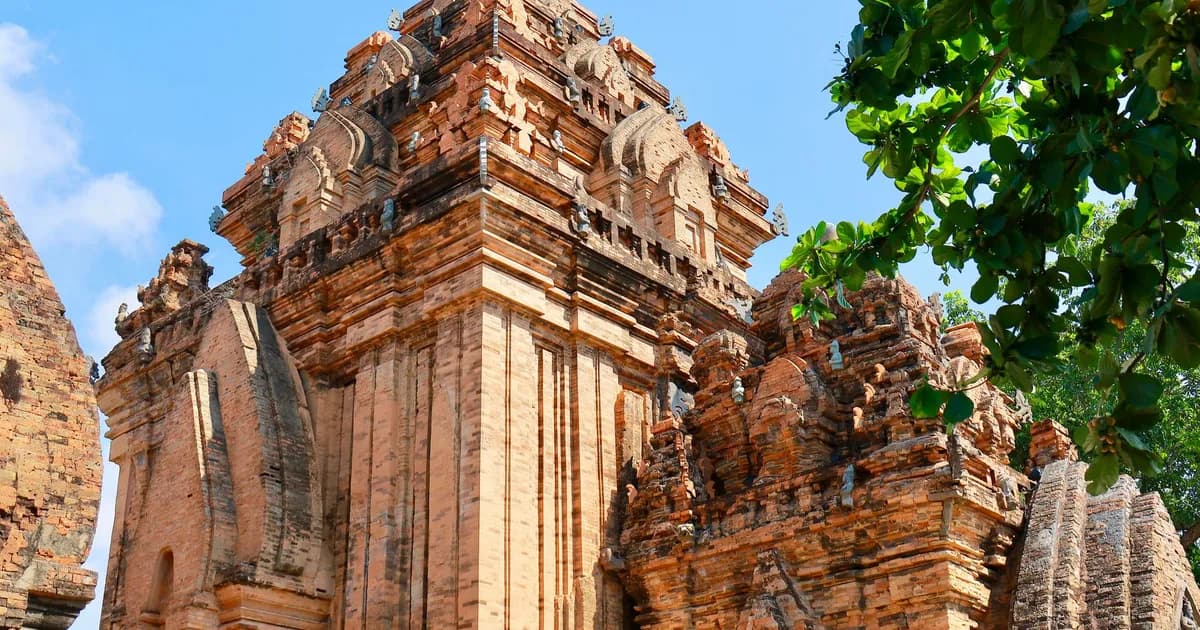
The Complex of Huế Monuments, designated a UNESCO World Heritage Site in 1993, draws most visitors to the city's imperial past. But the cuisine is a parallel archive — edible, living, and still evolving in the hands of cooks who learned from their grandmothers rather than from guidebooks.
One request. Up to five tailored proposals.
Skip contacting agencies one by one — share your trip once and let up to five trusted Vietnam agencies come to you. Free, with no obligation.
Get my free quotesThe Dishes That Define the City
Any serious engagement with Hue's food begins with bún bò Huế. The broth is built over hours from lemongrass, shrimp paste, and pork bones, arriving at a depth that is simultaneously funky, aromatic, and clean. It is not the same dish as phở, though both are noodle soups. Bún bò Huế is more assertive, more complex, and — in the hands of a good cook — more interesting. Eat it early, at a street-side stall, before the heat of the day arrives.
Beyond the noodle bowl, Hue's street food is built around rice-based small plates. Bánh bèo — steamed rice cakes topped with dried shrimp and crispy pork skin — are eaten in sets of six or eight, each one a single bite. Bánh nậm are flat rice dumplings wrapped in banana leaf, their filling spare and delicate. Bánh khoái, a smaller, crispier cousin of the southern bánh xèo, arrives sizzling and is eaten wrapped in mustard leaf with a thick fermented soybean dipping sauce. These are not dishes that announce themselves. They reward the eater who arrives without expectations.
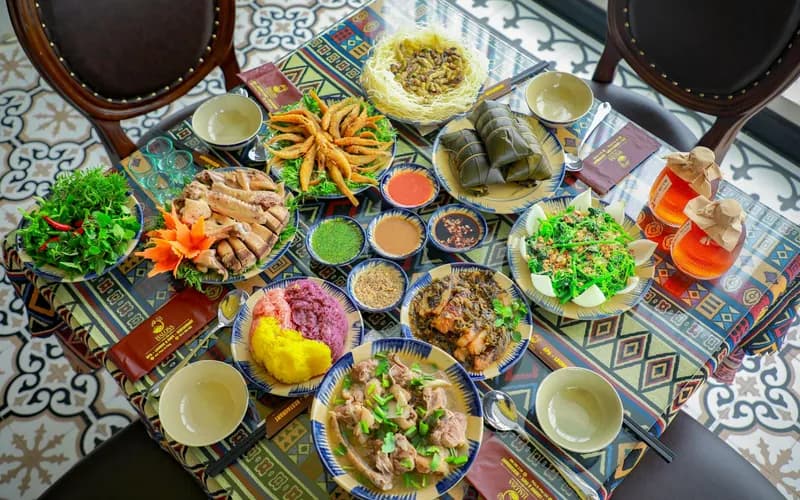
The royal banquet tradition translates, in contemporary Hue, into multi-course tasting menus at a handful of restaurants that have made imperial dining their explicit focus. A typical format runs to nine or more courses, moving through soups, rice cakes, grilled meats, and sweet finishes in a sequence that mirrors the ceremonial logic of court dining. The experience is partly curated for visitors, but it is grounded in genuine historical practice — and it is unlike anything else in Vietnamese food culture.
Where to Eat: Street Stalls to Imperial Tables
Hue's food geography is compact enough to navigate on foot or by bicycle. The Dong Ba Market, on the north bank of the Perfume River, is the city's most useful orientation point for street food. The ground floor is produce and dry goods; the upper level holds a dense cluster of stalls serving bún bò Huế, bánh bèo, and cháo — rice porridge — from early morning. Arrive before nine.
For imperial-style dining, Tịnh Gia Viên is among the most consistently recommended venues in traveler discussions. The restaurant occupies a traditional garden house and presents royal cuisine in a setting that reinforces the historical context. Reservations are advisable; the space is not large, and demand from both local and international diners is real. Hours run from late morning through the evening, but confirm directly before visiting — hours and availability shift with the seasons.
A number of smaller restaurants and family-run operations offer royal-cuisine menus at more accessible price points. The quality varies, and the experience is less theatrical, but the food is often more honest. Ask your guesthouse for current recommendations rather than relying on lists that may be two years out of date.
Get matched with up to 5 trusted Vietnam agencies
- Free
- No obligation
- Up to 5 agencies
How to Build a Hue Food Itinerary
The mistake most visitors make is treating Hue's food as a single meal to be checked off. The city's culinary depth only becomes apparent across multiple days and multiple registers — a market breakfast, a midday bowl of bún bò, an afternoon of bánh bèo at a street stall, and an evening imperial tasting menu. These are not competing experiences. They are the same culture at different levels of formality.
Three nights is a reasonable minimum for a food-focused stay. Two full days allow time for the Citadel and the royal tombs without sacrificing the slower rhythms of market mornings and long lunches. A cooking class — several operators run half-day sessions that include a market visit — adds interpretive depth without consuming much time. The best ones focus on technique rather than performance: how to build a lemongrass broth, how to fold a bánh nậm, why the balance of shrimp paste matters.
Street food and court food are not in tension here. They are two expressions of the same culinary intelligence — one shaped by ceremony, one by daily life. Understanding both is what makes Hue worth the time.
Frequently Asked Questions
Can Hue really justify more than one day?
For most travelers, one day is enough to see the Citadel and one royal tomb. It is not enough to understand the city. Hue's value lies in accumulation — the layering of heritage sightseeing, market mornings, and deliberate meals. Three nights is a more honest minimum for anyone who wants to leave with a real sense of the place.
Is imperial cuisine a tourist gimmick or the real thing?
It is both, and that is not a contradiction. The multi-course royal dining experiences offered at Hue's better restaurants are curated for contemporary visitors, but they draw on genuine court traditions developed over more than a century of Nguyen Dynasty patronage. The food is historically grounded. The staging is modern. Approach it as an interpretive experience rather than a museum recreation, and it holds up well.
When is the best time to visit Hue?
October and November bring heavy rain — Hue sits in a rain shadow that makes it significantly wetter than Da Nang or Hoi An during the central Vietnam wet season. February through April offers the most reliable weather: warm, dry, and less crowded than the summer peak. The Hue Festival, held in even-numbered years, draws large crowds and adds cultural programming but also raises accommodation prices and reduces availability.
How do I get to Hue from Hanoi or Ho Chi Minh City?
Hue's Phu Bai Airport receives direct flights from both Hanoi and Ho Chi Minh City, with journey times of roughly one hour from either city. The Reunification Express train is a slower but more scenic option, particularly on the Hanoi–Hue leg, which passes through the mountains north of Da Nang on the Hai Van Pass route. The train takes between twelve and fourteen hours from Hanoi; book a soft sleeper berth for overnight journeys.
What should I expect to pay for an imperial dining experience?
Prices shift with the season and the venue, and no reliable current figures were available at the time of writing. Confirm directly with restaurants before visiting — a concierge at your hotel can usually make a call and get current menu prices within minutes. As a general orientation, imperial tasting menus at established venues tend to sit at a meaningful premium above standard restaurant dining in Vietnam, though they remain modest by international fine-dining standards.
Are there common mistakes first-time visitors make?
The most common is arriving without a reservation at well-known imperial-cuisine restaurants, particularly during peak season. A second is spending the entire food budget on one formal meal and missing the street-food culture that gives the formal dining its context. Eat both. The bánh bèo at a market stall and the nine-course royal menu are not in competition — they are the same city, seen from different angles.