Angkor's 2026 Visitor Rules: Dress Code, Drones and Restricted Areas
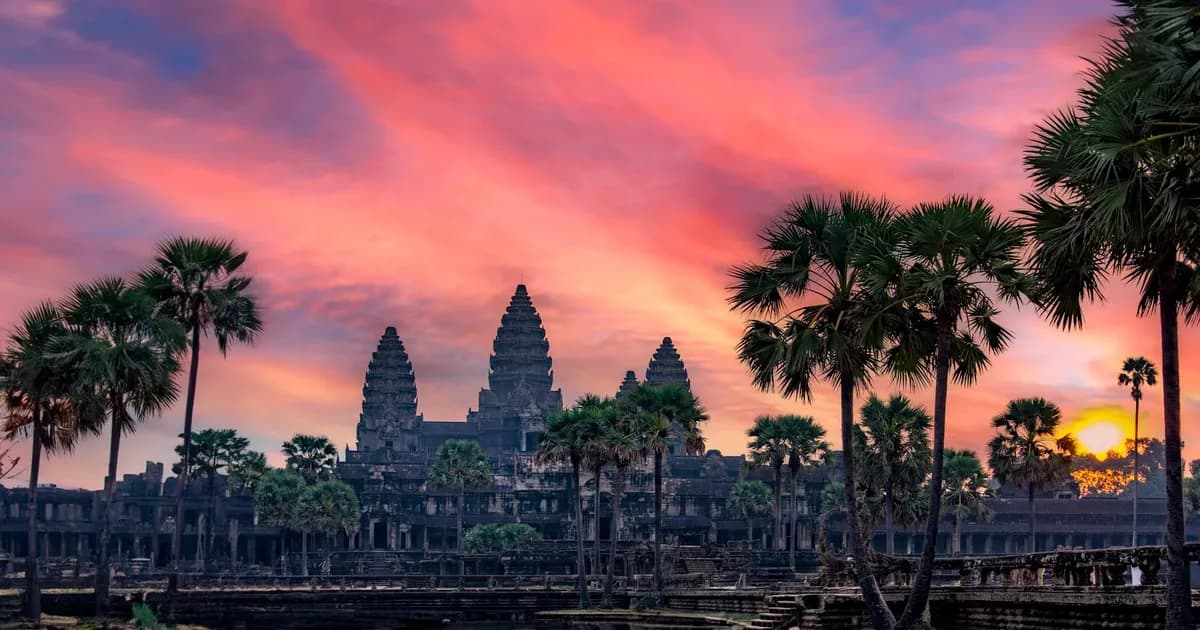
Angkor is not just Cambodia's greatest monument; it is a living religious site and a fragile, thousand-year-old work of art, and the authority that manages it has been steadily tightening the rules that govern how visitors behave. In 2026 several of those rules are being enforced more firmly than before, and one is genuinely new. None of them is onerous, and all of them are easy to comply with once you know them, but arriving unaware can mean being turned away from the very sights you came for. This is a practical rundown of what has changed and how to prepare.
The common thread is respect: for the sanctity of a site where people still worship, and for the delicate sandstone that centuries of visitors can wear away. Understanding the rules in that light makes them feel less like restrictions and more like the basic courtesies of a guest.
The dress code, and why it is enforced
The most important rule for the average visitor is the dress code, and it is enforced at the entrances to the inner galleries. The requirement is simple: shoulders and knees must be covered. Tank tops, sleeveless shirts, short shorts, mini skirts and other revealing clothing will see you barred from significant sections of the complex, including the famous upper level of Angkor Wat with its central towers, which is an active place of worship.
This is not a suggestion or a cultural nicety that officials quietly overlook; it is checked, and travellers in the wrong clothing are refused entry to the restricted areas every day. If you are caught out, sarongs are usually available near the entrances for a small cost, but it is far easier to dress appropriately from the start. Lightweight trousers or a long skirt and a T-shirt or shirt that covers the shoulders will keep you comfortable in the heat and compliant everywhere. Our guide to Angkor temple etiquette and the multi-day pass covers the conventions in full.
One request. Up to five tailored proposals.
Skip contacting agencies one by one — share your trip once and let up to five trusted Cambodia agencies come to you. Free, with no obligation.
Get my free quotesThe new rule on inauthentic Khmer costumes
The genuinely new development in 2026 concerns fancy dress. From the middle of July 2026, the authorities began enforcing a rule barring visitors who wear traditional-style costumes that do not accurately reflect genuine Khmer heritage from entering the Angkor Archaeological Park. The measure is aimed at the trend of visitors hiring elaborate, often historically inaccurate "Apsara" or royal-style outfits for photo shoots among the temples, which the authorities regard as disrespectful to Cambodian culture and heritage.
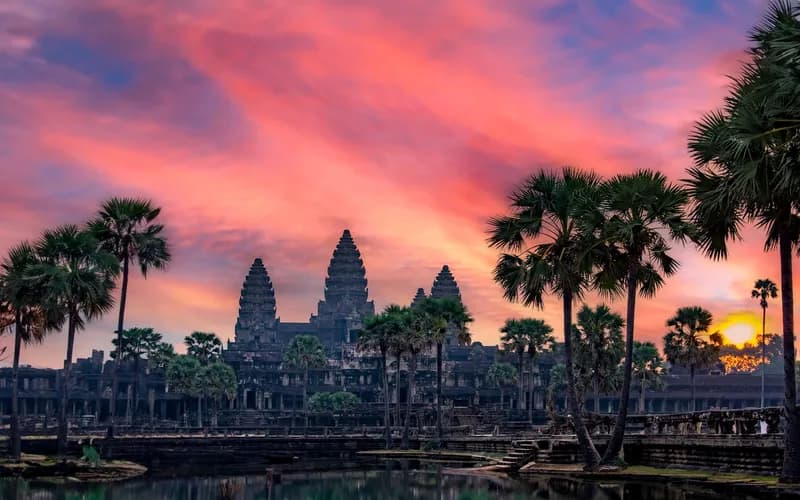
For the ordinary traveller this rule is unlikely to cause any difficulty, since it targets costume rental rather than normal clothing. But if you had imagined a dramatic dress-up photo session at Angkor Wat, be aware that inauthentic traditional costumes can now bar you from the park entirely. If you wish to be photographed in genuine Khmer attire, do so with proper guidance and respect for authenticity, and check the current rules first. The safest approach is simply to dress modestly and respectfully in ordinary clothes.
Drones: effectively off-limits
Anyone hoping to capture Angkor from the air should abandon the idea unless they have arranged permits well in advance. Drone use within the Angkor Archaeological Park is strictly prohibited without written permission obtained ahead of time, and that permission is neither cheap nor quick: official permits from the managing authority run into hundreds or even over a thousand US dollars, and additional air-traffic clearance is required because of the proximity of Siem Reap's airspace.
In practice, this means that for all but professional productions, flying a drone at Angkor is simply not an option. Turning up with a drone and no permit will at best see it grounded and at worst confiscated, and attempting to fly one discreetly is both illegal and disrespectful at a sacred site. Leave the drone at home, or in your bag, and rely on a camera at ground level; the temples are more than photogenic enough without an aerial view.
Get matched with up to 5 trusted Cambodia agencies
- Free
- No obligation
- Up to 5 agencies
Restricted areas and the fragile stone
Some restrictions exist to protect the monuments themselves. Touching the bas-relief carvings, the intricate stone reliefs that are among Angkor's greatest treasures, is prohibited, because the oils from human skin accelerate the weathering of the soft sandstone. It is a small discipline that makes a real difference when multiplied across millions of visitors, and it is worth being conscious of every time you are tempted to run a hand along a carved wall.
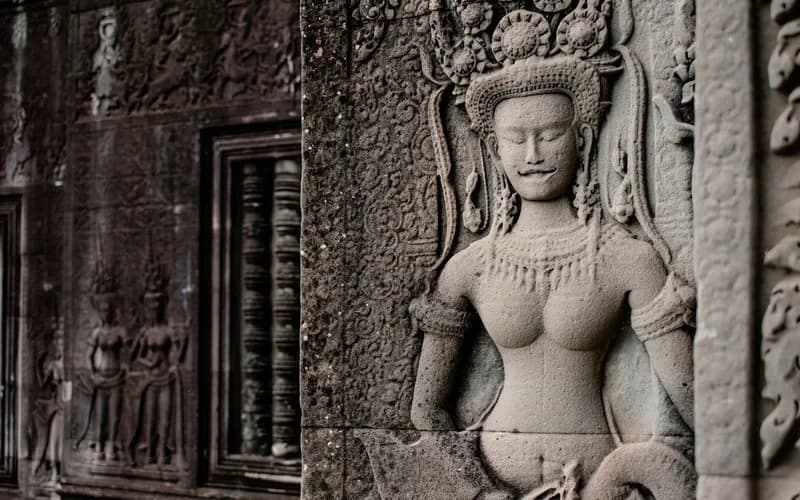
Beyond this, certain areas are periodically closed or access-limited for conservation or safety reasons, and the upper levels of some structures, including at times parts of Angkor Wat, may be restricted or subject to queues and time slots. Follow the signage and the guidance of attendants, who are there to protect both you and the stone. Planning a multi-day, unhurried visit, as our guide to planning your days at Angkor suggests, makes it far easier to work around any closures without feeling cheated.
Photography, food and conduct inside the temples
A few further rules govern conduct inside the temples. Photography is generally welcome across the park, but in certain shrine chambers, marked with signs, it is restricted to protect sacred spaces and fragile artwork, and flash may be prohibited; follow the attendants' guidance where indicated. Remember that many parts of Angkor are active places of worship, and behave accordingly around monks, offerings and shrines.
Eating is not permitted inside the temple galleries, though carrying water is generally fine and, in the heat, essential. Keep your voice down in sacred areas, do not climb on structures where it is not permitted, and treat the whole complex as what it is: a functioning religious and cultural site of the highest importance, not merely a backdrop. These are the ordinary courtesies of a respectful visitor, and they cost nothing.
Planning around the rules
None of these rules should deter you, and taken together they are easily managed with a little forethought. Pack modest, shoulder- and knee-covering clothing that is also cool enough for the climate, leave any drone at home, and go prepared to treat Angkor as the sacred site it is. Building in enough time, ideally a multi-day pass rather than a single rushed day, gives you the flexibility to accommodate any closures or busy periods without stress.
If you are sorting out the practicalities of your visit, from the pass to entry logistics, our roundup of Cambodia's 2026 entry update, including Angkor pass prices covers the essentials, and a specialist on our Cambodia plan-your-journey page can help you plan a visit that is both smooth and respectful. Come prepared, and the rules fade into the background, leaving you free to experience one of the wonders of the world as it deserves to be experienced.
Why the rules keep getting stricter
It helps to understand the direction of travel, because Angkor's rules have tightened steadily and are likely to keep doing so. The managing authority faces a difficult balancing act: Angkor is Cambodia's single most important source of tourism revenue, yet it is also a fragile complex of stone that cannot withstand unlimited wear, and a sacred site whose dignity matters deeply to Cambodians. As visitor numbers recover, the pressure to protect the monuments and the sanctity of the place grows with them.
The result is a pattern of incremental tightening: dress codes enforced more strictly, new limits on behaviour that had come to be seen as disrespectful, and firmer protection of the stone itself. The 2026 costume rule is a good example, a response to a specific trend, hiring theatrical outfits for photo shoots, that had grown troubling enough to warrant action. It is reasonable to expect further adjustments in the years ahead as the authority responds to new pressures.
For the traveller, the practical lesson is simply to check the current rules close to your visit rather than relying on older accounts, and to arrive with a disposition to comply generously rather than to test the limits. Angkor rewards the respectful visitor richly, and the small disciplines it now asks, modest dress, no drone, hands off the carvings, are a very light price for access to one of humanity's greatest achievements. Treat the rules as part of the privilege of being there, and they will scarcely register. That perspective, more than any packing list, is what makes a visit go smoothly.
What to Do Next
- Pack clothing that covers shoulders and knees; it is required for the inner galleries and the upper level of Angkor Wat.
- Avoid hiring elaborate or inauthentic traditional costumes, which can now bar you from the park.
- Leave any drone behind unless you have arranged the expensive official permits well in advance.
- Never touch the bas-relief carvings, and follow signs on photography and restricted areas.
- Buy a multi-day pass and plan an unhurried visit so closures and crowds are easy to work around.
Frequently Asked Questions
What is the dress code at Angkor?
Shoulders and knees must be covered, and it is enforced at the inner galleries and the upper level of Angkor Wat. Tank tops, short shorts and revealing clothing will see you refused entry to restricted areas. Sarongs are sometimes available near entrances, but it is easier to dress appropriately from the start.
Can I wear a traditional Khmer costume at Angkor?
Since mid-July 2026, visitors wearing traditional-style costumes that do not accurately reflect genuine Khmer heritage can be barred from the Angkor Archaeological Park. The rule targets inauthentic rental costumes used for photo shoots. Ordinary modest clothing is unaffected, and any authentic attire should be worn respectfully.
Are drones allowed at Angkor?
No, not without written permission arranged in advance, which is expensive and requires air-traffic clearance due to nearby airspace. For all but professional productions, flying a drone at Angkor is effectively prohibited, and turning up with one will see it grounded or confiscated.
Can I touch the carvings at Angkor?
No. Touching the bas-relief carvings is prohibited because oils from skin accelerate the weathering of the soft sandstone. Admire them closely but keep your hands off, and be conscious of the cumulative damage that millions of touches would cause.
Can I take photos inside the temples?
Generally yes, but photography is restricted in certain shrine chambers marked with signs, and flash may be prohibited to protect sacred spaces and artwork. Follow the attendants' guidance, and remember that many areas are active places of worship.
How should I prepare for Angkor's rules?
Dress modestly with shoulders and knees covered, skip any costume rental and drone, never touch the carvings, and follow signage inside the temples. A multi-day pass and an unhurried plan make it easy to accommodate any closures while respecting the site.
Keep reading
More from the ground · Cambodia