How to Plan Your Days at Angkor: Itineraries, Sunrise and Beating the Crowds
Angkor is vast, far larger than most first-time visitors expect, and how you plan your days there makes the difference between a rushed blur of temples and a genuinely moving encounter with one of the world's great archaeological wonders. The site sprawls across hundreds of square kilometres and contains dozens of monuments, from the incomparable Angkor Wat to jungle-wrapped Ta Prohm and the serene faces of the Bayon. Trying to see it all at speed is a mistake; the temples reward patience, an early start and a plan built around light, distance and crowds. This is a practical guide to doing Angkor slowly and well.
The central insight is that Angkor is not a single sight but a landscape to be explored over several days. Treat it that way, resist the urge to cram, and build in time to sit, to watch the light change on the stone, and to let the scale of the place sink in. What follows is how to structure your visit so that you see the best of it without exhausting yourself or fighting the crowds at every turn.
How many days do you need?
The first decision is how long to spend, and it drives everything else. A single day is enough only to see the headline trio of Angkor Wat, the Bayon and Ta Prohm, and it will feel rushed. Three days is the sweet spot for most travellers, comfortably covered by the three-day pass, giving you time for the main temples plus some of the quieter, more distant ones at a humane pace. Serious enthusiasts, or anyone who values depth, will happily fill a longer visit with the outlying sites and repeat visits to favourites in different light.
Whatever you choose, buy the pass that matches your plan; the multi-day passes offer better value and remove the pressure to rush. Our companion guide on Angkor temple etiquette and the multi-day pass covers the ticketing, dress code and conduct in detail, and it is worth reading before you go.
One request. Up to five tailored proposals.
Skip contacting agencies one by one — share your trip once and let up to five trusted Cambodia agencies come to you. Free, with no obligation.
Get my free quotesThe circuits: small, grand and beyond
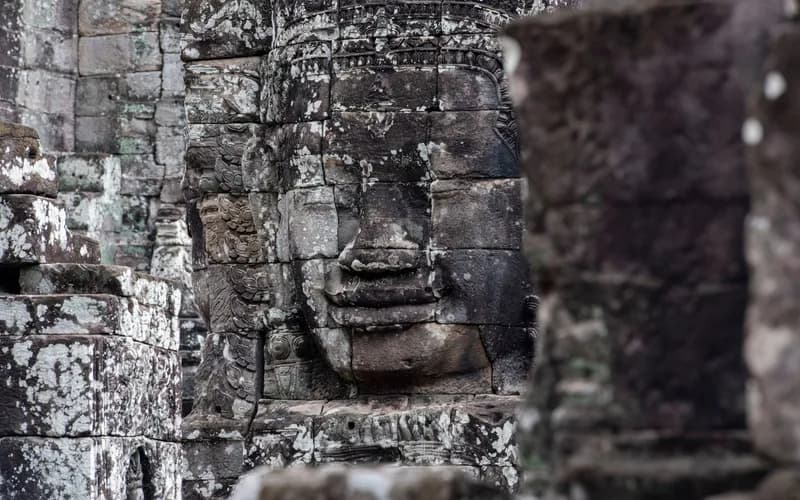
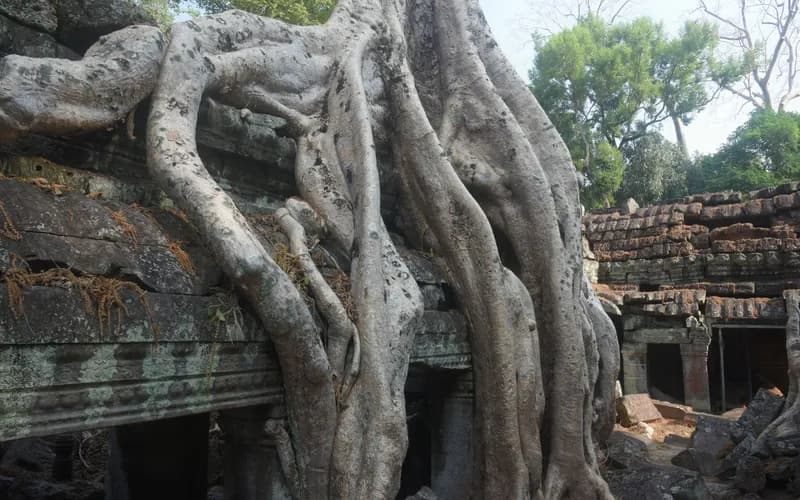
Angkor is traditionally explored via two main routes. The Small Circuit takes in the essential central temples, including Angkor Wat, the walled city of Angkor Thom with the Bayon, and Ta Prohm, and it is the natural focus of a first day. The Grand Circuit loops wider to take in quieter temples such as Preah Khan, Neak Pean and Ta Som, and it makes an excellent second day once you have seen the icons.
Beyond these lie the outlying temples that reward a longer stay: the exquisite pink sandstone carvings of Banteay Srei, some way to the north, and the remote, jungle-clad Beng Mealea further out. Spreading your days across these circuits, rather than trying to combine them, keeps the pace sane and the experience varied, and it naturally disperses you away from the busiest spots.
Is the Angkor Wat sunrise worth it?
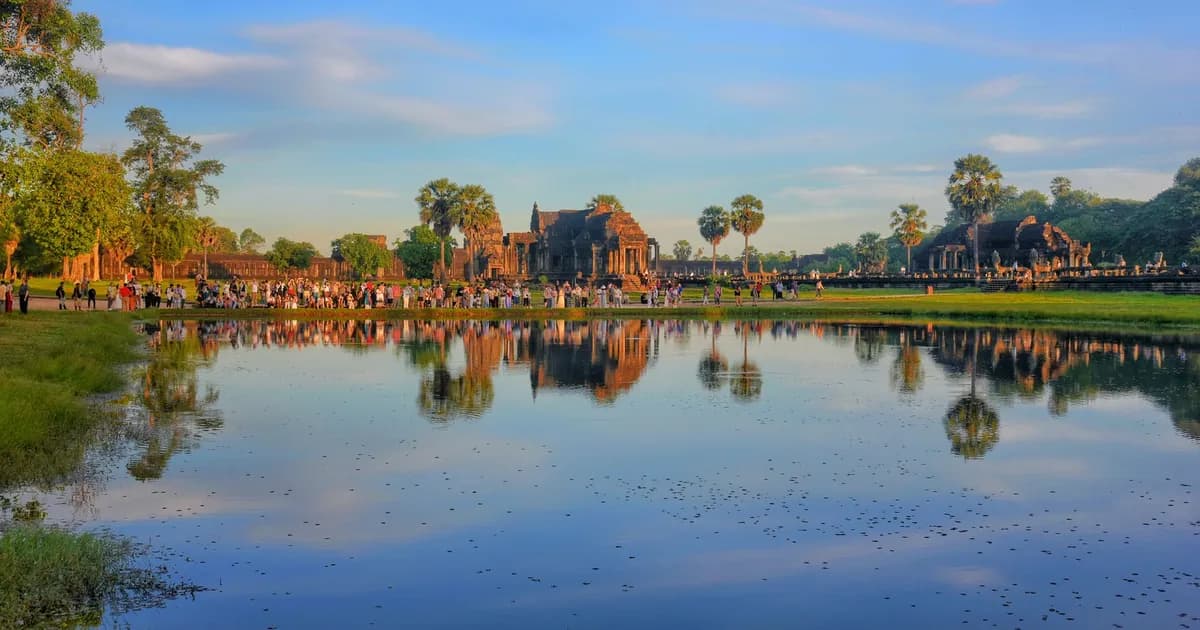
The sunrise over Angkor Wat is the site's most famous image, and for good reason: the silhouette of the temple's towers reflected in the pond as the sky turns pink is genuinely unforgettable. But it is also no secret, and you will share it with a large crowd jostling for the same shot. Whether it is worth it depends on your temperament. If the classic image matters to you, go, arrive very early, and accept the company.
If crowds sap the magic for you, consider the alternatives. A sunrise at a quieter temple, or simply visiting Angkor Wat later in the morning once the sunrise crowd has dispersed, can be far more peaceful. Sunset from a less obvious vantage point, away from the notorious crush at the hilltop temple of Phnom Bakheng, is another way to catch beautiful light without the scrum. The slow traveller's instinct, to trade the famous moment for a quieter one, often pays off here.
Get matched with up to 5 trusted Cambodia agencies
- Free
- No obligation
- Up to 5 agencies
Beating the crowds
Angkor's crowds follow predictable patterns, and understanding them is the single most useful planning skill. The masses cluster at the big three in the mornings and at the classic sunrise and sunset spots, which means you can find real calm simply by going against the flow. Visit Angkor Wat in the late morning or over the middle of the day when the tour groups have moved on, see Ta Prohm early or late rather than mid-morning, and save the quieter outlying temples for the busiest hours.
The recent softening in overall visitor numbers has helped, making the temples less crowded than in the boom years, part of a wider change in the town that we explore in our piece on how Siem Reap is reinventing itself beyond Angkor. Even so, a little tactical timing transforms the experience, turning a shuffle through crowds into moments of genuine solitude among thousand-year-old stone.
Getting around and practicalities
You will need transport to explore Angkor, as the temples are too spread out to walk between. The classic and most atmospheric option is to hire a tuk-tuk with a driver for the day, who will ferry you between temples and wait while you explore; it is affordable, shaded and pleasant. Cycling is a rewarding option for the fit in the cooler months, letting you move at your own pace, while a car with a guide suits those wanting depth and comfort, especially for the more distant temples.
Come prepared for long, hot days on your feet. Bring plenty of water, sun protection and modest clothing that covers shoulders and knees, which is required at the most sacred areas, including the upper level of Angkor Wat. Start early to beat both the heat and the crowds, take a proper break over the hottest part of the day, and pace yourself so temple fatigue does not set in. Our slow traveller's guide to Cambodia can help you fit Angkor into a well-paced wider trip.
A sample three-day rhythm
For most travellers, a relaxed three-day rhythm works beautifully. Spend the first day on the Small Circuit, giving Angkor Wat, Angkor Thom and Ta Prohm the time they deserve, perhaps with a mid-morning start to skip the sunrise crush. Use the second day for the Grand Circuit and its quieter temples, at a gentler pace. Devote the third day to the outlying gems such as Banteay Srei, or return to favourites in different light, leaving space for a leisurely lunch and time simply to sit.
This kind of structure, built around the light and the crowds rather than a checklist, is what turns Angkor from an endurance test into one of the most rewarding experiences in Southeast Asia. Plan it with our plan your journey page so the temples sit comfortably within a longer, slower Cambodia trip.
Beyond the main temples: where to find real quiet
The deepest reward of a longer Angkor visit is the chance to leave the famous temples behind and find the quiet corners that most day-trippers never reach. Beyond the celebrated sites lie dozens of smaller monuments and outlying temples where you can often wander almost alone, and it is here that the atmosphere of the ancient city is most keenly felt. The remote, partly collapsed Beng Mealea, swallowed by jungle, and the intimate, intricately carved Banteay Srei repay the extra travel with a sense of discovery the headline temples can no longer offer.
Even within the main complex, a little curiosity uncovers calm. Stepping away from the obvious photo spots, lingering in a side gallery, or simply sitting quietly while the tour groups sweep through, lets you experience the temples as places of contemplation rather than checklist stops. The genius of Angkor is as much in its atmosphere as its architecture, and atmosphere is something you can only absorb slowly.
This is where a multi-day pass and an unhurried plan pay their fullest dividend. With time in hand, you can afford to spend an hour watching light move across a bas-relief, to return to a favourite temple at a different time of day, or to follow a quiet path to a monument that is not on any group itinerary. That freedom to wander and to wait is the essence of experiencing Angkor well, and it is precisely what the rushed one-day visitor misses. Treated as a landscape to be inhabited rather than a list to be completed, Angkor becomes one of the most quietly profound places you can visit anywhere.
What to Do Next
- Decide how many days to spend, and buy the matching pass; three days suits most travellers well.
- Structure your visit around the Small Circuit, the Grand Circuit and the outlying temples on separate days.
- Decide honestly whether the famous sunrise is worth the crowd for you, or choose a quieter alternative.
- Time your temple visits against the crowds, seeing the big sites when the groups have moved on.
- Arrange a tuk-tuk, bicycle or car with a guide, and pack water, sun protection and modest clothing.
- Read our temple etiquette and pass guide before you go, and fit Angkor into a wider slow trip.
Frequently Asked Questions
How many days do I need at Angkor?
One day covers only the headline temples in a rush. Three days is ideal for most travellers, giving time for the main and quieter temples at a humane pace, while enthusiasts can happily spend longer exploring the outlying sites.
Is the Angkor Wat sunrise worth it?
It is genuinely beautiful but very crowded. If the classic reflected-towers image matters to you, go early and accept the crowd; if crowds spoil the magic, a quieter temple at dawn or a late-morning visit to Angkor Wat can be far more peaceful.
What are the Small and Grand Circuits?
They are the two main temple routes. The Small Circuit covers the central icons, including Angkor Wat, Angkor Thom and Ta Prohm, while the Grand Circuit loops wider to quieter temples such as Preah Khan and Neak Pean, ideal for a second day.
How do I avoid the crowds at Angkor?
Go against the flow: visit the big temples in the late morning or midday when tour groups have gone, see Ta Prohm early or late, and save the outlying temples for peak hours. Softer visitor numbers in 2026 also help.
How do I get around the temples?
Hire a tuk-tuk and driver for the day, the classic and affordable option, or cycle in the cooler months, or take a car with a guide for comfort and the distant temples. The site is too spread out to explore on foot.
What should I wear and bring?
Modest clothing covering shoulders and knees is required at sacred areas, including Angkor Wat's upper level. Bring plenty of water, sun protection and comfortable shoes, and start early to beat the heat and the crowds.