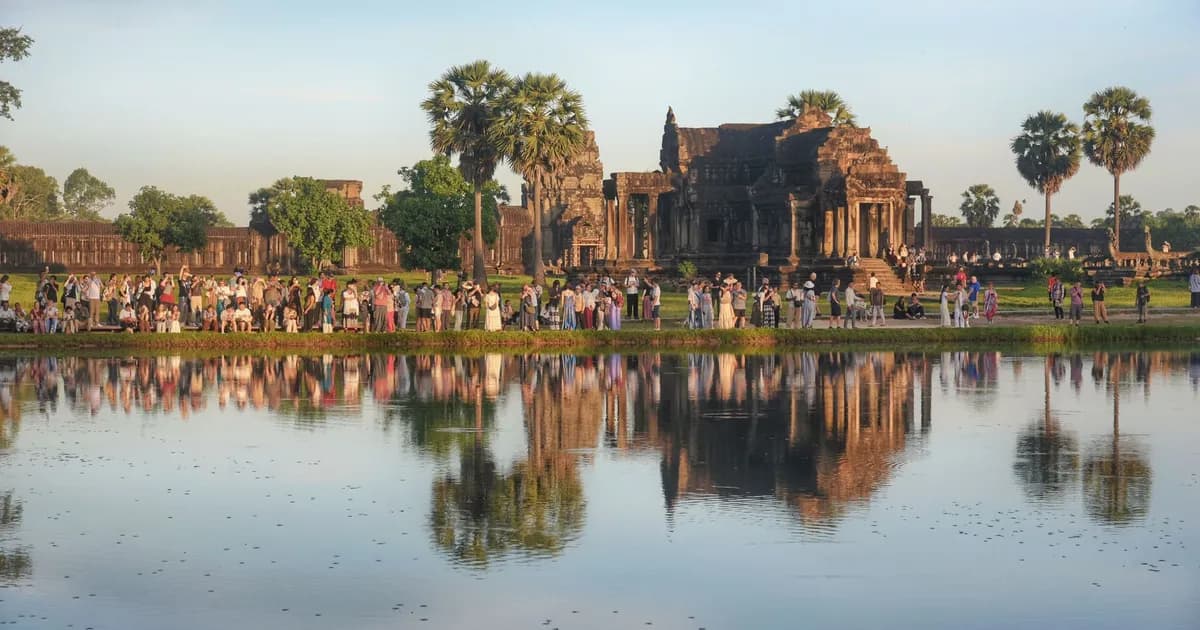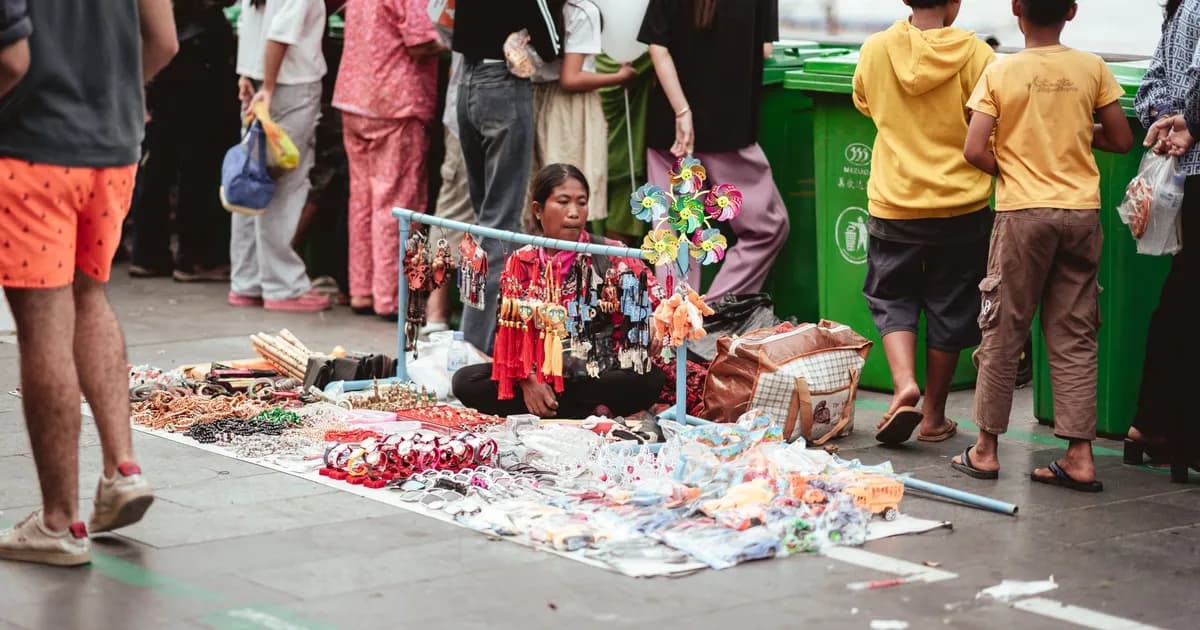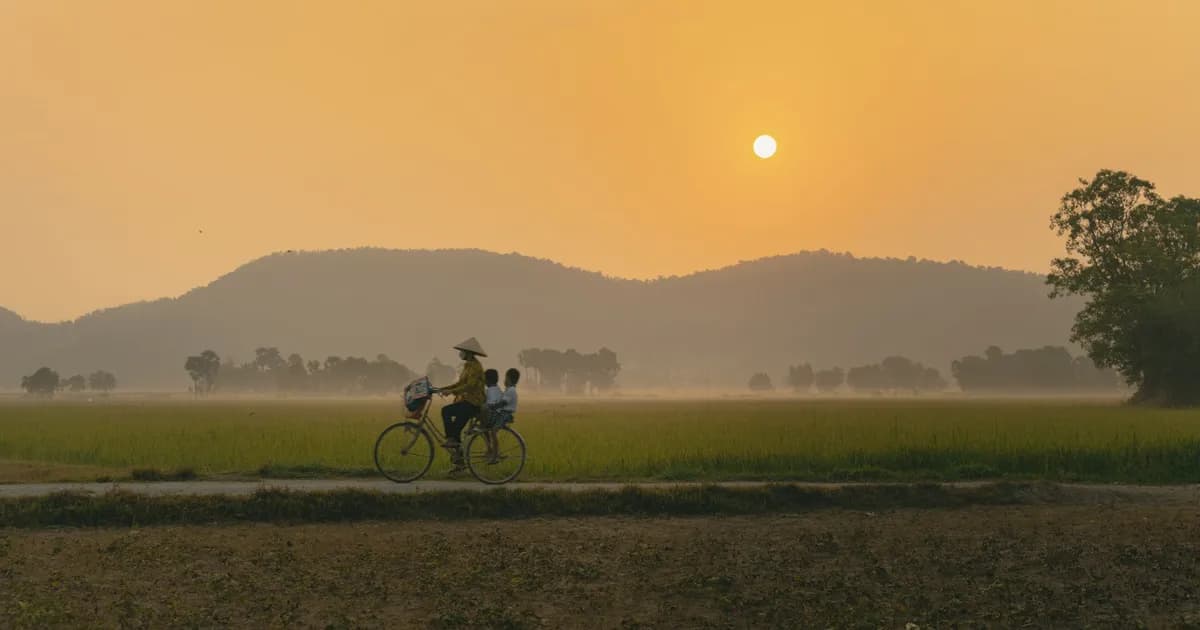


Most travellers get through Cambodia without incident. The small number who do not usually fall into predictable categories: heat exhaustion in March, a stomach upset in week one, a scooter graze that gets infected, a dog bite nobody took seriously enough. None of these are exotic tropical diseases. They are ordinary problems made worse by a hot climate and a thin medical network outside two cities. Get the basics right and the risk falls dramatically. Here is what actually matters, without the alarmism that travel health pages tend to attract.
Before You Go: The Vaccination Conversation
See a travel clinic or your own doctor four to six weeks before departure, because several vaccines need time to take effect or require multiple doses. That timing is the single most useful thing in this article.
The standard discussion for Cambodia covers hepatitis A and typhoid, both transmitted through contaminated food and water and both worth having for any trip involving street food. Ensure your routine vaccinations are current, particularly measles, mumps and rubella, tetanus and diphtheria. Hepatitis B is commonly recommended for longer stays or anyone likely to need medical or dental treatment.
Rabies pre-exposure vaccination deserves a real conversation rather than a reflex yes or no. It does not make a bite safe, but it removes the need for rabies immunoglobulin afterwards, which is exactly the product that is hardest to obtain outside Phnom Penh. If you plan to cycle, spend time in rural provinces, or travel with children, the case is strong. For a two-week hotel-based trip to Phnom Penh and Siem Reap, it is more optional.
Japanese encephalitis is usually only recommended for extended rural stays during the rainy season. Malaria prophylaxis is not needed for the main tourist route, which includes Phnom Penh, Siem Reap and the coast, but forested border areas in the northeast and southwest carry residual risk and warrant specific advice.
One request. Up to five tailored proposals.
Skip contacting agencies one by one — share your trip once and let up to five trusted Cambodia agencies come to you. Free, with no obligation.
Get my free quotesHeat Is the Underrated Risk
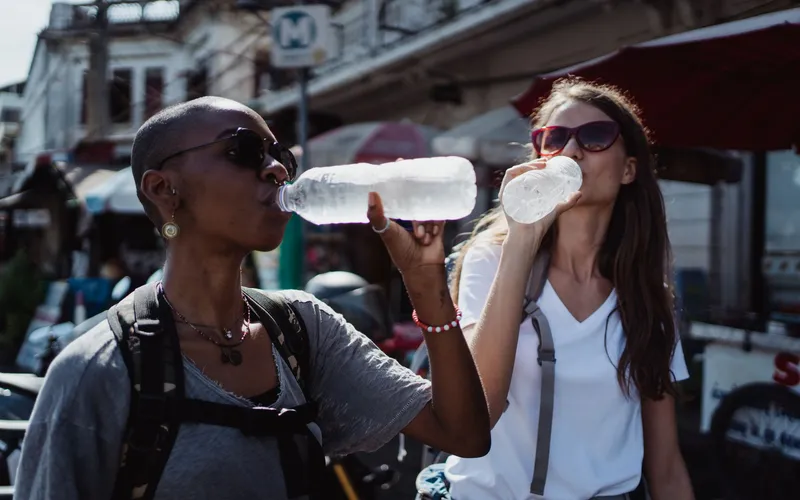
Far more travellers are floored by heat than by any pathogen. Cambodia's hot season runs March to May, when Phnom Penh regularly reaches 38 degrees Celsius with high humidity, and even the November to February dry season sits comfortably above 30 degrees by mid-morning.
The failure pattern is consistent: an ambitious temple day, insufficient water, no shade, and by two in the afternoon someone is nauseated, dizzy and no longer sweating properly. That last sign is serious and means stopping immediately, getting into shade or air conditioning, and rehydrating with oral rehydration salts rather than plain water.
Practical defences are unglamorous and effective. Move in the early morning and after four in the afternoon; treat 11:00 to 15:00 as indoor time. Drink before you are thirsty, and add electrolyte sachets on heavy days rather than drinking litres of plain water, which dilutes your sodium. Wear loose long sleeves rather than less clothing. Carry a hat with a real brim. Build a genuine rest block into every day, not just an intention to rest.
This is why itinerary design is a health decision. Our advice on planning your days at Angkor is built around the same principle: front-load the morning, disappear at midday, come back out late.
Water, Ice and Food
Tap water is not drinkable anywhere in Cambodia, including Phnom Penh. Bottled water is universal and cheap, and refill stations are increasingly common in guesthouses and cafés, which is worth seeking out if you would rather not add to the plastic problem. A filter bottle with a 0.1 micron hollow-fibre element handles most situations.
Ice is generally safer than its reputation suggests. Commercial ice in Cambodia is mostly factory-produced from treated water and arrives in sealed bags; the cylindrical ice with a hole through the middle is the industrial kind and is fine. Crushed ice of unclear origin at a small rural stall is a different proposition.
For food, the useful rule is turnover rather than appearance. A busy street cart cooking to order in front of you is safer than a quiet restaurant with food sitting in a warmer. Eat things that are hot, freshly fried, or that you peel yourself. Be more careful with raw herb plates, shellfish in hot weather, and anything left at ambient temperature. Our guide to Cambodian food covers what to look for.
Carry oral rehydration salts and loperamide. Most travellers' diarrhoea resolves in one to three days with fluids and rest. Seek medical care if there is blood, a fever above 38.5 degrees, or symptoms lasting beyond three days.
Get matched with up to 5 trusted Cambodia agencies
- Free
- No obligation
- Up to 5 agencies
Mosquitoes: Dengue First, Malaria Second
Dengue is the mosquito-borne illness travellers are most likely to meet in Cambodia. It is present year-round, peaks in the rainy season from May to October, and is transmitted by Aedes mosquitoes that bite during daylight, especially early morning and late afternoon. That daytime pattern surprises people who associate mosquito precautions with dusk.
There is no practical vaccine strategy for most short-term travellers. Prevention is bite avoidance: a repellent containing 20 to 30 percent DEET or 20 percent picaridin, reapplied as directed; long sleeves and trousers in the evening; air conditioning or a net at night; and avoiding standing water around accommodation.
Dengue presents as sudden high fever, severe headache behind the eyes, joint and muscle pain and sometimes a rash. If you develop a fever in Cambodia or within two weeks of leaving, get tested. Critically, do not take ibuprofen or aspirin for a suspected dengue fever, as they increase bleeding risk. Use paracetamol.
Malaria is a much smaller concern and is essentially absent from the main tourist circuit. It persists in forested and border areas, including parts of Ratanakiri, Mondulkiri, Preah Vihear and the Cardamom range. If your route includes multi-day forest trekking in those provinces, such as the community treks described in our Mondulkiri article, raise it specifically with a travel doctor.
Animals, Bites and Scrapes
Rabies is endemic in Cambodia and post-exposure treatment is limited outside Phnom Penh. Treat every dog, cat or monkey bite or scratch as potentially serious, including apparently minor ones from the macaques around Angkor, which are habituated, bold and will take food from your hands.
If bitten or scratched, wash the wound with soap and running water for a full fifteen minutes, apply an antiseptic, and get to a clinic that can administer post-exposure prophylaxis the same day. The Institut Pasteur du Cambodge in Phnom Penh is the principal reference centre for rabies treatment in the country. Do not wait to see whether the animal seemed healthy.
Ordinary wounds also deserve more respect than at home. Cuts and grazes infect quickly in heat and humidity, and motorbike road rash is the classic case. Clean thoroughly, use an antiseptic, keep the wound covered and dry, and watch for spreading redness. Carry a small kit with antiseptic wipes, a good antibacterial cream, waterproof dressings and tweezers.
Where Medical Care Actually Exists
This is the part most travellers underestimate. Cambodia has good private facilities in Phnom Penh and adequate ones in Siem Reap. Elsewhere, provincial hospitals handle basic emergencies but are not equipped for complex trauma or serious infection.
The practical model is: minor problems can be treated locally, moderate problems mean getting to Phnom Penh, and anything serious means medical evacuation to Bangkok or Singapore. That evacuation is expensive enough that travel insurance covering medical repatriation is not optional. Check the policy actually covers motorbike riding if you intend to ride, since a large share of policies exclude it unless you hold a licence valid for the engine size.
Pharmacies are widespread and many medicines are available over the counter, but counterfeit and expired stock circulates. Use large chain pharmacies in the cities, bring your own supply of anything you take regularly, and carry a copy of your prescriptions. Keep clinic fees in mind too: private consultations are usually settled in cash or card at the point of care and reclaimed later, which is one more reason to read our notes on money and connectivity in Cambodia.
Air Quality, Sun and the Small Stuff
Dry-season air quality in Phnom Penh and parts of the countryside deteriorates from January to April, when agricultural burning combines with dust and traffic. Anyone with asthma should travel with their usual inhalers and consider a mask on the worst days, and it is one reason to time a city stay carefully if you are following our walking guide to Phnom Penh.
Sun exposure is stronger than northern visitors expect, even under cloud. Use a high-factor sunscreen, reapply after swimming, and remember that a long day on a boat or a tuk-tuk is a long day of exposure.
Two small items make a disproportionate difference: earplugs, because Cambodian towns are loud from dawn, and a decent pair of shoes, because temple stone and rural tracks are rough on sandals. Sleep and mobility are health measures.
What to Do Next
- Book a travel health appointment four to six weeks before departure and take your route with you, not just the country name.
- Decide on rabies pre-exposure vaccination based on your actual itinerary, and be honest about whether you will ride a motorbike.
- Buy insurance that explicitly includes medical repatriation, and check the motorbike and adventure-activity exclusions.
- Pack a small kit: oral rehydration salts, loperamide, antiseptic, antibacterial cream, waterproof dressings, DEET or picaridin repellent, paracetamol and high-factor sunscreen.
- Build midday rest into every day of the itinerary rather than hoping to improvise it.
- Save the address of a reputable clinic in Phnom Penh and Siem Reap in your phone before you need it, offline.
- If you want a route designed around heat, distance and recovery days rather than maximum coverage, start with planning your Cambodia journey.
Frequently Asked Questions
Do I need malaria tablets for Cambodia?
Not for the standard route of Phnom Penh, Siem Reap, Battambang and the coast, where the risk is negligible. Prophylaxis is generally discussed only for extended stays in forested border zones in the northeast and the Cardamoms, particularly during the rainy season. Take your specific itinerary to a travel doctor rather than relying on a country-level answer.
Can I drink the tap water?
No, not anywhere in Cambodia, including in Phnom Penh hotels. Use bottled water or a proper filter bottle. Brushing teeth with tap water is a risk most travellers accept in the cities but not in rural areas; if in doubt, use bottled.
Is ice safe in drinks?
Usually yes in restaurants, bars and cafés, where commercial factory ice made from treated water is standard. The cylindrical ice with a hole through the centre is the industrial product. Be more cautious with loose crushed ice at small rural stalls.
What should I do if I am bitten by a dog or a monkey?
Wash the wound with soap and running water for fifteen minutes, apply antiseptic, and get to a clinic offering rabies post-exposure prophylaxis the same day. Do not wait, and do not assume a small scratch is safe. The Institut Pasteur du Cambodge in Phnom Penh is the main reference centre for treatment.
How serious is the heat in Cambodia?
Serious enough to be the most common reason travellers cut a day short. March to May regularly exceeds 35 degrees with high humidity. Plan around it: early starts, indoor midday, electrolytes rather than plain water alone, and a genuine rest block each afternoon.
What travel insurance do I need?
A policy that covers emergency medical treatment and, crucially, medical evacuation to Bangkok or Singapore, since complex care is not available in Cambodia. If you intend to ride a motorbike or scooter, verify that it is covered and under what licence conditions, because exclusions are common and expensive.
Are the hospitals any good?
Private facilities in Phnom Penh are reasonable for most acute problems, and Siem Reap has adequate options. Provincial hospitals handle basic emergencies only. For anything major, the realistic plan is stabilisation locally followed by evacuation, which is why repatriation cover matters more here than in many destinations.