
Indonesia sits on the Pacific Ring of Fire, and few experiences reveal that more directly than standing on a crater rim at 4am, watching sulfur smoke curl against the first light. But volcano trekking here has changed significantly in recent years: permit systems, mandatory guide ratios, and insurance requirements now shape how these mountains can be climbed, and treating them as a casual add-on to a Bali itinerary is both riskier and less respectful than it once was.
This guide covers the three volcanoes most slow travelers actually climb, Rinjani, Bromo, and Ijen, and how to approach each one properly.
Why Indonesia's Volcanoes Draw Slow Travelers
Unlike a beach day or a temple visit, a volcano trek forces a certain pace. Routes to summit viewpoints typically start at midnight or well before dawn, which means trekkers spend hours walking in darkness, guided as much by rhythm and breath as by headlamp. There is no shortcut version of watching sunrise break over Rinjani's crater lake or Bromo's smoking cone; the experience only exists at the pace the mountain sets.
Timing matters enormously here, both for weather and for crowds. Our broader guide to where to go and when in Indonesia is worth reviewing before booking any volcano trek, since dry-season windows vary meaningfully between Lombok, East Java, and the wider archipelago.
Indonesia counts well over a hundred active volcanoes, more than any other country, and the three covered here are simply the most accessible entry points into that wider landscape. Travelers who find Rinjani, Bromo, or Ijen rewarding often go on to explore further afield, whether Kelimutu's three differently colored crater lakes in Flores or Merapi's more technical climbs near Yogyakarta, but starting with one of the three main routes here is the sensible way to learn how permit systems, guide culture, and mountain weather actually work in Indonesia before attempting something more remote.
One request. Up to five tailored proposals.
Skip contacting agencies one by one — share your trip once and let up to five trusted Indonesia agencies come to you. Free, with no obligation.
Get my free quotesMount Rinjani: Permits, Guides, and the New Rules
Rinjani, Lombok's 3,726-meter volcano, has tightened its regulations substantially. Foreign trekkers can no longer hike independently and must register through the official e-Rinjani permit system, which issues a QR-code permit tied to a specific route and date, with daily quotas capping how many trekkers are on the mountain at once. Licensed guides are now mandatory, with a minimum ratio of roughly one guide per four trekkers enforced across most routes.
Since March 2026, trekkers must also carry valid trekking insurance, a response to past accidents on the mountain's steeper, more exposed sections. The national park is open for trekking from April through December and closed January through March for the rainy season, when trails become dangerously slick and visibility drops.
Two main routes lead up Rinjani: the Senaru route, generally considered gentler and often used for a shorter rim walk without a full summit push, and the Sembalun route, steeper but more direct for trekkers aiming for the summit and the crater lake, Segara Anak, in a single multi-day loop. Many operators now combine both, ascending via Sembalun and descending via Senaru, which spreads the physical demand more evenly across the trek. Hot springs near the crater lake offer a genuine, well-earned reward partway through the descent, one of the few moments on the mountain where the pace slows deliberately rather than out of necessity.
Given the permit system's advance registration requirements, Rinjani is not a trek to arrange on arrival. Book through a registered operator at least a few weeks ahead, and confirm your route, whether the shorter Senaru rim walk or the fuller two-to-three-day summit and crater lake circuit, before finalizing flights. Our plan your journey page covers how to sequence a Lombok stop with the rest of an Indonesia itinerary.
Bromo and Ijen: The Classic Pre-Dawn Circuit
Mount Bromo and Ijen, both in East Java, are usually visited together on a two-to-three-day loop, and unlike Rinjani, neither requires the same permit complexity, though both require a local guide or driver for the pre-dawn jeep and trekking logistics.
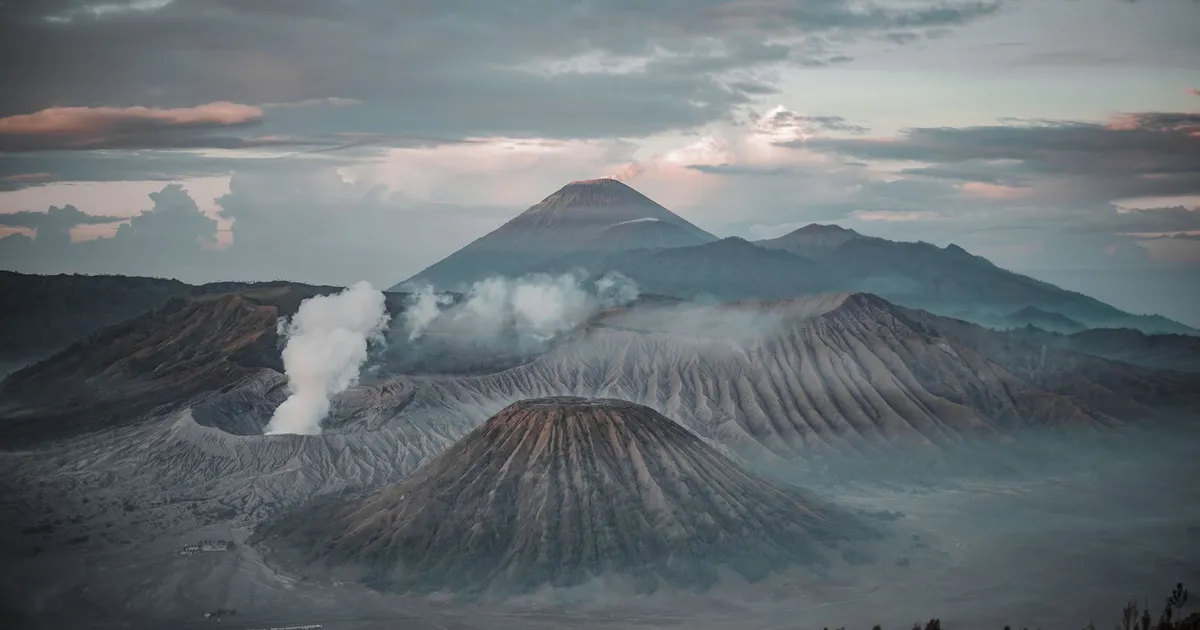
Bromo's appeal is its otherworldly caldera, a vast sea of volcanic sand ringed by the Tengger highlands, with the smoking cone itself reachable via a short, steep climb to the crater rim. Sunrise viewpoints at Kingkong Hill or Penanjakan get crowded, and a guide with local knowledge of quieter vantage points is worth the extra cost.
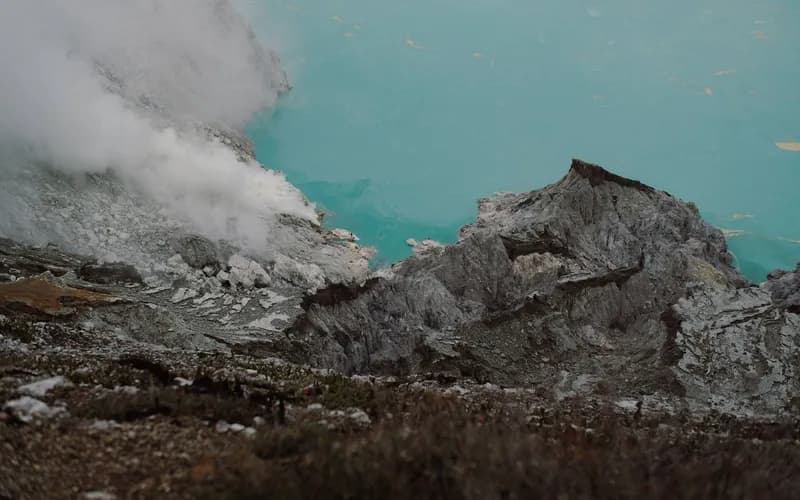
Ijen, several hours south, is known for its turquoise crater lake, the world's largest highly acidic volcanic lake, and its famous blue flames, sulfuric gas that combusts on contact with air and is visible only in the pre-dawn dark. Sulfur miners still work the crater by hand, carrying loads of 70 to 90 kilograms up steep, gas-choked paths, and travelers should treat this as a working site, not a backdrop. A basic gas mask, provided or rented at the entrance, is essential given the sulfur fumes.
Cemoro Lawang, perched on Bromo's caldera rim, and Sukapura, lower down the access road, serve as the main overnight bases for the Bromo side of the loop, both offering simple guesthouses geared toward pre-dawn departures rather than leisurely stays. On the Ijen side, Banyuwangi and the smaller town of Licin serve a similar function. Because the loop typically means two consecutive pre-dawn starts, sleep is genuinely scarce across this circuit, and travelers should treat the day between the two climbs as recovery time rather than an opportunity to pack in additional sightseeing.
Get matched with up to 5 trusted Indonesia agencies
- Free
- No obligation
- Up to 5 agencies
Choosing a Guide and Operator Responsibly
The gap between a well-run trek and a miserable, unsafe one usually comes down to the operator. Licensed guides carry certification, know current permit and weather requirements, and are trained in altitude and gas-related emergencies. Unlicensed operators offering noticeably cheaper treks are cutting corners somewhere, whether on group size, safety equipment, or the wages paid to porters and guides.
A responsible operator will cap group sizes, brief trekkers thoroughly on pace and turnaround points, and pay porters fairly for genuinely brutal physical work. Booking through a specialist Indonesia travel agency rather than the cheapest street-side offer in Rantepao, Senggigi, or Cemoro Lawang is one of the simplest ways to ensure the people making your trek possible are treated properly.
Packing and Fitness: What Volcano Trekking Actually Requires
These are not casual hikes. Rinjani's summit push is a genuinely demanding scramble over loose volcanic scree at altitude, often in the dark and cold, and requires a real baseline of fitness and several months of preparation for anyone not already an active hiker. Bromo and Ijen are shorter and less technical but still involve pre-dawn starts, uneven terrain, and, at Ijen, genuine respiratory hazards from sulfur gas.
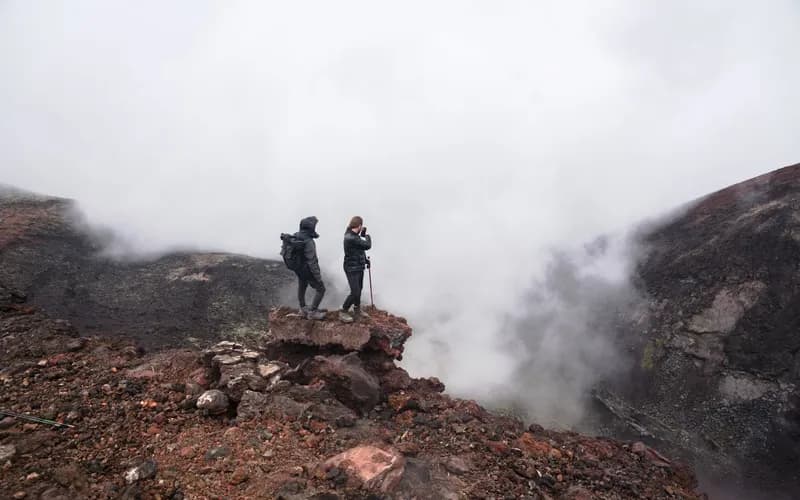
Pack layers for temperatures that swing from near-freezing before dawn to hot by mid-morning, a proper headlamp rather than a phone flashlight, sturdy trekking shoes with ankle support, and more water than feels necessary. For Ijen specifically, a gas mask is non-negotiable rather than optional gear.
Respecting the Mountains: Sacred Sites and Environmental Etiquette
Many of Indonesia's volcanoes carry deep spiritual significance that predates their status as trekking destinations. Bromo is sacred to the Tengger people, who hold the annual Kasada ceremony, throwing offerings into the crater as a gesture of gratitude and protection; trekkers visiting during this period should treat the ceremony as a cultural event to observe respectfully, not a spectacle staged for tourists. These living traditions are part of what makes exploring Indonesia's less-visited regions rewarding, provided visitors approach them with the same care they would bring to any sacred site.
Waste management on these trails has become a genuine concern as visitor numbers rise. Carry out everything brought in, avoid single-use plastic where possible, and stay on marked trails, both for erosion control and personal safety around unstable crater edges.
What to Do Next
- Decide which volcano fits your route and fitness level: Rinjani for a multi-day summit trek, Bromo and Ijen for a shorter, more accessible pre-dawn circuit.
- Book Rinjani permits and a licensed guide several weeks ahead through the official e-Rinjani system or a registered operator, and confirm current park opening dates.
- Arrange Bromo and Ijen through a reputable local operator who supplies jeep transport, gas masks for Ijen, and a guide familiar with quieter viewpoints.
- Pack for temperature swings, bring a proper headlamp and trekking shoes, and treat Ijen's gas mask as mandatory rather than optional.
- Build in a rest day before or after any volcano trek, since altitude, early starts, and physical exertion compound faster than most travelers expect.
Frequently Asked Questions
Do I need a guide to trek Mount Rinjani?
Yes. Foreign trekkers can no longer hike Rinjani independently; a licensed guide is mandatory, along with an e-Rinjani permit and, since March 2026, valid trekking insurance.
When is Mount Rinjani open for trekking?
The national park is open from April through December and closed January through March during the rainy season, when trails are unsafe due to slick volcanic scree and poor visibility.
Can I visit Bromo and Ijen without a guide?
While formal permits are less complex than Rinjani's, both sites require pre-dawn jeep transport and local logistics that make an independent visit impractical, and Ijen specifically requires a guide familiar with sulfur gas conditions.
What should I pack for Bromo and Ijen?
Warm layers for the pre-dawn cold, sturdy shoes, a real headlamp, and for Ijen, a gas mask, either rented locally or brought with you, to manage sulfuric fumes near the crater.
How fit do I need to be for these treks?
Bromo and Ijen suit most reasonably active travelers, with short, if steep, climbs. Rinjani's summit trek is significantly more demanding, involving multiple days, high altitude, and loose volcanic terrain, and benefits from real physical preparation.
Is it respectful to photograph the Kasada ceremony at Bromo?
Photography is generally tolerated at a respectful distance, but the Kasada ceremony is a genuine religious event for the Tengger people, not a performance, and visitors should follow their guide's lead on where to stand and what to avoid.
Can altitude sickness be a problem on these treks?
Rinjani's 3,726-meter summit sits high enough that mild altitude symptoms, headache and fatigue in particular, are possible, especially for trekkers who arrive directly from sea level without acclimatization. Bromo and Ijen sit at lower elevations and rarely cause altitude issues, though the exertion and early starts still catch out travelers who underestimate the physical demand.
What happens if a trek is cancelled due to weather?
Guides and park authorities can and do cancel treks, particularly Rinjani ascents, when conditions turn dangerous, and reputable operators build this into their planning rather than pushing ahead regardless. Building a buffer day or two into your itinerary around any volcano trek allows for a weather-related reschedule without derailing the rest of a trip.
How much does a licensed guide typically cost?
Costs vary by mountain and group size, but licensed guides for Bromo and Ijen are inexpensive relative to a full Rinjani trek, which includes porters, permits, and multiple days of logistics; booking through an established operator ensures fair pay reaches the guides and porters involved.