How to Choose a Liveaboard or Boat Trip in Indonesia
Indonesia is an archipelago of more than seventeen thousand islands, and some of its finest places, from the dragon-haunted coast of Komodo to the reefs of Raja Ampat, are best reached by boat. A liveaboard or multi-day boat trip can be the most rewarding way to travel here, or the most expensive disappointment on your itinerary. The difference rarely comes down to the boat's brochure. It comes down to matching region, season, route, crew and your own experience, and asking the right questions before you pay a deposit.
Start with the honest question: why a boat?
A liveaboard is a floating hotel that moves you between sites while you sleep. Its advantage is access: you reach remote reefs, sandbars and uninhabited islands at dawn, before day boats arrive, and you do several dives or snorkels a day without transfers. Its disadvantage is that you are committed. You share a small space with strangers for days, you cannot easily leave if you dislike the boat, and weather or sea conditions can change the plan.
Be clear about what you want before comparing boats.
- Diving focus. You want multiple dives a day, a dive guide and possibly courses. A dedicated dive liveaboard is the right choice.
- Snorkelling and scenery focus. You want swimming, beaches, viewpoints and wildlife. A cruise on a traditional wooden boat, without the diving infrastructure, will suit you and usually costs less.
- A short taste. You are not sure you will enjoy days at sea. Try a two or three night trip first rather than committing to ten.
If you are not a diver, you can still love Indonesian boat travel. Many people sleep on deck under a mosquito net, snorkel in warm clear water and watch the sun rise over limestone islets.
One request. Up to five tailored proposals.
Skip contacting agencies one by one — share your trip once and let up to five trusted Indonesia agencies come to you. Free, with no obligation.
Get my free quotesMatch the region and the season
Indonesia has no single diving season. Conditions differ by region, so the first decision is where you are going when you want to go.
According to La Galigo, an Indonesian liveaboard operator, the main windows are:
- Raja Ampat (West Papua). Season runs roughly from October to May, with trips suitable for a range of experience levels. You reach it by flying to Sorong or via Makassar, then transferring by boat.
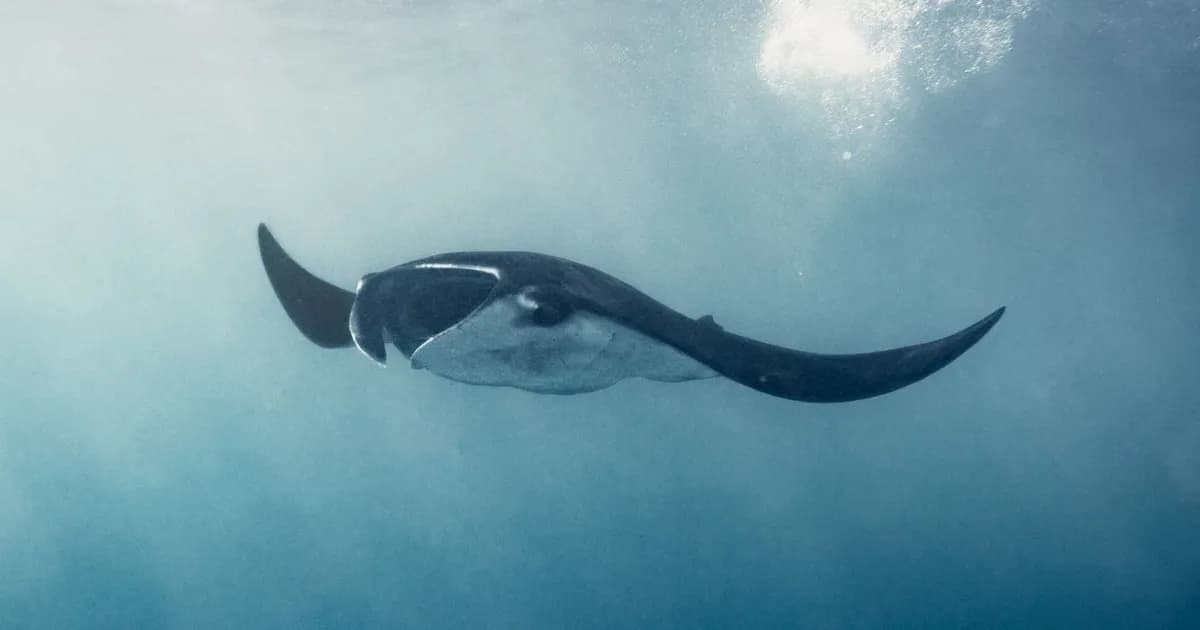
- Komodo National Park (East Nusa Tenggara). Season runs roughly from March to October, with a separate window of December to January for manta rays. You fly to Labuan Bajo and join the boat there.
Treat those windows as a starting guide rather than a guarantee. Currents, plankton blooms, visibility and wind change from year to year, and an operator's description is partly marketing. Read recent reviews and ask the operator what conditions they actually expect on your dates. The other major areas include North Sulawesi, Banda and the Maluku islands, Halmahera and Bangka, each with their own seasons.
A good rule: choose your region first, season second, boat third. Booking a famous boat in the wrong month is the commonest mistake.
Decide on route length
Route length shapes both your cost and your experience. Operators typically sell itineraries from three or four nights to two weeks or more. As examples, itineraries in Raja Ampat commonly run from seven days and six nights up to twelve days and eleven nights, while Komodo trips run from around six days and five nights to longer routes that connect Bali and Labuan Bajo.
Some guidance on choosing a length:
- Three to four nights is enough to sample one area, such as the core Komodo sites, and is the easiest commitment.
- Six to eight nights gives you a coherent route with variety, and is a sweet spot for many travellers.
- Ten nights or more suits experienced divers or travellers who want to go to remote places and do not mind the logistics.
Remember that travel days count. Flying into Labuan Bajo or Sorong, and out again, takes time; a delayed flight can cost you a day of your trip. Build in a buffer night on land before and after.
Get matched with up to 5 trusted Indonesia agencies
- Free
- No obligation
- Up to 5 agencies
Check what is and is not included
The headline price is the least informative number on a liveaboard listing. Rates vary widely from budget to luxury, and the cheapest boat may cut corners on comfort or safety. Compare listings on what is included, not on the price alone. Ask in writing:
- Are meals, drinking water, tea and coffee included?
- Is equipment rental, including regulator, mask and fins, included or charged separately?
- Are nitrox, courses and extra dives optional extras?
- Are national park fees, conservation fees and port fees included? These can be significant in Komodo and Raja Ampat, and they change; see our detailed guide to Komodo National Park fees and permits before you compare quotes.
- Are airport transfers and a hotel night included?
- What is the cancellation and weather policy?
If the operator will not answer clearly, that is information too.
Judge the boat honestly
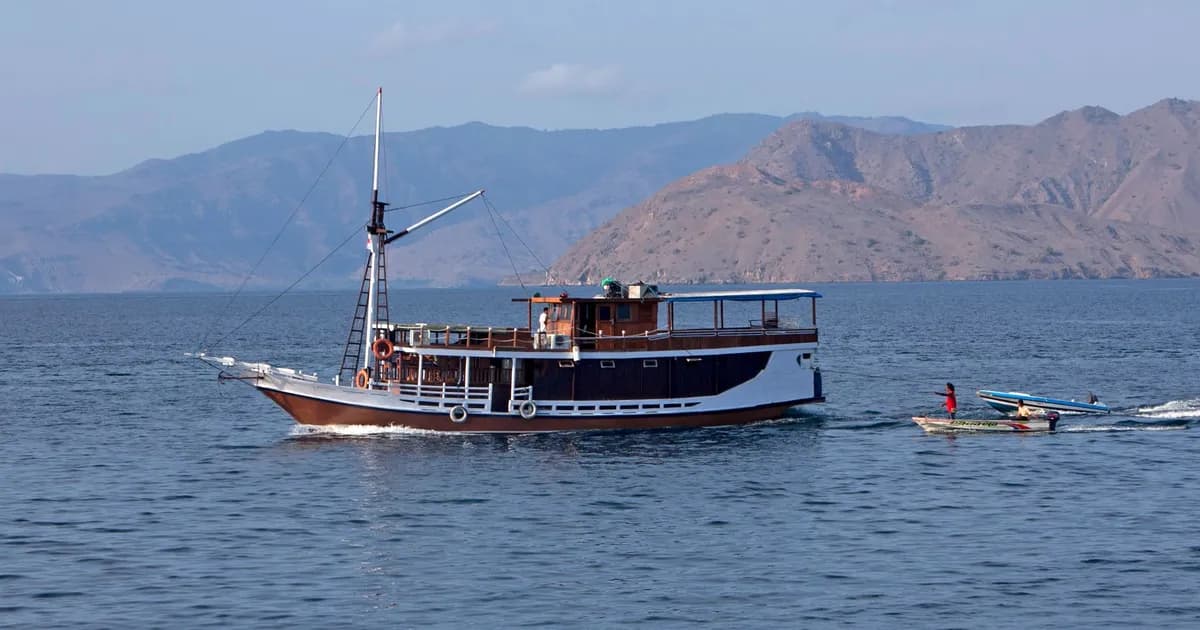
Boats range from small traditional sailing vessels to large motorised yachts, and a larger boat is not always better. Look at the layout and be realistic about space: how many guests per cabin, how many bathrooms, whether there is a shaded area to relax between dives, and whether the dive deck and camera area are organised.
Questions to ask about the boat:
- Age and maintenance. When was it built or last refitted? Who inspects it?
- Engine and navigation. Is there redundancy? What are the communications on board?
- Cabins. Is there air conditioning, and does it run at night? Is the cabin on deck or below?
- Tenders. How many small boats are used to take divers to sites, and how are they managed?
- Capacity. A boat at full capacity feels very different from one with half its berths filled. Ask how many guests will actually be on board on your dates.
Photos on a website are curated. Reviews on independent platforms, forum posts and direct conversations with people who have been on the boat are worth more.
Safety is the non-negotiable part
Safety is where cheap and good diverge most sharply. Before booking, confirm:
- Crew and guides. Experienced dive guides and crew trained to handle emergencies, with knowledge of the specific sites and currents. Ask how many guides there are per group.
- Emergency equipment. Oxygen, a first-aid kit, a working radio or satellite communication, and a clear evacuation plan. Ask about the nearest hyperbaric chamber and how long it takes to reach it. Remote areas can be many hours from care.
- Briefings. A good operator runs a thorough briefing before each dive and encourages you to say no to a site that exceeds your comfort.
- Insurance. Make sure your travel and dive insurance covers diving at depth, remote locations and medical evacuation, and read the exclusions.
Our broader guide on staying healthy in Indonesia covers remote medical care in more detail, and it matters more at sea than anywhere.
Match the trip to your experience
Be honest about your level. Conditions in Indonesia can be demanding: strong currents are a defining feature of many sites, which is exactly why they are rich in marine life.
- Beginners should look for trips with shallow dives in easy conditions and a guide-to-diver ratio that allows close supervision. If you are new to diving, taking a course beforehand is a sensible idea.
- Intermediate divers can enjoy most routes, but should confirm that the trip includes site briefings and a guide who is comfortable with current.
- Advanced divers looking for wreck, deep or drift dives need an operator and guides with real experience in those conditions.
If you are travelling with a non-diving partner, check whether snorkelling is genuinely catered for, with guided snorkel sessions and appropriate sites, rather than treated as an afterthought.
The ethics of a boat trip
Marine tourism in Indonesia is under growing pressure. Visitor numbers have risen faster than infrastructure, and reefs, mantas and sharks bear the cost. A good operator behaves in a way you can see and ask about:
- No touching, chasing or feeding of wildlife, and no standing on coral.
- Proper mooring or anchoring policy that avoids damaging reefs.
- Waste management on board, including handling of plastic and grey water.
- Employment and treatment of local crew, and a visible relationship with the communities along the route.
Our guide on how to snorkel and dive responsibly in Indonesia gives specific behaviours to follow, and the wider context is one of growing pressure on popular sites. If an operator makes a promise about conservation, ask what that looks like in practice.
How to book, and when
Popular boats fill early, especially for peak months, so booking several months ahead is sensible for the best choice of dates. At the same time, avoid paying the full amount far in advance without understanding the refund terms. Ask for a written booking confirmation that lists the itinerary, inclusions, fees and cancellation policy, and keep it on your phone.
You can book directly with the operator or through a specialist agent. Direct booking can offer better flexibility and a clearer relationship; an agent can compare options and help with logistics. Whichever you choose, check that the company has a physical presence, a track record and independent reviews. You can find vetted local operators through our travel agencies directory.
What to Do Next
- Decide whether you want a dive liveaboard or a snorkelling and scenery cruise.
- Pick your region first, then check the season for your dates.
- Choose a route length that includes buffer nights on land at both ends.
- Request written inclusions, fees, equipment, cancellation and weather policies from at least three operators.
- Check safety equipment, guide ratios, evacuation plans and the nearest recompression chamber.
- Confirm that your insurance covers diving and remote medical evacuation.
- Book a deposit only after you are satisfied with the answers, and keep every message in writing.
For help sequencing a boat trip into a wider journey, start with our plan your journey page.
Frequently Asked Questions
When is the best time for a liveaboard in Raja Ampat?
The diving season is roughly October to May. Conditions vary by year, so confirm expected visibility and weather with your operator for your specific dates.
When is the best time for a liveaboard in Komodo?
The main window is roughly March to October, with a separate window of December to January for manta rays, according to one operator. Check recent reviews and ask the operator what to expect on your dates.
How long should a liveaboard trip be?
Three or four nights is enough to sample one area, while six to eight nights gives a coherent route with variety. Ten nights or more suits experienced divers who want remote sites.
Do I need to be a diver to join a boat trip?
No. Many boats and cruises cater to snorkellers and scenery lovers, but you should check that guided snorkelling is genuinely offered rather than treated as an afterthought.
What is usually not included in the price?
Equipment rental, nitrox, courses, drinks, national park fees and airport transfers are common extras. Ask for written inclusions and fees before you book.
How can I tell if a boat is safe?
Look for experienced guides, emergency oxygen and communication equipment, a clear evacuation plan and independent reviews. Ask how far the nearest recompression chamber is and what the boat's maintenance routine looks like.
Is the cheapest liveaboard a good idea?
Not usually. Very low prices can mean compromises on comfort, crew or safety, so compare what is included rather than the headline rate alone.