Visiting Komodo National Park in 2026: Fees, Permits and the New Visitor Cap
Komodo National Park, home to the famous dragons and some of the most photographed seascapes in Indonesia, is changing how it manages visitors in 2026, and anyone planning a trip needs to know the new rules before they go. A strict daily cap on numbers, compulsory advance booking and a clear schedule of fees now govern access to the park, and turning up unprepared, or hoping to buy a ticket at the gate, no longer works. This is a practical guide to visiting Komodo in 2026: the caps, the costs, the booking system and how to plan around them.
The changes are significant, and they are conservation-driven. Komodo has become a victim of its own popularity, and the authorities are now actively limiting access to protect both the wildlife and the quality of the experience. For the prepared traveller, that is good news; for the unprepared, it can mean being turned away.
The big 2026 change: the daily visitor cap
The headline change is a strict daily visitor cap across the whole park. From April 2026, following a trial period earlier in the year, the park limits total daily visitors to around 1,000 people, with specific limits at each major site: roughly 250 per day at Loh Liang on Komodo Island, 150 at Loh Buaya on Rinca Island, and just 60 at Padar Island, the source of the park's most iconic viewpoint.
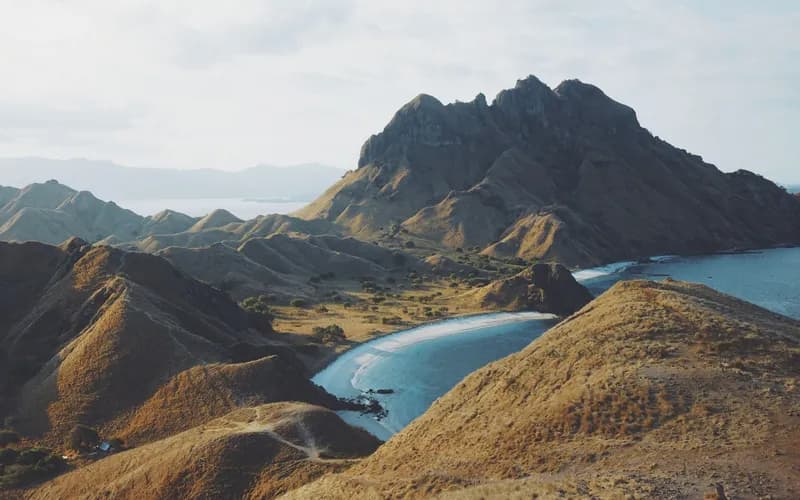
This is a major shift from the free-for-all of previous years, and it has real consequences for planning. On busy days the quotas fill, and once a site's daily limit is reached, no more visitors are admitted, however far they have travelled. The cap on Padar in particular, at just 60 a day, means the park's signature photo spot is now genuinely rationed. This tightening is part of a broader Indonesian move to manage its marine hotspots, a trend we cover in our piece on the limits of marine tourism growth.
One request. Up to five tailored proposals.
Skip contacting agencies one by one — share your trip once and let up to five trusted Indonesia agencies come to you. Free, with no obligation.
Get my free quotesThe fees, and what they cover
Komodo's fees were consolidated into clearer packages, and they are not trivial. For international visitors, the standard park entrance fee is in the region of IDR 650,000 per person, roughly forty US dollars, which covers entry and access to major points including Komodo and Padar islands, and bundles in ranger and trekking fees, snorkelling permits, local charges and a conservation contribution. Itineraries that include Rinca Island carry a higher consolidated fee, around IDR 900,000 per person.
Indonesian citizens pay far less, a nominal entrance fee plus a small conservation charge, reflecting the usual dual-pricing at Indonesian sites. There are additional fees for specific activities: notably, flying a drone carries a hefty charge of around IDR 2,000,000 per unit per day, roughly a hundred and twenty US dollars, and drone use is restricted near nesting sites and during dragon feeding times. Budget for these costs in advance, and confirm the current figures before you travel, as fees are periodically revised; our guide to entering Indonesia in 2026, including park fees tracks the wider picture.
Booking: no more walk-ins
Perhaps the most important practical change is how you must book. As of April 2026, all visitors are required to pre-book their visit, either through the park's official SiORA application or through a licensed tour operator, and walk-in ticket purchases at the gate are no longer accepted. This is a fundamental shift: you can no longer simply arrive in Labuan Bajo and sort out a park trip on the day.
In practice, most visitors will book through a licensed operator running boat trips from Labuan Bajo, the gateway town, which handles the permits as part of the package, this is the simplest route for the majority. Independent travellers using the SiORA app directly should familiarise themselves with it well before arrival and book their preferred dates and sites early, especially for Padar with its tiny quota. Whichever route you choose, the message is the same: sort your booking in advance, not on arrival. A specialist on our Indonesia travel agencies page can arrange a licensed Komodo trip that handles the permits for you.
Get matched with up to 5 trusted Indonesia agencies
- Free
- No obligation
- Up to 5 agencies
Rangers, guides and the rules on the islands
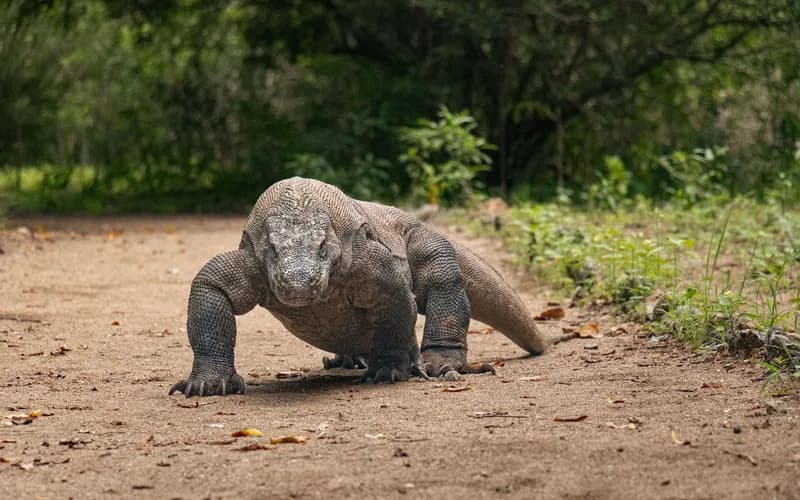
On the islands themselves, the rules are strict and sensible, because you are in the territory of a large wild predator. A licensed park ranger guide is mandatory on all island treks, particularly on Komodo and Rinca where the dragons roam; you cannot walk the trails alone. Ranger fees are modest and charged per group, around IDR 200,000 for a group of up to five on the Komodo and Rinca treks and less on Padar, with an extra ranger required for larger groups.
The rangers are there for safety as much as regulation: Komodo dragons are genuinely dangerous, and their guidance on keeping your distance and moving as a group is not to be ignored. Beyond the dragons, the usual protected-area courtesies apply, stay on the trails, do not feed or approach wildlife, take your rubbish with you, and follow the no-drone-near-nesting rules. Treat the park as the fragile, living ecosystem it is, in the same spirit as our guide to snorkelling and diving responsibly in Indonesia, and both you and the park come out ahead.
Which islands, and how to see them
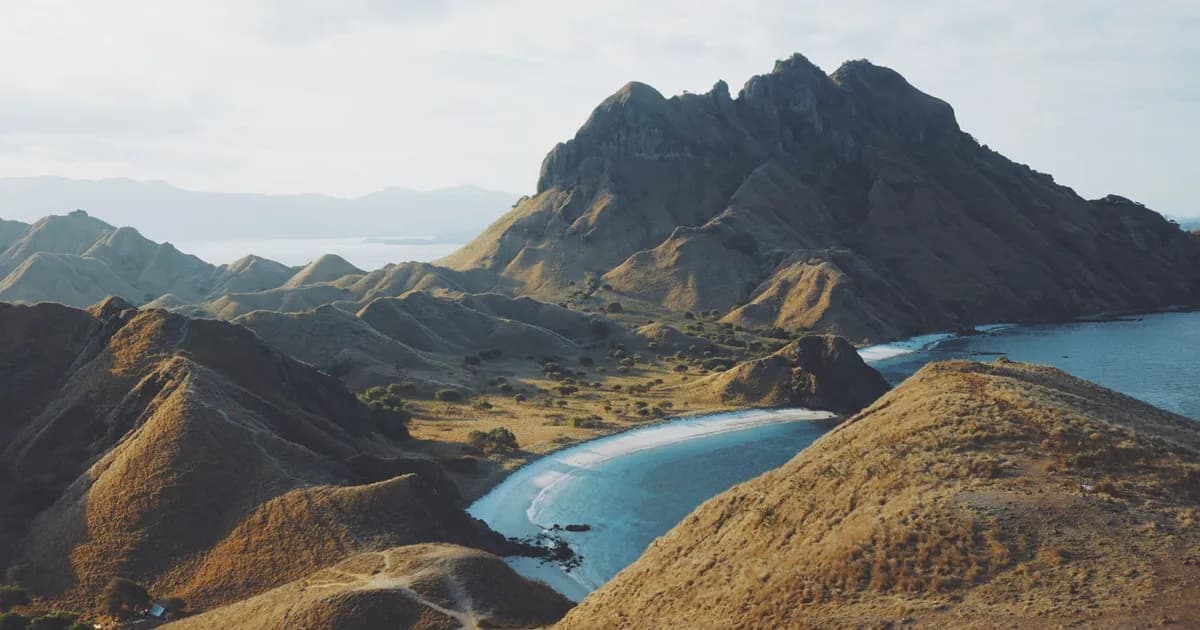
The park spreads across several islands, each with its own draw. Komodo Island and Rinca Island are where you trek to see the dragons in the wild, accompanied by rangers; Padar Island is famous for the sweeping viewpoint over its three curving bays, the image that launched a thousand Komodo trips. Between and around them lie the snorkelling and diving sites and beaches, including the celebrated pink-sand beach, that make the seascape as much of a draw as the wildlife.
Most visitors see the park on boat trips from Labuan Bajo, ranging from long day trips to multi-day liveaboard voyages that reach the further sites in comfort. The liveaboard option, sleeping aboard a boat among the islands, suits the slow traveller well, allowing an unhurried, multi-day exploration rather than a rushed day tour. Given the new caps and booking requirements, planning your route and securing your permits for specific islands and dates ahead of time is essential, and a multi-day approach also spreads your sites across the quotas more easily.
Why the limits are a good thing
It is worth ending on why all this is welcome rather than a nuisance. Komodo was being overwhelmed, its dragons stressed, its trails crowded, its iconic viewpoints reduced to queues. The caps, fees and booking system are a serious attempt to pull it back from the brink, protecting the wildlife and restoring the quality of a visit. A capped, quieter Padar is a far better experience than a heaving one, and a park that limits its own popularity is one that intends to still be worth visiting in decades to come.
For the slow traveller, this managed model is close to ideal: fewer people, better protection, and a visit that has to be planned rather than improvised, which suits a considered approach anyway. Embrace the new rules, book ahead, pay the fees willingly, and Komodo remains one of the most extraordinary places in Indonesia. To build a well-planned, permitted Komodo trip into a wider itinerary, our Indonesia plan-your-journey page is the place to start.
When to go, and a note on the season
Timing matters at Komodo, both for the weather and for the wildlife. The dry season, roughly from April to December, brings the calmest seas and the most reliable boat conditions, and it is the main window for visiting; the wetter months at the start of the year can mean rougher crossings. The landscape is at its greenest just after the rains and turns golden and parched as the dry season wears on, which is when the classic tawny Komodo scenery looks its most dramatic.
A word on the dragons themselves: they are present year-round, but their behaviour shifts with the seasons, and during the mating period around the middle of the year they can be more active and more aggressive, which is one more reason to heed your ranger. Whenever you go, an early start beats the heat and, with the new caps, helps you make the most of your allotted site before the day warms up.
What to Do Next
- Book your Komodo visit in advance through a licensed operator or the SiORA app; walk-in tickets are no longer sold.
- Plan around the daily caps, especially Padar's limit of about 60 visitors a day, and book popular sites and dates early.
- Budget for the fees: around IDR 650,000 per person for the standard route, more for Rinca, plus any drone charges.
- Accept that a licensed ranger guide is mandatory on the island treks, and follow their safety guidance around the dragons.
- Consider a multi-day liveaboard for an unhurried visit, and confirm current fees and rules before you travel.
Frequently Asked Questions
What is the new visitor cap at Komodo National Park?
From April 2026, the park limits total daily visitors to around 1,000, with site-specific caps of roughly 250 at Loh Liang on Komodo Island, 150 at Loh Buaya on Rinca Island, and just 60 at Padar Island. Once a site's daily quota is reached, no more visitors are admitted.
Do I need to book Komodo in advance?
Yes. As of April 2026 all visitors must pre-book, either through the official SiORA app or a licensed tour operator, and walk-in ticket purchases at the gate are no longer accepted. Most visitors book through an operator running boat trips from Labuan Bajo.
How much does it cost to visit Komodo National Park?
For international visitors, the standard entrance fee is around IDR 650,000 per person (roughly forty US dollars), covering Komodo and Padar with ranger, trekking, snorkelling and conservation charges bundled in. Routes including Rinca cost more, around IDR 900,000, and drone use carries a fee of about IDR 2,000,000 per day.
Do I need a guide to see the Komodo dragons?
Yes. A licensed park ranger guide is mandatory on the island treks, especially on Komodo and Rinca where the dragons live. You cannot walk the trails alone. Ranger fees are charged per group and are modest, and the rangers are there for your safety around genuinely dangerous animals.
How do I get to Komodo National Park?
The gateway is Labuan Bajo on Flores, which has an airport with connections from Bali and other hubs. From there, licensed boat operators run day trips and multi-day liveaboard voyages into the park. Given the new booking rules, arrange your park permits before or as part of booking your boat.
Why has Komodo introduced these limits?
The park was being overwhelmed by visitors, stressing the dragons and degrading the experience. The caps, fees and booking system are conservation measures designed to protect the wildlife and restore the quality of a visit, ensuring Komodo remains worth visiting for years to come.