Nusa Penida in 2026: New Attraction Fees, One-Gate Ticketing and What It Costs
Nusa Penida has changed how it charges visitors, and the first weeks were messy. Since August 2026, the island off Bali's southeast coast has levied a separate fee at each of its headline beaches and viewpoints, and since 1 September a new "One Gate One Destination" ticketing system has tried to collect those fees at the point of entry. On its first day the system processed more than 11,000 transactions and left queues of cars and people blocking roads. Guides report cancellations from cost-conscious groups. If Nusa Penida is on your list, you now need a plan.
This update sets out what changed, what you should expect to pay, how the ticketing works and how to adapt your day. It also covers two other time-sensitive items from August that affect travel in Bali and East Java: the temporary closure of Mount Bromo after a forest fire, and a proposed increase in Indonesia's visa-on-arrival fee. Details are based on local and regional reporting and may change; confirm current figures before you travel.
What changed and when
Until this year, Nusa Penida's public charges were modest: an island-level entry charge for foreign visitors collected on arrival and a small fee at some sites. In August 2026 that shifted. Reports describe a new per-attraction fee, introduced under a Klungkung Regency regulation, that applies at the island's best-known beaches and viewpoints. Sources differ slightly on the start date, with one citing 1 August and another 12 August as the effective date, so treat "early to mid August" as the safe description.
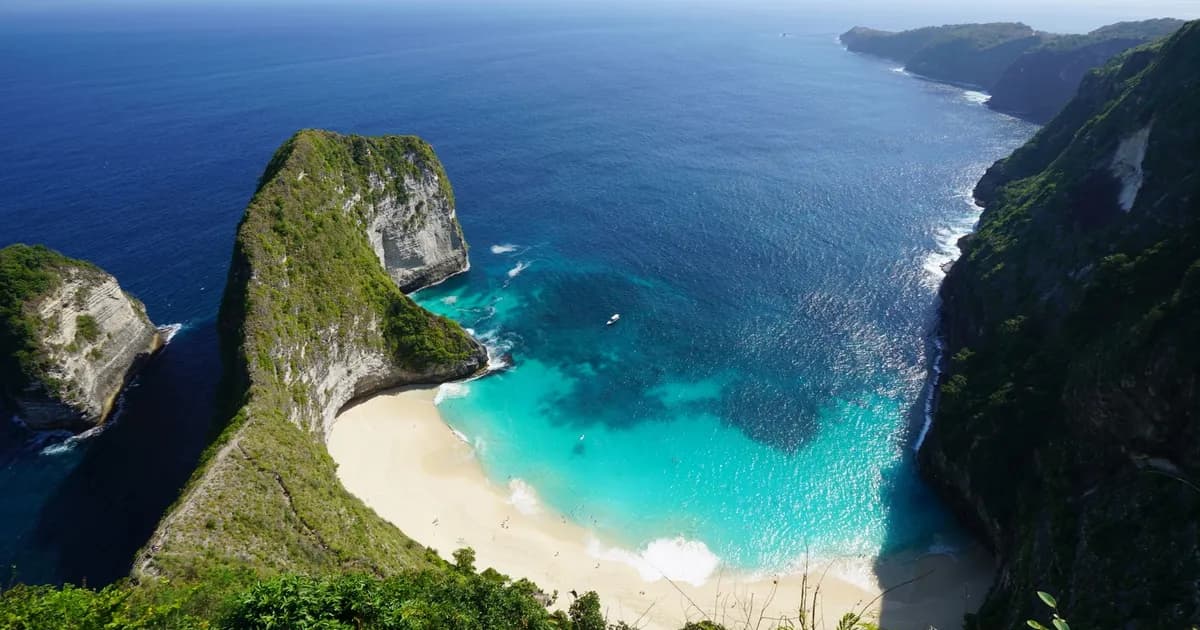
The first phase covers the island's most photographed sites: Kelingking Beach, Angel's Billabong, Broken Beach, Crystal Bay, Teletubbies Hill (Bukit Teletubbies), the Molenteng viewpoint and Devil's Tear. Fees are cashless only. Collection is organised with customary villages, which keep and reinvest the revenue under supervision by the prosecutor's office, according to local reporting.
The stated purpose is to fund maintenance and infrastructure at the attractions and to give customary villages a stable income. The regency is reported to be targeting about 132 billion rupiah a year, against roughly 30 billion collected in 2025. Whatever one thinks of the policy, it fits a wider Indonesian pattern of moving from free access towards paid, managed access at pressured sites, a pattern we describe in our coverage of Bali's crackdown on bad tourism.
One request. Up to five tailored proposals.
Skip contacting agencies one by one — share your trip once and let up to five trusted Indonesia agencies come to you. Free, with no obligation.
Get my free quotesThe fees in numbers
The most widely reported rate is 25,000 rupiah per attraction for adults and 15,000 rupiah for children. Foreign visitors also pay a separate island-level entry fee when they arrive, which one source puts at 25,000 rupiah for adults and 15,000 for children. Domestic visitors do not pay the island entry fee but do pay at each attraction. Infants up to about three years are reported to be free.
The arithmetic is simple and it adds up. One outlet calculated that a foreign adult visiting four sites now pays around 125,000 rupiah in public levies, compared with 25,000 rupiah previously. That is roughly USD 7 to 8 at recent exchange rates, so the fees are not ruinous in themselves. The problem is the multiplication: a family of four on a seven-site day pays several times what they paid before, and the sum is on top of transport, a driver and lunch.
Because rates and sites may be adjusted, and because reporting differs on details such as the child rate for the island entry fee, check the official ticket channels or ask your accommodation for the current schedule before you go. If a number in this article differs from what you are shown at the gate, the gate is right.
One Gate One Destination: how the ticketing works
On 1 September 2026, the island introduced a unified ticketing system, called One Gate One Destination in local reporting. The idea is that visitors buy a QR ticket in advance or at a counter, and the code is checked in seconds at each site. Mobile payment terminals sit at ticket counters, with a satellite network reportedly used as backup for weak mobile signals.
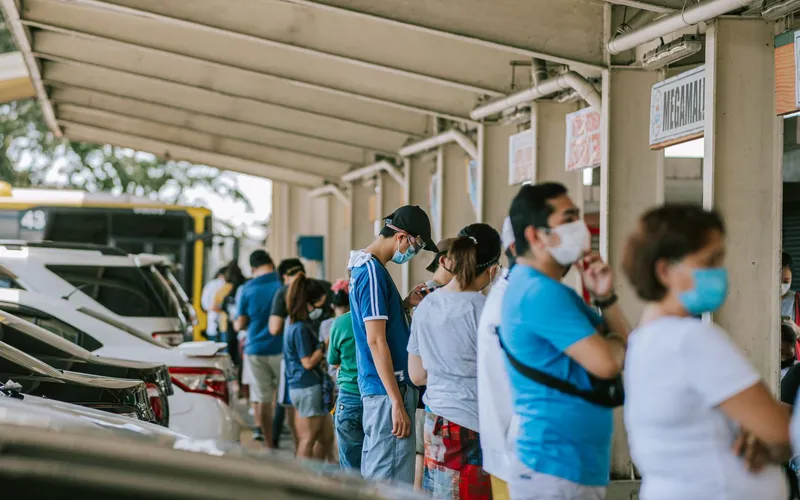
The launch did not go smoothly. On day one more than 11,000 transactions were processed, but most visitors had not bought tickets in advance. Long queues formed at Kelingking Beach and Crystal Bay, vehicles blocked roads while passengers waited, and patchy connectivity slowed everything down. The head of Klungkung's tourism department, I Gusti Agung Gede Putra Mahajaya, attributed the breakdown to a combination of factors.
From day two, authorities adjusted: vehicles must be parked before tickets are purchased, guides and agencies are encouraged to arrange tickets in advance, and parking rules are enforced more strictly. Expect further tweaks. The lesson for visitors is plain: buy your QR tickets before you arrive at the site, or have your driver or guide do it, and do not queue at the gate with the engine running.
Get matched with up to 5 trusted Indonesia agencies
- Free
- No obligation
- Up to 5 agencies
What this means for your day
Nusa Penida has long been a one-day excursion from Bali: a fast boat in the morning, a hired driver, a rapid circuit of the west coast and a boat back in the afternoon. The new fee structure punishes that format twice, once in cost and once in time, because every extra stop is another fee and another queue.
A few practical adjustments help.
- Pick fewer sites. Two or three well-chosen stops cost less and feel better than seven rushed ones. Kelingking Beach and Crystal Bay are the busiest; consider whether you need both.
- Go early or late. Coaches arrive mid-morning. Early starts and late afternoons are quieter and cooler.
- Pre-buy QR tickets or ask your driver to do it. Bring a charged phone and a power bank.
- Carry some cash anyway for parking, warungs and small purchases, even though the attraction fees are cashless.
- Leave buffer time for your return boat. If queues stretch, a tight connection becomes a stressful one. Our guide to island-hopping Indonesia slowly explains why buffer days and spare hours matter.
A slower way to see Nusa Penida
The island rewards visitors who stay overnight. Sleeping on Nusa Penida, rather than commuting from Bali, lets you reach the main sites before the day-trippers, spend time in quieter villages and coastal areas and pay for local homestays instead of arriving purely on a package. The roads are steep and rough in places, so hire a driver or an experienced rider, and avoid driving at dusk.
Spend at least two nights if you can, and use the first morning on one or two sites only. In the afternoon, walk a village lane, swim at a calmer beach or simply watch the light fade over the sea. You will pay each site's fee only once per visit, and you will remember a slow day more clearly than a fast one.
If the fee-and-queue model puts you off, there are quieter alternatives on the Bali mainland. Our piece on East Bali: Sidemen, Amed and the Karangasem coast describes a gentler, lower-pressure way to spend the same days, with rice terraces, volcano views and calm snorkelling.
Also on the radar: Mount Bromo's August closure
In East Java, Bromo Tengger Semeru National Park temporarily closed Mount Bromo to visitors from 9 August 2026 after a forest fire, initially through 15 August, with reopening dependent on authorities declaring the area safe. Reporting at the time said 3,062 people held tickets for the closure week, of whom 2,671 were domestic and 391 international visitors. Ticket holders were offered free rescheduling valid until 31 December 2026 or full refunds, claimed through an official online form with proof of purchase. Hotels apply their own cancellation policies, so contact your accommodation directly.
Whether the volcano is open as you read this, check with the national park's official channels before committing to a sunrise trip, as fire and volcanic activity can close access at short notice. If you are planning East Java, our guide to East Java overland: Malang, Bromo and Ijen leaves room for exactly this kind of flexibility.
Also on the radar: a proposed visa-on-arrival fee increase
On 12 August 2026, Indonesia's Director General of Immigration, Hendarsam Marantoko, presented a plan to replace the flat 500,000 rupiah visa-on-arrival fee with a tiered structure: 750,000 rupiah for an e-VOA applied for online before travel, and 1,000,000 rupiah for a visa on arrival processed at the airport. He cited rupiah fluctuations and said the current fee was too low, and the tiering is meant to push travellers online and reduce airport queues.
Here we need to be careful. Several outlets describe the change as a proposal with no confirmed start date, while at least one Indonesian outlet used the word implemented. We have not seen a confirmed effective date, so treat the new figures as likely but unconfirmed. Apply for your e-VOA online before you travel, and check the official immigration site for the fee shown at the time of application. For background on how the visa works, see our update on Indonesia's visa on arrival in 2026.
What to budget now
For a day on Nusa Penida, a rough budget approach is to add the island entry fee, the per-attraction fees for the sites you choose, a driver, boat tickets and food. Because boat and driver prices vary widely by season and negotiating skill, rely on current quotes from your accommodation rather than a published figure. The new fees add a predictable, but now meaningful, layer on top.
For your wider trip, build small contingency lines for similar levies elsewhere. Our article on entering Indonesia in 2026 covers the arrival card, Bali's tourist levy and park fees, and it makes a useful companion to this update.
What to Do Next
- Decide how many Nusa Penida sites you really want to see, and choose two or three.
- Ask your accommodation or driver for the current fee schedule and buy QR tickets in advance.
- Carry a charged phone, a power bank and some cash for parking and food.
- Consider an overnight stay instead of a rushed day trip, and leave buffer time for your boat back.
- Check the status of Bromo and the visa-fee proposal before you finalise dates, and use our plan your journey page to build a flexible route.
Frequently Asked Questions
How much are the new Nusa Penida fees?
Reported rates are 25,000 rupiah per attraction for adults and 15,000 for children, in addition to an island-level entry fee for foreign visitors. Rates may be adjusted, so confirm the current schedule before you go.
Which sites charge a fee?
The first phase covers Kelingking Beach, Angel's Billabong, Broken Beach, Crystal Bay, Teletubbies Hill, the Molenteng viewpoint and Devil's Tear. More sites may be added.
Can I pay in cash at the gate?
Attraction fees are described as cashless, collected by QR code or mobile terminal. Buy tickets in advance if you can, and keep some cash for parking and food.
Is Nusa Penida still worth visiting?
Yes, particularly if you stay overnight, visit fewer sites and travel outside the busiest hours. The fees are modest in dollar terms, and the island remains spectacular, but a rushed day trip is now both costlier and more frustrating.
Is Mount Bromo open?
It closed temporarily from 9 August 2026 because of a forest fire. Check the national park's official channels for the current status, and note that ticket holders were offered free rescheduling until 31 December 2026 or refunds.
Has the visa-on-arrival fee gone up?
A tiered fee of 750,000 rupiah for e-VOA and 1,000,000 rupiah for airport VOA was announced on 12 August 2026, but sources disagree on whether it has taken effect. Check the official immigration site when you apply.