How to Snorkel and Dive Responsibly in Indonesia
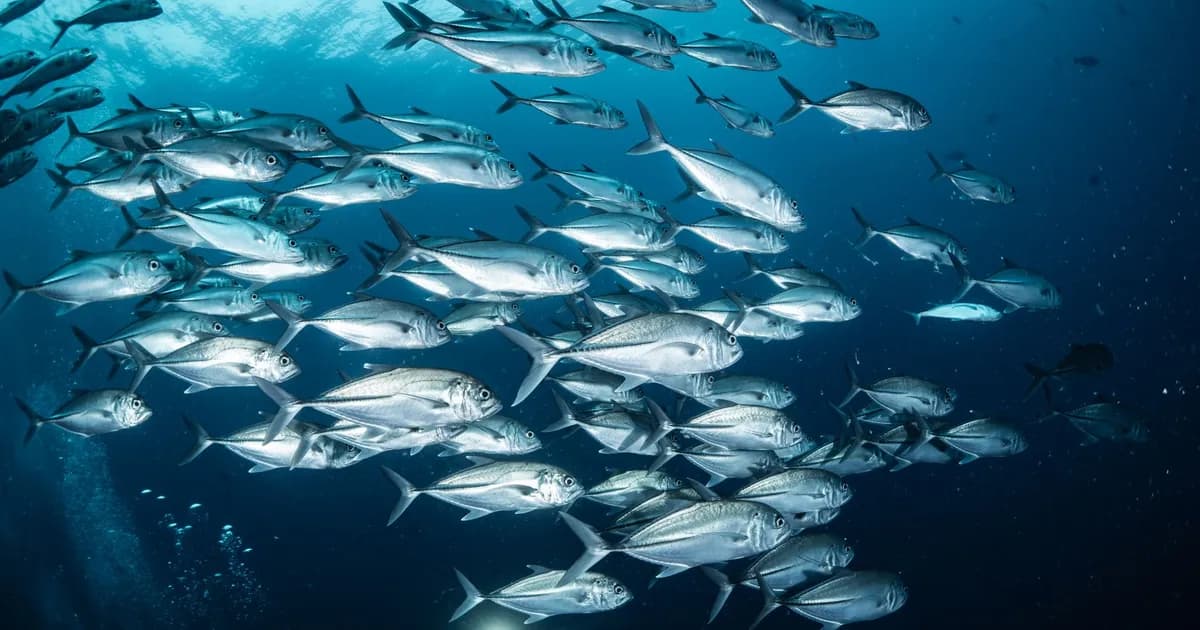
Indonesia holds some of the most spectacular underwater scenery on the planet. Lying at the heart of the Coral Triangle, the global centre of marine biodiversity, its waters, from Raja Ampat and Komodo to Bunaken, Wakatobi and the reefs off Bali and the Gilis, shelter a richness of coral and fish found nowhere else on earth. For many travellers, slipping beneath the surface here is the highlight of the whole trip. But these reefs are also fragile and under real pressure, and how you snorkel and dive makes a genuine difference to whether they survive. This is a guide to enjoying them without harming them.
The good news is that responsible reef travel is not difficult, and it barely diminishes the experience, if anything it deepens it. A handful of habits, chosen operators and small courtesies are all it takes to be part of the solution rather than the problem.
Why Indonesia's reefs need care
It is worth understanding what is at stake. The Coral Triangle that Indonesia anchors is the most biodiverse marine region on earth, but it faces mounting threats from warming seas, pollution, destructive fishing and, increasingly, the sheer weight of tourism at popular sites. Coral is a living animal that grows slowly and damages easily; a reef that takes decades to form can be degraded in a single busy season of careless visitors.
This is the backdrop to the shift towards more managed marine tourism across Indonesia, from visitor caps to higher fees, which we explore in our piece on the limits of marine tourism growth. The authorities are increasingly protecting these places precisely because they are so valuable and so vulnerable. As a visitor, your individual choices are part of that same effort, and they matter more than they might seem.
One request. Up to five tailored proposals.
Skip contacting agencies one by one — share your trip once and let up to five trusted Indonesia agencies come to you. Free, with no obligation.
Get my free quotesChoose the right operator
The single most important decision you make happens before you even reach the water: which operator you dive or snorkel with. A good operator runs its trips responsibly, briefs guests properly, anchors carefully or uses mooring buoys, limits group sizes and enforces good practice; a bad one does none of these and can do real damage. Look for dive centres affiliated with recognised environmental standards, such as the Green Fins initiative, which certifies operators committed to reef-friendly practices.
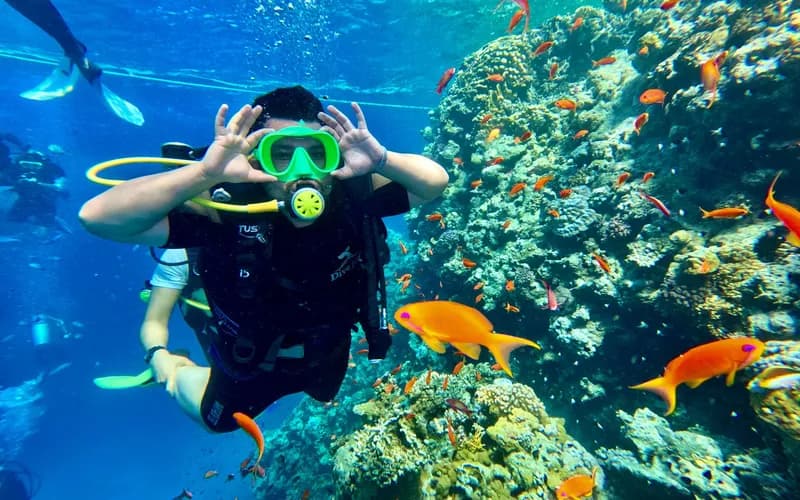
Ask questions before you book. How large are the groups? Do they use mooring buoys rather than dropping anchor on the reef? Do they brief on no-touch rules and reef-safe behaviour? A reputable operator will welcome these questions; an indifferent one tells you what you need to know. Choosing well not only protects the reef but usually means a better, safer and more informed experience for you, and a specialist on our Indonesia travel agencies page can point you towards responsible marine operators.
In the water: the golden rules
Once you are in the water, a few golden rules protect the reef. The first is simple: do not touch anything. Never stand on, hold, kick or brush against coral, which is a living organism that the oils and bacteria on your skin, and the force of a careless fin, can kill. Perfect your buoyancy if you dive, so you hover well clear of the reef, and if you snorkel, be conscious of your fins and never stand up in shallow water over coral.
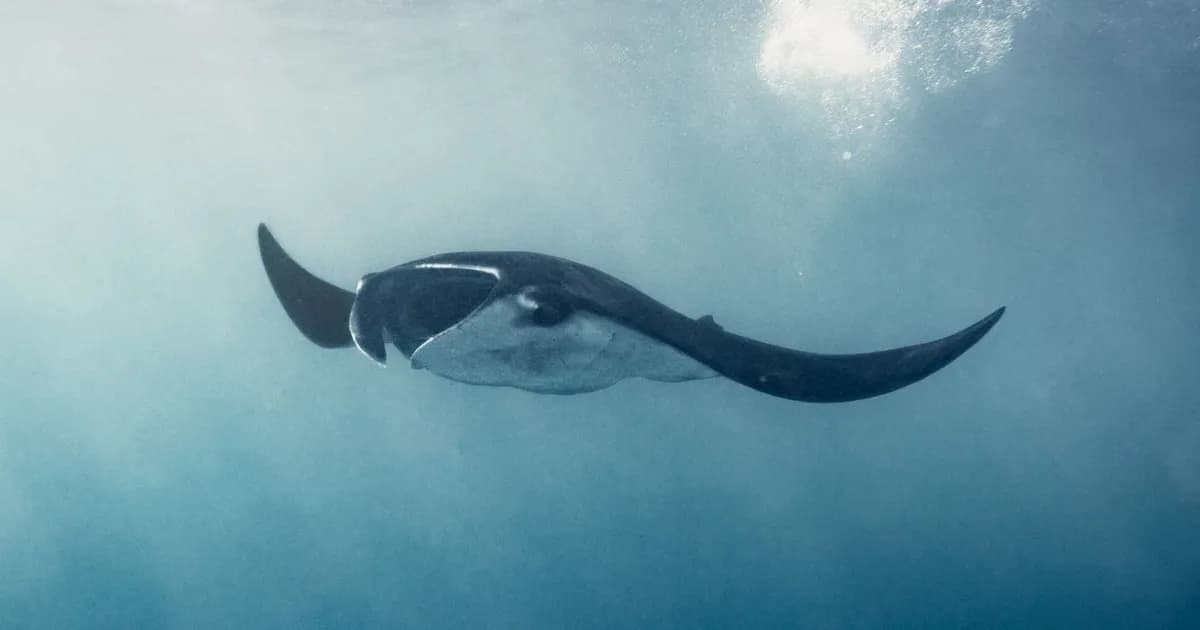
The same applies to marine life. Keep a respectful distance from turtles, mantas, sharks and everything else; never chase, touch, ride or corner an animal, and do not use flash photography, which can distress them. The thrill of a close encounter comes from the animal choosing to approach, not from you pursuing it. Move slowly and calmly, and the reef will show you far more than it ever would to a clumsy or grabbing visitor. These are the marine equivalent of the principles in our guide to trekking Indonesia's volcanoes responsibly: tread lightly, take only memories.
Get matched with up to 5 trusted Indonesia agencies
- Free
- No obligation
- Up to 5 agencies
Sunscreen, gear and what you carry
What you put on your skin and carry into the water matters more than most people realise. Conventional sunscreens containing chemicals such as oxybenzone are toxic to coral, and in the volume that mass tourism brings, they do measurable harm. Switch to a genuinely reef-safe, mineral-based sunscreen, or better still cover up with a rash guard and let clothing do the work, keeping chemical sunscreen off the parts of you that go in the sea.
Secure your gear so nothing dangles or drags across the reef, gauges, cameras and clips that trail behind a diver can snap coral without the diver even noticing. Take all your rubbish away with you, and if you see litter underwater, bring it out. Small pieces of discipline like these, multiplied across the thousands who visit Indonesia's reefs, are the difference between a marine site that endures and one that is slowly loved to death.
Pay the fees, respect the parks, avoid the crowds
Indonesia's best marine areas are increasingly protected as parks with entry fees and permits, and paying them cheerfully is part of responsible diving. Those fees fund the rangers, patrols and conservation that keep the reefs alive, so they are not a tax to resent but a contribution to the thing you came to see. Where sites now impose visitor caps or require advance booking, respect them; they exist to protect the very experience you are seeking.
There is also wisdom in avoiding the most crowded sites at the busiest times. The famous reefs can become overwhelmed, which stresses both the coral and the experience. Travelling in the shoulder season, choosing less-trodden marine areas, and spreading your visits eases the pressure and rewards you with quieter water. Our guide to off-the-beaten-path Indonesia can point you towards reefs beyond the honeypots, and choosing them is both kinder to the environment and often a better dive.
Souvenirs and what not to buy
Responsible reef travel continues back on land, at the souvenir stall. Never buy anything made from coral, turtle shell, seashells or other marine products; the trade in these drives the destruction of the very reefs and creatures you have come to admire, and buying a single trinket helps sustain it. A piece of dried coral or a turtle-shell bracelet is not a keepsake but a small act of harm.
Choose instead crafts and textiles that support local communities without costing the reef, and let your money reinforce the case that a living reef is worth more than a dead souvenir. This closes the loop on responsible marine travel: what you do in the water, what you put on your skin, who you dive with and what you buy all add up to whether your visit leaves Indonesia's underwater world better or worse for your having been there. To weave responsible marine days into a wider low-impact trip, our guide to island-hopping Indonesia slowly can help.
Get properly trained, and know your limits
Responsible reef travel is also a matter of competence, because a diver or snorkeller who is out of their depth does more damage. If you dive, be properly certified, dive within the limits of your training, and do not let bravado push you onto a site whose currents or depth exceed your experience. Many of Indonesia's most famous sites, from the channels of Komodo to the drift dives of Nusa Penida, have strong currents that demand skill and respect; a diver flailing in a current is a danger to themselves and to the reef they crash into.
Snorkellers, too, benefit from a little preparation. Fins and a flotation aid keep you off the shallow coral and out of trouble, and a short briefing on where to swim and what to avoid prevents the accidental standing and grabbing that damage reefs. In both cases, a good guide is worth their weight in gold: they know the sites, read the conditions, and keep both you and the reef safe. Listen to them.
Finally, never feed the fish, however tempting it may be to draw them close. Feeding disrupts natural behaviour, encourages aggression and unbalances the ecosystem, and the fleeting thrill is not worth the harm. The most rewarding underwater encounters come not from manipulating the reef but from observing it as it is, quietly, competently and with respect, which is, after all, exactly how the slow traveller prefers to move through any place.
What to Do Next
- Choose a dive or snorkel operator with recognised environmental credentials, and ask about group sizes and mooring practices.
- Follow the golden rules in the water: touch nothing, perfect your buoyancy, and keep your distance from marine life.
- Switch to reef-safe mineral sunscreen, or cover up with a rash guard, and secure all your gear.
- Pay marine park fees willingly, respect visitor caps, and favour quieter sites and shoulder seasons.
- Never buy coral, shell or turtle souvenirs, and take all your rubbish out of the water.
Frequently Asked Questions
Why is responsible diving important in Indonesia?
Indonesia sits at the heart of the Coral Triangle, the world's richest marine region, but its reefs are fragile and under pressure from warming, pollution and tourism. Coral grows slowly and damages easily, so how visitors behave in the water directly affects whether these reefs survive.
How do I choose a responsible dive operator?
Look for operators affiliated with recognised environmental standards, such as the Green Fins initiative, and ask about group sizes, whether they use mooring buoys instead of anchors, and how they brief guests. A reputable operator welcomes these questions; an indifferent one is a warning sign.
What sunscreen should I use around coral reefs?
Avoid conventional sunscreens containing chemicals like oxybenzone, which are toxic to coral. Use a genuinely reef-safe, mineral-based sunscreen, or better still cover up with a rash guard and keep chemical sunscreen off the skin that enters the sea.
Can I touch turtles or swim with mantas in Indonesia?
You can watch them, but never touch, chase, ride or corner marine animals, and avoid flash photography. Keep a respectful distance and let the animal choose to approach. Harassing wildlife is harmful and, at many sites, against the rules; calm, distant observation is both safer and more rewarding.
Do I have to pay marine park fees?
Yes, at Indonesia's protected marine areas, and you should pay them willingly. The fees fund the rangers, patrols and conservation that keep the reefs alive, so they support the very thing you have come to see rather than being a charge to resent.
What marine souvenirs should I avoid buying?
Never buy anything made from coral, turtle shell or seashells. The trade in these products drives the destruction of reefs and marine life, and buying even a single item helps sustain it. Choose community crafts and textiles instead, which support locals without harming the sea.