Smoke Season: How Haze Is Reshaping When to Travel in Laos
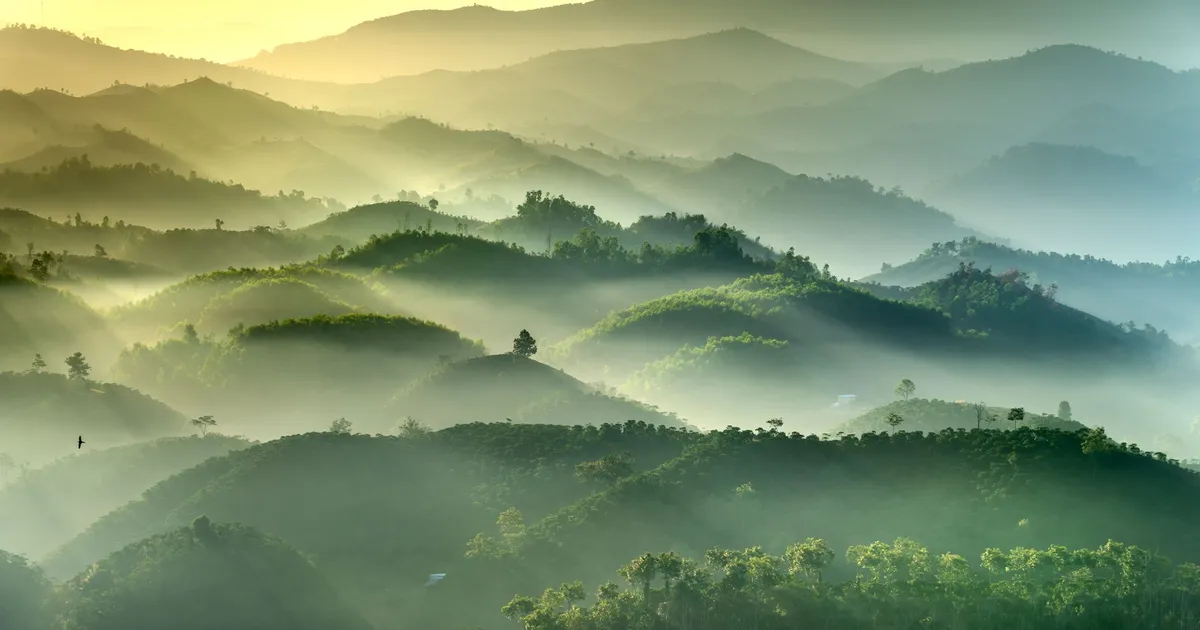
There is a version of Laos that never appears in the brochures. It arrives around February, thickens through March and peaks in April: a flat, grey-brown haze that swallows the mountains around Luang Prabang, turns the Mekong sunset into a dull orange smudge and sends local readings on air-quality apps deep into the red. Locals call it the smoky season. It is not new, and it is not unique to Laos. But in 2026 it has become impossible to ignore, and it is quietly reshaping the travel calendar for anyone who cares about when, not just where, they go.
What the Smoke Season Actually Is
Laos has two broad seasons: a wet monsoon from roughly May to October, and a long dry season from November to April. The dry season itself splits in two. From November to January the air is usually clear, cool and bright, which is why these months have always been the classic high season. From February, as the land dries out and temperatures climb, fires begin.
Most of the smoke comes from burning on the land. Farmers clear upland plots and fields ahead of planting, burn crop stubble, and burn grass to encourage fresh growth for cattle. Forest fires, some accidental and some linked to hunting, add to the load. The fine particles that result, known as PM2.5 because they are smaller than 2.5 micrometres, are the pollutant that matters most for health, because they are small enough to travel deep into the lungs.
The World Health Organization describes air pollution in Laos as a complex, seasonal problem, building from December as the dry season begins and typically peaking during the March and April burning season. Northern provinces, with their steep valleys and extensive upland farming, tend to suffer most, because smoke settles in the valleys and has nowhere to go until the rains arrive.
One request. Up to five tailored proposals.
Skip contacting agencies one by one — share your trip once and let up to five trusted Laos agencies come to you. Free, with no obligation.
Get my free quotesWhat 2026 Looked Like
The 2026 season started early. In mid-January, before the traditional peak, the monitoring group IQAir recorded Vientiane briefly reaching an index reading of 203, a level classed as very unhealthy. On the same days, Luang Prabang was reading around 152 and Pakse in the south around 126. For context, an index above 100 is considered unhealthy for sensitive groups, above 150 unhealthy for everyone, and above 200 very unhealthy.
Those were January figures, weeks before burning normally intensifies. As in previous years, the worst readings came later, in March and April, when readings in Luang Prabang again climbed into unhealthy and, at times, very unhealthy territory. In March 2025, the town had already passed an index of 200 at its peak, and 2026 followed a strikingly similar pattern despite considerable effort from local authorities to fight fires.
The consistency is the important part. This is no longer a bad-luck year or an unusual one-off event. For travellers, it has become a predictable feature of the calendar, as reliable as the monsoon.
Why the Smoke Keeps Coming Back
It is tempting to blame traditional slash-and-burn farming and leave it there. The reality is more interesting and more uncomfortable. Research published in 2026 on Luang Prabang's air pollution points to commercial agrarian change as a major driver: the spread of cassava, cleared land converted to grass and pasture, and cattle raising linked to regional demand, including from China. As more land is cleared and burned for cash crops and livestock, the smoke load grows, regardless of how many fires older rotational systems used to set.
Local events can make things sharply worse. The same research highlights a prolonged fire at the Luang Prabang landfill, a reminder that waste burning in and around growing towns contributes too. And Laos is landlocked, surrounded by countries that burn in the same months. United Nations research has noted that haze drifts across borders, so smoke from northern Thailand, Myanmar and elsewhere can settle over Lao valleys even on days when local burning is low.
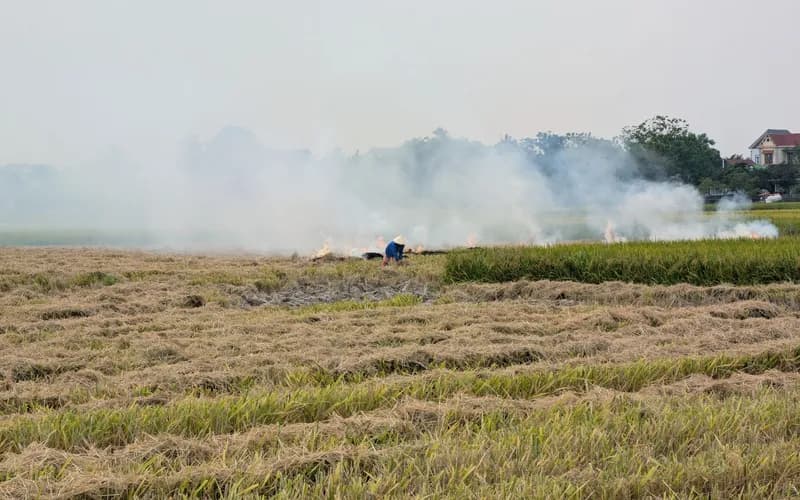
None of this is simple to fix. Burning is cheap and fast for farmers with little capital, and the alternatives, such as composting crop waste, mechanical clearing or different crops, require money, training and markets that many rural households do not have. Understanding this matters, because it shapes how travellers should think about the problem: not as local carelessness, but as a symptom of how rural livelihoods in Laos and its neighbours are changing.
Get matched with up to 5 trusted Laos agencies
- Free
- No obligation
- Up to 5 agencies
The Burn Ban and Its Limits
In January 2026, the Lao government announced its strongest response yet. Under instructions from the Ministry of Agriculture and Environment for the 2025-26 dry season, a nationwide ban on outdoor burning from January to April was ordered, covering farmland, forests, residential areas, peatlands and waste sites. Provinces were told to expand hotspot monitoring, produce fire-risk maps, report regularly on fire impacts, and take legal action against violators. The government also said it would promote non-burning farming methods in line with ASEAN guidelines.
It is a serious policy on paper. Enforcement is another matter. Local authorities carry the responsibility, often with limited staff across vast, mountainous districts, and the economic pressures that drive burning have not disappeared. The 2026 season suggests that the ban has not yet changed the overall pattern, even if it may have limited some fires. Most observers expect progress to be gradual, measured over several seasons rather than one.
For travellers, the honest conclusion is simple: do not plan a March or April trip to northern Laos on the assumption that this year will be different.
How Haze Is Reshaping the Travel Calendar
The most visible effect of the smoke season is on timing. Travellers, tour operators and hotels have gradually adjusted to it, and the shape of the Lao year is shifting as a result.
First, the November to January window has become even more crowded. With clear skies, cooler temperatures and full rivers, these months have always been popular, and awareness of the haze has pushed more people into them. Luang Prabang, the northern trekking towns and the slow boat all feel it, with fuller guesthouses and firmer prices around Christmas and New Year.
Second, February has become a hinge month. Early February is often still reasonable, especially in the south. By the end of the month, the northern valleys can already be hazy. If you want the high-season feel without the crowds, the first half of February is increasingly the sweet spot.
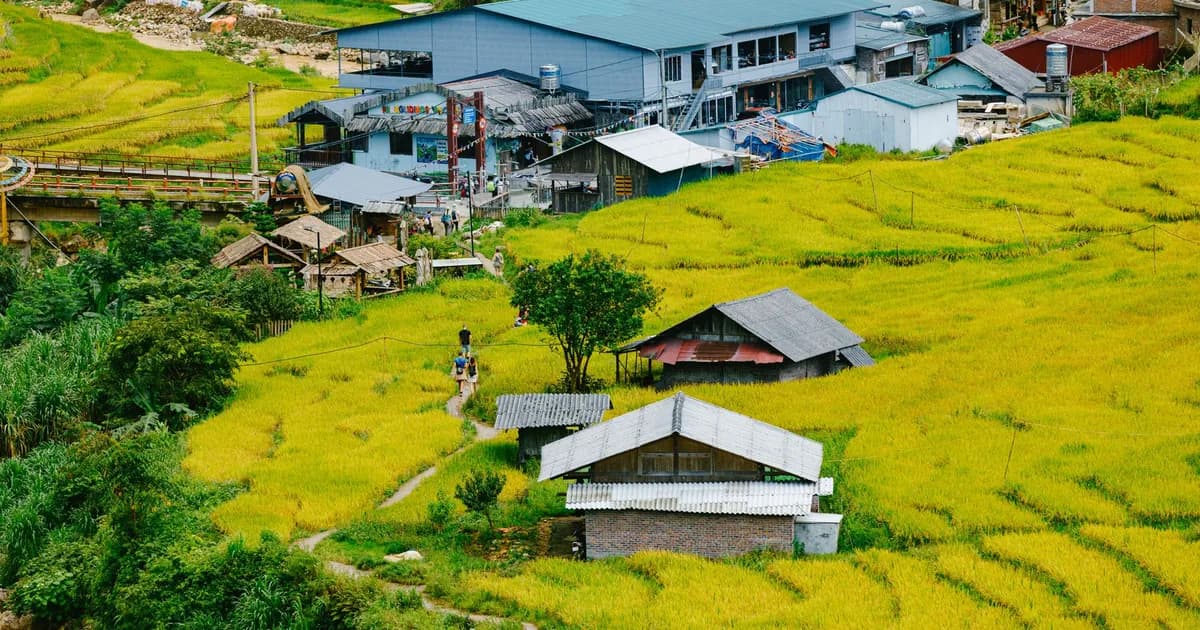
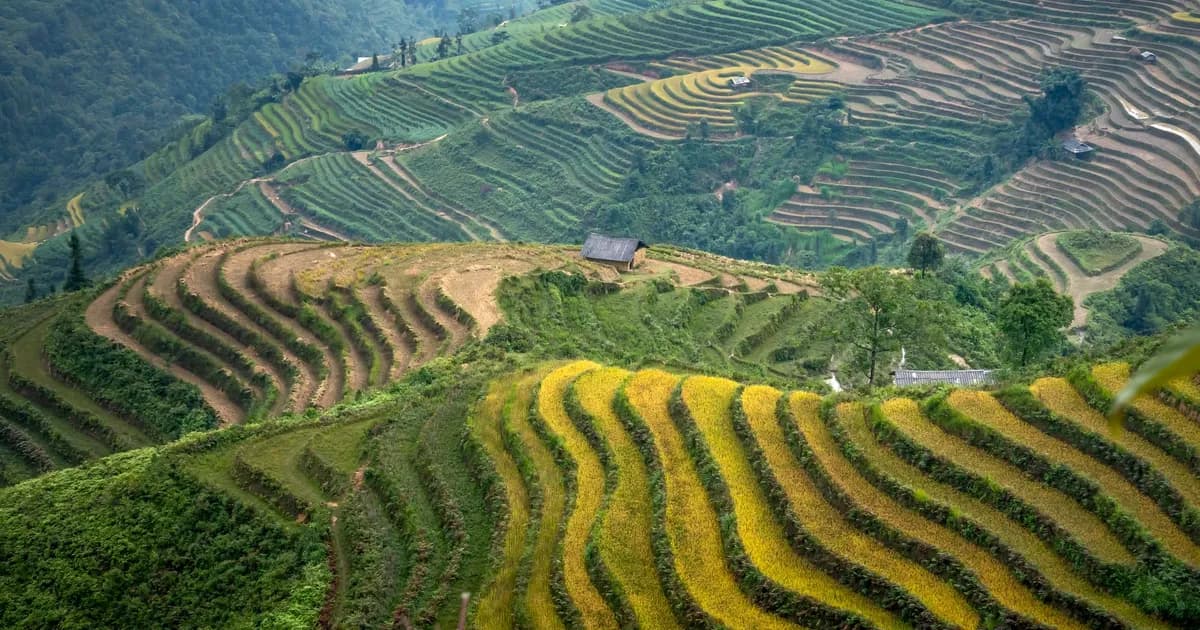
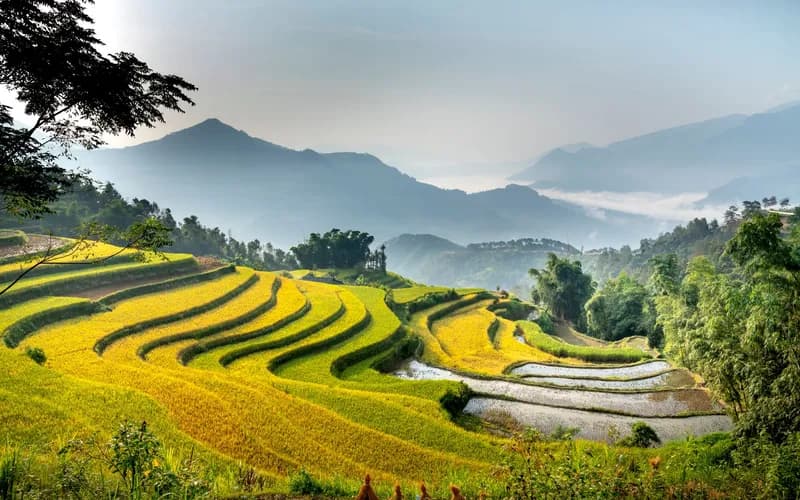
Third, the green season is being reconsidered. The months from June to October bring rain, but it usually falls in heavy afternoon or evening bursts rather than all day, and the air is at its cleanest. Waterfalls are full, rice paddies are at their most vivid, and prices drop. For slow travellers who do not mind the occasional downpour, the wet season is quietly becoming the better-value choice. Our guide to where to go in Laos and when sets out the month-by-month trade-offs in detail.
Finally, March and April are becoming the months when you can find space and discounts, but at a cost. Some travellers still choose them, especially for Lao New Year in mid-April. If you do, go with your eyes open.
Where the Air Is Better in March and April
No part of Laos is reliably smoke-free in the late dry season. That said, conditions vary sharply by place and by day. The steep, enclosed valleys of the north, including Luang Prabang, Nong Khiaw, Luang Namtha and Phongsaly, tend to trap smoke the longest. Broad, open river landscapes in the south can fare better on some days, because wind has more room to move, though the January readings from Pakse show the south is not immune.
If you must travel in March or April, it makes sense to weight your time towards the south and the Mekong. The river islands of Si Phan Don in the far south are hot at this time of year but offer a slower, more open landscape, and the Bolaven Plateau is higher and slightly cooler. Keep your plans flexible and check real-time readings rather than relying on generalisations, including this one.
A single rain shower can clear the air dramatically for a day or two, and the first storms of late April or May usually signal the end of the season.
Health: Who Should Worry, and What to Do
For most healthy adults on a short trip, a few hazy days are unpleasant rather than dangerous: scratchy throats, stinging eyes, headaches and poor views. The risk rises for children, older travellers, pregnant travellers and anyone with asthma, heart or lung conditions. If that includes you, March and April in northern Laos are worth avoiding altogether, or at least planning with a doctor's advice.
Practical steps help. Check a real-time air-quality app daily. On bad days, reduce strenuous outdoor activity, especially trekking and cycling, which make you breathe harder and deeper. Well-fitted N95 or KN95 masks filter fine particles; ordinary cloth or surgical masks do much less. Choose accommodation with closed rooms and, if possible, an air purifier, and ask your guesthouse before booking. Our guide to staying healthy in Laos covers medical care and pharmacies if symptoms persist.
What It Means for Slow Travellers
There is a quiet irony here. Slow travel is often sold as the antidote to the peak-season rush, but in Laos, the smoke season pushes everyone into the same few clear months. Slowing down, in this context, means being more deliberate about timing rather than simply staying longer.
The best response is to treat the calendar as part of the itinerary. Walk and trek in the clear months, when views and air are at their best, and ideally with a responsible community homestay trek that puts money directly into the villages facing these land-use pressures. Use the wet season for river travel, towns and long stays. And if you come in the smoky months, favour open landscapes, keep activities gentle and build in rest.
It is also worth remembering who lives with the haze all year round. Visitors can leave; residents of Luang Prabang and the northern valleys cannot. Supporting businesses that avoid burning, choosing locally sourced food, and staying patient with the realities of a changing rural economy are small but real ways of travelling well through the problem.
What to Do Next
- If your dates are flexible, aim for November to early February, or for the green season from June to October.
- If you are travelling in March or April, weight your itinerary towards the south and open river landscapes, and keep plans flexible.
- Install a real-time air-quality app and check readings each morning before planning strenuous activities.
- Pack a few well-fitted N95 or KN95 masks if you will be in the north between February and April.
- Ask one of the Laos travel agencies we list to adapt a route around seasonal conditions if you are unsure.
Frequently Asked Questions
When is the burning season in Laos?
Smoke typically builds from February and peaks in March and April, clearing with the first rains in late April or May. In some years, including 2026, poor readings appear as early as January.
Is it safe to visit Luang Prabang in March or April?
For most healthy adults, it is uncomfortable rather than dangerous, but air quality can reach very unhealthy levels. Children, older travellers and anyone with asthma, heart or lung conditions should consider other months.
Which part of Laos has the best air during the smoky season?
No area is reliably clear. Enclosed northern valleys usually suffer most, while open river landscapes in the south can be better on some days. Check real-time data rather than relying on region alone.
Did the 2026 burning ban work?
The nationwide ban on outdoor burning from January to April was a significant policy step, but the 2026 season followed a pattern similar to previous years. Improvement is likely to be gradual.
Do face masks help against haze in Laos?
Well-fitted N95 or KN95 masks filter fine PM2.5 particles effectively. Cloth and surgical masks offer much less protection. Reducing strenuous outdoor activity on bad days also helps.
Is the rainy season a good time to visit Laos instead?
For many slow travellers, yes. Rain usually falls in bursts rather than all day, the air is at its cleanest, the landscapes are green and prices are lower. Some rural roads and trails become muddy or harder to use.