
Cultural Etiquette in Laos: Temples, the Alms Ceremony and Getting It Right
Laos is one of the gentlest countries in Southeast Asia, and one where a little cultural awareness goes a very long way. This is a devoutly Buddhist, deeply courteous society, unhurried and understated, where loud voices and lost tempers are considered shameful and quiet respect is the highest form of good manners. Travellers who take the time to understand a few customs — around temples, monks, the famous alms ceremony and everyday behaviour — are welcomed warmly. Those who do not can cause offence without ever realising it. Getting it right is not complicated; it simply requires attention.
A Gentle Culture That Rewards Awareness
The guiding value in Lao social life is often summed up in the phrase that everything should be done with a calm, cool heart. Displays of anger, impatience or confrontation are deeply frowned upon and rarely achieve anything; a smile and a soft tone will open far more doors than frustration ever will. The pace is slow by design, and pushing against it marks you as an outsider who has not understood the place. This underlying gentleness colours everything that follows, and keeping it in mind is the single most useful piece of etiquette advice for Laos. Our slow traveller's guide to Laos is written in the same spirit of patience and attention.
One request. Up to five tailored proposals.
Skip contacting agencies one by one — share your trip once and let up to five trusted Laos agencies come to you. Free, with no obligation.
Get my free quotesThe Nop and the Art of Greeting
The traditional Lao greeting is the nop, a slight bow with the palms pressed together as if in prayer, accompanied by the greeting sabaidee. As a visitor you are not expected to initiate it, and getting the height of the hands exactly right matters less than the respectful intention behind it; a gentle nop returned when one is offered to you is always appreciated. Handshakes are increasingly common in business settings, but the nop remains the warm, correct default. A friendly sabaidee, offered with a smile, will earn you goodwill everywhere you go.
Temple Etiquette: Dress, Feet and Respect
Laos is dotted with temples, or wat, and they are living places of worship rather than tourist attractions. Dress modestly to enter: cover your shoulders and knees, and avoid tight or revealing clothing. Remove your shoes and any hat before stepping into a temple building, and lower your voice once inside.
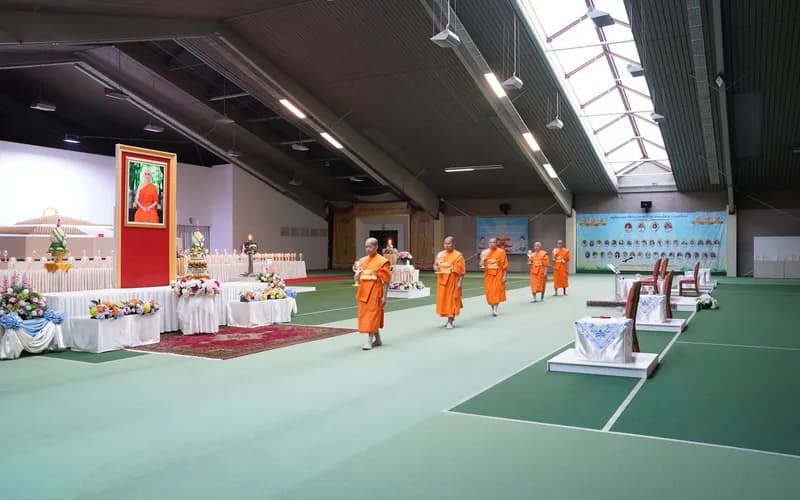
Never point your feet toward a Buddha image or a monk, and do not climb on statues or pose flippantly with them for photographs. When sitting, tuck your feet behind you rather than stretching them out toward the altar. Women should take particular care never to touch a monk or hand anything directly to one. These are simple rules, and following them marks you as a respectful guest.
Get matched with up to 5 trusted Laos agencies
- Free
- No obligation
- Up to 5 agencies
Monks: The Rules, Especially for Women
Monks occupy a revered place in Lao society, and a few clear rules govern how to behave around them. Dress and speak respectfully in their presence, and if you sit near a monk, keep your head lower than his. The most important rule concerns women: a woman must never touch a monk or hand him anything directly. If a woman needs to give something to a monk, she should place it down or pass it via a man or via a cloth the monk provides. This is not a slight but a core part of monastic discipline, and respecting it is essential.
The Alms Ceremony: How to Get It Right
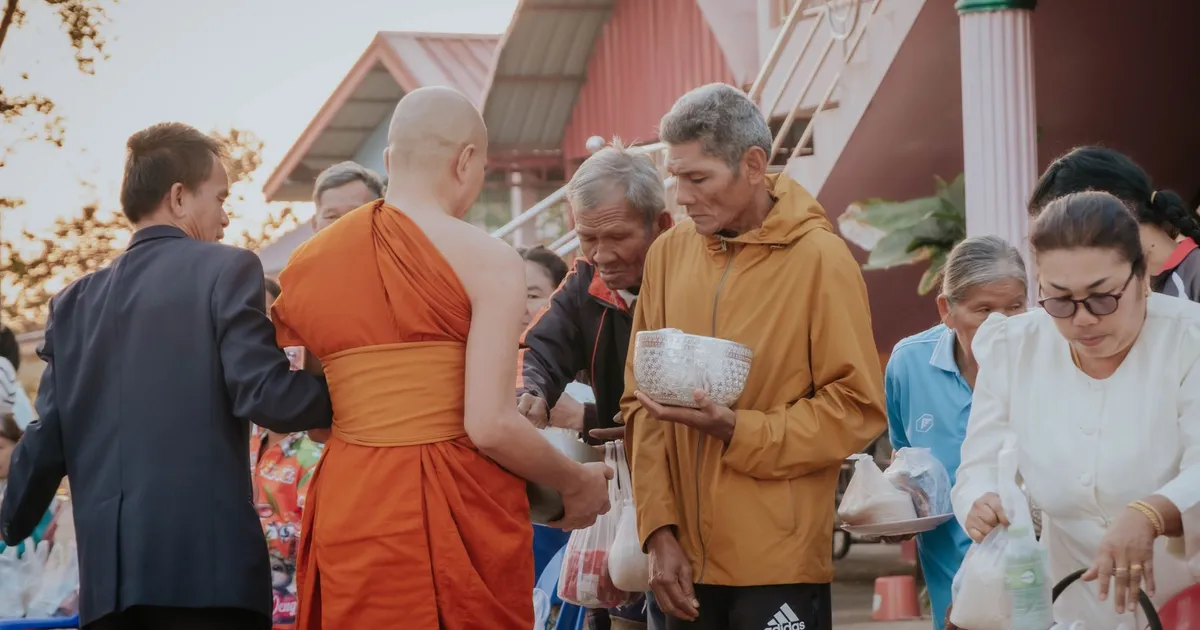
Each dawn in Luang Prabang and across Laos, lines of barefoot monks walk the streets collecting offerings of food from kneeling locals — the tak bat, or alms-giving. It is one of the most beautiful and solemn sights in the country, and also one of the most abused by tourism, to the point where it has become a real problem, a tension explored in our piece on Luang Prabang's tourism surge. If you wish to watch, do so from across the street, quietly, at a respectful distance, without flash photography or blocking the monks' path. Better still, consider simply not attending as a spectator at all, and instead witnessing it discreetly from a café balcony.
Participating in the Alms, or Not
If you genuinely wish to give alms rather than gawp, do it properly: dress modestly with shoulders and knees covered, buy your rice the evening before from a reputable source rather than the vendors who prey on tourists at dawn, kneel or sit lower than the monks, keep silent, and never make eye contact or turn the moment into a photo opportunity. Women must observe the no-touching rule. If you cannot do all this respectfully, the kindest choice is not to participate. The ceremony is an act of devotion, not a performance staged for visitors, and treating it as the latter is precisely what has degraded it.
Feet, Heads and Everyday Taboos
Two parts of the body carry strong symbolic weight across Laos. The feet are considered the lowest and least clean part of the body: never point your feet at people, images of the Buddha or sacred objects, never touch anything or anyone with your feet, and never step over a person or over food. The head, by contrast, is the most sacred part of the body, so avoid touching anyone on the head, including children, however affectionately you mean it. These instincts run deep, and a moment's care avoids real offence.
In Homes and Villages
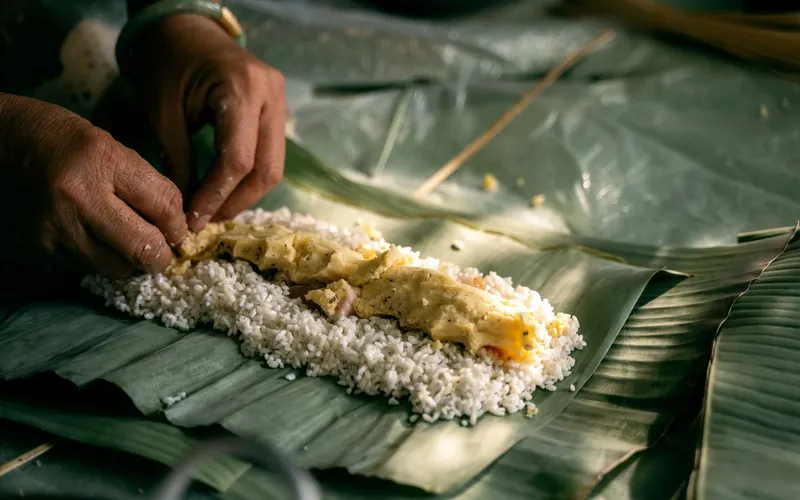
If you are lucky enough to be invited into a Lao home or to stay in a village homestay, a few courtesies apply. Remove your shoes before entering the house. Wait to be shown where to sit, and accept food and drink graciously even in small amounts, as refusing outright can seem rude. Dress modestly, keep your voice gentle, and follow your hosts' lead in everything. A small gift, or simply spending your money with the family, is a warmer thank-you than anything grand.
Photography and Consent
Laos is beautiful and endlessly photogenic, but a camera is not a licence. Always ask before photographing people, particularly monks, the elderly and children, and accept a refusal gracefully. Never photograph anyone at prayer or during the alms ceremony without clear consent and distance, and be especially careful in ethnic minority villages, where a camera thrust in someone's face is intrusive and unwelcome. A little patience and a genuine smile often earn the photograph anyway, and always earn a better encounter.
Dining and Social Etiquette
Lao meals are shared and sociable, usually built around a communal basket of sticky rice and several dishes. Wait for elders to begin, take modest amounts, and use your right hand for sticky rice. It is polite to leave a little food rather than clearing your plate completely. Our guide to what to eat in Laos covers the dishes themselves; at the table, the same calm courtesy that governs the rest of Lao life applies.
Dress Beyond the Temple
Even away from temples, Laos is a conservative country, and dressing modestly is both respectful and practical. Beachwear and skimpy clothing that might pass on a Thai island look out of place in a Lao town, and revealing dress can attract unwanted attention. Aim for covered shoulders and knees as a general default in towns and villages, saving swimwear for the water. Dressing with a little modesty signals respect and helps you blend in rather than stand out.
When You Get It Wrong
No visitor is expected to be perfect, and a genuine, gracious mistake is almost always forgiven in Laos. If you realise you have breached etiquette, pointed your feet the wrong way, spoken too loudly, or dressed too casually, a quiet apology and a corrected posture are enough. The Lao are famously forgiving of well-meaning foreigners, and what they value is the evident effort to respect their customs rather than flawless execution of them. Travel with humility and attention, and the occasional slip will be met with a smile rather than a scolding.
What to Do Next
- Approach every interaction with a calm, unhurried manner; anger and impatience are deeply frowned upon in Laos.
- Dress modestly at temples and in towns, cover shoulders and knees, and remove shoes and hats before entering temple buildings.
- If watching the alms ceremony, do so quietly and at a distance without flash; if you cannot participate respectfully, do not participate.
- Remember that women must never touch a monk, and never point your feet or touch anyone's head.
- Plan a respectful, unhurried trip with our Laos plan-your-journey resources.
Frequently Asked Questions
What should I wear to temples in Laos?
Dress modestly, covering your shoulders and knees, and avoid tight or revealing clothing. Remove your shoes and any hat before entering a temple building, and keep your voice low inside. The same modest dress is appreciated in Lao towns generally, where conservative clothing signals respect and helps you blend in.
How do I watch the alms ceremony respectfully?
Watch from across the street, quietly and at a distance, without flash photography and without blocking the monks' path. Dress modestly. Many travellers now choose to observe discreetly from a café rather than joining the roadside crowds. If you cannot do so respectfully, the kindest choice is simply not to attend as a spectator.
Can women touch monks in Laos?
No. A woman must never touch a monk or hand anything directly to him. If a woman needs to give something to a monk, she should set it down or pass it via a man or a cloth the monk provides. This is a core part of monastic discipline in Laos, not a personal slight, and respecting it is essential.
Why are feet and heads so important in Lao etiquette?
In Lao culture the feet are considered the lowest, least clean part of the body and the head the most sacred. So you should never point your feet at people or Buddha images, never touch anything with your feet, and never touch anyone on the head, including children. These taboos run deep, and observing them avoids causing real offence.
Should I participate in the alms-giving ceremony?
Only if you can do so genuinely and respectfully: dress modestly, buy rice the night before from a good source, kneel lower than the monks, stay silent, avoid photography, and observe the no-touching rule for women. The ceremony is an act of devotion, not a tourist activity, and if you cannot honour that, it is better simply not to take part.
How should I behave when invited into a Lao home?
Remove your shoes before entering, wait to be shown where to sit, and accept food and drink graciously even in small amounts. Dress modestly, keep your voice gentle, and follow your hosts' lead. Spending your money with the family or offering a small gift is a warmer thank-you than anything elaborate.